
Modern living in Singapore often presents a unique spatial puzzle. With the average size of new Build-To-Order (BTO) flats and compact condominiums hovering around 45 to 95 square meters, homeowners must find creative, non-structural design choices to maximize their living areas. Introducing a strategically placed full length mirror is one of the most effective ways to instantly expand the visual boundaries of your home. By bouncing light and creating deep sightlines, the right mirror style can make even the most compact layout feel open, airy, and welcoming.
When selecting a mirror for a small apartment, the goal is to balance visual expansion with physical footprint. A mirror that is too bulky can crowd a narrow hallway, while one that is too small will fail to deliver the desired spatial illusion. Understanding how different designs interact with your apartment’s layout, lighting, and environmental conditions is the key to making an informed choice that enhances both the functionality and aesthetic of your living space.
Why Full-Length Mirrors Are Essential for Small Spaces
The primary reason mirrors are highly valued in interior design is their ability to manipulate light. In compact apartments, natural light is often limited to a single window wall, leaving deep corners in shadow. A large reflective surface acts as a secondary light source. When light hits the glass, it bounces deeper into the room, illuminating dark areas and creating a more balanced, brighter environment. This increased brightness instantly reduces the closed-in feeling common in smaller layouts.
Products mentioned in this guide
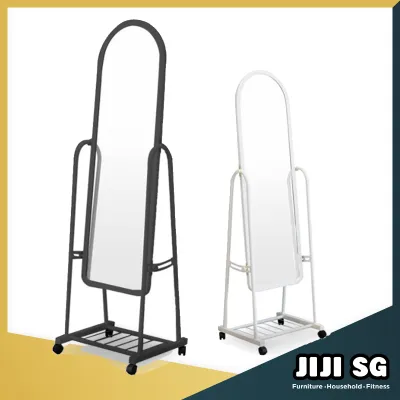
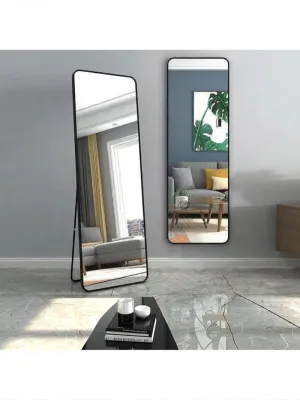
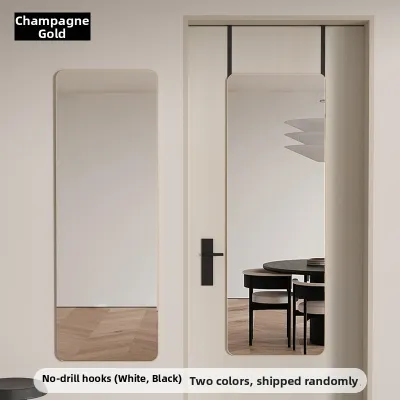
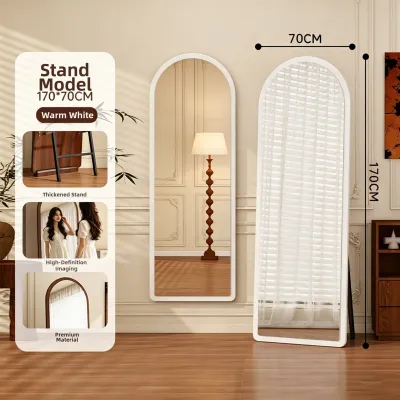
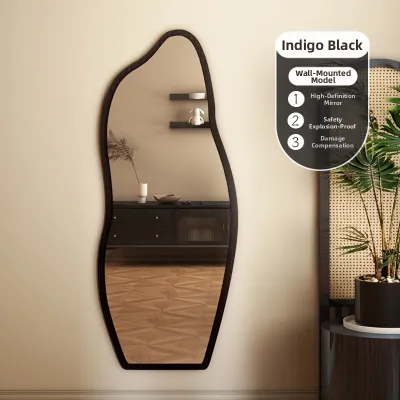
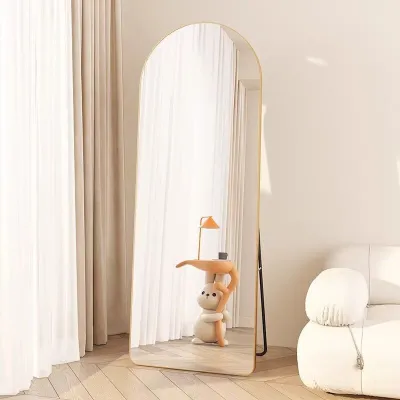
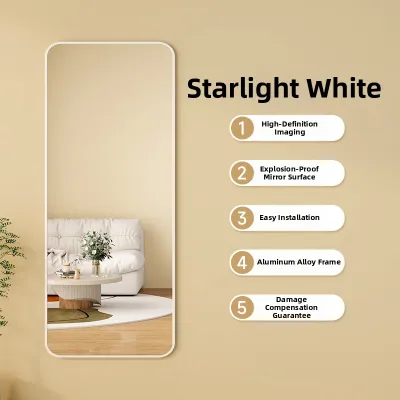
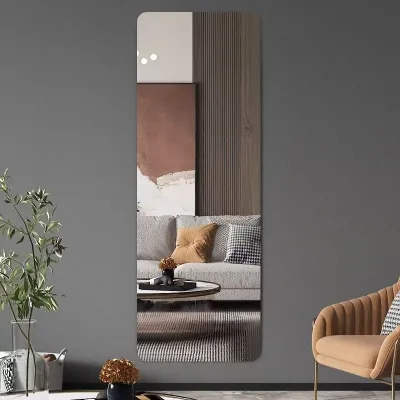
Prices are valid at publication and may change. Please refer to the product page for the latest price.
Beyond lighting, mirrors create a powerful illusion of visual depth. The human brain interprets the reflection as an extension of the room itself, tricking the eye into perceiving a virtual space that extends far beyond the physical wall. This effect breaks up the solid, boxy boundaries of standard rooms, making narrow dining areas or compact bedrooms feel twice their actual size. By extending sightlines, a mirror provides a visual escape route for the eye, which dramatically reduces the sensation of confinement.
In Singapore’s typical residential layouts, where long, narrow household shelters, tight entryways, and compact bedrooms are standard, maximizing every square meter is essential. A large mirror serves as a functional tool that addresses these architectural limitations without requiring major renovations. It allows you to preserve valuable floor space while introducing a design element that elevates the entire room’s atmosphere.
Best Full-Length Mirror Designs for Compact Apartments
Choosing the right design requires evaluating how a mirror’s frame, mounting style, and shape interact with your physical space. Different styles offer distinct advantages depending on whether you rent or own, your storage needs, and the specific layout of your room.

Leaning and Floor Mirrors
Leaning and floor mirrors are freestanding options that offer exceptional flexibility and a relaxed, contemporary aesthetic. Because they do not require permanent wall mounting, they are highly popular among renters or homeowners who enjoy frequently rearranging their furniture. These mirrors can be easily moved from the living room to the bedroom as your spatial needs evolve.
The spatial impact of a leaning mirror lies in its subtle tilt. When a mirror is leaned against a wall at a slight angle—typically between 3 and 5 degrees—it reflects the ceiling and the upper portions of the walls rather than just the floor. This upward reflection draws the eye skyward, making low ceilings feel significantly higher. In standard Singapore apartments where ceiling heights average around 2.6 meters, this vertical expansion is highly beneficial.
However, leaning designs do have physical limitations. They require a dedicated portion of floor space, as the base of the mirror must sit roughly 10 to 30 centimeters away from the wall to remain stable. This floor footprint can make them less suitable for extremely narrow corridors or high-traffic walkways where they might block movement or pose a tripping hazard.
When shopping for a leaning floor mirror, use this checklist to ensure safety and functionality:
- Verify the base: Ensure the bottom frame is equipped with non-slip rubber pads or silicone grips to prevent the mirror from sliding on smooth flooring like polished marble, vinyl, or glazed tiles.
- Frame stability: Look for a frame that is lightweight enough to move but sturdy enough to resist flexing. Aluminum or reinforced engineered wood frames work well.
- Height check: Ensure the mirror is tall enough (at least 150cm to 180cm) so that you can see a complete head-to-toe reflection even when standing relatively close to it.
Wall-Mounted and Over-the-Door Mirrors
For spaces where floor area is at an absolute premium, wall-mounted and over-the-door mirrors are the ideal choice. By lifting the reflective surface completely off the ground, these mirrors preserve 100% of your usable floor space. They are highly suited for tight entryways, narrow bedrooms, or walk-in wardrobes.
The spatial impact of keeping the floor clear cannot be overstated. When the floor surface remains visible and uninterrupted, the brain perceives the room as being larger and less cluttered. Wall-mounted mirrors allow you to place low furniture, such as a shoe cabinet or a bench, directly beneath them, creating a functional, space-saving arrangement.
The main limitation of wall-mounted models is the installation process. Hanging a heavy mirror securely requires drilling into the wall, which can be challenging in Singapore homes where internal walls are often made of solid concrete or hollow blocks. For renters, drilling may require landlord approval and subsequent patching. Over-the-door models avoid drilling but can sometimes rattle when the door is opened or closed, and they may scratch the door’s paint over time if not properly cushioned.
Before purchasing, consider this structural checklist:
- Wall compatibility: Verify whether your target wall is concrete, brick, or drywall. Concrete requires masonry drill bits and heavy-duty wall plugs, while drywall requires finding studs or using specialized hollow-wall anchors.
- Weight capacity: Check the weight of the mirror against the rated capacity of your mounting hardware. Never rely on simple adhesive strips for large full-length mirrors.
- Door clearance: For over-the-door designs, measure the gap between the top of your door and the frame. Most brackets require a clearance of at least 2mm to allow the door to close smoothly without scraping.
Mirrors with Hidden Storage
In compact apartments, furniture that serves more than one purpose is incredibly valuable. Mirrors with hidden storage—often designed as slim, wall-mounted cabinets or rotating floor stands—combine a full-length reflective surface with internal shelving, jewelry hooks, or accessory organizers.
This dual-purpose design reduces your overall furniture footprint. Instead of buying both a full-length mirror and a separate dresser or jewelry chest, you consolidate these needs into a single unit. This keeps your bedroom or entryway organized and free of small, clutter-inducing storage boxes.
The trade-off for this added functionality is physical bulk. Storage mirrors are naturally thicker and heavier than standard flat mirrors, typically protruding 8 to 15 centimeters from the wall. The internal storage depth is also relatively shallow, meaning it is best suited for small items like cosmetics, accessories, or watches rather than bulky items.
Use this buying checklist for storage mirrors:
- Hinge quality: Ensure the cabinet hinges are robust and made of rust-resistant materials, as they will bear the weight of the mirrored door opening and closing daily.
- Internal configuration: Check that the shelf heights and hook layouts match the specific items you plan to store.
- Locking mechanism: If you plan to store valuable jewelry or accessories, verify if the unit includes a secure lock and key.
Arched and Multi-Panel Designs
Arched and multi-panel (or grid) mirrors offer an excellent way to introduce architectural interest while expanding your space. An arched mirror features a flat bottom and a curved top, while a multi-panel design uses a grid frame to divide the glass into smaller panes, mimicking the look of a traditional window.
Arched tops help soften the harsh, boxy angles characteristic of modern apartment layouts. By drawing the eye upward along the curve, they emphasize vertical space. Multi-panel designs, on the other hand, create a highly convincing illusion of an extra window. When placed correctly, a grid mirror makes a solid wall look like an opening to an adjacent room or an outdoor patio, dramatically reducing any feelings of claustrophobia.
The primary limitation of these decorative styles is that they can slightly compromise the functionality of a daily outfit-check mirror. The curved top of an arch may crop out the sides of your reflection if you stand too close, while the grid lines of a multi-panel design can interrupt a seamless view of your clothing.
When choosing these styles, keep this checklist in mind:
- Accurate measurements: Measure the widest and tallest points of arched mirrors, as their irregular shapes can make them wider than they appear in photos.
- Grid design: For multi-panel mirrors, ensure the grid dividers are flush with the glass surface. Raised dividers can trap dust and make cleaning the glass more time-consuming.
- Frame material: Ensure the frame is sturdy enough to support the segmented glass panes without warping.
Where to Place Your Mirror for Maximum Spatial Impact
Even the most beautiful mirror will fail to expand your space if it is poorly positioned. Strategic placement is about managing light, reflections, and room flow.
Opposite a Window Placing your mirror directly opposite a window is the most effective way to flood a dark room with natural light. The mirror captures the incoming daylight and projects it across the room. However, in Singapore, you must consider the orientation of your windows. If you have a West-facing apartment that receives intense afternoon sun, placing a mirror directly opposite can cause blinding glare and unwanted heat reflection. In such cases, angle the mirror slightly away from the direct path of the sun, or use sheer curtains to soften the incoming light.
Perpendicular to a Focal Point Instead of reflecting an empty wall, position your mirror perpendicular to an attractive focal point, such as a well-styled dining area, a piece of wall art, or a cluster of indoor plants. By reflecting these elements, the mirror effectively “doubles” the visual interest in the room. This technique adds depth and layers to your decor, making the space feel curated and expansive rather than sparse.
Behind Furniture Tucking a large floor mirror partially behind a low piece of furniture, such as a sofa, a console table, or a sideboard, is a classic interior design technique. This layering effect tricks the brain into thinking the room continues behind the furniture, making the wall seem to recede. It also allows you to incorporate a large mirror without blocking walkways or taking up valuable open floor space.
Avoid Clutter Reflection A mirror reflects everything in its path, which means it can double the visual clutter if placed incorrectly. Avoid positioning your mirror where it directly reflects open wardrobes, kitchen utility areas, laundry racks, or cluttered desks. Reflecting these busy zones will make your apartment feel twice as messy and cramped, completely defeating the purpose of creating a serene, spacious environment.
Installation Safety and Humidity Protection in Singapore
Installing a large mirror in Singapore requires careful consideration of structural safety and the tropical climate. Because full-length mirrors are heavy and fragile, proper installation and material selection are critical to preventing accidents and ensuring longevity.
Wall Assessment and Mounting Before drilling any holes, you must identify the type of wall you are working with. Most HDB flats feature structural concrete walls or precast lightweight concrete panels, which require a high-impact masonry drill and heavy-duty plastic wall plugs to hold screws securely. Newer condominiums may use drywall partitions for internal bedroom walls; these require specialized toggle bolts or hollow-wall anchors that expand behind the plasterboard. Always check for hidden electrical conduits and water pipes before drilling. If you are mounting a heavy mirror (typically over 10kg) or feel unsure about the structural integrity of your wall, always isolate the power source before drilling near potential electrical paths and consult a qualified professional installer to ensure the mirror is safely secured.
Tip-Over Prevention Leaning floor mirrors are highly stylish, but they pose a significant safety risk if they are not secured, particularly in households with young children, active pets, or high foot traffic. Even a slight accidental bump can cause a heavy glass mirror to slide and shatter. Always use furniture straps, anti-tip kits, or wall-anchoring brackets to secure the top of the frame to the wall. These safety measures are discreetly hidden behind the mirror and provide peace of mind without compromising the aesthetic.
Humidity and Frame Materials Singapore’s tropical climate features high relative humidity, often exceeding 80% year-round. This moisture-rich environment can severely damage unsuitable frame materials. Untreated natural wood frames can absorb moisture, leading to warping, swelling, and mold growth. Low-grade iron or steel frames can rust and discolor over time. To ensure durability, look for mirrors with frames made of anodized aluminum, stainless steel, treated hardwoods (such as teak), or high-quality MDF that has been sealed with a moisture-resistant polyurethane coating. Always check the manufacturer’s specifications to verify if the frame is rated for humid environments, especially if you plan to place the mirror near a bathroom or kitchen.
Glass Safety When purchasing a large mirror, always check if the glass features a shatterproof backing or safety film. If the mirror is accidentally struck and breaks, this adhesive backing holds the broken glass fragments together, preventing sharp shards from scattering across the floor. This is a crucial safety feature that protects your household from severe cuts and simplifies cleanup in the event of an accident.
Frequently Asked Questions (FAQ)
Can a full-length mirror be placed facing a window?
Yes, placing a full-length mirror facing a window is highly effective for maximizing natural light and creating an illusion of depth. However, you must be mindful of direct sunlight. In Singapore, intense afternoon sun can create harsh glare and reflect heat back into the room. To prevent this, you can angle the mirror slightly so it reflects light at a softer angle, or install sheer curtains to diffuse the brightest daylight.
What is the ideal height for a full-length mirror in a small bedroom?
To see a complete head-to-toe reflection, the mirror should be at least half the height of the tallest user. However, for the purpose of making a small bedroom feel larger, a taller mirror is much more effective. Look for a mirror that is between 150cm and 170cm in height. The top of the mirror should be positioned slightly above the eye level of the tallest person in the household to ensure a comfortable view and to maximize the vertical reflection of the room.
How do I prevent my mirror from fogging up in a humid climate?
To prevent your mirror from fogging up, ensure your room has adequate ventilation by keeping windows open or using a standing fan. Running a dehumidifier or air conditioning also helps control indoor moisture levels. For a temporary solution, you can apply a commercial anti-fog spray or wipe a very thin layer of shaving cream onto the glass, then buff it clean with a microfiber cloth. Always check the mirror’s manufacturer care instructions before applying any chemicals to avoid damaging the reflective backing or frame.
Community discussion
Share your experience or ask a question. Comments are reviewed before publication.