
Integrating indoor greenery is a powerful way to elevate your living space, and selecting a glass bowl for plant cultivation offers a unique blend of modern design and natural beauty. Unlike traditional ceramic or terracotta pots, a glass planter exposes the intricate, often hidden world of root systems, soil layers, and water dynamics. In Singapore’s urban apartments, where maximizing natural light and spatial openness is key, these transparent vessels act as living sculptures that do not block visual pathways. However, finding the perfect match between a glass bowl and your home’s specific interior design requires a thoughtful balance of aesthetics, botany, and material science.
Every home aesthetic carries its own visual language, from the clean lines of Scandinavian minimalism to the rich, layered warmth of bohemian spaces. A glass bowl is not merely a container; it is a lens that filters light, frames textures, and establishes a mood. By understanding how different glass shapes, finishes, and weights interact with your existing decor, you can transform a simple houseplant into a striking focal point. This guide explores how to select, style, and maintain glass bowl planters across four major home aesthetics, ensuring your indoor garden thrives both horticulturally and visually.
How to Select the Perfect Glass Bowl for Plant Styling
Choosing the right glass bowl requires looking beyond initial visual appeal to evaluate how the vessel functions as a home for your greenery. The primary allure of a glass planter lies in its complete transparency, which allows you to appreciate the organic architecture of roots and the clean stratification of soil or drainage substrates. This transparency also ensures maximum light transmission to the lower parts of the plant, which can be highly beneficial for root health and water-propagation setups. However, because glass is non-porous and typically lacks drainage, it demands a higher level of mindfulness regarding water management and structural placement.
Products mentioned in this guide
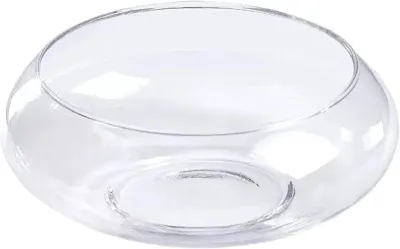
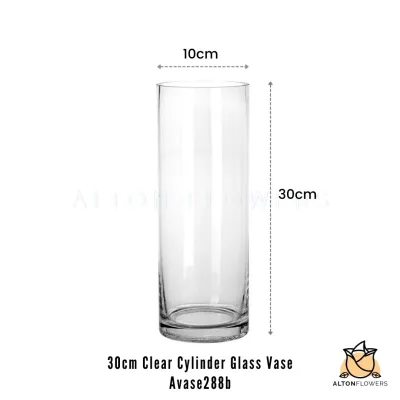
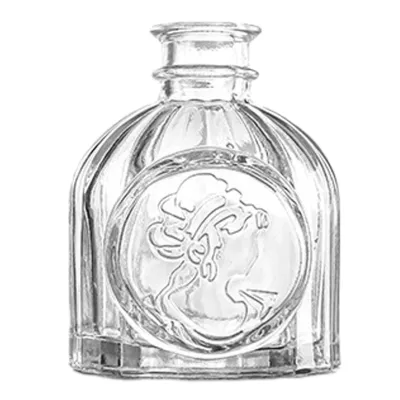
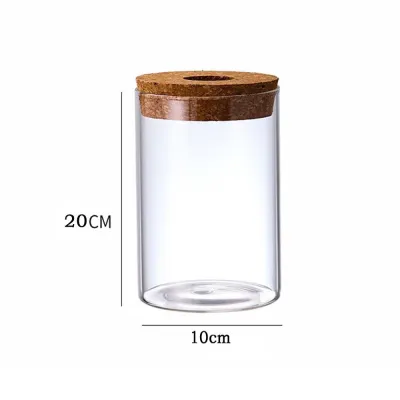
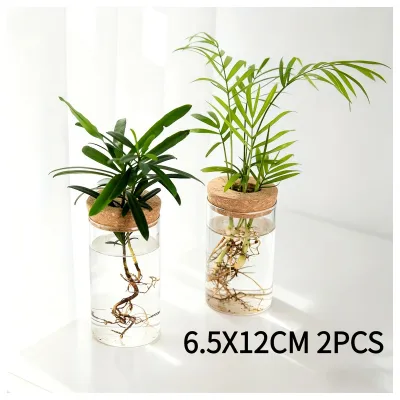
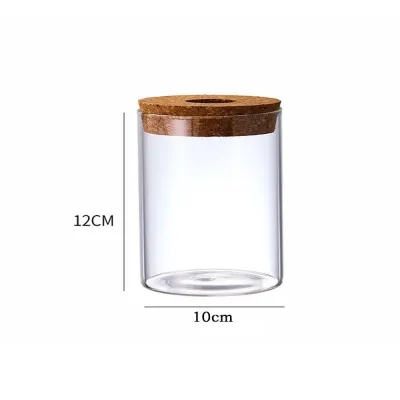
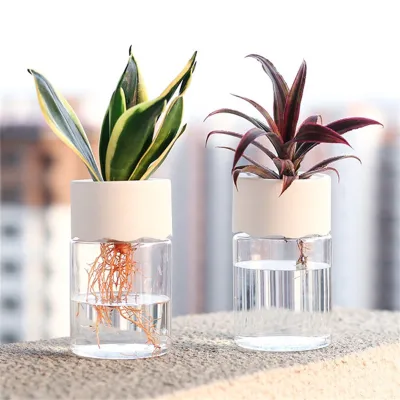
Prices are valid at publication and may change. Please refer to the product page for the latest price.
To select a bowl that complements your space, you must evaluate three core physical dimensions: shape, glass finish, and structural stability. The shape or silhouette of the bowl—whether it is a low-profile wide dish, a perfect sphere, or an angular geometric vessel—dictates the visual flow and the types of plants it can accommodate. The finish of the glass, ranging from ultra-clear soda-lime glass to tinted, ribbed, or frosted varieties, determines how light is diffused and how visible the internal soil or water lines will be. Finally, structural stability is paramount; a glass bowl must have a sufficiently thick, heavy base to lower its center of gravity, especially when supporting top-heavy foliage or tall cuttings that could cause the vessel to tip on smooth surfaces.
Equally important is matching the planter’s visual weight to the surrounding furniture and architectural elements. A delicate, thin-walled glass globe can look lost and insignificant when placed on a massive, dark timber dining table, whereas a thick, hand-blown glass bowl with organic imperfections holds its own against heavy furniture. Conversely, in a light-filled room with slender, mid-century modern metal fixtures, a heavy, chunky glass dish might feel overly dominant. Achieving balance means aligning the scale, transparency, and texture of the glass with the existing design elements of the room.
Because most decorative glass bowls do not feature pre-drilled drainage holes, your choice of style must also align with your willingness to manage specific watering techniques. If you prefer low-maintenance care, you will need a glass bowl large enough to accommodate an inner plastic nursery pot (the cache pot method), allowing you to lift the plant out for watering. Alternatively, if you wish to plant directly into the glass for a seamless look, you must commit to creating a meticulously layered false-bottom drainage system and monitoring moisture levels closely to prevent root rot.
Minimalist and Scandinavian Glass Bowl Styles
Minimalist and Scandinavian interiors prioritize simplicity, functionality, and a deep connection to natural light. In these spaces, clutter is minimized, and every object is chosen for its clean form and purpose. A glass bowl designed for this aesthetic should feel almost invisible, serving as a quiet frame for the plant rather than competing with it for attention.

Design Features and Shapes
The hallmark of Scandinavian-style glass is absolute clarity and geometric simplicity. Look for vessels with clean, unembellished silhouettes, such as perfect spheres, low-profile cylinders, or wide, shallow dishes with straight sides. The glass should be ultra-clear and free from bubbles, tints, or surface textures, allowing the focus to remain entirely on the plant and its growing medium. Thin-walled, borosilicate glass is particularly well-suited for this style, as its lightweight feel and high transparency create an airy, floating effect that enhances the sense of space in compact urban rooms.
Best Plant Pairings
To maintain the clean, uncluttered look of minimalist design, choose plants with strong, simple structures. Single-stem cuttings with striking leaf shapes, such as a single Monstera deliciosa leaf or a trailing strand of Epipremnum aureum (Pothos) suspended in clean water, look incredibly elegant in a clear glass cylinder. For dry setups, air plants (Tillandsia) resting inside a shallow glass bowl are ideal, as they require no soil and can be easily removed for misting. If you prefer soil-based plants, a small, highly structured succulent like a Haworthia or a single Echeveria, planted in a neat, single-color pebble layer, provides a beautiful, low-maintenance focal point.
Styling Tips
When styling a minimalist glass bowl, the choice of substrate is just as important as the plant itself. Opt for clean, neutral-colored mediums that do not introduce visual noise. White river pebbles, pale gray slate chips, or uniform, round LECA (Lightweight Expanded Clay Aggregate) pebbles create a tidy, organized base. Place the planter on light wood surfaces, such as oak or ash sideboards, or on matte white shelves. Keep the surrounding area clear of other decorative items, allowing the simple combination of clear glass, neutral stones, and vibrant green leaves to stand out as a calm, sculptural statement.
Vintage and Apothecary Glass Bowl Styles
For homes that embrace vintage, traditional, or transitional decor, a sterile, ultra-modern glass bowl can feel out of place. Instead, these spaces benefit from glass vessels that carry a sense of history, warmth, and tactile richness. Vintage and apothecary-style glass planters evoke the charm of 19th-century conservatories, botanical laboratories, and old-world pharmacies, making them perfect for adding character to your interior.
Design Features and Finishes
Vintage-style glass is defined by its rich textures and warm, saturated colors. Ribbed, fluted, or pressed glass patterns catch and refract light in complex ways, creating a soft, glowing effect. Finishes like mercury glass, which features a silvered, slightly distressed interior, add a touch of antique glamour. Color plays a significant role here: deep amber, warm honey, cobalt blue, and forest green tints are highly characteristic of apothecary jars. A practical benefit of these textured and tinted finishes is their ability to diffuse light, which helps obscure unsightly water lines, mineral deposits, and soil mixtures that would be glaringly obvious in a completely clear bowl.
Best Plant Pairings
Lush, moisture-loving plants that evoke a humid greenhouse or a Victorian parlor are the perfect match for vintage glass. Trailing ivy (Hedera helix), delicate maidenhair ferns (Adiantum), and vibrant mosses thrive in the humid microclimate created by deep, narrow-mouthed apothecary bowls. Creating a closed or semi-closed terrarium inside a vintage glass jar is an excellent way to showcase slow-growing tropicals like Fittonia (nerve plants) or small Syngoniums. For a trailing effect, the delicate, bead-like foliage of a string of pearls (Senecio rowleyanus) spilling over the ribbed edge of an amber glass bowl creates a stunning, nostalgic display.
Styling Tips
To fully integrate a vintage glass planter into your home, pair it with materials that share its warm, historic character. Place the bowl on dark wood surfaces, such as walnut, mahogany, or reclaimed teak consoles. Surround it with brass or copper accents, antique leather-bound books, or botanical illustrations. Because tinted glass reduces the amount of light that reaches the interior of the bowl, these planters are particularly well-suited for low-to-medium light areas of your home, allowing you to bring greenery into cozy corners, library shelves, or study desks without worrying about sun-loving plants stretching for light.
Modern and Geometric Glass Bowl Styles
Contemporary and mid-century modern interiors thrive on bold architectural lines, structural contrasts, and sculptural forms. In these design schemes, a planter should not just hold a plant; it should function as an independent piece of art. Modern and geometric glass bowls achieve this by combining sharp angles, asymmetrical cuts, and mixed-material constructions that challenge traditional ideas of container gardening.
Design Features and Structures
Geometric glass planters often feature faceted edges, resembling oversized crystals or prisms. These sharp, flat planes catch light at different angles, casting dynamic shadows and reflections across nearby surfaces. Another popular modern style is the integration of glass bowls with metal frames. These designs suspend a smooth glass sphere or dish within a rigid, matte black iron or brass wireframe, creating a striking contrast between the organic curves of the glass and the strict, linear boundaries of the metal. Asymmetrical cuts, where the rim of the bowl slopes dramatically from one side to the other, also add a sense of movement and contemporary flair.
Best Plant Pairings
To complement the strong, architectural lines of geometric planters, select plants with equally defined structures. Small, upright snake plants (Sansevieria), with their stiff, sword-like leaves, echo the verticality of metal frames. A carefully pruned, structured bonsai or a single, perfect Echeveria rosette highlights the mathematical precision of faceted glass. For a softer but still modern look, consider an air-purifying Zamioculcas zamiifolia (ZZ plant) or a sculptural Peperomia with thick, glossy leaves that reflect the light bouncing off the glass facets.
Styling Tips
Position modern geometric planters on sleek, hard surfaces that match their contemporary aesthetic, such as polished concrete shelves, glass-topped coffee tables, or minimalist steel consoles. To emphasize the sharp angles of the glass, use highly contrasting substrates inside the bowl. Jet-black aquarium gravel, dark charcoal chips, or deep red volcanic rock will make both the bright green foliage of the plant and the geometric edges of the vessel stand out dramatically. Keep the styling clean and deliberate, using these planters as singular, high-impact statements in well-lit, open areas.
Bohemian and Eclectic Glass Bowl Styles
Bohemian and eclectic decors are characterized by a relaxed, layered, and highly personalized approach to design. These spaces celebrate global influences, rich textures, vibrant colors, and an abundance of houseplants. Here, glass planters do not need to be pristine or mathematically precise; instead, they should feel hand-crafted, organic, and full of life.
Design Features and Colors
Bohemian glass planters embrace imperfections and bold color palettes. Look for hand-blown glass made from recycled materials, which often features charming irregularities like tiny air bubbles, uneven rims, and subtle waves in the glass. Stained glass bowls, iridescent finishes that shimmer with rainbow hues in the light, and vibrant, multi-colored hand-painted patterns are perfect for this aesthetic. These vessels are designed to capture the eye, acting as joyful, light-catching focal points that add warmth and creative energy to a room.
Best Plant Pairings
The wild, untamed growth habits of bohemian plants pair beautifully with these colorful, organic bowls. Choose plants with striking, patterned foliage or those that grow in lush, overflowing clusters. Calathea varieties, with their painted leaf patterns and rich purple undersides, look spectacular in iridescent or warm-toned glass. Trailing heartleaf philodendrons (Philodendron hederaceum) or neon pothos, allowed to spill wildly over the sides of a recycled glass bowl, create a relaxed, jungle-like vibe. You can also create mixed succulent arrangements, combining different shapes, textures, and colors in a single wide, shallow bowl for a rich, layered tapestry of desert flora.
Styling Tips
Bohemian styling is all about layering and grouping. Rather than displaying a single glass bowl in isolation, cluster several planters of varying sizes, shapes, and colors together. Display them on natural, textured surfaces like woven rattan trays, macrame plant hangers suspended from the ceiling, or open wooden shelving units. The busy, colorful patterns and textures of bohemian glass are highly forgiving, as they easily conceal soil mixtures, root systems, and water condensation. This makes them incredibly practical for lush, direct-soil plantings where you want to focus on the overall abundance of greenery rather than maintaining a pristine, sterile look.
Essential Buying Checks and Care for Glass Planters
While glass bowls make exceptionally beautiful planters, using them successfully requires a solid understanding of both material safety and plant physiology. Because glass behaves differently than porous materials like clay or terracotta, keeping your plants healthy and your home safe involves a few critical checks and maintenance routines.
Drainage and Water Management
The single greatest challenge of using a glass bowl for plants is the lack of drainage holes. When water accumulates at the bottom of a sealed container, it displaces oxygen, leading to anaerobic conditions and root rot. To prevent this, you must check the manufacturer’s instructions for your specific glass vessel to ensure it is safe for direct planting. If you choose to plant directly, you must construct a false-bottom drainage layer. Start with a 2-to-3-centimeter layer of clean gravel or clay pebbles at the very bottom of the bowl, followed by a thin layer of activated charcoal to absorb impurities and prevent odors, before adding your potting soil. Alternatively, use the highly reliable “cache pot” method: keep your plant in its original plastic nursery pot with drainage holes, and simply slide it inside a decorative glass bowl that is slightly larger. When it is time to water, remove the plastic pot, water the plant thoroughly over a sink, let it drain completely, and then return it to the glass bowl.
Sunlight and Heat Risks
Clear, curved glass acts as a natural magnifying lens. If you place a clear glass bowl in direct, harsh sunlight—such as on a west-facing windowsill in a tropical climate like Singapore—the glass can concentrate the sun’s rays, rapidly scorching the plant’s delicate leaves and overheating the soil or water inside. This extreme heat can literally cook the plant’s roots, leading to sudden decline. To protect your plants, always place clear glass bowls in positions that receive bright, indirect sunlight rather than direct, intense rays. If you must place a plant in a sunny window, opt for frosted, heavily textured, or dark-tinted glass, which diffuses the incoming light and reduces heat absorption.
Algae and Hard Water Prevention
Because glass allows light to penetrate directly into the root zone, it creates the perfect environment for green algae to grow, especially in water-propagation setups or highly moist soil. While algae is generally harmless to the plant, it can look unsightly and clog root systems over time. To prevent algae buildup, avoid adding liquid fertilizers directly into water-propagation bowls, as the excess nutrients fuel algae growth. Instead, use distilled, filtered, or rainwater, and change the water completely every one to two weeks. If you notice algae or white, crusty hard water stains forming on the glass, gently remove the plant during your routine maintenance, and wash the interior of the bowl with a mild solution of white vinegar and warm water. Rinse the vessel thoroughly with clean water before replanting.
Weight and Stability Checks
Before purchasing a glass bowl, always verify its physical stability and weight distribution. Glass is a heavy material, but a bowl with a narrow base or an uneven bottom can easily tip over, especially when filled with wet soil and a top-heavy plant. Look for bowls that feature a thick, weighted base that lowers the overall center of gravity. If you plan to hang a glass planter using a macrame hanger or wall mount, first verify the weight limit of both the hanger and the wall anchor. Remember that a glass bowl filled with damp soil, decorative pebbles, and a mature plant will weigh significantly more than the empty vessel. Always ensure your shelving, brackets, or ceiling hooks are securely installed and rated to handle the total weight of the fully watered setup to prevent accidental breakage and damage to your home.
Frequently Asked Questions (FAQ)
Do glass bowls need drainage holes for plants?
While drainage holes are highly beneficial for maintaining soil health and preventing overwatering, they are not strictly mandatory if you use proper water management techniques. Most decorative glass bowls do not have drainage holes, meaning you must adapt your planting method. You can successfully grow plants in these vessels by using the double-potting (cache pot) method, where the plant remains in a draining plastic pot inside the glass. If you prefer direct planting, you must create a reliable false drainage layer using pebbles and activated charcoal, and water with extreme precision, adding only a fraction of the bowl’s volume to avoid pooling water at the bottom.
How do I prevent algae from growing inside a clear glass bowl?
Algae requires three main elements to thrive: light, water, and nutrients. To prevent algae from taking over a clear glass bowl, keep the planter out of direct sunlight, which fuels rapid photosynthetic growth. For water-propagated plants, change the water regularly—ideally once a week—and avoid adding liquid fertilizers directly to the water, as these nutrients will immediately feed the algae. If you are planting in soil, using a dark or opaque substrate layer against the glass can block light from reaching the moist soil interior, significantly reducing the chance of algae formation.
Can I use a glass bowl for outdoor plants in a tropical climate?
Using glass bowls outdoors in a hot, humid tropical climate like Singapore presents significant challenges and is generally not recommended unless carefully managed. The intense tropical sun will quickly turn a clear glass bowl into a greenhouse, rapidly heating the water or soil and scorching the plant’s roots and foliage. Additionally, sudden heavy rain can easily flood a glass bowl that lacks drainage, drowning the plant. If you wish to use glass bowls outdoors, place them exclusively in fully shaded, covered areas such as deeply recessed balconies, patios, or verandas, and choose heat-tolerant plants that do not require direct sunlight.
Community discussion
Share your experience or ask a question. Comments are reviewed before publication.