
Scented candles are a significant investment in home ambiance, offering a curated sensory experience that can transform any living space. However, the moment a premium candle is left uncovered, its volatile fragrance oils begin to escape into the surrounding air. To preserve the integrity of these delicate scents, a dedicated candle glass cover acts as an essential barrier. By isolating the wax pool from ambient air currents and humidity, a high-quality glass cover—especially one featuring a silicone gasket or a heavy, precision-ground rim—ensures that the top notes of your favorite fragrance remain trapped within the wax, ready for the next burn.
While many candle enthusiasts focus primarily on the burning process, post-burn care is equally critical to maintaining scent longevity. Left open to the environment, a candle’s cold throw—the fragrance it emits while unlit—gradually diminishes as the essential oils on the surface evaporate. Implementing a proper glass cover not only halts this evaporation but also shields the wax from environmental contaminants. This guide explores the science behind fragrance preservation, the key features to look for in a glass cover, and how to select the perfect design to keep your premium candles smelling as vibrant as the day you unboxed them.
Why Glass Outperforms Other Materials for Scent Preservation
To understand why glass is the premier choice for preserving candle fragrances, it is helpful to look at the chemistry of scented wax. Premium candles are formulated with a blend of natural waxes, such as soy, coconut, or beeswax, infused with highly concentrated fragrance oils. These oils are composed of volatile organic compounds (VOCs) categorized into top, middle, and base notes. Top notes, which include citrus, light fruits, and fresh herbs, are the most volatile and have the lowest boiling points. When a candle is left uncovered at room temperature, these top notes naturally evaporate into the air, permanently altering and weakening the candle’s intended scent profile.
Products mentioned in this guide
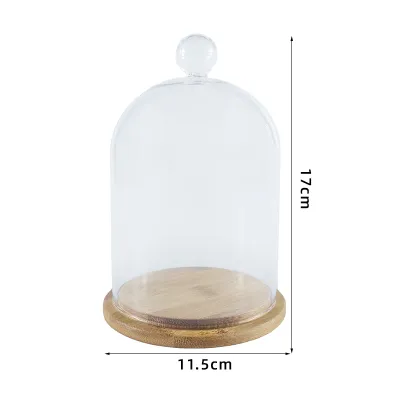
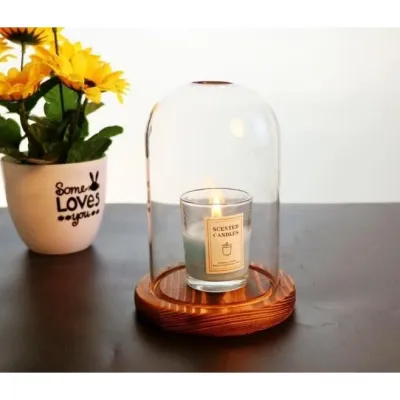
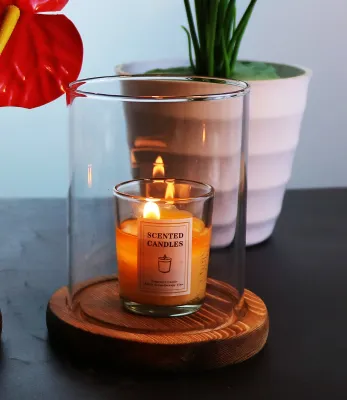
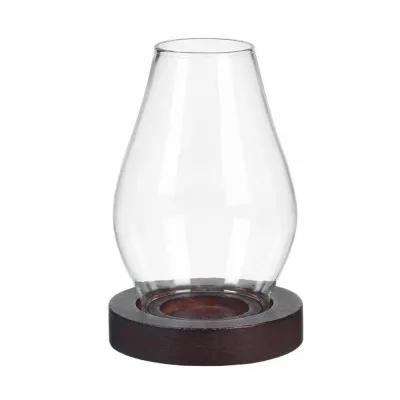
Prices are valid at publication and may change. Please refer to the product page for the latest price.
Oxygen is another major threat to candle longevity. When exposed to open air, the essential oils and wax undergo oxidation. This chemical reaction can cause the fragrance oils to degrade, turn rancid, or change color, resulting in a stale or sour aroma when the candle is eventually lit. Glass is a completely chemically inert and non-porous material. Because it lacks microscopic pores, it does not absorb the volatile oils from the wax surface, nor does it react chemically with the complex compounds in synthetic or natural essential oils. This inert nature ensures that the scent profile remains entirely pure and unaffected over months of storage.
In contrast, alternative cover materials present significant drawbacks for long-term scent preservation:
- Wood and Bamboo: While aesthetically pleasing, wood and bamboo are highly porous organic materials. Over time, they act like a sponge, absorbing the volatile fragrance oils directly from the candle. This not only weakens the candle's scent throw but can also cause the lid itself to warp. Furthermore, in humid climates like Singapore, organic lids are highly susceptible to trapping moisture, which can encourage the growth of mold and mildew on the underside of the cover.
- Metal: Metal lids made of brass, copper, or tin are prone to chemical reactions. The acidic components present in certain fragrance oils, particularly citrus and spice blends, can react with the metal surface. This leads to tarnishing, corrosion, and the development of a metallic odor that can contaminate the wax. Additionally, temperature fluctuations can cause condensation to form on the underside of a metal lid, leading to rust that can drip into and ruin the wax pool.
- Plastic: Plastic covers are highly susceptible to degradation when exposed to concentrated essential oils. The oils can soften, warp, or chemically dissolve certain plastics over time. This chemical breakdown can release synthetic plastic odors into the candle jar, permanently ruining the premium fragrance profile.
A solid glass barrier also provides vital physical protection against dust, pet hair, and ambient moisture. In high-humidity environments, such as Singapore where relative humidity frequently exceeds 80%, moisture in the air can settle on an uncovered wax surface. When the candle is lit, this trapped moisture causes sputtering, uneven burning, and tunneling, which severely restricts the heat pool and limits the hot throw. A heavy glass cover seals out this ambient moisture, keeping the wax dry and pristine for a clean, efficient burn.
Key Features to Evaluate Before Buying a Glass Cover
Selecting an effective candle glass cover requires evaluating specific structural and material features that directly impact its sealing capability and durability. A cover should not be chosen solely based on its visual appeal; instead, consider how its design prevents air exchange and protects the candle underneath.

Sealing Mechanism
The primary function of a glass cover is to minimize air exchange between the candle and the room. There are two primary sealing mechanisms used in high-quality glass covers:
- Friction-Fit (Ground Glass): This design relies on precision manufacturing. The rim of the glass cover and the receiving surface are ground and polished to a highly flat, smooth finish. When placed together, the two surfaces meet flush, creating a tight physical barrier without the need for an additional gasket. While highly elegant and completely glass-based, this mechanism requires perfectly flat surfaces to prevent micro-gaps.
- Gasket-Sealed (Silicone O-Rings): This design features a flexible silicone ring fitted around the inner rim or base of the glass cover. When the cover is pressed into place, the silicone compresses to fill any microscopic imperfections in the glass, creating a near-airtight seal. This is the most effective mechanism for preventing fragrance evaporation, though the silicone ring must be kept clean to maintain its grip.
Glass Weight and Thickness
The physical weight of the glass cover plays a crucial role in maintaining a consistent seal. Heavier covers, typically crafted from thick soda-lime glass or durable borosilicate glass, utilize gravity to press the cover downward against the jar rim or base plate. This downward pressure helps compress gaskets or ground glass joints, ensuring a tighter seal. Thicker glass also provides superior thermal resistance and durability, making it much less likely to chip or crack during daily handling or when exposed to slight temperature variations.
Knob and Handle Ergonomics
A secure grip is essential for safely removing and replacing a glass cover. Look for designs with integrated, solid glass knobs or handles that are easy to grasp, even if your hands are slightly slick from lotion or wax residue. The knob should be molded as a single piece with the dome to eliminate weak points where a glued joint could fail. A well-designed handle allows you to lift the cover vertically without tilting, reducing the risk of the cover knocking against the candle jar and causing chips.
Base Rim Quality
Before purchasing, inspect the bottom rim of the glass cover. The edge must be perfectly level and smooth. If you place the cover on a flat glass surface, there should be no wobbling or visible gaps. Any unevenness in the rim will allow air currents to carry away the volatile fragrance oils, defeating the purpose of the cover. Smoothly ground edges also prevent scratching the candle jar or the surface of your furniture.
Top Glass Cover Designs for Fragrance Retention
Different candle shapes and fragrance profiles require different styles of glass covers to maximize scent preservation. Here, we evaluate the three most effective glass cover designs, detailing their specific use cases, structural advantages, and practical limitations.
Glass Cloches with Silicone Seal Rings
Glass cloches equipped with integrated silicone seal rings represent the gold standard for preserving highly volatile fragrances. These designs feature a glass dome that sits over the entire candle jar, resting on a flat glass or ceramic base plate. The silicone O-ring is typically fitted around the inner lip of the base plate or the bottom rim of the dome, creating a tight, compressed seal when the dome is lowered into position.
- Best For: Premium candles featuring delicate, highly volatile top notes such as citrus (lemon, bergamot), light florals (jasmine, neroli), and fresh green accords. These scents evaporate rapidly at room temperature, making a near-airtight silicone seal essential to lock in the fragrance molecules.
- Limitations: The visible silicone ring can disrupt the clean, traditional aesthetic of an all-glass cloche. Additionally, silicone is naturally static-prone and tends to attract dust, lint, and pet hair, requiring regular washing with warm, soapy water to maintain a clean appearance and a secure seal.
Heavyweight Glass Dome Lids (Friction Fit)
Heavyweight glass dome lids rely purely on gravity and precision manufacturing to create a seal. These classic cloches feature a thick, heavy glass dome with a precision-ground bottom rim that sits directly on a matching flat glass base or the flat rim of the candle jar itself. There are no rubber gaskets or plastic parts; the sheer weight of the thick glass presses the polished surfaces together to minimize airflow.
- Best For: Standard luxury candle jars with wide, flat, and perfectly even rims where a seamless, minimalist, all-glass aesthetic is desired. It is an excellent choice for displaying high-end candles on vanity tables or shelving units while providing reliable, everyday scent protection.
- Limitations: This design requires highly precise sizing and perfectly flat surfaces. If the candle jar rim is slightly uneven, warped, or chipped, the lack of a flexible gasket means the seal will be compromised, allowing air to circulate. It is also slightly less airtight than silicone-sealed options, making it less ideal for extremely long-term storage of highly volatile scents.
Flat Glass Lids with Felt or Cork Undersides
Flat glass lids offer a low-profile alternative to tall domes and cloches. These lids are designed to sit directly on top of the candle jar rim. The underside of the glass lid is lined with a ring of high-density natural cork or soft felt. This soft backing acts as a buffer, compressing slightly under the weight of the glass lid to conform to minor imperfections or unevenness in the candle jar’s rim.
- Best For: Wide-mouth candle jars, shallow concrete or ceramic candle vessels, and multi-wick candles where a tall glass dome would look visually disproportionate or bulky. The low profile makes them easy to stack and store in drawers or on shallow shelves.
- Limitations: Natural cork and felt are organic materials that can eventually absorb strong fragrance oils if they come into direct contact with the wax or concentrated vapors. Over time, this can lead to the lid retaining a blend of old scents. Additionally, in high-humidity environments, cork and felt can trap moisture, requiring periodic inspection and replacement to prevent mold growth.
Sizing Guide: Matching the Cover to Your Candle Jar
To ensure a glass cover functions effectively, it must fit your candle jar precisely. An ill-fitting cover will either fail to create a seal or, worse, physically damage the candle or the cover itself. Follow these steps to measure and select the correct size.
Measuring Diameter
Before purchasing a glass cover, you must determine whether you need an external cover (which sits over the outside of the jar) or an internal lid (which inserts into the mouth of the jar).
- For External Covers (Cloches and Domes): Use a precise ruler or digital caliper to measure the widest outer diameter of your candle jar's rim. Add at least 4 to 6 millimeters of clearance to this measurement. This ensures the glass dome can be lowered over the jar easily without scraping against the sides, which could scratch the glass or transfer wax residue to the interior of the cover.
- For Internal Lids (Insertable Covers): Measure the inner diameter of the candle jar's mouth at its narrowest point. The insertable portion of the glass lid, including any silicone gasket, must be slightly smaller than this measurement (typically 1 to 2 millimeters less) to slide in smoothly while still allowing the gasket to compress and form a secure seal.
Accounting for Height and Wick Clearance
Never select a glass cover based on diameter alone; height clearance is equally critical for safety and candle maintenance. Measure the total height of your candle jar from its base to the very tip of the unlit wick.
- Wick Clearance: Ensure the interior height of the glass dome provides at least 1.5 to 2 centimeters of clearance above the top of the wick. If the glass touches the wick, it can bend or fray the cotton fibers, leading to an uneven burn and excessive soot production during the next lighting. Furthermore, if the glass cover is placed over a recently extinguished candle and touches a hot wick, the localized heat can cause thermal stress, potentially cracking the glass.
Managing Headspace
Headspace refers to the volume of air trapped inside the glass cover once it is sealed. Managing this volume is a delicate balance:
- Too Much Headspace: If you place a very small candle inside a massive glass cloche, a large volume of air is trapped. The volatile fragrance oils will continue to evaporate into this empty space until the air reaches saturation. While still better than leaving the candle completely open, excessive headspace reduces the efficiency of the scent preservation.
- Too Little Headspace: Placing a cover too close to the wax surface can trap residual smoke and soot if the candle is covered immediately after being extinguished. This trapped smoke will settle back onto the wax surface, yellowing the wax and contaminating the clean fragrance profile with a burnt, smoky odor. Always allow the candle to cool completely and let all residual smoke dissipate before sealing the cover.
Care, Cleaning, and Safety Guidelines
Proper maintenance of your glass candle cover ensures its aesthetic clarity, preserves its sealing capabilities, and prevents safety hazards. Always consult your candle manufacturer’s specific care instructions before applying third-party covers or cleaning agents.
Cleaning Soot and Condensation
Over time, the interior of a glass cover may develop a thin film of soot, condensation, or vaporized fragrance oils. To clean the glass without damaging your candle:
- Wipe Regularly: After every few uses, gently wipe the interior of the glass cover with a dry, lint-free microfiber cloth to remove light dust and oil residue.
- Deep Cleaning: For stubborn soot buildup, wash the glass cover with warm water and a few drops of mild, unscented dish soap. Avoid using commercial window cleaners, ammonia-based sprays, or heavily scented detergents. The chemical residues from these cleaners can cling to the glass and transfer back onto the candle wax, permanently altering the fragrance profile and potentially releasing toxic fumes when the candle is lit.
- Gasket Care: If your cover features a silicone gasket, slide it off periodically and wash it separately in warm, soapy water to remove accumulated dust and wax oils. Allow the gasket to dry completely before reassembling.
Preventing Thermal Shock
Glass is highly sensitive to rapid temperature changes, a phenomenon known as thermal shock. When glass is heated, it expands; when cooled, it contracts. If this expansion or contraction occurs unevenly and rapidly, the internal stress will cause the glass to shatter.
- Cooling Period: Never place a cold glass cover directly onto a hot, recently extinguished candle jar. Always allow the candle jar and the wax pool to cool down to room temperature before applying the cover.
- Washing Safety: Never submerge a warm glass cover into cold water, and do not wash a cold cover in extremely hot water. Let the glass adjust gradually to room temperature before cleaning.
Inspecting for Damage
Regularly inspect your glass covers for any signs of structural wear. Hold the glass up to a light source and check for hairline cracks, chips along the rim, or deep scratches. Even a tiny micro-crack can compromise the structural integrity of the glass, making it highly susceptible to shattering under minor thermal stress or physical contact. If any cracks or deep chips are detected, discontinue use immediately and replace the cover.
Storage
When your candle is fully consumed and you are transitioning to a new jar, store your glass cover in a dry, temperature-stable environment away from direct sunlight. If the cover features a cork or felt underside, store it in a low-humidity cabinet to prevent moisture absorption. Wrap the glass in a soft cloth or bubble wrap to protect the ground edges from chipping against other storage items.
Frequently Asked Questions (FAQ)
Does tinted or UV-filtering glass improve scent preservation?
While tinted or UV-filtering glass (such as amber, black, or dark green glass) does not physically improve the airtight seal of a cover, it plays a vital role in protecting light-sensitive fragrance ingredients. Ultraviolet (UV) rays from direct sunlight can rapidly degrade natural essential oils and fade the color of the wax. If your candles are displayed on a sunny windowsill or in a brightly lit room, a tinted glass cover will help prevent this light-driven degradation. However, for candles stored in dark or shaded areas, a clear glass cover with a superior physical seal will preserve the scent throw just as effectively as a tinted one.
Can I use a glass cloche meant for food or plants?
Repurposing food domes or plant cloches for candles is generally not recommended unless they meet specific safety and dimensional criteria. Plant cloches frequently feature ventilation holes at the top to regulate humidity for flora, which completely defeats the purpose of sealing in volatile fragrance oils. Food cloches, such as cake domes, are often too large, creating excessive headspace that allows fragrance oils to evaporate into the trapped air. Furthermore, food and plant glassware may not be rated for the thermal stresses associated with proximity to warm candle jars, increasing the risk of cracking. It is always safest to use glass covers specifically designed and safety-tested for aromatherapy applications.
Community discussion
Share your experience or ask a question. Comments are reviewed before publication.