
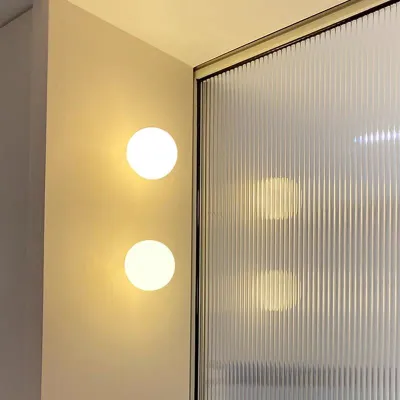
Selecting the right lighting for transitional spaces in your home requires a careful balance between functional illumination and physical space management. In Singapore’s Housing & Development Board (HDB) flats, where corridors and internal hallways are often compact and narrow, this decision becomes even more critical. The best glass wall lights for narrow HDB corridors are low-profile, flush-mount fixtures that utilize diffused glass finishes—such as frosted, opal, or ribbed glass—combined with directional up-and-down light distribution. These design characteristics work together to eliminate harsh glare, prevent physical obstruction, and visually expand the corridor by washing the walls with soft, vertical light.
A well-planned lighting scheme does more than just guide your steps at night; it actively shapes how you perceive the dimensions of your home. Standard HDB layouts often feature central corridors that link the living room to the bedrooms and bathrooms. Because these areas rarely receive direct natural light, they can easily feel dark, cramped, and purely utilitarian. By replacing a basic ceiling fixture with strategically placed glass wall lights, you can transform a dim corridor into an elegant, inviting passage that feels spacious and seamlessly integrated into your home’s overall design aesthetic.
Understanding Your Corridor Space: Internal Hallways vs. Common Corridors
Before purchasing any lighting fixtures, it is essential to distinguish between the internal hallways inside your HDB flat and the shared common corridors outside your main door. These two spaces serve entirely different functions and are subject to different regulatory frameworks. Understanding these distinctions prevents costly installation mistakes and ensures your home remains compliant with local housing and safety standards.
Products mentioned in this guide
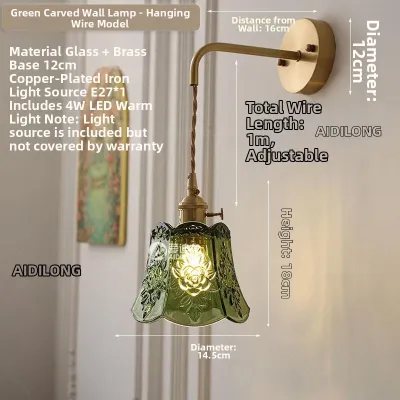
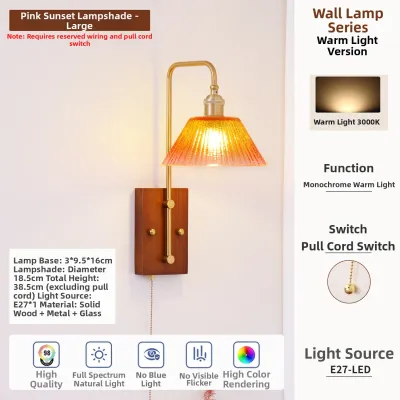
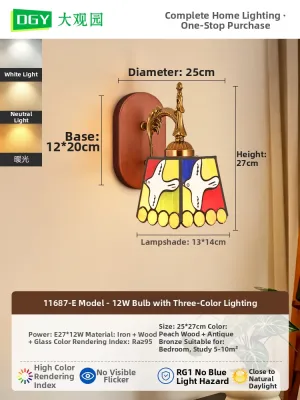
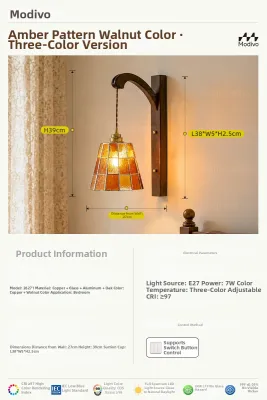

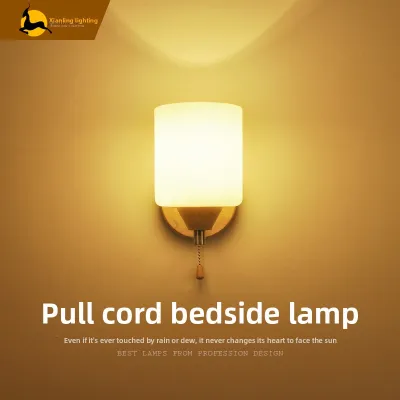
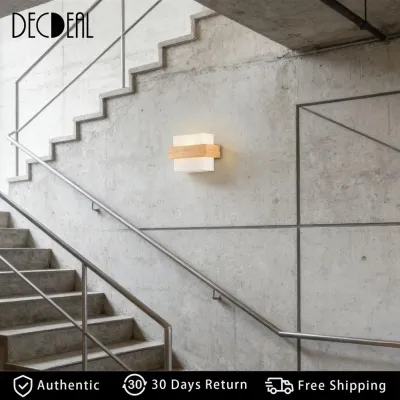
Prices are valid at publication and may change. Please refer to the product page for the latest price.
Internal hallways are your private transit spaces. Within the boundaries of your flat, you have full creative control over the interior design, lighting placement, and aesthetic style. The primary objectives here are maximizing visual space, preventing physical obstruction in high-traffic zones, and establishing a smooth aesthetic transition between the public living areas and private bedrooms. Because these hallways are narrow, every centimeter of wall clearance matters, making fixture depth a primary design consideration.
In contrast, the common corridor outside your main door is a shared public area managed by your local Town Council. This space is subject to strict fire safety and clearance regulations enforced by the Singapore Civil Defence Force (SCDF). SCDF regulations require a minimum clear escape path of 1.2 meters along common corridors to ensure safe evacuation during emergencies. Protruding light fixtures, shoe cabinets, or decorative items that encroach on this space are strictly prohibited.
Before planning any modifications or installing fixtures near your entrance or along shared walls, you must consult current official HDB and Town Council guidelines. Installing non-compliant fixtures in public corridors can lead to mandatory removal orders and financial penalties. For shared areas, flush-mounted, low-profile utility lights provided by the estate are the standard, and residents should avoid installing personal, protruding glass sconces in these zones.
Key Design Features for Glass Wall Lights in Tight Spaces
Choosing a glass wall light for a narrow corridor requires a deep understanding of physical dimensions, material properties, and optical behavior. A fixture that looks stunning in a spacious showroom may prove impractical, hazardous, or visually uncomfortable when mounted in a tight hallway. To make an informed decision, focus on three critical design features that optimize both safety and visual comfort.

Slim, Flush-Mount, and Low-Profile Designs
In a narrow HDB corridor, physical space is at a premium. Sconces that protrude significantly from the wall pose a constant physical hazard. Family members carrying groceries, laundry baskets, or moving furniture can easily bump into bulkier fixtures, leading to accidental damage or injury. To prevent these issues, prioritize slim, flush-mount, or low-profile designs that hug the wall closely.
Ideally, look for glass wall lights with a maximum projection depth of 10 centimeters or less. These ultra-slim fixtures blend seamlessly into the wall plane, maintaining a clear, unobstructed path for daily movement. Traditional glass sconces with wide decorative arms, extended metal brackets, or large projecting globes should be avoided, as they crowd the physical walkway and visually shrink the corridor, making it feel cramped and cluttered.
Diffused Glass Finishes (Frosted, Opal, and Textured)
The finish of the glass shade plays a massive role in the visual comfort of your corridor. Clear glass wall lights with exposed LED filaments have gained popularity in industrial and modern farmhouse designs. However, in a narrow hallway, these fixtures place the raw, unshielded light source directly at eye level. Walking past an exposed bulb in close quarters causes intense, uncomfortable glare and temporary visual fatigue.
To create a comfortable visual environment, select fixtures with diffused glass finishes, such as frosted, opal, or textured glass. Opal and frosted glass act as natural diffusers, scattering the light evenly across the surface of the shade and hiding the harsh hot spots of the internal LED bulb. Textured glass options, such as ribbed, reeded, or fluted patterns, add a sophisticated touch of architectural detail while softening the light. These finishes ensure the corridor is brightly illuminated without casting harsh shadows or causing glare.
Directional Light Distribution (Up and Down Wash)
The direction in which a fixture projects its light determines how the entire space is perceived. Avoid fixtures that emit light in all directions, as they tend to throw light directly into your eyes when walking down a narrow passage. Instead, choose glass wall lights designed for directional light distribution, specifically those that cast light upward and downward along the wall surface.
An up-and-down light wash draws the eye vertically, creating the illusion of height. Standard HDB flats typically feature a ceiling height of approximately 2.6 meters. By casting light upward toward the ceiling and downward toward the floor, these fixtures make the corridor feel taller and more open. Furthermore, illuminating the wall surface itself allows the wall to act as a giant reflector, bouncing soft, indirect ambient light back into the corridor and visually pushing the walls outward.
Selecting the Right Brightness and Color Temperature
Achieving the perfect lighting scheme in a narrow corridor requires a careful look at technical specifications, specifically brightness levels and color temperatures. Unlike kitchens or study rooms, corridors do not require high-intensity task lighting. Instead, they need sufficient ambient light to ensure safe passage, highlight architectural features, and create a welcoming atmosphere.
When evaluating brightness, focus on lumens rather than wattage. Lumens measure the actual amount of light emitted by a fixture, whereas wattage simply measures energy consumption. For a standard HDB corridor, a brightness level of 300 to 500 lumens per wall light is generally sufficient. This range provides ample illumination for safety without overwhelming the narrow space with excessive brightness.
To achieve a slim profile and long-term energy efficiency, consider integrated LED glass fixtures. These modern lights feature built-in LED chips rather than traditional bulb sockets (like E27 or E14). Because they do not need to accommodate a bulky bulb, manufacturers can design incredibly thin, low-profile fixtures that are perfect for tight hallways. Integrated LEDs also offer exceptional longevity, often lasting up to 25,000 hours or more, minimizing the need for frequent bulb replacements in hard-to-reach wall points.
The choice of color temperature significantly influences the mood and functionality of your corridor. Color temperature is measured in Kelvin (K), and for residential corridors, the decision typically comes down to two options:
- 3000K (Warm White): This temperature emits a soft, golden glow that feels cozy, inviting, and relaxing. It is highly recommended for internal hallways leading to bedrooms and bathrooms, as it provides a gentle transition that helps the body wind down in the evening.
- 4000K (Cool White): This temperature offers a clean, neutral white light that enhances visibility and alertness. It is an excellent choice for corridors near the main entrance, shoe cabinets, or utility zones, where you need clear, crisp lighting to find keys, put on shoes, or perform quick household tasks.
Consider how your chosen glass finish interacts with these color temperatures. For instance, an opal glass shade will beautifully soften a 4000K light, preventing it from feeling sterile or clinical, while a ribbed frosted glass shade can add texture and warmth to a 3000K light source.
Placement, Spacing, and Visual Alignment Strategies
Even the most beautiful glass wall light will fail to perform if it is poorly positioned. Proper placement, spacing, and alignment are the keys to transforming a series of individual light fixtures into a cohesive, balanced lighting system. By following a few standard design principles, you can optimize both the functionality and aesthetic appeal of your corridor.
The standard mounting height for wall sconces is typically around eye level, which is approximately 1.5 meters to 1.8 meters from the finished floor level. In a narrow HDB corridor, mounting the fixtures slightly higher—around 1.7 meters—is often beneficial. This height ensures that the physical light source remains above the direct line of sight for most family members, minimizing any potential glare from the top of the fixture. It also keeps the glass shades safely out of the path of raised elbows, carried items, and active children.
When it comes to spacing, the goal is to provide continuous, even illumination along the length of the corridor without creating dark spots or overcrowding the wall. In a typical HDB hallway, which is often between 3 to 5 meters long, placing fixtures approximately 1.5 to 2 meters apart is a reliable rule of thumb. If your corridor is relatively short, a single, well-centered low-profile glass wall light may be all that is needed to illuminate the space beautifully.
Visual alignment is another powerful tool for creating a sense of order in a narrow layout. Aligning your wall lights with existing architectural features can make the corridor feel highly structured and intentional. For example, try centering a wall light between two bedroom doors, or aligning it with a console table, a piece of wall art, or an architectural niche. This alignment draws the eye to key focal points, distracting from the narrowness of the passage and creating a harmonious, balanced environment.
Installation, Safety, and Maintenance
Installing and maintaining your glass wall lights correctly is essential for ensuring long-term safety, reliability, and performance. Because lighting installation involves electrical wiring and working with fragile materials, it is important to understand the practical boundaries and safety requirements in Singapore.
For any installation that involves new electrical wiring, extending existing circuits, or relocating wall points, you must hire a Licensed Electrical Worker (LEW) or a qualified electrician registered in Singapore. Handling 230V mains electricity carries significant risks of electrical shock, short circuits, and fire hazards. A professional electrician will ensure that all wiring is safely concealed, properly grounded, and compliant with Singapore Standard SS 638 (the code of practice for electrical installations).
Before purchasing your new glass wall lights, check the dimensions of the fixture’s backplate. If you are replacing older, bulky wall sconces, the existing wall may have plaster scars, discoloration, or exposed junction boxes. Choosing a new fixture with a backplate that is equal to or larger than the old one will save you the time and expense of patching, sanding, and repainting the wall. If the new backplate is smaller, prepare to have a painter or plasterer touch up the area around the new installation.
When installing or maintaining your fixtures, always check the product’s safety label and the manufacturer’s instructions. If the instructions conflict with your existing electrical setup, or if the fixture’s specifications are unclear, stop immediately and consult the manufacturer or a qualified professional electrician.
Maintaining glass wall lights in an enclosed corridor is relatively simple but requires regular attention. Because corridors are high-traffic areas with constant air movement, dust and lint tend to accumulate on glass surfaces more quickly than in other rooms. Over time, a layer of dust can significantly dim the light output and make the fixtures look neglected.
To clean your glass wall lights safely, always begin by switching off the power at the main distribution board (DB box) or the wall switch. Allow the bulbs and glass shades to cool down completely before touching them. For routine maintenance, use a dry, soft microfiber cloth to gently wipe away dust from the glass and metal components.
For deeper cleaning of removable glass shades, carefully detach the glass according to the manufacturer’s instructions. Wash the shades in warm, soapy water using a mild dishwashing liquid, rinse thoroughly, and dry them completely with a lint-free cloth. Ensure the glass is 100% dry before reattaching it to the fixture and restoring power. Always refer to the manufacturer’s specific care instructions before using any damp cloths or cleaning agents on metal finishes, as harsh chemicals can strip away protective lacquers or cause oxidation.
Frequently Asked Questions (FAQ)
Can I install a glass wall light outside my HDB main door?
The common corridor outside your HDB flat is public property managed by your local Town Council, and fire safety is strictly regulated by the Singapore Civil Defence Force (SCDF). You should not install personal light fixtures in the common corridor without prior written approval from the Town Council. SCDF regulations require a minimum clear escape path of 1.2 meters along these corridors to ensure safe evacuation during emergencies. Any protruding fixture can violate these safety requirements. If you receive permission to install a light, it must be highly flush-mounted, weather-resistant (IP-rated if exposed to wind and rain), and compliant with SCDF guidelines. Always consult your Town Council before making any modifications outside your main door.
Are glass wall lights safe for narrow hallways with young children?
Yes, glass wall lights can be entirely safe for narrow hallways with young children if you select the right materials and placement. Avoid thin, fragile glass shades or fixtures with sharp, exposed edges. Instead, opt for fixtures made of thick, tempered glass or durable frosted opal glass that is securely fastened to a heavy-duty metal backplate. Mount the lights slightly higher—around 1.7 to 1.8 meters from the floor—to keep them well out of reach of active children. Additionally, prioritize low-profile, flush-mount designs that do not protrude into the walkway, minimizing the risk of a child bumping into the fixture while playing or carrying toys through the hallway.
Community discussion
Share your experience or ask a question. Comments are reviewed before publication.