
Choosing the best incense for daily home use in Singapore requires balancing aromatic preference with the realities of high-density tropical living. Because many of us live in closely spaced HDB flats or condominiums where air-conditioned rooms are the norm, selecting high-quality, low-smoke incense is essential to maintain comfortable indoor air quality. The ideal daily incense should rely on natural wood powders and plant-based binders rather than cheap synthetic oils and charcoal bases, ensuring a clean burn that does not overwhelm small spaces or leave thick soot on your walls.
To find the perfect match for your home, you must look beyond the initial scent of an unlit stick. High-quality incense brands focus on purity, craftsmanship, and safety, offering a slow, consistent release of fragrance that enhances your living space. By understanding the ingredients, smoke characteristics, and burning styles available in the local market, you can establish a safe and deeply relaxing daily home fragrance ritual.
How to Evaluate Incense for Daily Indoor Use
Selecting an incense for daily use requires a careful look at how the product is manufactured and how it behaves when lit. Unlike occasional-use home fragrances, daily incense has a cumulative effect on your indoor environment, making ingredient quality and smoke behavior your top priorities.
Products mentioned in this guide
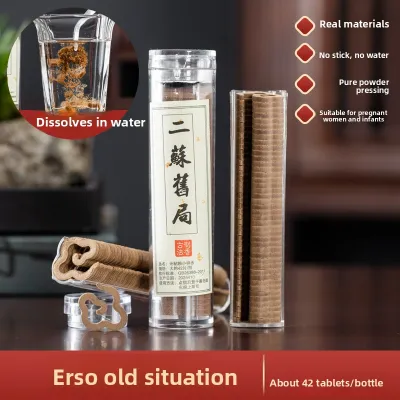
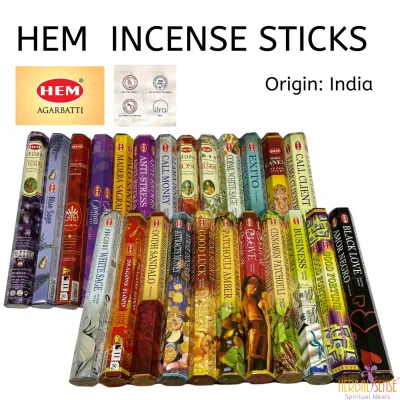
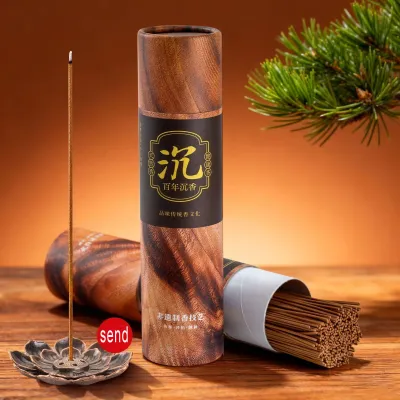
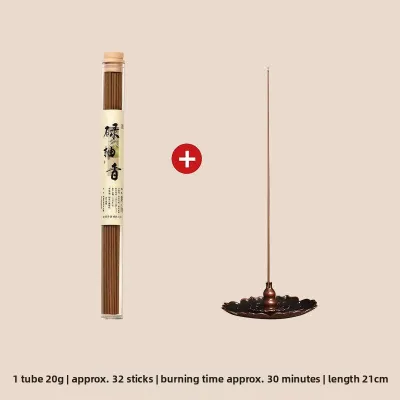
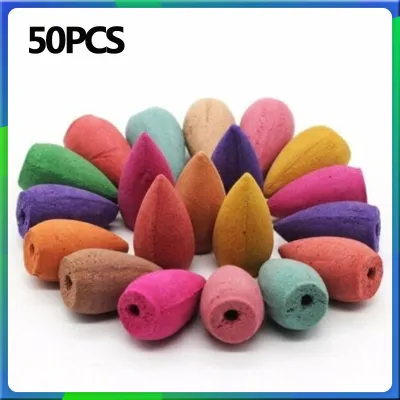
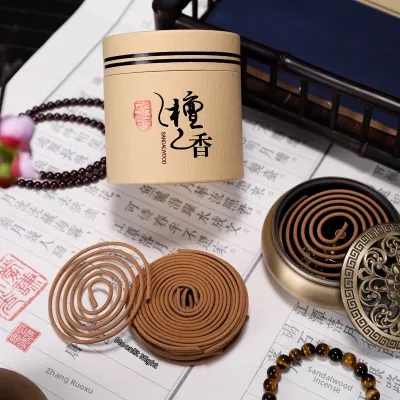
Prices are valid at publication and may change. Please refer to the product page for the latest price.
Ingredient Transparency
When evaluating incense brands, prioritize those that provide clear information about their raw materials. High-quality incense is typically made from ground natural woods, such as sandalwood or agarwood, combined with botanical resins, herbs, spices, and natural plant-based binders like makko or tabu shell powder. These natural binders burn cleanly and emit a smooth, woody aroma.
In contrast, mass-produced, budget-friendly incense often relies on charcoal powder or wood sticks dipped in synthetic fragrance oils and chemical solvents. These synthetic ingredients can release volatile organic compounds, phthalates, and heavy soot when burned, which can degrade indoor air quality and cause headaches or respiratory irritation. To protect your home environment, check labels for natural wood powders and essential oils, and avoid products that smell overly harsh or perfume-like before they are even lit.
Smoke Output and Ash Management
In typical Singaporean residential spaces, minimizing smoke is crucial for comfort and cleanliness. High-smoke incense can quickly trigger sensitive smoke detectors, leave a sticky, yellow residue on white walls, and clog the filters of your air-conditioning units. Look for formulations specifically labeled as “low-smoke” or “micro-smoke,” which utilize highly refined charcoal and pure wood powders to minimize visible emissions without compromising the fragrance.
Ash management is another practical consideration for daily use. Incense sticks with a central bamboo core tend to drop ash unpredictably as the wood core burns at a different rate than the outer paste. Solid, coreless incense sticks burn completely to the ground, leaving a neat, straight column of fine ash that is easy to contain within a standard holder. This minimizes cleanup and prevents hot embers from drifting onto your furniture.
Scent Throw and Longevity
Scent throw refers to how far the fragrance travels and how effectively it fills a room. For a small master bedroom or study, a delicate incense with a subtle scent throw is ideal, as it provides a gentle background aroma without overpowering the space. For open-plan living and dining areas, you may require a product with a broader scent throw to ensure the fragrance disperses evenly.
Daily incense sticks typically burn for 20 to 40 minutes, which is generally sufficient to fragrance a room for several hours. The scent longevity—how long the aroma lingers after the stick has finished burning—depends on the quality of the essential oils and wood powders used. High-quality natural ingredients leave a soft, clean trail that can persist for half a day, whereas synthetic fragrances often fade quickly or turn acrid over time.
Burn Consistency
Uniformity in the manufacturing process ensures that your incense burns reliably from start to finish. High-quality extruded or hand-rolled sticks feature a consistent thickness and density, preventing them from extinguishing prematurely or flaring up with excessive heat. Inspect the sticks before purchasing; they should be straight, dry, and free from visible cracks, air pockets, or dampness, which are common signs of poor quality control.
Popular Incense Categories for Singapore Homes
To help you navigate the diverse options available in Singapore, it is helpful to categorize incense by its origin, style, and burning method. Each category offers a distinct sensory experience and is suited to different home environments and daily routines.

Japanese Traditional Incense
Heritage Japanese incense, known as senko, is highly favored for daily indoor use due to its refined, minimalist character and exceptionally clean burn.
- Coreless Construction: Japanese incense sticks are made entirely of compressed incense paste without a wooden or bamboo core. This ensures that you smell only the pure ingredients without any burnt-wood undertones.
- Subtle Fragrance Profiles: These blends typically focus on natural sandalwood (byakudan), aloeswood (jinko), herbal notes, and soft florals like plum blossom. The aroma is designed to be elegant, dry, and non-intrusive.
- Low-Smoke Formulations: Many Japanese brands offer specialized low-smoke varieties, making them highly suitable for air-conditioned HDB flats, condominiums, and smaller meditation spaces.
- Accessibility: Well-established heritage brands are easily found at major department stores in Orchard Road, Japanese specialty retailers, and dedicated home fragrance boutiques across Singapore.
Local Artisanal and Botanical Blends
Singapore’s local home fragrance scene features a growing number of independent makers who craft small-batch, botanical incense tailored to modern tropical living.
- Regional Ingredients: These blends often incorporate Southeast Asian botanicals, such as lemongrass, pandan, patchouli, frangipani, and local jasmine, creating refreshing scent profiles that naturally complement our warm climate.
- Sustainable Sourcing: Local artisans frequently emphasize ethically sourced, plant-based ingredients and biodegradable binders, appealing to environmentally conscious consumers.
- Handcrafted Variations: Because these products are hand-rolled or extruded in small batches, they offer unique, niche fragrances that you will not find in mass-produced lines. However, be sure to check the packaging for specific burn times and ingredient lists, as consistency can vary slightly between batches.
Natural Resins and Wood Chips
For those seeking a deeply traditional, raw, or customizable aromatic experience, burning raw natural resins and wood chips offers an unadulterated connection to nature.
- Raw Materials: This category includes pure frankincense tears, myrrh, copal, palo santo sticks, and raw sandalwood or agarwood chips.
- Specialized Equipment: These raw materials do not burn on their own. They require a heat source, such as quick-lighting charcoal discs placed inside a heat-resistant resin burner, or adjustable electric incense heaters.
- Intense Fragrance and Smoke: Burning raw resins on charcoal produces a highly concentrated aroma and a significant volume of thick smoke. This method is best reserved for spacious, open-concept areas with active ventilation, rather than closed, air-conditioned rooms.
- Electric Heater Alternative: If you wish to enjoy raw wood chips in a smaller space, using an adjustable electric incense heater allows you to gently warm the wood to release its essential oils without combusting the material, virtually eliminating smoke.
Where to Buy Authentic Incense in Singapore
To ensure you are purchasing genuine, high-quality products that are safe for daily use, it is important to source your incense from reputable retail channels.
- Physical Specialty Stores and Department Stores: Visiting physical retail counters in major shopping malls—particularly along Orchard Road or within suburban retail hubs—is highly recommended. This allows you to sample the unlit incense in person, check the packaging for ingredient lists, and speak with knowledgeable staff who can guide you toward low-smoke or specific scent profiles.
- Local Lifestyle Boutiques and Apothecaries: Independent retail spaces in heritage districts such as Chinatown, Kampong Glam, and Tiong Bahru often carry curated selections of small-batch botanical incense and locally crafted brands. These boutiques focus on unique, high-quality products that emphasize sustainability and natural ingredients.
- Official Online Storefronts: When shopping online, always purchase directly from official brand websites or authorized flagship stores on major e-commerce platforms. Be cautious of extremely cheap, unbranded incense sold on open online marketplaces, as these are often synthetic, mass-produced items that lack ingredient transparency. Verify the seller's credentials, look for authorized distributor badges, and read recent customer reviews to confirm authenticity.
Safe Burning Practices and Burner Maintenance
Burning incense involves open embers and heat, making proper safety protocols and regular maintenance essential to protect your home and maintain good indoor air quality.
Placement and Ventilation
Always place your incense burner on a stable, flat, heat-resistant surface such as stone, ceramic, slate, or heavy metal. Keep the burner far away from drafts, open windows with strong breezes, ceiling fans, curtains, hanging fabrics, and any flammable household items.
Proper ventilation is critical, especially in modern, tightly sealed Singaporean apartments. When burning incense in an air-conditioned room, keep a nearby window cracked open by a few centimeters. This small opening allows a continuous exchange of fresh air, preventing the accumulation of fine particulate matter (PM2.5) while still allowing your air conditioner to keep the room cool.
Fire Safety
Never leave burning incense unattended under any circumstances. Ensure that the burner is placed high enough to be completely out of reach of children and curious pets who might accidentally knock it over. Always use an ash catcher or burner tray that is sufficiently long and wide to capture all falling embers, preventing them from scorching your wooden furniture, countertops, or flooring.
Burner Care and Cleaning
Regularly empty cooled ash from your burners to prevent it from spilling over. Over time, incense smoke leaves a sticky, dark residue containing natural oils and tars on the burner surface. For non-porous burners made of brass, glass, or glazed ceramic, wash them periodically with warm water and mild dish soap to remove this buildup.
For porous burners made of unglazed clay, stone, or wood, avoid soaking them in water. Instead, wipe them down gently with a dry or slightly damp microfiber cloth after each use to prevent permanent staining and odor retention.
If you use an electric incense heater, inspect the power cord regularly for any signs of fraying or wear. Ensure that the device is compatible with Singapore’s standard voltage of 230V (50Hz), utilizes a compliant Type G plug, and carries recognized safety certifications, such as the local SAFETY Mark, to prevent electrical hazards.
When to Stop
Discontinue burning incense immediately if you or anyone in your household experiences persistent coughing, watery eyes, throat irritation, or respiratory discomfort. If a ceramic burner develops cracks, or if an electric heater begins to overheat or malfunction, stop using the device immediately and consult the manufacturer or a qualified professional for replacement or repair.
Frequently Asked Questions (FAQ)
Is it safe to burn incense every day in an air-conditioned room?
Yes, it can be safe, provided you take specific precautions to protect your indoor air quality. You should exclusively burn high-quality, natural, low-smoke incense, as synthetic brands release higher levels of harmful particulates and volatile organic compounds. Keep a window cracked open slightly to maintain adequate air exchange, and consider running an air purifier equipped with a True HEPA filter and an activated carbon filter to capture any airborne particulates and lingering smoke.
How do I dispose of incense ash safely?
Always allow the ash and the burner to cool completely before handling them, which typically takes about 30 to 60 minutes after the ember has gone out. Never pour cold water directly onto hot ceramic, glass, or metal burners to speed up the cooling process, as the sudden temperature drop (thermal shock) can crack ceramic or warp metal. Once the ash is cold to the touch, gently empty it into a dedicated, non-combustible waste bin or wrap it securely in a small piece of damp paper towel before placing it in your household trash.
Can I use essential oil diffusers instead of traditional incense?
Yes, essential oil diffusers are an excellent, completely smoke-free alternative to traditional incense. Ultrasonic diffusers disperse a cool mist of water and essential oils into the air, making them highly suitable for households with infants, pets, or individuals with asthma or severe respiratory sensitivities. While diffusers offer a bright, fresh, and humid scent profile, traditional incense provides a dry, warm, deeply resinous, and grounding ambiance; choosing between them depends on your personal sensory preferences and health considerations.
Community discussion
Share your experience or ask a question. Comments are reviewed before publication.