
Selecting the right incense paper burner for home use in Singapore requires balancing traditional practices with the practical realities of modern high-density living. The most effective burner is one that matches your housing type—whether an HDB flat, a condominium, or a landed property—while prioritizing ash containment, heat insulation, and proper ventilation. Choosing a model with an enclosed design, robust safety features, and appropriate capacity ensures you can observe cultural traditions safely without causing smoke or ash nuisances to your neighbours.
Traditional open-top metal bins are increasingly impractical and hazardous in built-up residential estates. Flying ash can easily drift into nearby windows, and uncontained embers pose a direct fire risk in breezy corridors or balconies. By understanding the key materials, safety features, and operational requirements of modern home incinerators, you can make an informed purchase that protects both your property and community harmony.
Why Space and Fire Safety Dictate Your Burner Choice in Singapore
High-density residential living in Singapore shapes how residents approach traditional burning practices. In Housing & Development Board (HDB) estates and private condominium complexes, units are positioned in close proximity, sharing common corridors, air wells, and structural facades. This architectural layout means that any smoke, soot, or flying ash generated on a private balcony or utility yard can quickly infiltrate neighbouring homes, leading to air quality issues, soiled laundry, and friction between residents. Consequently, the choice of an incense paper burner is no longer just a matter of personal preference, but a critical decision affecting community living.
Products mentioned in this guide
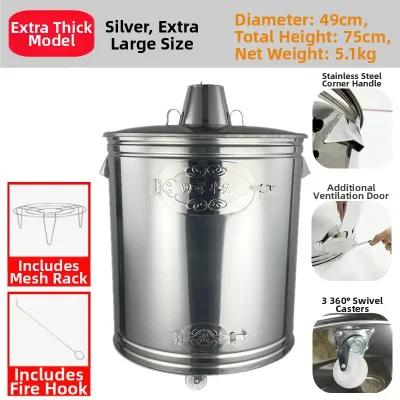
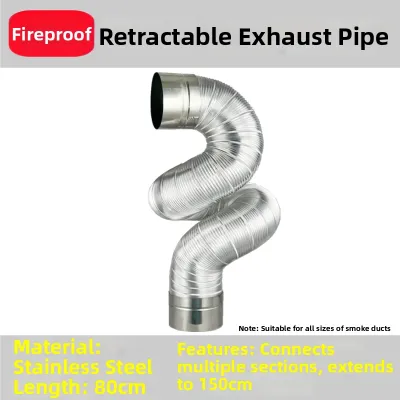
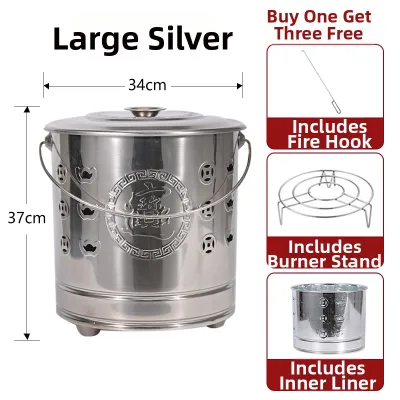
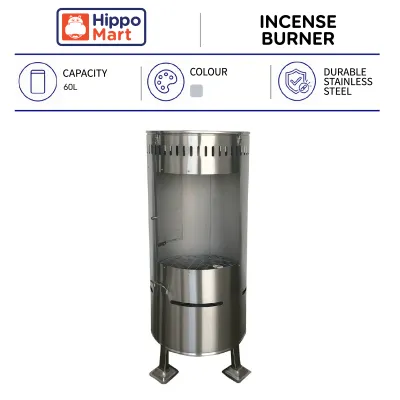
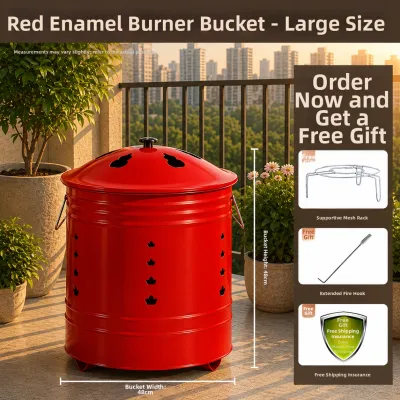
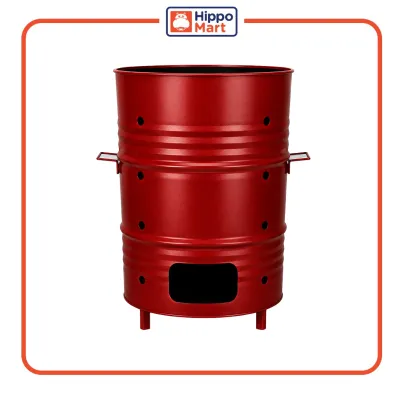
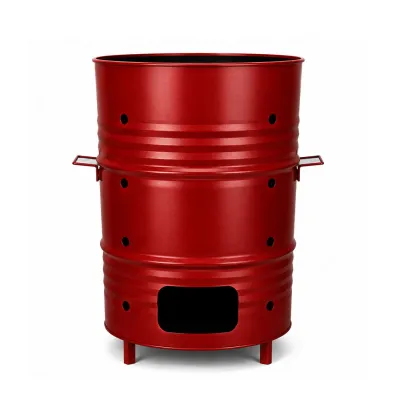
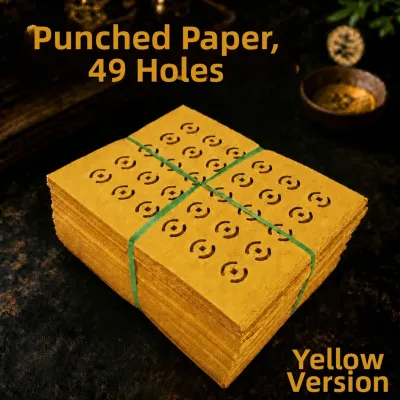
Prices are valid at publication and may change. Please refer to the product page for the latest price.
Fire safety is another paramount concern that limits the use of traditional burning methods. The Singapore Civil Defence Force (SCDF) frequently issues fire safety advisories during peak festive seasons, reminding the public of the dangers associated with unattended open flames and flying embers. Strong drafts on high floors can easily carry glowing paper fragments onto dry leaves, corridor decorations, or open windows, creating an immediate fire hazard. Standard open-top metal drums offer zero protection against these wind currents, making them highly unsuitable for high-rise balconies or semi-enclosed utility spaces.
To address these challenges, there has been a significant shift toward enclosed, anti-ash, and eco-friendly joss paper burners. These modern designs replace the open-top urn with structured, ventilated chambers that restrict the escape of ash and embers while maintaining the high temperatures needed for complete combustion. By using a burner specifically engineered to control airflow and trap particles, you minimize the risk of accidental fires and dramatically reduce the volume of visible smoke released into the immediate environment.
Ultimately, safety and ash containment are the primary decision drivers for Singaporean buyers today. While aesthetic appeal and adherence to traditional designs remain relevant, they must be secondary to practical safety features. A well-designed burner allows you to perform religious observances with peace of mind, knowing that you are complying with local safety expectations and respecting the shared living spaces of your residential community.
Key Features to Evaluate Before Buying a Home Incinerator
When evaluating different incense paper burners, the choice of material directly impacts the product’s durability, safety, and long-term performance. Stainless steel (particularly high-grade 304 or 430 stainless steel) is highly recommended for its excellent rust resistance and ability to withstand high combustion temperatures without warping. Galvanized iron is a more budget-friendly alternative, but it is prone to rusting over time when exposed to outdoor humidity and acidic ash residue. Some premium models feature ceramic-lined interiors, which offer superior heat retention and protect the outer metal shell from becoming dangerously hot during use.

Ash containment systems are the most critical safety feature to look for in a modern burner. A high-quality home incinerator should feature a secure latching lid, fine wire mesh screens over ventilation openings, and internal baffle plates. These components work together to create a labyrinth path for the exhaust air, allowing smoke to escape while trapping heavy ash particles and glowing embers inside the chamber. This is particularly important for high-rise homes where wind speeds can be unpredictable and strong enough to lift ash out of standard containers.
Matching the burner’s internal capacity to your typical burning volume is essential for efficient and safe operation. If you regularly burn large quantities of joss paper during major festivals, a tiny burner will force you to feed the paper in small, tedious batches, which can lead to incomplete combustion and excessive smoke. Conversely, an oversized burner can take up valuable floor space on a small HDB balcony or utility yard. You must measure your available outdoor floor space and choose a burner footprint that allows for safe clearance from walls and household items.
Base insulation and floor protection are often overlooked but are vital for preventing property damage. The bottom of an active burner can reach temperatures high enough to crack ceramic floor tiles, discolor vinyl flooring, or damage waterproof membranes on balconies. Look for burners designed with elevated legs, double-bottom chambers, or integrated heat shields that raise the hot combustion zone off the ground. Regardless of the burner’s design, you should always place the unit on a separate, certified fireproof mat or a thick concrete slab to ensure complete thermal isolation from your flooring.
Top Incense Paper Burner Picks by Housing Type
To help you find the right model for your specific living situation, we have categorized the top incense paper burner designs available through local religious goods retailers, specialty home stores, and online marketplaces in Singapore. These recommendations focus on structural designs that address the unique spatial and ventilation challenges of different housing types.
Best Enclosed Mini Incinerators for HDB Balconies
For HDB residents with limited balcony space, a compact, fully enclosed eco-burner is the most practical choice. These models typically feature a cylindrical stainless steel body with a tightly sealing dome lid and a built-in heat-resistant mesh screen. The enclosed design is engineered specifically to prevent wind from catching loose paper and blowing embers onto neighbouring floors, making it a highly responsible choice for high-density blocks.
- Design Features: These mini incinerators usually incorporate a secondary combustion chamber or a fine-mesh spark arrestor beneath the lid. They often come with cool-touch handles and a sturdy latching mechanism to keep the lid secure even if the unit is accidentally bumped.
- Pros: Excellent ash containment; compact footprint that fits easily into tight corners; lightweight and easy to store indoors when not in use.
- Cons: Smaller internal capacity requires you to burn paper in smaller, sequential batches; can overheat quickly if overloaded with too much paper at once.
- Ideal User: HDB flat owners who burn small to moderate amounts of joss paper during regular lunar calendar dates and prioritize maximum ash control on high floors.
Best Medium-Capacity Burners for Condo Utility Yards
Condominium utility yards or private enclosed spaces offer slightly more room than standard HDB balconies but still require strict smoke and ash management. A medium-capacity double-walled stainless steel burner is highly suited for this environment. The double-wall construction provides an insulating air gap that keeps the exterior surface cooler, reducing the risk of accidental contact burns in tight utility spaces.
- Design Features: These burners often feature a removable inner burning basket or a pull-out ash drawer at the bottom. This design separates the burning fuel from the accumulated ash, ensuring a steady supply of oxygen from the bottom vents for cleaner, faster burning.
- Pros: Easier and cleaner ash removal; superior heat dissipation due to the double-walled design; stable tripod legs that prevent tipping on slightly uneven surfaces.
- Cons: Moderately heavy and bulky to move; requires a larger storage footprint in your utility yard or balcony.
- Ideal User: Condominium residents who require a durable, medium-sized burner with efficient ventilation and easy-to-clean features for frequent spiritual observances.
Best Traditional Freestanding Burners for Landed Properties
Residents of landed properties with private driveways, front yards, or spacious outdoor patios have the flexibility to use larger, heavy-duty freestanding burners. These units are designed to handle high volumes of incense paper and are built to withstand long-term exposure to outdoor weather conditions.
- Design Features: Constructed from thick-gauge galvanized steel or heavy stainless steel, these burners feature large front-loading access doors, wide stable bases, and protective rain-shield caps on top. They often include internal grates to support heavy bundles of paper and ensure optimal airflow from beneath.
- Pros: Very high burning capacity; highly durable and stable against strong outdoor winds; weather-resistant coatings allow for permanent outdoor placement.
- Cons: Unsuitable for high-rise balconies due to their size, weight, and high heat output; generates more heat and smoke due to the larger volume of fuel burned.
- Ideal User: Landed property owners who burn large quantities of joss paper during major festivals and have dedicated, open-air outdoor spaces away from structural walls.
Safe Operation, Fire Prevention, and Ash Cleanup
Operating any incense paper burner safely requires strict adherence to fire prevention protocols and clean-up practices. Before lighting any paper, you must conduct a thorough pre-burning check of your immediate environment. Clear a safety zone of at least one to two metres around the burner, removing all combustible items such as potted plants, laundry, outdoor furniture, and plastic storage boxes. Check the wind direction to ensure smoke will not blow directly into your home or your neighbours’ open windows. Always place the burner on a stable, flat, non-combustible surface, and never operate it directly on bare wood, vinyl, or unshielded ceramic tiles without a certified fireproof mat.
During the burning process, active supervision is your most important safety tool. Never leave an active burner unattended, even for a few minutes. Keep children and pets at a safe distance to prevent accidental contact with the hot metal exterior. Feed the joss paper into the burner gradually rather than stuffing the chamber full; overloading restricts airflow, which leads to incomplete combustion, excessive black smoke, and a higher risk of flare-ups when the lid is opened. You must strictly avoid using chemical accelerants, such as lighter fluid, kerosene, or petrol, to start or speed up the fire. These substances can cause explosive gas buildup inside enclosed burners, leading to sudden flare-ups that can cause severe burns or damage the burner’s structure.
Once you have finished burning, you must ensure the fire is completely extinguished before moving or storing the burner. Do not pour cold water directly into a hot metal burner to put out the embers. The sudden, extreme temperature drop (thermal shock) can warp the metal, crack protective ceramic linings, or weaken welded joints. Instead, allow the burner to cool down naturally. If you must extinguish the embers quickly, use dry sand to smother the flames safely. Once the metal is cool to the touch, you can spray a fine mist of water over the remaining ash to ensure no hidden embers remain active.
Proper ash disposal and regular maintenance will extend the lifespan of your burner and keep it operating safely. Once the ash is completely cold, carefully sweep or scoop it into a sturdy plastic trash bag, seal it tightly, and dispose of it in the designated waste chutes or bin centres. Avoid dumping loose ash directly into rubbish bins, as wind can scatter it. To maintain the burner, use a stiff brush to remove stubborn soot and carbon buildup from the ventilation holes and mesh screens. Keeping these openings clear ensures proper airflow for future uses and prevents the accumulation of acidic residues that accelerate rust and degrade the metal.
Frequently Asked Questions (FAQ)
Are there specific HDB rules regarding burning joss paper on balconies?
While there is no single national law that explicitly bans the burning of joss paper on private HDB balconies, the practice is tightly governed by community nuisance and fire safety regulations. Residents are legally obligated to ensure that their activities do not cause a smoke, ash, or odour nuisance to their neighbours, nor should they create fire hazards in shared spaces. HDB Town Councils strongly encourage residents to use the large, communal eco-friendly burning bins provided at the ground floor of HDB estates, especially during major festival periods. If you choose to burn on your private balcony, you must use a fully enclosed, anti-ash burner, keep the burning volume minimal, and ensure that no smoke or ash escapes to affect surrounding units.
Can I use an indoor electric incense burner instead of burning paper?
It is important to distinguish between traditional joss paper burners and indoor electric incense warmers. Electric incense burners are designed strictly for indoor fragrance and meditation, utilizing low-wattage heating elements to gently heat incense powders, wood chips, cones, or essential oils without an open flame. They do not have the combustion capacity, airflow, or physical space to burn paper or cardboard joss offerings. Attempting to burn paper inside an electric incense warmer will damage the appliance, ruin the heating element, and create a severe indoor fire and smoke hazard. For indoor spiritual practices, electric burners can serve as a smokeless, fire-safe alternative for burning incense sticks or cones, but they cannot replace outdoor or semi-outdoor incinerators for burning joss paper.
Community discussion
Share your experience or ask a question. Comments are reviewed before publication.