
Finding the right incense stick for daily home use in Singapore requires balancing aromatic preferences with the practical realities of modern apartment living. In compact, high-density housing where air conditioning is frequently used, selecting a high-quality incense stick is essential for maintaining a pleasant atmosphere without compromising indoor air quality. The ideal daily incense should deliver a clean, subtle fragrance that disperses easily, leaving no heavy residue or overwhelming smoke in your living space.
To help you navigate the diverse options available, this guide outlines the key criteria for evaluating incense sticks in tropical, high-rise environments. We also highlight reputable Japanese, local, and wellness-focused brands that are highly suited for daily use in Singaporean homes, along with essential safety and shopping tips.
How to Evaluate an Incense Stick for Singapore Apartments
Living in a typical Housing & Development Board (HDB) flat or private condominium presents unique spatial and environmental conditions. Unlike open-air landed properties, apartment units often feature enclosed layouts that can trap airborne particles. Understanding how different incense characteristics interact with these spaces is the first step toward a safe and pleasant daily aromatic ritual.
Products mentioned in this guide
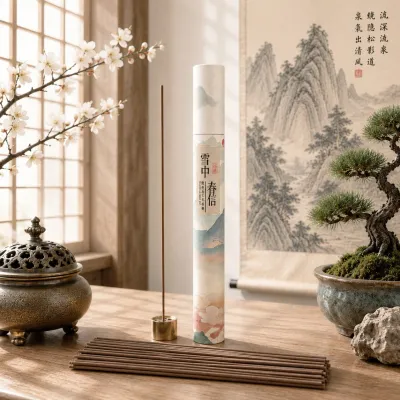
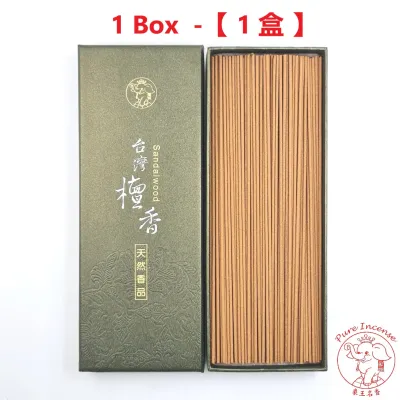
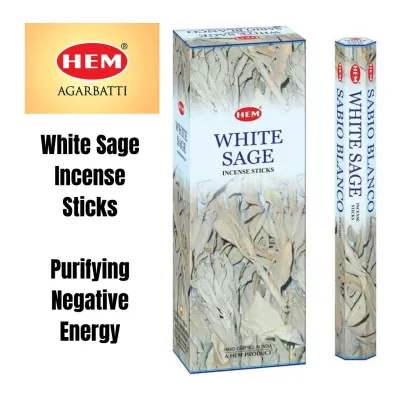
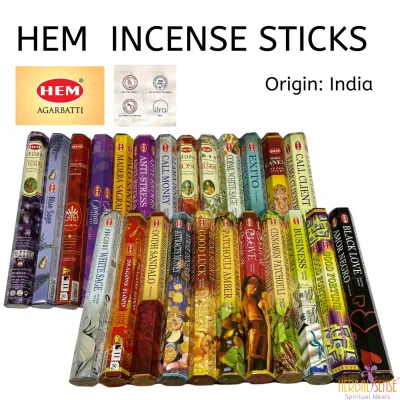
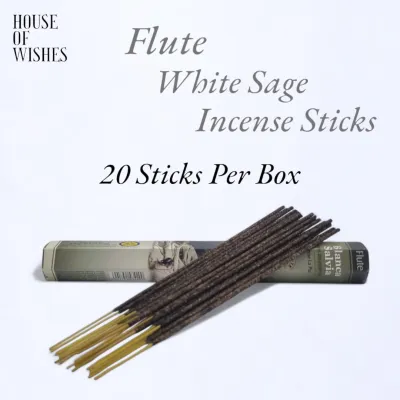
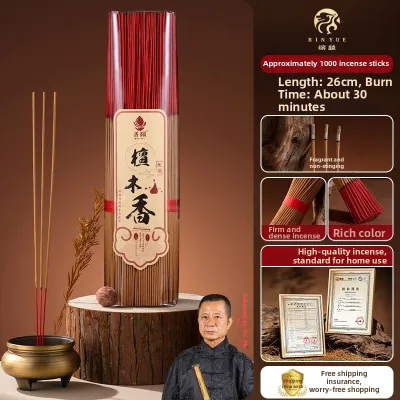
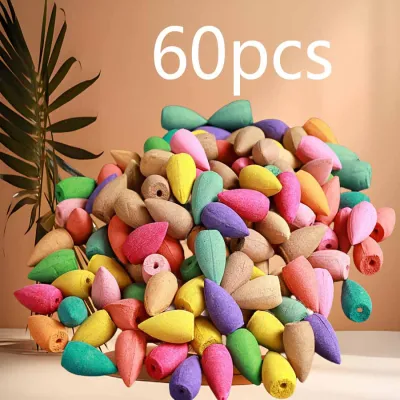
Prices are valid at publication and may change. Please refer to the product page for the latest price.
Smoke volume is arguably the most critical factor to consider when burning incense daily in an apartment. Traditional incense can produce a significant amount of smoke, which quickly fills a small room and can trigger sensitive smoke detectors or leave a yellow, sticky residue on walls, ceilings, and air-conditioning filters over time. For daily use, low-smoke or “smokeless” formulations are highly preferable. These sticks are engineered to undergo more complete combustion, releasing the aromatic compounds of the ingredients while minimizing visible smoke and soot.
Scent throw—the distance and intensity with which a fragrance travels—must also be calibrated for smaller spaces. An incense stick with an aggressive, highly concentrated scent throw can easily cause olfactory fatigue, headaches, or respiratory discomfort in a compact study or bedroom. For daily background ambiance, look for brands that offer a gentle, lingering scent throw. The fragrance should exist as a subtle background note rather than an intense, heavy perfume that dominates the entire household.
Evaluating the core material of the stick is another essential step in determining its suitability for indoor use. Incense sticks generally fall into two structural categories:
- Bamboo-Core Sticks: These feature a central sliver of bamboo coated in incense paste. When burned, the bamboo core combusts alongside the aromatic mixture, adding a distinct, smoky, burning-wood undertone to the fragrance. This construction inherently produces more smoke and can obscure the purity of the scent.
- Solid Extruded Sticks: Popularized by Japanese and high-end wellness brands, these sticks are made entirely of compressed incense paste with no wooden core. They burn much cleaner, produce significantly less smoke, and deliver a highly accurate representation of the raw ingredients because there is no burning core wood to interfere with the aroma.
Ingredient transparency is paramount for any product burned and inhaled daily. Many mass-market, budget-friendly incense options rely on synthetic fragrance oils, chemical binders, and combustion accelerants like potassium nitrate to ensure an even burn. Daily exposure to synthetic combustion products can irritate the eyes and respiratory tract. Discerning users should prioritize brands that explicitly disclose their ingredients, opting for those made with natural plant-based binders (such as makko powder derived from the bark of the Machilus thunbergii tree), genuine wood powders (like sandalwood and agarwood), natural resins, and pure essential oils.
Brand Categories to Explore for Everyday Use
To establish a sustainable daily routine, it is helpful to categorize the available brands by their manufacturing philosophy and typical product characteristics. This allows you to match the style of incense to your specific lifestyle needs, whether you seek traditional Japanese refinement, local botanical blends, or modern wellness-focused aromatherapy.

Established Japanese Low-Smoke Brands
Japanese incense making (Koh-do) is a centuries-old art form that prioritizes subtlety, purity, and minimal smoke, making these brands exceptionally well-suited for modern Singaporean apartments. These solid-extruded sticks are traditionally crafted without a bamboo core, relying on natural binders and high-quality wood bases.
Nippon Kodo is one of the most accessible and respected Japanese incense manufacturers, with a heritage spanning several centuries. For daily home use, their Ka-fuh series (meaning “the scent of blossoms in the wind”) is highly recommended. Formulated specifically as a low-smoke incense, it utilizes natural ingredients to deliver clean, delicate scents like lavender, white plum, and daphne. Another excellent option is their classic Mainichiko (“Daily Incense”) line, which has been a staple in Japanese households for over a hundred years, offering a comforting, traditional sandalwood profile that is gentle on the senses.
Shoyeido, established in Kyoto in 1705, is renowned for its strict adherence to traditional blending techniques that avoid synthetic oils. Their Daily Incense series, which includes popular blends like Nokiba (“Moss Garden”) and Ky Nishiki (“Kyoto Autumn Leaves”), offers complex, soothing herbal and wood notes. These solid sticks leave a clean, delicate trail of fragrance that disperses beautifully in a typical HDB living room without creating a dense haze.
While Japanese low-smoke incense is highly refined, it does carry some limitations. Premium formulations can be more expensive per stick than mass-market brands, and sourcing authentic boxes in Singapore often requires visiting specialty lifestyle boutiques, Japanese department stores, or verified online importers to ensure proper storage and authenticity.
Local Artisanal and Natural Brands
In recent years, Singapore’s home fragrance scene has seen a rise in local artisanal makers who formulate products tailored to the humid tropical climate and modern aesthetic preferences of local residents.
The Ritual Co. is a prominent Singapore-based artisanal brand that focuses on hand-rolled, natural incense sticks. They emphasize botanical purity, utilizing raw wood powders, dried herbs, and flowers rather than synthetic perfume oils. Their creations are designed to support mindfulness, meditation, or daily winding-down routines. Because they are handcrafted locally in small batches, they offer high ingredient transparency and a unique, rustic aesthetic that complements contemporary home interiors.
When exploring local or regional artisanal brands, always verify the use of natural binders like makko powder or tabu-no-ki bark. Avoid brands that do not disclose their ingredients or those that use chemical accelerants to keep the stick lit. Natural, hand-rolled incense may burn slightly more unevenly than machine-extruded sticks, but this is a minor trade-off for a clean, chemical-free burn.
These artisanal brands are typically found in local design markets, independent lifestyle boutiques in creative hubs like Tiong Bahru or Joo Chiat, or directly through their dedicated e-commerce storefronts.
Wellness and Aromatherapy-Focused Brands
These brands bridge the gap between traditional incense craftsmanship and modern aromatherapy, selecting botanical ingredients specifically for their therapeutic benefits on the nervous system and overall well-being.
Aesop offers a highly refined range of Aromatique Incense Sticks, including profiles like Sarashina, Murasaki, and Kagerou. Developed in collaboration with a prominent Japanese incense manufacturer, these solid, coreless sticks combine traditional manufacturing expertise with Aesop’s signature complex, herbaceous, and woody scent profiles. They are ideal for creating a sophisticated, calming atmosphere after a long workday.
Subtle Bodies is an independent brand that sources single-origin, raw wood materials from sustainable forestry operations globally. Their incense sticks contain only two ingredients: ground raw wood (such as Australian Sandalwood or Hinoki Cypress) and a natural plant-based binder. This absolute simplicity ensures that what you inhale is purely the natural, unadulterated wood vapor, making it exceptionally clean and pleasant for daily wellness practices.
When purchasing wellness incense, ensure the product description explicitly states the use of pure essential oils or raw botanical powders. Synthetic fragrance oils mimic natural scents but lack the therapeutic volatile compounds that interact with the olfactory system to promote relaxation or mental clarity.
Quick Comparison: Matching Brand Types to Your Space
To help you quickly identify the best option for your living situation, the table below summarizes the general characteristics of the three primary brand categories.
| Brand Category | Typical Smoke Level | Scent Profile | Best Room Size | Ideal Daily Use Case |
|---|---|---|---|---|
| Established Japanese Low-Smoke Brands | Extremely Low | Subtle, woody, clean, and delicate | Small to Medium Rooms (e.g., bedrooms, study rooms) | Daily meditation, reading, background ambiance |
| Local Artisanal and Natural Brands | Low to Moderate | Earthy, botanical, herbal, and rustic | Medium Rooms (e.g., standard HDB living rooms) | Evening wind-down, mindfulness, yoga practice |
| Wellness & Aromatherapy Brands | Low | Complex, therapeutic, herbaceous, and woody | Medium to Large Rooms (e.g., open-plan living areas) | Stress relief, transition from work to home, sleep prep |
Because scent perception is highly subjective and heavily influenced by individual room acoustics, humidity, and airflow, it is highly recommended to start with sampler packs or trial sizes. Many established brands offer multi-scent discovery kits. Burning a single trial stick allows you to observe how the fragrance interacts with your specific home environment and ventilation setup before investing in a full box.
Where to Shop and Safe Burning Practices
Sourcing high-quality incense in Singapore can be done through physical and digital channels, but safety must remain the top priority when introducing any burning element into your home.
Shopping Channels in Singapore
For premium Japanese brands, physical exploration is highly rewarding. Specialty Japanese lifestyle stores, select department stores along Orchard Road, and dedicated aromatherapy boutiques offer the opportunity to smell unlit sticks before purchasing. Local and wellness brands are often carried by independent lifestyle shops in creative hubs like Kampong Glam or Tiong Bahru.
When purchasing online via major e-commerce platforms or online marketplaces, exercise caution. To avoid counterfeit products or stale, improperly stored incense—which can lose its aroma or absorb excess tropical humidity—always verify the seller’s credentials, read customer reviews, and prioritize official brand storefronts or authorized distributors.
Burner Selection and Ash Management
Solid extruded incense sticks (like Japanese or wellness styles) burn completely down to the base, leaving no unburned wood core. The resulting ash is incredibly fine, light, and fragile. Standard narrow ash catchers designed for bamboo-core sticks are often inadequate, as a slight draft can easily scatter this fine ash onto your furniture.
Opt for wide ceramic, brass, or stone incense bowls filled with natural ash or sand. This setup allows you to stand the solid sticks upright or lay them flat on a bed of non-combustible material, safely containing all residue and preventing accidental spills.
Ventilation and Air Quality in Tropical Spaces
Singapore’s tropical climate means many homes are sealed to run air conditioning. Burning any incense in a completely closed, air-conditioned room will cause particulate matter to accumulate rapidly, degrading indoor air quality.
Always practice active ventilation: crack open a window slightly to establish a gentle cross-breeze, allowing fresh air to enter and smoke to escape. Alternatively, run an air purifier equipped with a True HEPA and activated carbon filter in the same room—placed away from the direct path of the burning stick—to capture airborne particulates and volatile organic compounds without stripping away the pleasant aroma.
Fire Safety and Structural Precautions
Before burning any incense, always read the product’s packaging labels and the manufacturer’s safety instructions. If instructions conflict or are unclear, consult the manufacturer directly.
Place your incense burner on a sturdy, level, and heat-resistant surface, such as stone, ceramic, or thick metal. Never place it directly on polished wood, plastic, or delicate fabrics. Keep the burning stick away from active drafts, open windows with billowing curtains, air conditioner vents, and ceiling fans, which can accelerate the burn rate or blow embers onto flammable materials. Finally, ensure the burner is positioned completely out of reach of children and pets, and never leave a burning incense stick unattended.
Frequently Asked Questions (FAQ)
How long should I burn an incense stick in a closed HDB room?
In a typical enclosed HDB bedroom or study room (roughly 9 to 12 square meters), you should not burn a full-length incense stick with the door and windows completely shut. Instead, burn a short-stick format (which typically lasts 15 to 20 minutes) or gently extinguish a standard stick halfway through. For optimal air quality and comfort, always keep the door slightly ajar or crack open a window to allow minimal air exchange. This prevents the concentration of smoke from triggering olfactory fatigue or respiratory irritation while still allowing the delicate aromatic notes to settle comfortably in the room.
Are bamboo-core incense sticks safe for daily indoor use?
Yes, bamboo-core incense sticks are safe for indoor use, provided they are sourced from reputable brands that use natural ingredients and are burned in well-ventilated spaces. However, because the bamboo core itself combusts alongside the incense paste, it inherently produces a higher volume of smoke and a distinct burning wood odor. For daily use in compact Singaporean apartments—especially in rooms where windows cannot be left wide open—solid, extruded (coreless) incense sticks are highly recommended. They burn cleaner, produce significantly less particulate matter, and deliver a much purer fragrance profile without the smoky undertone of burning bamboo wood.
Community discussion
Share your experience or ask a question. Comments are reviewed before publication.