
Choosing the right indian prayer lamp (deepam or diya) for your daily home puja in Singapore requires balancing traditional ritual authenticity with the practical realities of modern high-rise living. Whether you reside in a cozy Housing & Development Board (HDB) flat or a private condominium, your choice of prayer lamp affects not only the spiritual atmosphere of your home but also its safety, air quality, and maintenance routine. The ideal prayer lamp serves as a sacred focal point while seamlessly fitting into your specific living space, complying with local safety standards, and resisting the tropical climate.
For daily worship, the best option depends on your household’s daily routine, altar size, and ventilation. Traditional brass or panchaloha (five-metal alloy) diyas remain the gold standard for those who prioritize authentic oil or ghee rituals and have the time for daily cleaning. Conversely, modern electric or LED prayer lamps offer a highly practical, flameless alternative for busy families, homes with sensitive smoke detectors, or setups where an open flame cannot be constantly monitored. For homes looking to optimize limited altar surface area, hanging or wall-mounted temple lamps provide an elegant, space-saving solution that keeps the sacred flame elevated and secure.
Key Selection Criteria for Singapore Homes
Selecting a prayer lamp for a Singapore residence involves several unique environmental and structural considerations that go beyond purely aesthetic preferences. Modern apartments feature specific layouts, safety devices, and climate conditions that directly influence how a prayer lamp performs over time. By assessing these practical factors before making a purchase, you can ensure that your daily puja remains both spiritually fulfilling and entirely safe.
Products mentioned in this guide
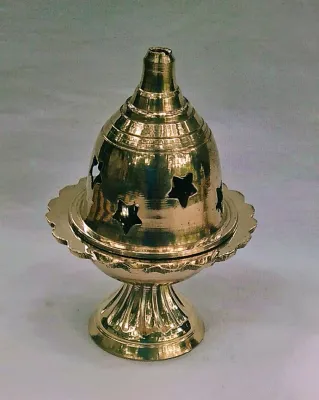
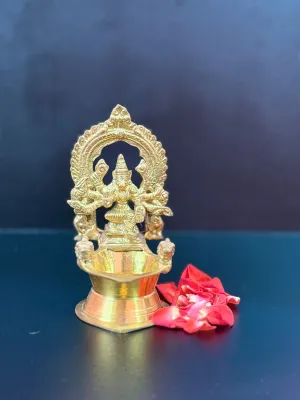
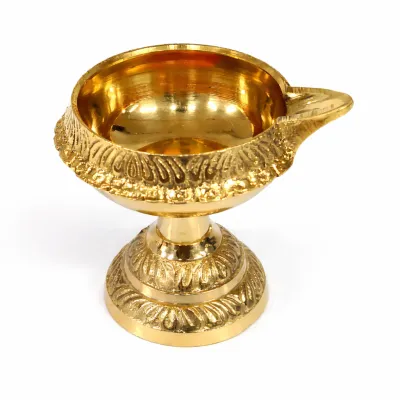
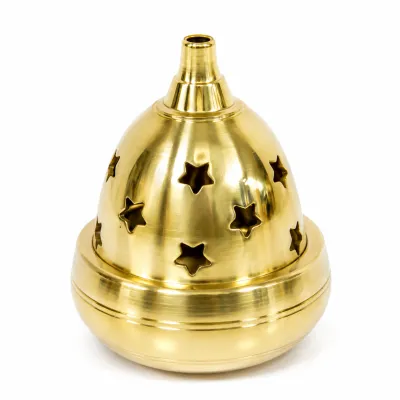
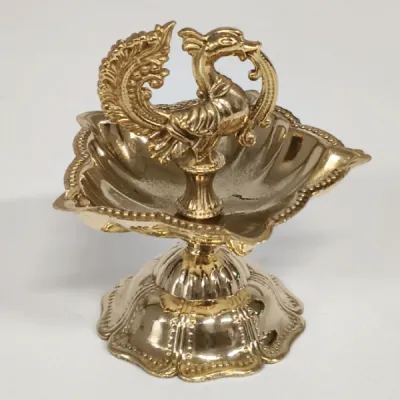
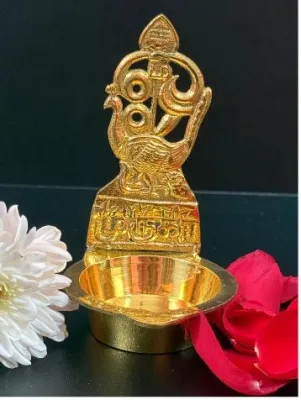
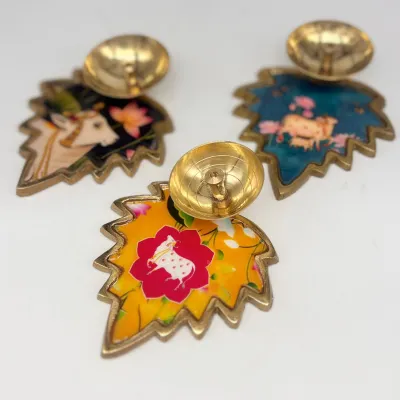
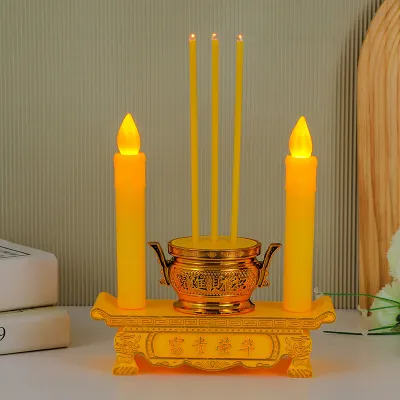
Prices are valid at publication and may change. Please refer to the product page for the latest price.
Space and Altar Constraints Most urban homes in Singapore utilize compact, dedicated puja altars or wall-mounted shelves rather than expansive prayer rooms. Before purchasing a lamp, it is essential to measure the exact dimensions of your altar space, taking into account the height, width, and depth of the shelf. Overcrowding an altar with oversized lamps can create a cluttered appearance and increase the risk of accidental tipping when reaching for other ritual items like incense holders or offering bowls. For smaller altars, a single, well-proportioned central diya or a pair of slim, vertical lamps is often much safer and more visually balanced than multiple wide-base vessels.
Fire Safety and Ventilation Fire safety is a paramount consideration in high-rise apartments, which are equipped with sensitive ceiling-mounted smoke detectors and localized home fire alarm systems (HFAS). Traditional oil or ghee lamps produce heat, smoke, and soot, which can accumulate quickly in enclosed, air-conditioned spaces or trigger sensitive alarms if placed directly beneath a detector. Ensuring adequate ventilation by opening nearby windows or utilizing a small, low-velocity fan can help disperse heat and smoke. Furthermore, maintaining a clear clearance zone around any open flame prevents accidental ignition of nearby textiles, artificial garlands, or wooden frames.
Electrical Compatibility If you opt for electric or LED prayer lamps, you must verify their compatibility with Singapore’s electrical infrastructure. The standard domestic electricity supply in Singapore operates at a voltage of 230V AC with a frequency of 50Hz. Any plug-in appliance must be designed to handle this voltage safely and should ideally feature the local Type G three-pin plug, which is standard across the country. Avoid using uncertified imported lamps with flimsy adapters or incompatible voltage ratings, as these can pose significant electrical hazards, including short circuits and localized electrical fires. Look for products that carry recognized safety certifications, such as the Enterprise Singapore Safety Mark, to ensure they have undergone rigorous testing.
Material Resilience Singapore’s tropical climate is characterized by consistently high relative humidity, which often hovers around 80% to 90% year-round. This moisture-rich environment accelerates the oxidation and tarnishing of untreated metals, particularly brass, copper, and bronze. When selecting a metal prayer lamp, it is important to consider the material’s resilience and the level of maintenance you are willing to commit to. Untreated brass will develop a dark patina quickly if exposed to humid air and moisture, requiring regular polishing to maintain its golden luster. Alternatively, some modern prayer lamps feature protective lacquered finishes that resist tarnishing, though these must never be cleaned with harsh abrasives that could strip the protective layer.
Best Types of Indian Prayer Lamps for Everyday Worship
Different prayer lamp categories serve distinct ritual functions, spatial requirements, and safety profiles. Understanding the unique characteristics of each type allows you to select a lamp that aligns with your daily worship habits, household layout, and maintenance preferences.

Traditional Brass and Panchaloha Diyas (Oil/Ghee)
Traditional metal diyas, crafted from brass or panchaloha (a sacred alloy of five metals: copper, gold, silver, brass, and iron), hold deep spiritual significance in Hindu rituals. The act of lighting an oil or ghee lamp symbolizes the removal of darkness and the awakening of inner light, making these traditional vessels highly favored for daily morning and evening prayers.
- Ritual Authenticity: Brass and panchaloha are culturally preferred materials because they are believed to conduct spiritual energy effectively. The weight, metallic resonance, and classic design of these lamps evoke a traditional temple atmosphere within the home, providing a tangible connection to heritage rituals.
- Operational Best Practices: To ensure a clean and safe burn, select a high-quality cotton wick of appropriate thickness; a wick that is too thick will produce excess smoke and soot, while one that is too thin may drown in the oil. Pure cow's ghee or unrefined sesame (gingelly) oil are the preferred fuels for daily puja, as they burn cleaner and release a pleasant, subtle aroma compared to lower-grade oils. Always ensure the diya features a wide, weighted base that sits completely flat on your altar to eliminate the risk of tipping.
- Limitations and Challenges: Metal diyas require consistent daily maintenance, as oil residue, burnt wick carbon, and soot accumulate rapidly. The smoke produced during long prayer sessions can yellow nearby walls or white ceilings over time, making these lamps less suitable for poorly ventilated corners or rentals where wall damage must be strictly avoided.
Electric and LED Prayer Lamps
For households seeking a flame-free, low-maintenance alternative, electric and LED prayer lamps offer a modern solution that blends convenience with traditional aesthetics. These devices are particularly useful for families with young children, curious pets, or strict residential rules regarding open flames.
- Safety and Convenience: The primary advantage of LED prayer lamps is the complete elimination of fire risk. They do not produce heat, smoke, or soot, making them perfectly safe to leave unattended or to run continuously throughout the day. Many modern electric models feature built-in timers or smart-home compatibility, allowing you to program the lamps to illuminate automatically at sunrise and sunset.
- Aesthetic Selection: To preserve the sacred and serene ambiance of your altar, pay close attention to the light specifications of the LED bulbs. Opt for lamps that emit a warm white light with a color temperature between 2700K and 3000K, which closely replicates the soft, amber glow of a traditional ghee flame. Avoid cool white or daylight bulbs (4000K and above), as their bluish-white light can feel clinical and harsh. Many high-quality LED diyas also feature a gentle flickering effect that realistically mimics the movement of a real flame.
- Power Options and Flexibility: Electric lamps are available in several power configurations to suit your altar setup. Plug-in models are ideal for permanent, daily setups where a power outlet is easily accessible, ensuring a steady, uninterrupted light source. For altars located away from electrical outlets, battery-operated or USB-rechargeable LED lamps offer excellent placement flexibility without the clutter of exposed cords.
Hanging and Wall-Mounted Temple Lamps
Hanging and wall-mounted lamps, such as the traditional Kuthu Vilakku or brass hanging diyas, are excellent structural options for homes looking to maximize vertical space while adding a dramatic, elegant element to their puja room.
- Space Optimization: By suspending lamps from the ceiling or mounting them on wall brackets, you free up valuable surface area on your main altar table. This allows for a clean, uncrowded layout where deity idols, pictures, and daily offerings can be displayed prominently without being obstructed by bulky tabletop lamps.
- Installation Boundaries: Because hanging lamps are suspended loads, they require careful installation to prevent structural failures. Before mounting brackets or ceiling hooks, verify your wall and ceiling materials; solid concrete walls typical of HDB flats provide excellent load-bearing capacity when fitted with appropriate masonry wall plugs, whereas drywall or false ceilings require specialized anchors or must be avoided entirely for heavy brass fixtures. If you choose to install hardwired electric hanging lamps, always isolate the main power supply before beginning work, follow the manufacturer's wiring instructions, and hire a licensed, qualified electrician to ensure compliance with local electrical codes.
- Clearance and Safety Requirements: It is vital to measure the drop length of hanging lamps carefully. Ensure they hang at a height that does not obstruct your physical movement or path through the room. Additionally, maintain a safe clearance distance between the hanging lamp (especially if it uses an open flame) and any surrounding items, such as curtains, artificial flower garlands, or wooden carvings, to prevent heat damage or fire hazards.
Essential Safety and Maintenance for Home Altars
Maintaining a clean, safe, and functional altar environment is an essential part of daily worship. Proper care of your prayer lamps not only extends their lifespan and preserves their beauty but also protects your home and family from preventable hazards.
Brass Cleaning and Humidity Control To keep your brass and panchaloha lamps shining bright in Singapore’s humid climate, establish a gentle, non-abrasive cleaning routine. Avoid harsh chemical cleaners that can strip the metal or damage delicate engravings. Instead, use a mild dishwashing soap and warm water to cut through oily residue, or apply a traditional, natural paste made from tamarind or lemon mixed with a pinch of salt. Gently rub the paste over the tarnished areas, rinse thoroughly with clean water, and—most importantly—dry the metal completely with a soft microfiber cloth immediately after washing. Any lingering water droplets will leave unsightly spots and accelerate oxidation, undoing your polishing efforts.
Electrical Inspections For electric and LED prayer lamps, routine safety inspections are critical to prevent electrical malfunctions. Periodically examine the power cords for any signs of fraying, cracking, or wear, especially near the plug and the lamp base. Ensure that the plugs do not overheat during extended use and that you are not overloading your wall outlets by daisy-chaining multiple extension boards or adapters. If you notice any flickering, buzzing sounds, or a warm smell of heated plastic, disconnect the power immediately and inspect the device.
Fire Safety Boundaries When operating traditional oil or ghee diyas, strict safety boundaries must be maintained at all times. Never leave an open flame unattended; if you must leave the house or go to sleep, ensure the flame is fully extinguished. Keep the lamp situated on a stable, level surface away from drafts, open windows, or air-conditioning vents that could blow the flame. Ensure a safety clearance of at least one meter from flammable materials such as curtains, paper decorations, and dried garlands. Always place your metal or clay diyas on a heat-resistant mat, ceramic tile, or marble slab to protect wooden altar tables from heat transfer and oil stains.
When to Stop and Seek Help Recognizing when a prayer lamp is no longer safe to use is vital for home safety. Discontinue the use of any electric lamp immediately if it emits a burning smell, shows signs of scorched plastic, or has an unstable electrical connection. For heavy hanging brass fixtures, check the ceiling hooks and chains regularly; if you observe any loosening, cracking in the plaster, or sagging in the mount, safely remove the lamp and consult a professional contractor or qualified handyman to secure the fixture before re-hanging it.
Where to Buy Indian Prayer Lamps in Singapore
Finding high-quality, authentic Indian prayer lamps in Singapore is straightforward if you know where to look. Whether you prefer a traditional hands-on shopping experience or the convenience of online browsing, several reliable avenues exist.
Physical Retail Hubs For those who wish to feel the weight and inspect the craftsmanship of brassware in person, the heritage enclave of Little India along Serangoon Road is the premier destination. Specialty shops, religious goods stores, and traditional brassware merchants offer an extensive selection of imported lamps directly from India. Shopping in person allows you to verify the balance of the lamp, check for any structural defects or casting flaws in the metal, and seek advice from experienced shopkeepers who understand the specific ritual uses of each design.
Online Marketplaces If you prefer shopping online, various e-commerce platforms and specialized home decor websites offer a vast array of prayer lamps. When purchasing online, read product descriptions with care, as photos can often make small lamps appear much larger than they are. Check the listed dimensions, weight, and material specifications before making a decision. Always verify seller ratings and read customer reviews to gauge the quality of the item and the reliability of the shipping process. For electric lamps, pay close attention to the listed voltage (ensuring it supports 230V) and the plug type before finalizing your purchase.
Verification Checklist Before using any newly purchased prayer lamp, perform a quick quality and safety check:
- For Metal/Clay Diyas: Inspect the vessel for structural cracks, hairline fractures, or uneven bases that could cause oil leaks or instability.
- For Electric/LED Lamps: Check that the power cord is securely attached, verify that the plug matches your home outlets without requiring loose adapters, and look for recognized safety marks indicating compliance with electrical standards.
- For Hanging Fixtures: Ensure all chains, S-hooks, and mounting brackets are sturdy, complete, and free from rust or weak links.
Frequently Asked Questions (FAQ)
Understanding the practicalities of maintaining a sacred space in an urban apartment helps ensure a harmonious balance between spiritual traditions and modern living conditions.
Can I use traditional oil diyas in an HDB flat?
Yes, you can safely use traditional oil or ghee diyas in an HDB flat, as there are no housing regulations prohibiting personal religious practices involving small open flames. However, you must exercise strict fire safety precautions. Ensure the room is well-ventilated to prevent soot buildup, place the diya on a stable, heat-resistant surface, and keep it away from open windows where sudden drafts could blow the flame toward flammable items. Never leave an open flame unattended, and consider switching to high-quality LED alternatives if you have young children or cannot monitor the flame continuously.
How do I prevent brass prayer lamps from tarnishing in Singapore's humidity?
To protect brass prayer lamps from tarnishing in Singapore’s humid climate, the most critical step is ensuring they are kept completely dry. After washing your lamps with mild soap or natural tamarind paste, dry them immediately with a clean, soft cloth. To create an effective moisture barrier, you can apply a micro-thin layer of natural oil, such as coconut or mustard oil, to the polished metal surface using a soft cloth. For seasonal or spare lamps that are not in daily use, store them in airtight plastic containers or zip-lock bags along with a few silica gel packets to absorb any ambient moisture.
Do electric prayer lamps need a specific bulb color temperature?
While electric prayer lamps will function with any compatible bulb, the color temperature is highly important for creating a respectful, traditional, and calming atmosphere. It is recommended to choose warm white bulbs with a color temperature between 2700K and 3000K, which beautifully replicates the soft, golden glow of a traditional oil flame. Avoid cool white or daylight bulbs (4000K and above), as their bright, bluish-white light can feel clinical and harsh, which detracts from the warm, sacred ambiance of your home altar.
Community discussion
Share your experience or ask a question. Comments are reviewed before publication.