
Choosing the right indoor wall lights for your corridor is one of the most effective ways to transform a dark, narrow hallway into a warm and welcoming pathway. In typical Singapore home layouts, corridors are often treated as mere transitions, yet they hold immense potential to influence the overall flow and spaciousness of your living space. Selecting fixtures with a slim profile, proper glare control, and appropriate colour temperatures ensures your hallway is both highly functional and visually appealing.
Understanding Corridor Lighting Needs in Singapore Homes
Corridors in Singapore apartments, particularly within Housing & Development Board (HDB) flats and private condominiums, present unique spatial challenges. These transitional zones are typically long, narrow, and entirely windowless, relying solely on artificial light to overcome a perpetual lack of natural illumination. A standard residential corridor in these layouts often measures between 1.0 and 1.2 metres in width. Because space is at a premium, bulky or poorly positioned light fixtures can make the area feel cramped, clinical, or cave-like.
Designing the lighting for these pathways requires balancing safe navigation with aesthetic enhancement. From a practical standpoint, the corridor must be bright enough to prevent trip hazards, especially during late-night trips to the bathroom or kitchen, without causing immediate eye strain. Aesthetically, strategic lighting can visually expand a narrow hallway. By casting light across the walls or ceiling, you draw the eye outward and upward, effectively breaking the monotonous “tunnel” effect common in deep apartment layouts.
Products mentioned in this guide
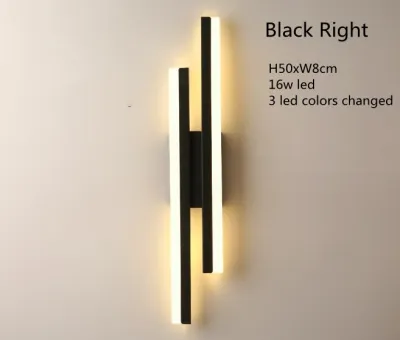
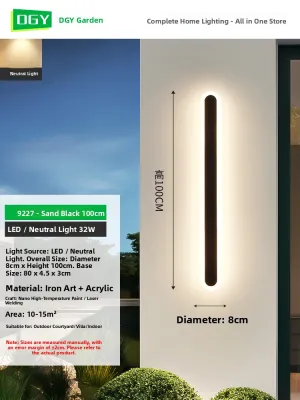
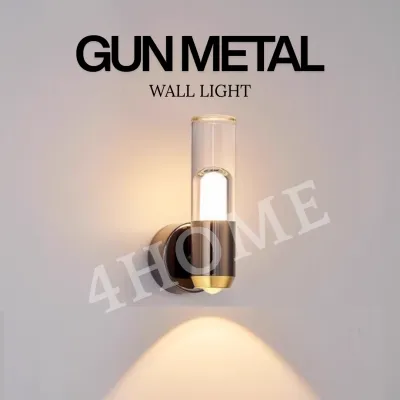
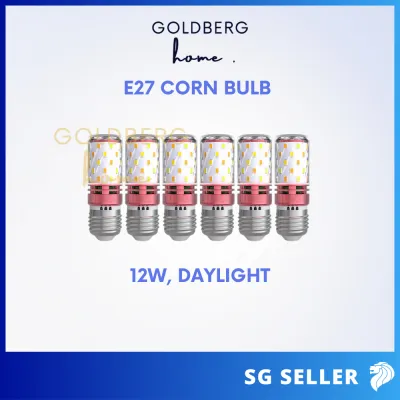
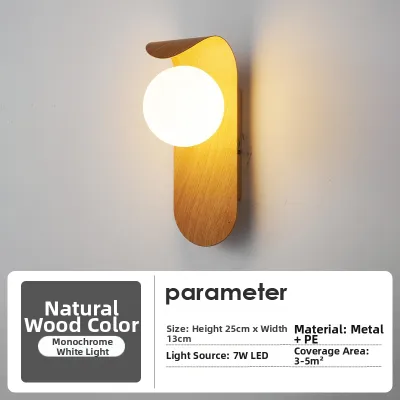
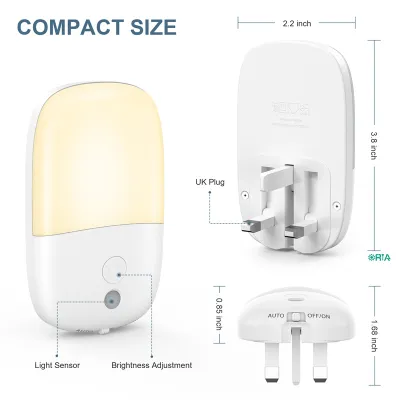
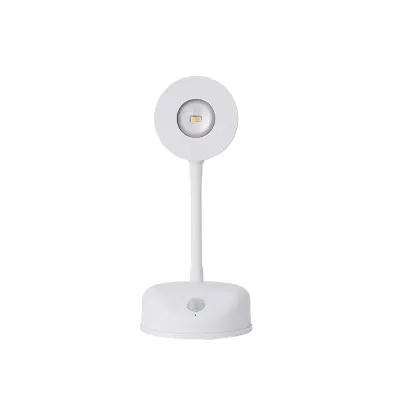
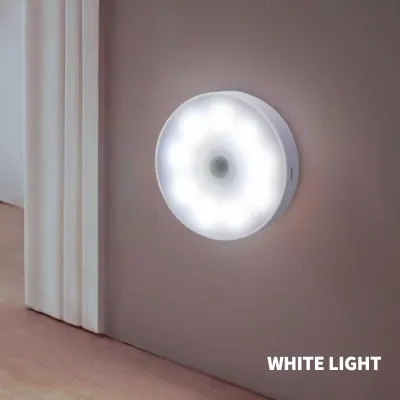
Prices are valid at publication and may change. Please refer to the product page for the latest price.
Unlike primary living areas such as the living room or study, which require high-intensity task lighting, transitional spaces thrive on ambient guidance. The goal is not to flood the space with intense, direct light, but rather to provide a soft, continuous flow of illumination. This gentle transition helps your eyes adjust comfortably as you move from a brightly lit bedroom or living area into the hallway and back, establishing a cohesive atmosphere throughout your home.
Key Features to Look for in Corridor Wall Lights
Selecting the ideal wall lights involves evaluating several technical and physical specifications. Because corridors are high-traffic zones with limited clearance, choosing the wrong fixture can lead to physical obstructions or uncomfortable glare.

Dimensions and Protrusion Limits
When browsing indoor wall lights, physical depth is the most critical dimension to verify. In a narrow hallway, a fixture that projects too far from the wall becomes a physical hazard, easily bumped by passing shoulders, laundry baskets, or bulky grocery bags.
To maintain a safe and comfortable walking path, aim for slimline or low-profile fixtures with a maximum depth of 10 centimetres (approximately 4 inches) from the wall. Before purchasing, measure your corridor’s exact width and simulate daily movements to ensure the remaining clearance feels comfortable. Choosing a flush-mount or recessed option is often the safest approach for exceptionally tight spaces.
Light Direction and Glare Control
Because you walk directly past wall lights in a corridor, direct exposure to an unshielded bulb can cause temporary blindness or uncomfortable glare. Fixtures with frosted glass, fabric shades, or opaque covers that diffuse the light are highly recommended for eye comfort.
Alternatively, indirect lighting fixtures—such as those that wash light upward, downward, or both—completely hide the light source from your direct line of sight. This technique uses the wall surface itself to reflect and soften the light, producing a gentle glow that illuminates the path without casting harsh shadows or creating hot spots.
Colour Temperature and Brightness
Colour temperature, measured in Kelvin (K), dictates the mood and visual clarity of your corridor. For residential hallways, a warm white range of 2700K to 3000K creates a cozy, inviting, and relaxing ambiance. If you prefer a cleaner, more contemporary look that closely mimics natural daylight, neutral white (4000K) is an excellent alternative that makes windowless spaces feel more open. Cool white (6000K and above) should generally be avoided in residential corridors, as it can feel overly clinical and harsh.
To determine the necessary brightness, calculate the basic lumen requirements of your space. Corridors generally require a modest light level of about 100 to 150 lumens per square metre. For a hallway measuring 4 metres long and 1.2 metres wide (4.8 square metres), a total output of approximately 480 to 720 lumens is ideal. Splitting this total across two or three low-wattage fixtures ensures an even distribution of light, eliminating dark patches along the path.
Electrical and Smart Compatibility
Before finalizing your purchase, verify that the fixtures are compatible with Singapore’s standard electrical grid of 230V AC at 50Hz. If you are retrofitting an existing corridor, check whether you have pre-installed wall light points. Many HDB flats are built with only a single central ceiling point; adding wall lights may require tapping into existing circuits, creating new wall points, or running surface-mounted casing (trunking) if you prefer to avoid hacking concrete walls.
If you plan to integrate your wall lights with a smart home system or dimming switches, verify that both the light fixture and the bulb or integrated LED driver are explicitly marked as dimmable. Smart wall switches or smart bulbs allow you to set automated schedules, such as automatically dimming the corridor lights to a low 10% brightness after midnight for gentle night-time navigation.
Recommended Wall Light Styles for Hallway Illumination
Different wall light designs solve specific structural and aesthetic challenges. Understanding how these styles interact with your corridor’s architecture will help you make an informed decision.
Up and Down Wall Sconces
Bidirectional sconces cast distinct beams of light both upward toward the ceiling and downward toward the floor. This dual wash of light creates strong vertical lines on the wall, which visually stretches the height of the corridor, making low ceilings feel significantly taller.
To get the most out of up-and-down sconces, pair them with matte, flat, or lightly textured wall paint. High-gloss or satin finishes can create distracting, mirror-like reflections and highlight minor wall imperfections under the direct grazing light of a bidirectional fixture.
Flush-Mount and Compact Sconces
Flush-mount sconces sit flat against the wall surface, utilizing a wrap-around diffuser to scatter light evenly in all directions. These fixtures are incredibly space-efficient, making them the premier choice for ultra-narrow corridors where physical clearance is the primary concern.
When selecting compact designs, look for fixtures with integrated LEDs. Integrated LED models can achieve incredibly slim profiles—often under 5 centimetres in depth—while still delivering a broad, even spread of ambient light that keeps the hallway safe and well-lit.
Linear and LED Wall Lights
Linear wall lights feature long, slender profiles that can be mounted horizontally or vertically along the corridor walls. This style is highly favored in modern and minimalist interior designs, as it emphasizes the clean architectural lines of contemporary condominiums and HDB flats.
Mounting linear fixtures horizontally along a wall helps guide movement visually, making a short corridor feel longer and more cohesive. Alternatively, vertical installation can break up a monotonous wall with a striking, sculptural element while providing continuous, glare-free illumination.
Picture and Accent Lights
If you want to transform your corridor from a basic walkway into a gallery space, picture and accent lights are ideal. These specialized fixtures mount directly above framed artwork, family photographs, or architectural niches, casting a focused downward beam to highlight these features.
To avoid casting unwanted shadows on your displays, position the accent lights so the beam angle covers the entire frame evenly. Ensure the fixture has an adjustable arm or head, allowing you to fine-tune the light direction and minimize reflections on the protective glass of your frames.
Installation, Safety, and Maintenance
Working with electrical fixtures requires strict adherence to safety protocols to protect your home and family. For any installation involving new fixed wiring, running cables behind walls, or modifying existing junction boxes, you must hire a licensed electrician certified by the Energy Market Authority (EMA) of Singapore. DIY electrical work on 230V systems carries significant risks of electrical shock, short circuits, and fire hazards, and may void your home insurance.
If you are performing a direct, like-for-like replacement of an existing, safe wall fixture, always begin by isolating the power. Turn off the main power supply at your home’s distribution board (DB box) on the specific circuit breaker, and double-check that the line is dead using a reliable, non-contact voltage tester before touching any wires. Never rely solely on the wall switch to isolate the power.
Because corridors are high-traffic areas, wall lights are prone to accumulating dust carried by household air currents from fans and air conditioning systems. Keep your fixtures clean by dusting them regularly with a dry, anti-static microfiber cloth. Avoid spraying liquid cleaners or water directly onto the fixture, as moisture can seep into the electrical components. Additionally, periodically check that the mounting brackets remain tight and secure, especially if the fixture has experienced accidental bumps.
Always prioritize manufacturer instructions during installation and maintenance. If you encounter conflicting wiring colours (such as older British standard red and black wires versus modern European harmonized brown and blue wires), notice a missing earth wire, or are uncertain about the load capacity of your wall anchors, stop immediately. Do not attempt to force the installation; instead, consult a qualified professional electrician to resolve the issue safely.
Frequently Asked Questions (FAQ)
How high should wall lights be installed in a corridor?
As a general guideline, corridor wall lights should be installed between 1.5 and 1.8 metres (approximately 5 to 6 feet) above the finished floor level. This height ensures that the light source sits at or slightly above average eye level, preventing you from looking directly down into an exposed bulb as you walk past. If your home has lower ceilings, such as the standard 2.6-metre height in many HDB flats, mounting the fixtures at approximately 1.6 metres is typically the ideal sweet spot to maintain visual balance.
Can I use outdoor-rated wall lights inside my hallway?
Yes, you can safely install outdoor-rated wall lights indoors. Outdoor fixtures carry Ingress Protection (IP) ratings, such as IP44 or IP54, which indicate resistance to dust and moisture. While standard dry indoor corridors do not require high IP ratings, using outdoor-rated fixtures is highly beneficial if your hallway is located near a wet bathroom, an open-air common corridor, a balcony, or a service yard where humidity levels fluctuate significantly.
Are motion sensor wall lights practical for indoor corridors?
Motion sensor wall lights are exceptionally practical for indoor corridors, particularly for night-time safety. By integrating low-wattage LED wall lights with passive infrared (PIR) motion sensors, the lights will automatically switch on when someone steps into the hallway and turn off after a set period of inactivity. This setup eliminates the need to fumble for light switches in the dark and prevents sudden, blinding glare by allowing you to set a soft, low-intensity guiding light for late-night movement.
Community discussion
Share your experience or ask a question. Comments are reviewed before publication.