
Defining Japandi Lighting: Chandeliers vs. Ceiling Lights
Japandi design represents a thoughtful convergence of two distinct yet deeply aligned philosophies: Japanese wabi-sabi, which finds beauty in natural imperfection and rustic simplicity, and Scandinavian hygge, which prioritizes cozy comfort, functional clarity, and warmth. Lighting serves as the vital bridge between these two worlds. In Nordic countries, where winter daylight is scarce, light is treated as a precious resource that must be carefully diffused and warmed. In traditional Japanese interiors, light is filtered through paper screens to create soft, atmospheric shadows rather than harsh, direct glare.
When searching for a chandelier ceiling light within a Japandi context, you must set aside the traditional imagery of European design. Ornate crystal drops, heavy polished brass scrollwork, and exposed, high-glare bulbs have no place in this aesthetic. Instead, a Japandi-style chandelier refers to minimalist multi-light fixtures, linear dining pendants, or clustered organic shapes that make a quiet statement. These fixtures prioritize structural simplicity, balanced proportions, and soft, indirect illumination.
To identify authentic Japandi lighting, look for specific visual markers that celebrate the natural world. Organic silhouettes, muted earthy tones, matte finishes, and highly textured materials are central to this style. The goal is to select a fixture that feels grounded and serene during the day, and transforms your space with a warm, glare-free, and comforting glow once night falls.
Products mentioned in this guide
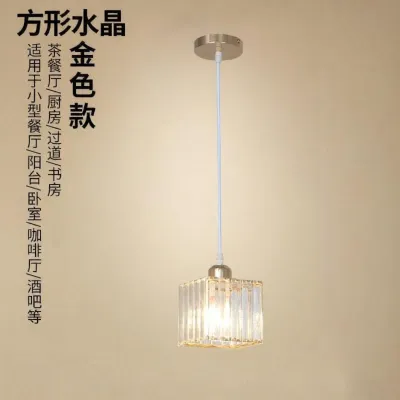
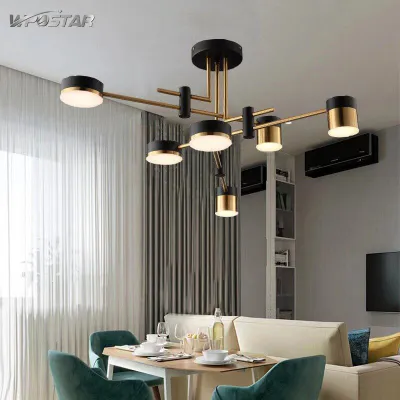
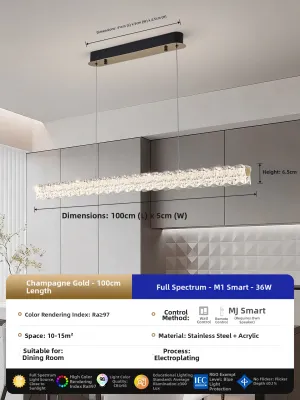
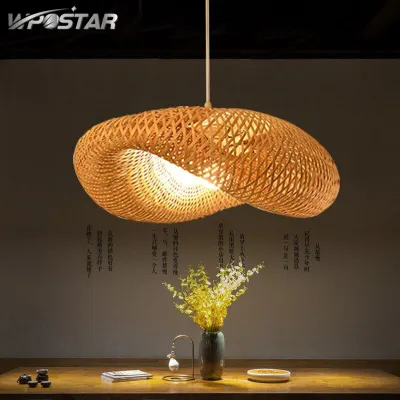
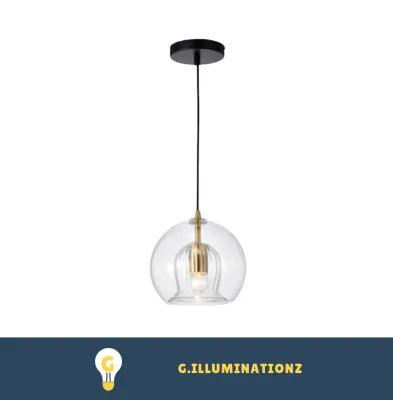
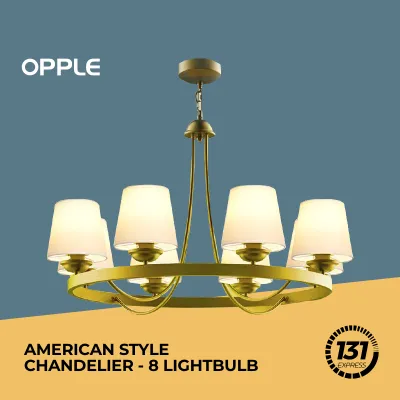
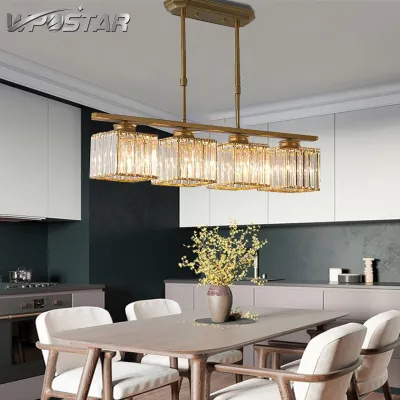
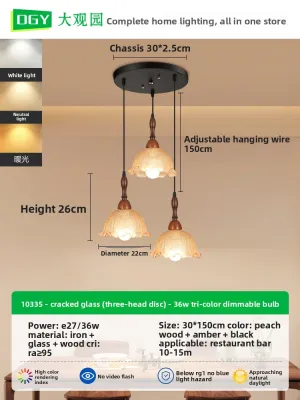
Prices are valid at publication and may change. Please refer to the product page for the latest price.
Key Selection Criteria for Singapore Homes
Ceiling Height Constraints
Standard Housing & Development Board (HDB) flats in Singapore typically feature floor-to-ceiling heights of 2.4 to 2.6 meters. While some modern condominiums and landed properties offer loftier clearances of 2.7 to 3.0 meters, the addition of false ceilings for air-conditioning ducting or recessed downlights often reduces this vertical space. Hanging a long, dangling fixture in a primary walkway creates a physical hazard and causes immediate visual clutter, making your living spaces feel cramped.

For high-traffic walkways and open areas, ensure the bottom of your light fixture sits at least 2.1 meters above the finished floor. If you wish to install a hanging pendant or a multi-light cluster, reserve these designs for zones where furniture naturally prevents people from walking underneath, such as directly over a dining table or a living room coffee table. A standard dining table stands approximately 75 centimeters high; suspending the lowest point of your chandelier 70 to 80 centimeters above the tabletop creates an intimate dining atmosphere without obstructing face-to-face conversations.
Tropical Climate Considerations
Singapore’s tropical climate presents a unique challenge for natural, organic materials due to relative humidity levels that frequently exceed 80 percent. Untreated organic fibers are highly hygroscopic, meaning they readily absorb moisture from the surrounding air. Over time, untreated paper shades can sag, lose their structural tension, or develop unsightly yellow water spots. Raw, unsealed rattan, bamboo, and wood can warp or become breeding grounds for mold and mildew in stagnant air.
To enjoy the warmth of natural textures without premature degradation, verify that any organic lighting fixtures you purchase have been treated with protective moisture-resistant sealants or anti-fungal coatings. Alternatively, look for modern hybrid materials, such as washi paper reinforced with thin acrylic layers, or polymer-blended fibers that mimic the texture of linen while offering complete resistance to humidity.
Electrical Specifications and Safety
Before purchasing any light fixture, especially when importing designs online, verify that the electrical components are fully compatible with Singapore’s standard electrical grid, which operates at 230V and 50Hz. Look for the Enterprise Singapore Safety Mark on LED drivers, transformers, and electronic ballasts. This mark indicates that the components have undergone rigorous testing and comply with local safety standards.
Standardize your bulb interfaces to simplify future maintenance. Fixtures utilizing standard E27 screw-in bases or GU10 twist-and-lock bases are highly practical, as compatible replacement bulbs are widely available in local retail shops. If you plan to use dimmable fixtures to adjust the mood of your home, ensure that your LED bulbs, the fixture’s internal driver, and your wall-mounted dimmer switch are fully compatible to prevent flickering, buzzing, or premature driver failure.
Light Color Temperature
Light temperature, measured on the Kelvin (K) scale, dictates the emotional tone of your interior. To achieve the cozy, inviting sanctuary central to Japandi design, prioritize warm white light ranging from 2700K to 3000K. This warm spectrum enhances the rich, natural grain of wooden furniture and brings out the golden undertones of woven rattan and bamboo.
Avoid using cool white (4000K) or daylight (6000K) bulbs in your primary living and relaxation zones. High-temperature light casts a stark, clinical blue-white glare that flattens textures, neutralizes the warmth of natural materials, and makes delicate paper or linen shades look cold, sterile, and uninviting.
Recommended Japandi Lighting Styles and Materials
Washi Paper and Linen Pendants
Inspired by traditional Japanese craftsmanship and iconic mid-century paper light sculptures, washi paper and linen pendants are the epitome of soft, diffused illumination. Washi paper is crafted from the inner bark of three primary plants—kozo, mitsumata, and gampi—resulting in a translucent material with long, visible fibers. These natural irregularities scatter light in multiple directions, eliminating harsh shadows and hot spots to create an incredibly soft, cloud-like glow.
For Singapore homes, look for modern interpretations of these classic designs. High-quality Japanese-style spherical paper lanterns and structured linen drum pendants are widely available through local minimalist home stores and specialized lighting boutiques. These fixtures work beautifully as central statement pieces in bedrooms or quiet study areas where a calm, meditative atmosphere is desired.
However, delicate paper and fabric shades come with clear practical limitations. They are highly fragile, susceptible to tearing, and easily damaged by moisture or grease. Consequently, they should never be installed in kitchens, bathrooms, or near open windows where sudden tropical downpours could ruin the material. Keep them in dry, air-conditioned, or well-ventilated living areas, and clean them using only dry, non-abrasive methods.
Rattan, Bamboo, and Wood Woven Lights
To bring the “nature indoors” philosophy of Japandi design to life, woven natural materials like rattan, bamboo, and wood veneer are exceptional choices. These materials introduce rich, tactile textures to a room, grounding minimalist spaces that might otherwise feel too sparse or clinical. When illuminated, the open-weave patterns of woven bamboo or rattan cast intricate, dancing shadows across the walls and ceiling, adding visual depth and character without requiring decorative clutter.
When sourcing woven lights for a humid environment like Singapore, prioritize products made from high-grade, seasoned timber or treated rattan fibers. Look for fixtures that have been finished with a clear, matte polyurethane or lacquer coat, which seals the pores of the wood and prevents moisture absorption. A woven dome pendant or a sculptural bamboo basket light serves as an excellent focal point when suspended low over a solid wood dining table or placed in a cozy reading corner beside a comfortable lounge chair.
Keep in mind that woven fixtures with open patterns do not conceal the light bulb entirely. To prevent uncomfortable glare, pair these fixtures with frosted LED bulbs rather than clear glass bulbs, or select designs that feature an inner fabric or frosted glass diffuser to soften the light before it escapes through the woven frame.
Matte Metal and Opal Glass Fixtures
If your design preferences lean slightly more toward the clean, functional, and structured Scandinavian side of Japandi, matte metal and opal glass fixtures are an ideal fit. These designs utilize sleek, geometric lines and high-contrast finishes to bring a sense of modern refinement to your home. Popular finishes include sandblasted matte black, soft chalky white, and muted brushed brass, which add a touch of understated elegance without looking overly flashy.
Opal glass, which is treated to achieve a milky, translucent white finish, is highly valued in Japandi design for its superior light-diffusing properties. It completely hides the bright filament of the bulb, distributing light evenly in all directions to eliminate glare. For spaces with low ceilings, a multi-arm semi-flush ceiling fixture featuring a matte black metal frame and branching opal glass globes offers the visual presence of a modern chandelier while maintaining a low profile that preserves precious headroom.
Unlike paper and natural fibers, metal and glass are exceptionally durable and entirely unaffected by Singapore’s high humidity. They do not warp, sag, or harbor mold, making them highly versatile options that can be safely installed in any room of the house, including kitchens, corridors, and even well-ventilated dry zones of bathrooms. They are also incredibly easy to maintain, requiring only a quick wipe to keep them looking pristine.
Comparing Japandi Lighting Materials for Your Space
To help you determine which material composition best aligns with your specific room layout, aesthetic preferences, and maintenance lifestyle, review the comparative summary below.
| Material Type | Best Room Application | Humidity Resistance | Maintenance Level | Ideal Ceiling Height |
|---|---|---|---|---|
| Washi Paper | Bedrooms, Study Rooms, Dry Living Zones | Low (Prone to sagging and staining) | High (Requires delicate dry cleaning) | Mid to High (2.6m+ or positioned over furniture) |
| Linen / Fabric | Bedrooms, Dining Areas, Living Rooms | Medium-Low (Can absorb odors and dust) | Medium (Requires vacuuming with brush attachment) | Mid to High (2.6m+ or positioned over furniture) |
| Rattan & Bamboo | Dining Rooms, Cozy Corners, Sheltered Balconies | Medium (Requires treated/lacquered fibers) | Medium (Requires dusting within woven crevices) | Mid to High (2.5m+ or suspended over tables) |
| Matte Metal & Opal Glass | Kitchens, Hallways, Living Rooms, Dry Bathrooms | High (Impervious to moisture and warping) | Low (Simple wipe down with a microfiber cloth) | All Heights (Excellent for low-profile flush-mounts) |
Safe Installation and Humidity Maintenance
Electrical Safety and Professional Boundaries
Before undertaking any electrical work, including the simple replacement of an existing light fixture, you must isolate the electrical power supply. Locate your home’s main distribution board (DB) or consumer unit and switch off the circuit breaker dedicated to the lighting zone you are working on. Never rely solely on the wall switch to isolate the current, as faulty wiring or multi-way switches can leave live current running to the ceiling point.
In Singapore, all fixed electrical wiring, installation of heavy fixtures, and modifications to existing electrical points should be carried out by an Energy Market Authority (EMA) licensed electrician. Professional installation ensures compliance with local electrical safety standards and safeguards your home against electrical fires, short circuits, and warranty voidance. Always follow the manufacturer’s provided installation instructions and verify that the fixture’s maximum wattage limit is never exceeded by your chosen bulbs.
Structural Weight and Mounting Requirements
Heavy light fixtures, particularly modern multi-arm metal and glass chandeliers, require secure structural mounting to prevent physical hazards. Before installation, verify the load-bearing capacity of your ceiling. Standard concrete slab ceilings common in HDB flats can support heavy loads when secured with high-quality steel masonry expansion bolts.
However, if your home features a plasterboard false ceiling, you must exercise extreme caution. Never hang a heavy fixture directly from the plasterboard sheet, as the material will degrade and fail under tension. The electrician must locate the internal metal support channels of the false ceiling framework to secure the bracket using heavy-duty toggle bolts, or install threaded suspension rods that bypass the false ceiling entirely to anchor directly into the concrete structural slab above.
Cleaning and Maintaining Natural Materials
To preserve the delicate beauty of natural Japandi materials in Singapore’s humid climate, establish a regular, low-risk cleaning routine. For washi paper and delicate fabric shades, never use water, damp cloths, or liquid chemical cleaners, as these will dissolve water-soluble adhesives, warp the fibers, and leave permanent stains. Instead, use a clean, dry, soft-bristled makeup brush, a feather duster, or a handheld hairdryer set to the “cool” and “low speed” setting to gently blow away accumulated dust.
For woven rattan and bamboo fixtures, dust can settle deep within the woven crevices. Use a vacuum cleaner fitted with a soft upholstery brush attachment on low suction to draw out dust, or use a stiff-bristled utility brush to sweep out dry debris. If the manufacturer’s care label explicitly permits it, a slightly damp microfiber cloth can be used to wipe down treated wood or rattan, but you must dry the surface immediately with a clean towel to prevent moisture from seeping into the grain. For metal and glass fixtures, ensure the power is isolated and the bulbs are completely cool before wiping the surfaces with a dry microfiber cloth to remove dust and fingerprints.
Frequently Asked Questions (FAQ)
Can I install a Japandi chandelier in an HDB with low ceilings?
Yes, you can successfully integrate a Japandi-style chandelier into an HDB flat with standard 2.4-meter to 2.6-meter ceilings by choosing your fixture type and placement strategically. Avoid long, vertical-drop pendants in open walkways where they obstruct movement. Instead, opt for low-profile semi-flush mount fixtures that feature horizontal branching arms and opal glass globes, which provide the visual presence of a chandelier while keeping the light close to the ceiling.
Alternatively, you can hang a statement pendant light lower down if you position it directly over a permanent piece of furniture, such as a dining table, kitchen island, or coffee table. Because people do not walk through these zones, you can safely lower the fixture to create a cozy, intimate focal point without worrying about head clearance.
Are paper and rattan lights safe for Singapore's humid weather?
Paper and rattan lights are generally safe for indoor use in Singapore, provided they are installed in the correct environment and have received proper material treatments. For dry, well-ventilated, or air-conditioned spaces like living rooms, bedrooms, and studies, these natural materials will perform well for years.
To ensure longevity, always verify with the retailer or manufacturer that the rattan or bamboo has been treated with a protective anti-fungal lacquer, and look for paper shades that feature acrylic or polymer reinforcement. Avoid installing untreated natural fibers in high-humidity zones, such as bathrooms, unshielded outdoor balconies, or directly above kitchen stoves and indoor laundry drying racks, where steam and moisture will cause rapid deterioration.
What bulb color temperature is best for Japandi lighting?
To achieve the authentic, warm, and comforting ambiance of Japandi design, select warm white bulbs with a color temperature between 2700K and 3000K. This warm light spectrum mimics natural sunlight during the golden hour, highlighting the rich textures of wood, linen, and woven fibers while creating a relaxing environment that promotes well-being.
Avoid using cool white (4000K) or daylight (6000K) bulbs in your main relaxation spaces. These higher color temperatures emit a sharp, blue-toned light that flattens visual textures, makes natural materials look cold and clinical, and disrupts the cozy, sanctuary-like feel that defines the Japandi aesthetic.
Community discussion
Share your experience or ask a question. Comments are reviewed before publication.