
Finding the perfect dining chandelier that balances minimalist design and warm ambiance requires looking at the intersection of two distinct yet deeply compatible design philosophies: Japanese wabi-sabi and Scandinavian hygge. Known collectively as Japandi, this hybrid aesthetic prioritises simplicity, natural textures, and highly functional, glare-free illumination. To achieve this balance over a dining table, the ideal fixture must do more than look beautiful when switched off; it must emit a soft, diffused glow that fosters connection and comfort during meals.
Several leading lighting brands excel in this design space, offering fixtures that range from engineered Scandinavian modern classics to organic, handmade Japanese paper sculptures. Selecting the right brand involves evaluating how their signature materials—such as washi paper, light oak, linen, and matte-finished metals—interact with light. By understanding these design languages and matching them with appropriate technical specifications, you can choose a dining chandelier that serves as a serene focal point in your home.
Defining the Japandi Aesthetic: Materials and Light Quality
The Japandi aesthetic is a deliberate fusion of East and West. From the Japanese tradition, it inherits wabi-sabi—an appreciation for rustic simplicity, natural materials, and the beauty found in organic imperfection. From the Scandinavian tradition, it draws on hygge—the pursuit of cozy, comfortable, and highly functional living spaces characterized by clean lines and uncluttered layouts. When applied to lighting, this synthesis results in fixtures that feel grounded, architectural, and deeply comforting.
Products mentioned in this guide
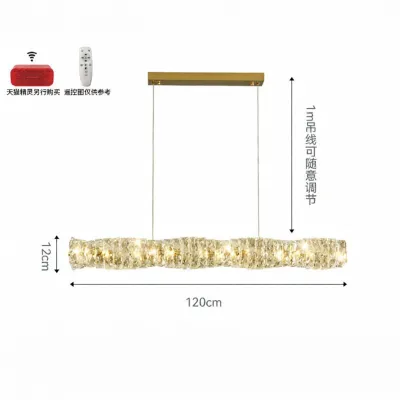
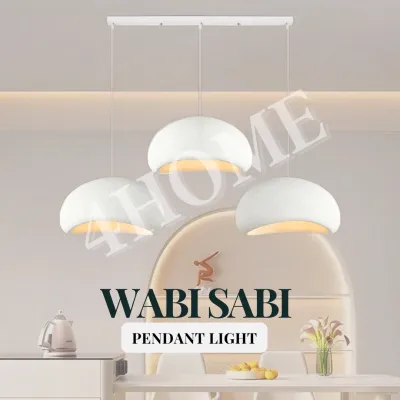
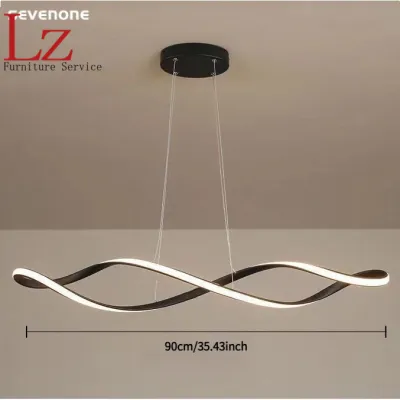
Prices are valid at publication and may change. Please refer to the product page for the latest price.
To identify an authentic Japandi-style dining chandelier, look closely at the physical materials. The style relies heavily on tactile, organic elements that soften the hard edges of modern architecture. Light oak, walnut, hand-spun bamboo, raw linen, and handmade washi paper are common signatures. When metal is used, it typically features a soft, matte finish—such as brushed brass, matte white, or sandblasted charcoal—rather than high-shine chrome or polished gold, which can feel too cold or ostentatious for a wabi-sabi-inspired space.
Equally important is the quality of light the fixture produces. A dining table is a place for gathering, eating, and conversation, meaning the illumination must be inviting rather than clinical. The ideal light quality for a dining ambiance relies on a warm color temperature, typically between 2700K and 3000K. This range mimics the gentle warmth of candlelight or late-afternoon sun. Furthermore, the light must be diffused or indirect. High-quality Japandi fixtures utilize shades, baffles, or semi-translucent materials to scatter light waves, eliminating harsh shadows and preventing direct glare from hitting the eyes of seated diners.
Top Japandi Dining Chandelier Brands for Your Dining Room
When searching for a dining chandelier that embodies these principles, brands generally fall into three categories: Scandinavian heritage manufacturers, Japanese artisanal workshops, and contemporary design studios. Each group approaches the balance of minimalism and warmth from a slightly different perspective, allowing you to choose a fixture that aligns with your specific aesthetic preferences and structural requirements.

Scandinavian Heritage & Modern Classics
Scandinavian design brands are world-renowned for their rigorous engineering, particularly regarding glare control and functional minimalism. Brands like Louis Poulsen and Muuto have spent decades studying how light interacts with physical spaces, resulting in fixtures that are highly technical yet visually clean.
Louis Poulsen is famous for its multi-shade systems, designed to direct light precisely downward while completely concealing the light source from view. This engineering ensures that even when suspended directly over a dining table, the bulb never causes eye strain. Similarly, Muuto offers contemporary pieces like the Strand Pendant, which uses a cocoon-like polymer material sprayed over a steel frame. This creates a soft, cloud-like volume that filters light beautifully, offering a modern, minimalist take on the traditional paper lantern.
When considering these heritage brands, it is important to verify local showroom availability in Singapore. Authorized dealers such as Space Furniture or W. Atelier often display these fixtures in person, allowing you to observe the material quality and light diffusion under realistic conditions before purchasing. Buying through authorized channels also ensures you receive genuine products backed by manufacturer warranties.
Japanese Craft & Wabi-Sabi Specialists
On the other side of the Japandi spectrum are brands and artisans that prioritize traditional Japanese craftsmanship, organic textures, and hand-applied techniques. These fixtures often serve as sculptural art pieces, bringing a sense of grounded tranquility to the dining area.
Ozeki & Co., the historic manufacturer of Isamu Noguchi’s iconic Akari light sculptures, is a prime example. These fixtures are handmade in Japan using traditional washi paper and bamboo ribbing. The paper fibers naturally scatter light, creating an incredibly soft, warm, and atmospheric glow that is difficult to replicate with synthetic materials. Other artisanal brands utilize hand-turned wood or woven bamboo to construct shades that celebrate natural grain patterns and subtle structural variations.
Because these delicate fixtures rely on natural, untreated materials, they require careful handling. Washi paper and raw wood are sensitive to high humidity and direct moisture, which are common environmental factors in Singapore. Before purchasing, check the import lead times and shipping conditions, as handmade pieces can take several months to arrive. Additionally, review the manufacturer’s specific care instructions, which typically involve gentle dry-dusting and avoiding chemical cleaners.
Contemporary Studios & Local Curators
For homeowners seeking a modern fusion of these two styles, contemporary design studios and local Singapore lighting curators offer highly adaptable options. These brands often combine the organic warmth of Japanese materials with the clean, geometric profiles of modern European design.
Studios like New Works—known for the Tense Pendant, which utilizes a lightweight, recyclable Tyvek membrane—bridge the gap between high-tech durability and soft, paper-like aesthetics. In Singapore, boutique lighting curators like Sol Luminaire or Shiok Lighting offer curated collections that specifically adapt these minimalist, warm-lighting principles to local residential layouts. Their collections frequently feature slim profiles, adjustable drop lengths, and integrated LED systems designed to complement the ceiling heights of modern apartments.
Opting for a local curator provides several practical advantages. You can visit physical showrooms to assess how the fixture fits within a simulated dining setup. Furthermore, local retailers provide immediate access to customer support, simplified return policies, and warranties that comply with local consumer protection laws, making the procurement process much more straightforward than direct international sourcing.
Comparing Design, Materials, and Price Tiers
To help you evaluate which brand category best suits your dining room design and budget, the table below outlines the core characteristics of each style. This framework compares the primary materials, design languages, and light effects across different market tiers.
| Brand Category / Example | Signature Materials | Design Language | Ambiance Effect | Estimated Price Tier |
|---|---|---|---|---|
| Scandinavian Classics<br>(e.g., Louis Poulsen, Muuto) | Matte aluminum, composite polymers, steel | Geometric, architectural, engineered glare control | Highly functional downlight with soft, ambient side diffusion | Premium |
| Japanese Artisanal<br>(e.g., Akari by Ozeki & Co.) | Handmade washi paper, bamboo ribbing, raw wood | Organic, sculptural, asymmetrical | Ultra-soft, warm, lantern-like glow that fills the room | Mid-Range to Premium |
| Contemporary Curated<br>(e.g., Local Singapore Showrooms) | Light oak veneers, linen, matte-finished metals | Minimalist fusion, balanced geometry, slim profiles | Gentle direct-indirect lighting tailored for modern tables | Accessible to Mid-Range |
Note: Exact SGD prices fluctuate based on specific retailer pricing, international shipping rates, import customs duties, and seasonal promotions. It is essential to verify current pricing and stock availability directly with authorized local sellers or official brand distributors before finalizing your budget.
Essential Installation and Safety Checks for Singapore Homes
Before purchasing a dining chandelier, you must perform several physical and electrical checks to ensure the fixture can be safely installed and operated in your home. This is especially critical in Singapore, where residential properties like HDB flats and condominiums have specific structural and electrical constraints.
First, conduct a thorough physical assessment of your dining space:
- Ceiling Weight Capacity: Standard concrete ceilings can support heavy fixtures, but false ceilings—which are common in renovated Singapore homes to hide air conditioning ducts or wiring—require reinforcement. A heavy wood or metal chandelier hung from an unreinforced gypsum board ceiling poses a serious safety hazard. Always check the weight of the fixture against your ceiling's load capacity.
- Pendant Drop Length: Measure your ceiling height carefully. Standard HDB ceilings are typically around 2.6 meters high. To ensure comfortable clearance and balanced proportions, the bottom of the dining chandelier should hang at an appropriate height above the tabletop, leaving plenty of vertical space so it does not obstruct sightlines or cause accidental bumps.
- Physical Diameter: Select a fixture diameter that complements your table size. A general rule is to choose a chandelier that is approximately 30 cm narrower than the width of your dining table to prevent the space from feeling overcrowded.
Second, verify the electrical specifications of the fixture to ensure compatibility with local infrastructure:
- Voltage: Ensure the fixture is rated for Singapore's standard voltage of 230V (50Hz). Imported fixtures designed for the North American market (110V) will require voltage conversion or re-wiring, which can void warranties and compromise safety.
- Base Types: Look for standard, easily replaceable bulb interfaces such as E27 or E14. Avoid proprietary integrated LED systems unless the manufacturer provides a clear replacement or repair policy for when the light source eventually fails.
- Dimming Compatibility: If you plan to use a dimmer switch to adjust the dining ambiance, verify that both the fixture's driver (for integrated LEDs) and the LED bulbs themselves are labeled as dimmable. Pair them with the correct type of dimmer switch (such as trailing-edge dimmers) to prevent flickering or humming.
- Electrical Certification: Look for products that carry recognized safety certifications, such as the Enterprise Singapore Safety Mark, which indicates the product has been tested and approved for safe use in local households.
Finally, establish clear safety boundaries for the installation process. Working with electricity carries inherent risks of shock, fire, and structural damage. Always isolate the electrical power at the main distribution board (DB box) before attempting any inspection, cleaning, or bulb replacement. For fixed wiring installations, mounting heavy fixtures, or setting up complex dimming systems, do not attempt a DIY installation. You must hire a licensed electrician (such as an Energy Market Authority licensed electrical worker) to complete the installation safely and in accordance with local building codes.
Frequently Asked Questions (FAQ)
What is the ideal hanging height for a dining chandelier?
The general industry standard is to hang the bottom of the dining chandelier approximately 75 to 90 cm above the surface of your dining table. This range provides optimal illumination for dining while keeping the light source out of your direct line of sight when seated. However, you should adjust this height based on your specific ceiling height, the visual density of the fixture, and the height of the users. For example, a lightweight, highly translucent paper lantern can often be hung slightly lower than a solid, heavy metal dome, as its visual weight is much lighter and it will not make the table space feel cramped.
Are paper or wood Japandi fixtures safe for high-wattage bulbs?
Natural materials like washi paper, bamboo, linen, and wood are combustible and can degrade, discolor, or dry out when exposed to excessive heat over long periods. To ensure safety and preserve the lifespan of your fixture, you must strictly adhere to the manufacturer’s maximum wattage limits printed on the socket label. It is highly recommended to use high-quality, low-heat LED bulbs instead of traditional incandescent or halogen bulbs. LEDs convert energy much more efficiently, producing minimal heat and significantly reducing the risk of heat buildup, material discoloration, or fire hazards in delicate natural shades.
Community discussion
Share your experience or ask a question. Comments are reviewed before publication.