
Finding the perfect dining light for a Japandi-style home in Singapore requires balancing two distinct design philosophies: Japanese minimalism and Scandinavian functionality. The ideal fixture does not merely illuminate a table; it serves as a serene visual anchor that unifies the space. By choosing natural materials, soft textures, and diffused illumination, you can transform your dining area into a tranquil retreat.
When shopping for a dining light in Singapore, the sheer variety of options can be overwhelming. To make the best choice, you must consider how the fixture’s material, scale, and light output interact with your specific layout. Whether you live in a compact HDB flat or a spacious condominium, selecting the right pendant light involves understanding both aesthetic principles and practical installation guidelines.
Core Elements of Japandi Dining Lighting
To select an authentic Japandi fixture, you must first understand the core elements of this design hybrid. Japandi style merges the Japanese concept of wabi-sabi—which finds beauty in natural imperfection and simplicity—with the Scandinavian concept of hygge, which emphasizes cozy, functional comfort. In lighting design, this translates to fixtures that prioritize clean lines, organic textures, and a complete absence of unnecessary ornamentation.
Products mentioned in this guide
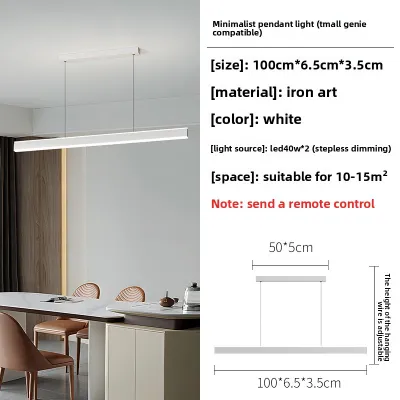
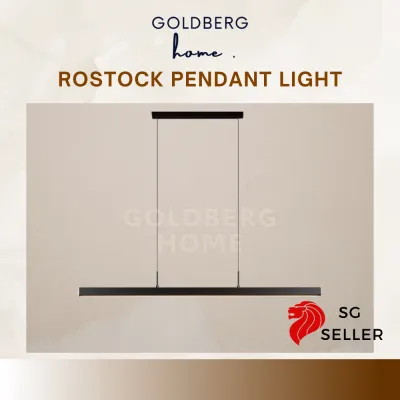
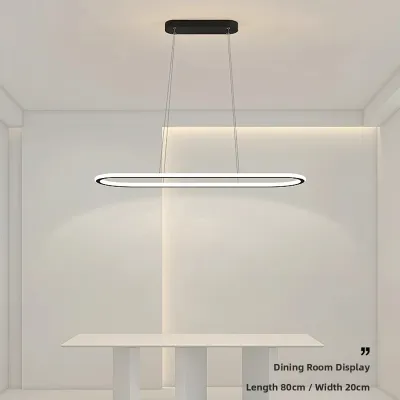
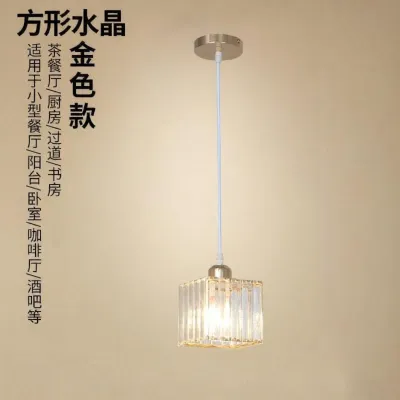
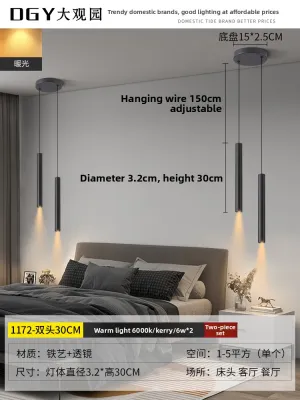
Prices are valid at publication and may change. Please refer to the product page for the latest price.
Material selection is the cornerstone of the Japandi aesthetic. Authentic designs rely heavily on sustainable, tactile materials that bring the outdoors inside. Common choices include light-toned natural woods like ash and oak, hand-woven rattan, bamboo, unbleached linen, and traditional washi or rice paper. These materials carry an inherent warmth that synthetic plastics or high-gloss metals cannot replicate, making them ideal for creating a welcoming dining environment.
Color palettes in Japandi lighting remain strictly neutral and earthy. You will primarily find fixtures finished in soft off-whites, warm beiges, muted greys, matte black, and natural timber tones. Rather than drawing attention through bright colors, these lights rely on their organic shapes and textures to create visual interest. This subtle approach ensures the fixture complements the surrounding furniture rather than dominating the room.
Finally, the quality of light is crucial for achieving a true Japandi atmosphere. This style favors soft, diffused, and indirect illumination over harsh, directional spotlights. By scattering light through paper, fabric, or woven slats, these fixtures eliminate glare and cast a gentle, even glow across the dining table. This soft illumination fosters a relaxed, intimate mood that encourages long, lingering conversations over meals.
Sizing and Hanging Guidelines for Dining Spaces
Achieving the perfect visual balance in your dining room requires precise attention to scale and placement. A dining light that is too small will look lost in the room, while an oversized fixture can make the dining area feel cramped and top-heavy. To avoid these issues, you can use established design ratios to guide your purchase.

As a general rule, the width or diameter of your pendant light should be between one-half and two-thirds the width of your dining table. For example, if you have a dining table that is 90 centimeters wide, your pendant light should ideally measure between 45 and 60 centimeters in diameter. For long rectangular tables, you can choose to hang two smaller, matching pendants spaced evenly apart, or opt for a single linear pendant that spans roughly half the length of the table.
- Table Width: 90 cm → Pendant Diameter: 45 cm to 60 cm
- Table Width: 120 cm → Pendant Diameter: 60 cm to 80 cm
- Table Width: 150 cm → Pendant Diameter: 75 cm to 100 cm (or multiple smaller fixtures)
The hanging height of the fixture is equally important for both aesthetics and functionality. You should position the bottom of the pendant shade between 70 and 90 centimeters above the surface of your dining table. Hanging the light within this range ensures that it provides sufficient task lighting for dining while keeping the bulb out of your direct line of sight when you are seated. This height also maintains a clear view across the table, allowing for uninterrupted conversation with family and guests.
In Singapore, local spatial constraints play a significant role in your lighting decisions. Standard HDB flats typically feature ceiling heights of approximately 2.6 meters. In these spaces, long, dramatic drop chains can make the room feel restricted. If you live in an HDB flat, look for fixtures with adjustable cords that allow you to shorten the drop length, or consider semi-flush Japandi designs that sit closer to the ceiling. Conversely, if you reside in a condominium or landed property with higher ceilings, you have the freedom to install larger, multi-tiered pendants or dramatic clustered arrangements that take advantage of the vertical space.
When selecting a bulb, the perceived color temperature significantly influences the room’s atmosphere. A warm white range of 2700K to 3000K is highly recommended for dining spaces, as it mimics the soft glow of candlelight and enhances the natural colors of food. However, because lighting appreciation is highly subjective, you should treat color temperature and spatial effects as conditional preferences rather than absolute rules. Always choose a temperature that aligns with your household’s functional needs and personal comfort.
Curated Japandi Pendant Styles for Dining Rooms
To help you navigate the many options available, we have categorized the most prominent Japandi pendant styles. Each category offers a unique interpretation of the aesthetic, allowing you to choose a design that matches your existing furniture and personal taste.
Rice Paper and Washi Shades
Inspired by traditional Japanese sliding screens and lanterns, rice paper and washi paper shades offer an incredibly soft, weightless aesthetic. These fixtures diffuse light omnidirectionally, creating a gentle, cloud-like glow that eliminates harsh shadows. Because paper is visually light, these shades can be quite large without making a small dining room feel crowded.
While paper shades are highly effective at creating a tranquil, zen-like atmosphere, they do require careful maintenance. The delicate nature of the material means they must be handled gently during installation and cleaned only with a dry, soft duster. Additionally, you must use low-heat LED bulbs with these fixtures to prevent any risk of heat damage or discoloration to the paper over time.
Rattan, Bamboo, and Wood Weaves
If you want to introduce rich, organic textures to your dining space, woven natural fibers are an excellent choice. Hand-woven rattan, bamboo, and sliced wood pendants bring an earthy warmth that beautifully complements solid timber dining tables. When illuminated, these woven structures project intricate, decorative shadow patterns onto the surrounding walls and ceiling.
When choosing a woven fixture, consider the density of the weave. A tight, closely knit weave will direct most of the light downward onto the table surface, acting as an efficient task light. A loose, open weave will allow more light to escape horizontally, providing general ambient illumination for the entire room. Select the weave density that best balances your need for tabletop clarity and overall room brightness.
Minimalist Spun Metal with Wood Accents
For homeowners who prefer the clean, structured lines of Scandinavian design, spun metal pendants with wood accents offer a perfect middle ground. These fixtures typically feature a matte-finished metal dome—often in white, soft grey, charcoal, or pale pastel—topped with a collar of light oak or ash wood. This combination provides a sleek, modern silhouette while retaining the organic warmth essential to the Japandi style.
Spun metal shades are highly functional because they are completely opaque. They direct all light downward in a controlled cone, making them exceptional task lights for dining tables. This focused downward beam highlights your meals and tableware, creating an intimate, restaurant-like dining experience in your own home.
Linen and Cotton Fabric Shades
Fabric shades made from unbleached linen or textured cotton offer a soft, tailored look that adds quiet sophistication to a dining room. Drum, dome, or oval-shaped fabric pendants gently filter light through their weave, reducing glare and creating a cozy, relaxed environment. The natural slubs and imperfections in linen fabric perfectly align with the wabi-sabi appreciation for raw textures.
Beyond their visual appeal, fabric shades offer practical acoustic benefits. In Singaporean homes with hard tiled or vinyl flooring, sound can easily bounce off surfaces and create an echo. Fabric shades help absorb sound waves, contributing to a quieter, more intimate dining atmosphere. To maintain a clean Japandi look, pair these fabric shades with simple, minimalist metal or timber mounting hardware.
Installation and Safety Checklist for Singapore Homes
Before purchasing and installing a new dining light, you must verify several technical and safety specifications to ensure compliance with Singaporean standards. Electrical safety and structural integrity should always take priority over aesthetic preferences.
- Voltage Compatibility: Ensure the fixture is rated for Singapore’s standard electrical supply of 230V at 50Hz. Importing fixtures directly from overseas markets with different voltage standards can lead to electrical failures or safety hazards.
- Electrical Certification: Look for products that carry recognized safety certifications, such as the Enterprise Singapore SAFETY Mark, to ensure they have been tested for electrical safety.
- Base and Interface Verification: Confirm the bulb socket type (such as E27 or GU10) and check that the fixture's maximum wattage limit is never exceeded by your chosen bulb.
- Ceiling Load Capacity: Verify the weight of the fixture before installation. This is especially critical if you are mounting a heavy solid wood or multi-tiered pendant to a plasterboard false ceiling, which may require additional structural reinforcement.
For any fixed wiring installation, work at height, or suspended loads, you must observe strict safety boundaries. Always isolate the power at your home’s main distribution board (DB box) before attempting any electrical inspection or installation. You must carefully read and follow the manufacturer’s provided installation instructions. If the instructions are unclear, conflict with your home’s wiring, or if you are unsure of the ceiling’s load-bearing capacity, stop immediately and consult the manufacturer or hire a qualified professional.
To guarantee a safe and compliant installation, we strongly recommend hiring an Energy Market Authority (EMA) licensed electrical worker. A professional electrician will ensure that the fixture is securely anchored to the concrete ceiling slab or reinforced false ceiling frame, and that all electrical connections are safe, grounded, and durable.
When sourcing your Japandi dining light, consider visiting local specialized lighting showrooms in areas like Balestier Road or Jalan Besar. Seeing the fixtures in person allows you to verify the true color temperature, material quality, and finish before making a commitment. Alternatively, when shopping via reputable online home decor retailers, pay close attention to customer reviews and detailed product specifications to ensure the product meets your expectations.
Frequently Asked Questions (FAQ)
Can I use a Japandi pendant light in a small HDB dining area?
Yes, Japandi pendant lights are highly suited for compact HDB dining areas because their minimalist designs do not overwhelm small spaces. To prevent visual crowding, choose a single, smaller-scale fixture such as a compact rice paper globe or a slim timber bar pendant. Keeping the drop length shorter will maintain an open, airy feel while still defining your dining zone beautifully.
What bulb type is best for Japandi dining pendants?
We highly recommend using dimmable LED bulbs with a warm white color temperature between 2700K and 3000K. For open-weave rattan or delicate paper shades, opt for frosted or filament-style LED bulbs to prevent harsh, direct glare and maintain a soft, organic aesthetic. Always verify that the bulb’s base matches the fixture’s socket and that its wattage does not exceed the manufacturer’s specified limit.
Community discussion
Share your experience or ask a question. Comments are reviewed before publication.