
Finding the ideal kitchen light ceiling fixture in Singapore requires balancing serene aesthetics with the practical demands of a high-humidity, active cooking environment. The Japandi style—a harmonious fusion of Japanese rustic minimalism and Scandinavian functionalism—has become a dominant design choice for local homeowners looking to create a calm, uncluttered sanctuary. In a Singaporean kitchen, where space is often at a premium, a well-chosen Japandi pendant light serves as both a functional task light and a visual anchor, softening the hard edges of modern cabinetry and stone countertops. However, selecting the right fixture goes far beyond aesthetics; it requires a careful evaluation of ceiling clearance, material durability against tropical humidity and cooking grease, and strict adherence to local electrical safety standards.
The best Japandi pendant lights for Singapore kitchens are those that combine sealed, non-porous natural materials like treated oak or walnut with easily cleanable elements like matte powder-coated metals and frosted glass, while maintaining a highly adjustable drop length to accommodate typical HDB and condo ceiling heights. By focusing on these core structural and material dimensions, you can achieve a look that is both deeply comforting and highly practical for daily meal preparation.
The Appeal of Japandi Lighting in Singapore Kitchens
The Japandi aesthetic is far more than a passing interior design trend; it is a thoughtful philosophy that merges the Japanese concept of wabi-sabi—which finds beauty in simplicity, natural textures, and imperfection—with the Scandinavian principle of hygge, which prioritizes warmth, comfort, and functional living. When applied to lighting, this hybrid style manifests as clean, geometric lines, organic materials, muted color palettes, and a distinct absence of unnecessary ornamentation. The result is a lighting fixture that does not demand attention through flashiness, but rather commands the room through quiet, balanced proportion.
Products mentioned in this guide
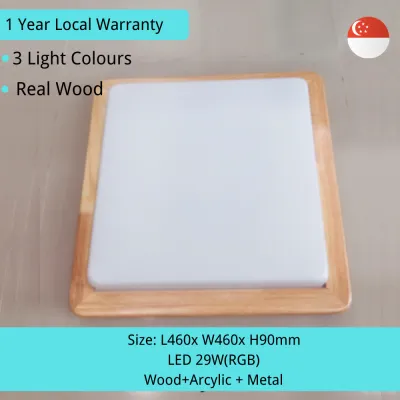
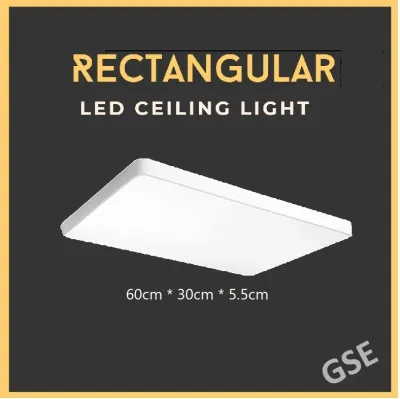
Prices are valid at publication and may change. Please refer to the product page for the latest price.
In Singapore, where compact housing layouts like HDB flats and executive condominiums are the norm, this design philosophy offers significant spatial benefits. Traditional, bulky light fixtures can easily overwhelm a small kitchen, making the ceiling feel lower and the walls more restrictive. Japandi pendant lights, with their minimalist profiles and light-toned materials, introduce a sense of visual lightness. They allow air and light to flow freely through the space, creating an open, breezy atmosphere that makes even a narrow galley kitchen feel substantially larger and more inviting.
Beyond spatial aesthetics, pendant lighting plays a critical functional role in modern Singaporean home layouts. Many contemporary BTO flats and renovated older apartments feature open-concept kitchens that flow seamlessly into the dining and living areas. In these open-plan layouts, a strategically placed pendant light acts as a visual anchor. By hanging a fixture over a kitchen island, breakfast counter, or peninsula, you create a distinct zone for dining and socializing without the need for physical walls or partitions, maintaining the home’s spacious flow while establishing clear functional boundaries.
Choosing a Kitchen Light Ceiling Fixture: Key Technical Checks
Before committing to a specific design based solely on its visual appeal, you must evaluate several crucial structural and environmental factors. The kitchen is one of the most demanding zones in any home, characterized by rapid temperature fluctuations, high moisture levels, and airborne oils. A fixture that looks beautiful in a showroom may fail quickly if it is not engineered to withstand these specific conditions.

Ceiling Height Constraints
The standard ceiling height in most Singapore HDB flats ranges from 2.6 meters down to 2.4 meters if false ceilings have been installed to conceal wiring or air conditioning ducts. Private condominiums may offer slightly more vertical space, but they still present limitations. Installing a long, rigid-stem pendant light in a low-ceilinged room can make the space feel cramped and create a physical hazard for taller household members. When shopping for a kitchen light ceiling fixture, prioritize designs with highly adjustable fabric cords or aircraft cables rather than fixed metal rods. This adjustability allows you to fine-tune the hanging height to match your specific ceiling plane, ensuring the fixture sits comfortably above eye level while still providing focused illumination.
Material Durability in Kitchens
Singapore’s tropical climate features high relative humidity, often hovering above 80% year-round. When you add the steam and grease generated by daily cooking—especially traditional Asian cooking techniques like stir-frying or searing—the kitchen environment becomes highly corrosive. Unsealed, highly porous materials like raw timber, untreated bamboo, or delicate paper will rapidly absorb moisture and airborne oils. Over time, this leads to warping, deep grease staining, mold growth, and structural degradation. For active cooking zones, you must select fixtures crafted from non-porous or thoroughly sealed materials. Look for hardwoods treated with water-resistant matte lacquers, anodized or powder-coated aluminum, and tempered glass, which resist moisture absorption and can be easily wiped clean.
Illumination Requirements
A successful kitchen lighting scheme requires a careful balance between ambient glow and direct task lighting. Ambient lighting provides general illumination, preventing dark corners and reducing eye strain, while task lighting delivers a focused beam of light onto work surfaces like countertops, sinks, and cooktops. The ideal Japandi pendant should strike a balance, offering a soft, glare-free downward light. Pay close attention to the light bulb specifications; a color temperature of 3000K (warm white) is excellent for creating a cozy atmosphere during meals, but a neutral white of 4000K is far superior for food preparation safety, allowing you to clearly see what you are chopping, washing, or cooking. Consider using dimmable smart LED bulbs to easily transition between these two modes.
Electrical and Safety Specifications
Singapore’s residential electrical grid operates on a standard voltage of 230V AC at a frequency of 50Hz. Any light fixture you purchase must be rated for this voltage to ensure safe, stable operation. When sourcing fixtures, particularly from international suppliers, always verify that the product carries recognized safety certifications, such as the Singapore SAFETY Mark issued by Enterprise Singapore. Additionally, check the maximum wattage rating of the light socket (typically an E27 or GU10 base). Exceeding the manufacturer’s specified wattage limit can cause excessive heat buildup within the pendant’s shade, leading to melted sockets, damaged wiring, and a heightened risk of electrical fires.
Best Japandi Pendant Designs for Kitchen Ceilings
To help you navigate the vast array of options available on the market, we have categorized the most successful Japandi pendant designs into three distinct archetypes. Each style offers a unique balance of aesthetic warmth and practical performance, allowing you to choose the perfect match for your cooking habits and kitchen layout.
Minimalist Wood and Matte Metal Pendants
For homeowners who cook frequently and require a highly practical, low-maintenance lighting solution, the combination of minimalist wood and matte metal is unmatched. These fixtures typically feature a sleek, geometric metal shade—such as a cone, dome, or cylinder—topped with a solid wood collar or bracket made from oak, ash, or walnut. The metal surfaces are finished with a durable, powder-coated matte paint in neutral tones like sand, charcoal, forest green, or off-white, echoing the earthy color palette of Japandi design.
The primary functional benefit of this design lies in its ease of maintenance. The smooth, non-porous powder-coated metal shade and the sealed wood accents do not absorb airborne grease or steam. After a heavy cooking session, any residue can be easily wiped away with a damp cloth. Furthermore, the solid metal shade acts as a natural reflector, directing the light downward in a concentrated beam. This makes these pendants exceptionally well-suited for hanging directly over kitchen islands, prep counters, or sink areas where high-visibility task lighting is essential.
Woven Rattan and Bamboo Pendants
If your design goal is to maximize organic texture and introduce a warm, rustic element to your kitchen, woven rattan and bamboo pendants are an excellent choice. These fixtures showcase the artisanal craftsmanship central to Japanese design, using natural fibers to create intricate, open-weave patterns. When illuminated, the light filters through the gaps in the weave, casting soft, dappled shadow patterns across the walls and ceiling, instantly softening the clean, hard lines of modern kitchen cabinetry.
However, these natural fibers come with significant maintenance trade-offs that you must carefully consider. The intricate, porous surfaces of woven rattan and bamboo act as natural traps for dust, moisture, and airborne cooking oils. If placed in a high-grease wet kitchen, the fibers will quickly become sticky, attracting dust that is incredibly difficult to clean without damaging the delicate weave. Therefore, these pendants are best reserved for dry kitchens, open-plan dining areas situated away from the stove, or homes with light cooking habits and highly efficient range hood ventilation systems.
Frosted Glass and Paper-Inspired Lanterns
Traditional Japanese interiors frequently feature shoji paper lanterns, which emit a soft, beautifully diffused, and glare-free glow. While authentic paper lanterns are highly impractical and dangerous in a kitchen due to their flammability and susceptibility to staining, modern lighting designers have successfully replicated this aesthetic using frosted, ribbed, or opal glass. These glass pendants feature soft, organic shapes—such as perfect spheres, elongated ovals, or pleated structures—that mimic the delicate look of folded paper while offering modern durability.
Glass provides a massive functional advantage over paper in a kitchen environment. It is completely non-porous, highly heat-resistant, and chemically stable, meaning it will not degrade when exposed to steam or grease. A simple wipe with a glass cleaner restores its pristine, translucent appearance. Because frosted glass diffuses light in all directions, these pendants excel at providing ambient illumination, making them a fantastic central lighting choice for smaller, enclosed galley kitchens or as a welcoming light source over a cozy breakfast nook.
Hanging Heights and Installation Safety
Achieving the perfect balance between aesthetic appeal and physical safety requires precise planning when hanging your pendant lights. Incorrectly positioned fixtures can disrupt the visual flow of your kitchen, cast awkward shadows on your workspace, or even become a physical hazard that leads to painful head bumps.
Hanging Clearances
When installing pendant lights over a kitchen island, peninsula, or dining counter, a universally accepted rule of thumb is to maintain a clearance of 75cm to 90cm between the top of the counter and the bottom edge of the light fixture. This height ensures that the light source is low enough to provide effective task illumination without blocking your sightlines across the room when standing or sitting. If your kitchen features a standard HDB ceiling height of 2.4 meters, you may need to adjust this clearance toward the higher end of the spectrum (around 85cm to 90cm) to keep the space feeling open and to prevent the fixtures from dominating the room visually. For walkways or areas above a kitchen sink where you stand frequently, ensure the bottom of the pendant sits at least 2.1 meters above the finished floor to guarantee safe passage.
Spacing and Grouping
To create a balanced, harmonious look over a long counter or island, you must carefully calculate the spacing between multiple fixtures. If you are installing a pair of pendants, place them so that they are centered over the counter, with the distance between the two fixtures roughly matching the distance from each fixture to the outer edge of the counter. For longer islands requiring three pendants, space the fixtures evenly, keeping them approximately 60cm to 75cm apart. Always ensure that the outermost pendants sit at least 30cm inward from the edges of the countertop to maintain visual balance and prevent the fixtures from being accidentally bumped by people moving around the ends of the island.
Electrical Safety and Compliance
Because Singapore’s residential electrical system operates at a high voltage of 230V, safety must be your absolute priority during any installation or modification. Before purchasing any pendant light, always check that it has been tested and certified for the local market. Look for the registered SAFETY Mark on the product packaging or the fixture itself, which indicates that the item complies with the safety requirements established by Enterprise Singapore. Using uncertified fixtures imported directly from overseas online marketplaces can pose severe risks, including short circuits, electrical shocks, and localized electrical fires due to substandard insulation or incompatible wiring.
Professional Installation Boundaries
While changing a light bulb is a simple task that any homeowner can perform, installing a new pendant light or modifying your kitchen’s existing electrical layout involves strict safety boundaries. Before inspecting any electrical connections or mounting brackets, you must isolate the power by turning off the corresponding circuit breaker at your home’s main Distribution Board (DB) box; relying solely on the wall switch is insufficient and highly dangerous.
Furthermore, always hire a licensed electrical worker certified by the Energy Market Authority (EMA) to handle the actual installation. This is especially critical if your project involves:
- Modifying fixed electrical wiring or adding new light points on the ceiling.
- Drilling into concrete ceilings, which requires specialized rotary hammer drills and high-quality masonry wall plugs to prevent structural damage.
- Installing heavy fixtures, such as solid-wood or large glass pendants, onto a false ceiling. False ceilings are typically constructed from thin plasterboard and cannot support heavy loads; a licensed professional will know how to reinforce the ceiling structure using plywood backing boards or secure the mounting bracket directly to the underlying metal frame or concrete slab above.
Cleaning and Maintaining Natural Materials
To preserve the serene beauty and extend the lifespan of your Japandi pendant lights in a busy kitchen, you must establish a regular cleaning and maintenance routine tailored to the specific materials of your fixtures.
Sealed Wood and Metal
For pendants featuring matte powder-coated metal and sealed wood accents, cleaning is relatively straightforward but requires a gentle touch. Use a dry, clean microfiber cloth to remove loose dust on a weekly basis. If a layer of cooking grease has settled on the surfaces, lightly dampen the microfiber cloth with a solution of warm water and a few drops of mild, pH-neutral dish soap. Gently wipe the surfaces, taking care not to saturate any wooden components. Never use abrasive scrubbing pads, steel wool, or harsh chemical degreasers containing ammonia, bleach, or alcohol. These aggressive substances will strip away the matte finish of the metal and dissolve the protective lacquer on the wood, leaving it vulnerable to moisture and rot.
Textured and Woven Surfaces
Woven materials like rattan and bamboo require a different approach to prevent dust and grease from bonding within the intricate crevices of the weave. Use a soft-bristled brush, a clean duster, or a vacuum cleaner equipped with a soft dusting brush attachment to gently dislodge and remove dust once a week. If the fibers have accumulated a sticky residue from cooking oils, do not soak the material. Instead, use a very slightly damp cloth with mild soapy water to gently dab the affected areas, then immediately dry the spot with a clean towel. Ensure the fixture is completely dry before turning the power back on, as moisture trapped in the weave can lead to mold growth when exposed to the gentle heat of the light bulb.
Routine Checks
In addition to regular cleaning, perform a comprehensive inspection of your lighting fixtures every six months. Turn off the power at the main DB box and check the ceiling canopy, mounting bracket, and hanging cord for any signs of wear, physical damage, or heat-induced discoloration. Ensure that the cord remains supple and free of cracks. Finally, double-check that the light bulb currently installed in the fixture does not exceed the maximum wattage limit specified by the manufacturer. Using a bulb with a wattage that is too high can cause silent, gradual heat damage to the socket and wiring, posing a serious safety hazard over time.
Frequently Asked Questions (FAQ)
Is it safe to hang rattan pendants directly over a gas stove?
No, hanging rattan or any other natural fiber pendant light directly over a gas stove is highly unsafe and strongly discouraged. Rattan, bamboo, and paper are highly combustible organic materials that present a severe fire hazard when placed in close proximity to open flames, intense heat, or rising sparks. Furthermore, the area directly above a stove is subjected to the highest concentration of steam, intense heat, and heavy grease splatter. Exposing natural fibers to these extreme conditions will cause them to rapidly discolor, warp, become sticky with grease, and potentially develop mold. For the zone directly above or adjacent to your cooktop, always opt for non-combustible, easily cleanable materials such as powder-coated metal or tempered glass, and ensure they are installed at a safe distance in accordance with local fire safety guidelines.
How do I choose the right bulb color for a Japandi kitchen?
To achieve the ideal balance between the cozy, relaxing aesthetic of Japandi design and the practical visibility required for kitchen work, you should implement a layered lighting strategy with different bulb colors. For your pendant lights, which serve as the visual centerpiece and ambient anchor of the room, choose warm white bulbs with a color temperature of 2700K to 3000K. This warm light beautifully enhances the natural grain of wood accents and creates a welcoming, comfortable atmosphere perfect for dining and socializing. However, because warm light can make precise tasks like chopping or measuring ingredients difficult, supplement your pendants with dedicated task lighting. Install neutral white (4000K) LED strips under your cabinets or use recessed ceiling downlights on a separate switch. This allows you to have bright, clear light while preparing meals, which you can turn off in favor of the soft, warm glow of your Japandi pendants when it is time to relax.
Community discussion
Share your experience or ask a question. Comments are reviewed before publication.