
Finding the perfect balance between Japanese minimalism and Scandinavian warmth is the key to mastering the Japandi aesthetic in your home. In Singapore’s urban apartments, where the dining area often serves as a multi-functional hub for meals, remote work, and hosting, selecting the right dining lights is both a design and a functional priority. The ideal Japandi-style pendant light provides comfortable illumination while acting as a serene visual anchor that makes your dining space feel grounded, spacious, and inviting.
To achieve this look, you must look beyond simple light fixtures and focus on how natural textures, clean lines, and soft light diffusion interact with your interior. Because Singaporean homes often feature specific architectural layouts—such as standard ceiling heights in Housing & Development Board (HDB) flats and concrete soffits in condominiums—your choice of lighting must be carefully calibrated. By understanding the core design principles and matching them with practical spatial guidelines, you can select a fixture that elevates your daily dining experience.
Defining the Japandi Aesthetic for Dining Lights
The Japandi design philosophy is a harmonious fusion of two distinct yet complementary design movements: Japanese wabi-sabi and Scandinavian hygge. While wabi-sabi teaches us to find beauty in natural imperfections, organic textures, and weathered simplicity, hygge emphasizes cozy comfort, functional clarity, and warm hospitality. When these two concepts meet in a dining light, they create an aesthetic that is clean but never cold, and rustic but never cluttered.
Products mentioned in this guide
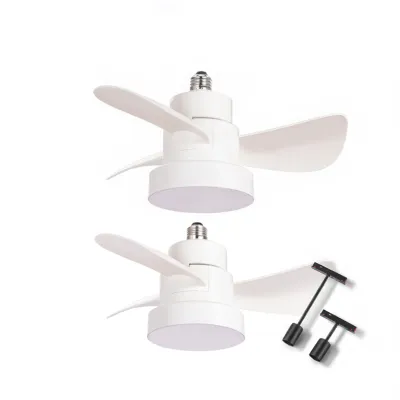
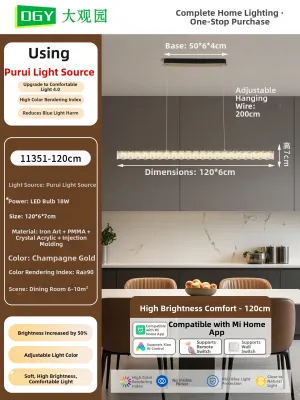
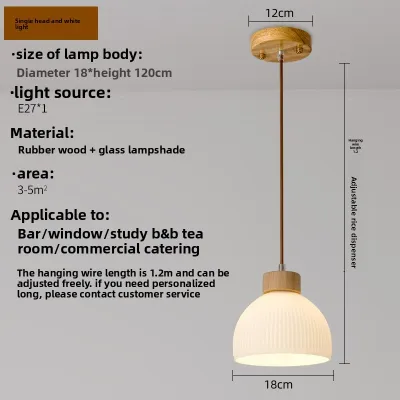
Prices are valid at publication and may change. Please refer to the product page for the latest price.
Material choice is the cornerstone of any authentic Japandi light fixture. You should look for materials that feel tactile and connected to the natural world. Woven rattan, sustainably sourced bamboo, delicate washi or rice paper, spun light woods like oak or ash, and matte ceramics are excellent choices. These materials stand in stark contrast to high-gloss metals or ornate crystal, prioritizing a quiet, understated presence that respects the space around it.
The color palette of Japandi dining lights is deeply rooted in nature. Think of soft, warm neutrals, sandy beige, muted charcoal blacks, terracotta, and soft, off-white tones. These colors do not compete for attention; instead, they harmonize with the surrounding walls and wooden furniture, creating a cohesive visual flow.
Clean, purposeful lines define the silhouette of these fixtures. Whether it is a perfectly balanced dome, a soft paper sphere, or a gently tapered ceramic cone, every curve and angle serves a purpose. There are no superfluous decorations or intricate carvings. The beauty of the fixture lies entirely in its form, the texture of its material, and the way it shapes the light passing through it.
Sizing and Hanging Guidelines for Singapore Ceilings
Selecting a beautiful pendant light is only half the battle; the fixture must also fit the physical proportions of your dining room. In Singapore, where space is highly optimized, hanging a light that is too large can make a room feel cramped, while a light that is too small will look lost and fail to provide adequate illumination.

Matching Fixture Size to Your Dining Table
To keep your dining area visually balanced, use the width of your dining table as your primary guide. A reliable rule of thumb is to choose a pendant light with a diameter that is roughly one-half to two-thirds the width of the table. For example, if you have a dining table that is 90 centimeters wide, a pendant light with a diameter of 45 to 60 centimeters will look proportional and provide balanced coverage.
You must also consider the visual weight of the material. An open-weave rattan dome or a translucent rice paper lantern has a very light visual weight, meaning you can choose a slightly larger size without overwhelming the room. Conversely, a solid, heavy material like matte concrete or dark ceramic has a high visual weight and should be kept on the smaller side of the spectrum to avoid making the dining zone feel top-heavy.
Adjusting Drop Height for HDB and Condo Ceilings
The height at which you hang your dining lights directly affects both eye comfort and the overall flow of conversation. The standard recommendation is to position the bottom of the pendant shade between 70 centimeters and 80 centimeters above the surface of your dining table. This height is low enough to focus light beautifully on your food and table settings, yet high enough to keep the light source out of your direct line of sight when you are talking to someone across the table.
In Singapore, standard HDB ceilings typically measure around 2.6 meters from floor to concrete slab, while some condominiums may offer slightly more or less clearance. If you have a lower ceiling, a long, dramatic drop rod can create visual crowding and pose a head-bumping hazard when people stand up. In these spaces, look for fixtures with adjustable textile cords or shorter drop rods. If your ceiling is exceptionally low, consider semi-flush Japandi fixtures that hug the ceiling while still offering the warmth of natural materials.
Arranging Multiple Pendants for Long Tables
If you have a long rectangular dining table, a single central pendant may not distribute light evenly to the ends of the table. In this scenario, arranging a series of two or three smaller matching pendants is a highly effective solution. This layout creates a sense of rhythm and ensures that every diner enjoys the same level of light.
To arrange multiple pendants, start by identifying the center point of the table and space the fixtures evenly outwards. Keep a consistent gap of about 60 centimeters to 75 centimeters between each pendant. Additionally, ensure that the outermost lights are positioned at least 15 centimeters to 30 centimeters inward from the edges of the table to prevent light from spilling uselessly into walkways and to maintain a clean, balanced look.
Best Japandi Pendant Styles to Consider
Different materials and shapes produce entirely different lighting effects and moods. Depending on whether you prioritize cozy ambiance, focused task lighting, or a sculptural statement, several key Japandi styles are highly suited to Singaporean dining rooms.
Woven Rattan and Bamboo Domes
Woven rattan and bamboo dome pendants bring an organic, breezy texture to the dining room, making them incredibly popular in Singapore’s warm, tropical climate. These fixtures excel at breaking up the clean, flat surfaces of modern plastered walls and synthetic countertops by introducing a touch of natural warmth.
When illuminated, the open-weave structure of rattan filters the light, casting soft, patterned shadows across the walls and ceiling. This creates a relaxed, resort-like atmosphere that makes dinner feel like a slow, comforting escape. Because they are lightweight and visually airy, they keep your dining space feeling open and uncluttered.
Rice Paper and Washi Lanterns
Drawing deep inspiration from traditional Japanese homes, modern rice paper and washi paper lanterns have been reimagined with minimalist frames and clean geometries. These pendants act as glowing sculptural spheres that float effortlessly above the dining table.
The primary benefit of paper lanterns is their unparalleled ability to diffuse light. Instead of directing a harsh beam downward, the paper shade scatters the light in all directions, producing a soft, glare-free glow. This gentle illumination is incredibly flattering for both food and faces, making it perfect for long, leisurely family dinners.
Spun Wood and Matte Metal Shades
If your taste leans slightly more toward the Scandinavian side of Japandi, look for spun wood and matte metal dome pendants. These fixtures typically feature a clean, geometric shade made of matte black or soft white metal, crowned with a warm, natural wood accent at the top of the fixture where the cord connects.
This style is highly functional because the solid metal shade prevents light from spilling out of the sides, directing a focused beam of task lighting straight down onto the dining table. This creates a beautiful spotlight effect on your meals, keeping the surrounding room slightly dimmer for an intimate, restaurant-like dining experience.
Minimalist Ceramic and Concrete Pendants
For homeowners who appreciate the raw, earthy side of wabi-sabi, raw ceramic and concrete pendants are an exceptional choice. These fixtures celebrate tactile, unpolished surfaces, often featuring subtle variations in color, tiny air pockets, and natural textures that make each piece unique.
Ceramic and concrete pendants carry a sense of permanence, grounding the dining space with quiet luxury. Because these materials are completely opaque, they provide direct, downward lighting. They work beautifully when hung low over a small round table, creating a highly focused, warm, and intimate dining pocket within an open-plan home.
Lighting Specs for a Comfortable Dining Experience
A beautiful pendant light is only as good as the light bulb inside it. To ensure your dining lights are functional, comfortable, and flattering, you must pay close attention to the technical specifications of your light source.
- Color Temperature: For a dining space, you should always aim for a warm, inviting glow. Look for bulbs with a color temperature between 2700K and 3000K (often labeled as Warm White). This range mimics the gentle warmth of candlelight or early evening sun, helping your mind and body wind down after a busy day.
- Color Rendering Index (CRI): The CRI measures how accurately a light source reveals the true colors of objects compared to natural sunlight. To make your home-cooked meals look vibrant and appetizing, choose bulbs with a CRI of 90 or higher. A low CRI can make fresh food look dull, grey, or unappealing.
- Glare Control: To prevent uncomfortable eye strain, choose fixtures that shield the bare bulb from view. Look for pendants with deep-set sockets, frosted glass diffusers at the bottom, or shades that direct light away from eye level. If you choose an open-weave or paper pendant, pair it with a frosted LED bulb rather than a clear filament bulb to soften the light source.
- Dimmability: Your dining table is a multi-use space. It needs to be bright and clear when you are prepping food, working, or helping children with homework, but soft and dim when you are hosting a dinner party. Opt for dimmable fixtures, or simply install smart bulbs that allow you to adjust the brightness and color temperature directly from your phone or a wireless remote.
Buying and Installation Checklist for Singapore Homes
Before you purchase your dream Japandi pendant light, there are several practical, structural, and safety considerations unique to Singapore homes that you must verify.
First, always confirm the electrical compatibility of your chosen fixture. Singapore’s standard residential electrical system operates at 230V. If you are ordering a designer light online from overseas, double-check that the fixture is rated for this voltage and uses standard, locally available bulb bases (such as E27 or E14) to make finding replacement bulbs easy. Ensure the total wattage of your bulbs does not exceed the maximum limit specified by the manufacturer.
Second, assess the structural integrity of your ceiling. Solid concrete ceilings can easily support almost any light fixture, but many modern HDB flats and renovated condos feature gypsum false ceilings to conceal wiring or air-conditioning ducts. False ceilings have strict weight limits. If you are planning to hang heavy ceramic, concrete, or large multi-light metal fixtures, you must ensure your contractor installs proper timber or metal reinforcements behind the plasterboard to prevent the ceiling from sagging or collapsing.
Third, understand the boundaries of professional installation. While changing a light bulb is a simple task, installing new fixed wiring, mounting heavy brackets, or adjusting complex multi-pendant canopy systems requires working with live electricity and working at heights. For your safety and to comply with local regulations, always isolate the power at your main distribution board (DB box) before any work begins. It is highly recommended to engage an Energy Market Authority (EMA) licensed electrician to handle the installation, ensuring all connections are safe, grounded, and secure.
Finally, when sourcing your lights, take time to explore local lighting showrooms along Balestier Road or Jalan Besar, as well as curated home galleries across Singapore. Visiting these spaces allows you to touch the materials, inspect the weave of the rattan, and see the actual light diffusion in person. Always verify the retailer’s return policy and warranty terms, especially when purchasing delicate materials like hand-made paper or fragile ceramics.
Frequently Asked Questions (FAQ)
Are Japandi pendants suitable for small HDB dining nooks?
Yes, Japandi pendants are exceptionally well-suited for compact HDB dining nooks because the style inherently prioritizes simplicity and space-saving design. To keep a small area from feeling cramped, opt for lightweight, high-translucency designs like a small paper lantern or an open-weave rattan dome. These styles allow light and sightlines to pass through them, preserving a sense of spaciousness. Alternatively, choose a single, slim-profile wooden cone pendant that directs light precisely onto your table without taking up unnecessary visual space in the room.
How should I clean and maintain natural materials like rattan or paper?
Natural materials require gentle care to maintain their beauty and structural integrity in Singapore’s humid climate. For paper or washi lanterns, avoid all liquids and simply use a dry microfiber cloth, a soft feather duster, or a gentle bulb syringe to blow away dust. For woven rattan and bamboo, use a soft-bristle brush to clean out dust from the crevices. Avoid using harsh chemical cleaners, wet wipes, or excessive water, which can cause natural fibers to swell, mold, or warp. Keep these natural materials away from direct, freezing air-conditioning drafts to prevent them from becoming brittle over time.
Community discussion
Share your experience or ask a question. Comments are reviewed before publication.