
Understanding Ritual Lamp Oil Options for the Hungry Ghost Festival
During the seventh lunar month, the Hungry Ghost Festival (Zhong Yuan Jie) observed in Singapore is a period of deep spiritual significance. Lighting oil lamps is a foundational ritual during this time, symbolizing the path of guidance, respect, and continuity. The light from these lamps is culturally believed to illuminate the way for wandering spirits and ancestors, offering them warmth and direction as they visit the earthly realm. Selecting the correct ritual lamp oil (灯油) is essential to keeping these symbolic flames burning safely and consistently throughout the month-long observance.
While traditional practices have deep roots, modern urban living environments require worshippers to evaluate their choices carefully. Historically, the selection of lamp oil was straightforward, relying on whatever fats or fuels were readily available. Today, the market offers a diverse range of options, from traditional plant-based oils and standard kerosene to highly refined liquid paraffin and scented alternatives. Each of these fuels possesses distinct chemical properties that dictate how they burn, how much residue they leave behind, and where they can be safely used.
When choosing a lamp oil for your festival rituals, several key evaluation dimensions must be considered. Smoke production is a primary concern, as heavy soot can damage indoor ceilings and irritate the eyes. Odor is another critical factor, particularly in enclosed spaces where strong chemical fumes can quickly become overwhelming. Additionally, burn duration, wick compatibility, and overall safety boundaries must be matched to your specific environment, such as an indoor home altar, a common HDB corridor, or an open-air community void deck.
Products mentioned in this guide
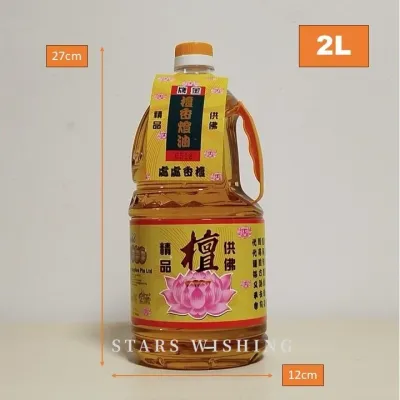
Prices are valid at publication and may change. Please refer to the product page for the latest price.
Ultimately, the best lamp oil is not a one-size-fits-all solution. The optimal choice depends entirely on the physical location of your altar and the local ventilation conditions. By understanding the practical differences between traditional and modern fuels, you can ensure your festival rituals remain respectful, culturally authentic, and fully compliant with modern urban safety standards.
Traditional Lamp Oils: Cultural Significance and Practical Limits
Plant-Based Oils (Peanut or Rapeseed Oil)
For generations, pure plant-based oils such as peanut oil, rapeseed oil, and soybean oil have been favored by older worshippers. These oils carry a strong sense of cultural authenticity and purity, as they are derived from natural agricultural sources. Many practitioners believe that offering natural, food-grade substances to deities and ancestors represents the highest form of respect and sincerity during religious rituals.

In terms of burning characteristics, plant-based oils produce a warm, soft, and distinctly flickering flame that creates a traditional, solemn atmosphere. However, because these oils have a high viscosity, they do not travel up standard thin wicks easily. They require thicker, specialized cotton wicks to sustain a flame. As they burn, plant-based oils tend to generate a noticeable amount of heavy smoke and greasy soot. Over extended periods, they also emit a distinct cooking or frying odor that can saturate nearby fabrics and surfaces.
Because of these combustion properties, plant-based oils are best suited for well-ventilated outdoor areas or open-air temporary altars set up in spacious community grounds. Using them inside modern, enclosed apartments is highly discouraged. The greasy soot generated by burning peanut or rapeseed oil can quickly settle on white plaster walls and ceilings, leaving stubborn, yellowish stains that are exceptionally difficult to clean and may require repainting.
Traditional Kerosene
Historically, traditional kerosene was a staple fuel for outdoor ritual lamps and lanterns during the seventh lunar month. Worshippers favored it primarily for its exceptional burn time and low cost. A small volume of kerosene can keep a lamp lit for hours, making it a highly economical choice for large-scale public prayer sessions and community-wide festival setups.
Despite its practical efficiency, traditional kerosene carries significant drawbacks that make it increasingly unsuitable for modern residential settings. As a petroleum distillate, kerosene burns with a sharp, highly recognizable chemical odor that can cause headaches or respiratory discomfort in poorly ventilated spaces. It also produces heavy, black smoke laden with fine particulate matter, which can rapidly degrade local air quality and leave thick, dark carbon deposits on any surrounding structures.
Due to these characteristics, strict safety boundaries must be observed. Standard kerosene should never be used for indoor home altars or along densely populated HDB residential corridors. The high volatility of kerosene increases the risk of accidental flare-ups, and the toxic smoke poses a direct health hazard to family members and neighbors. When purchasing kerosene for outdoor ritual use, always check the product label to verify its intended application and strictly follow all manufacturer safety warnings regarding open flames.
Clean Alternatives for Modern Urban and Indoor Altars
Highly Refined Liquid Paraffin (Smokeless and Odorless)
For indoor home altars and semi-enclosed urban spaces, highly refined liquid paraffin is the premier recommendation. This synthetic, highly purified hydrocarbon fuel is engineered specifically to eliminate the common nuisances associated with traditional lamp fuels. Through intensive refining processes, impurities that cause smoke and odor are thoroughly removed, resulting in a crystal-clear liquid that burns exceptionally clean.
When burned correctly, highly refined liquid paraffin produces virtually no smoke and is completely odorless. It does not release dark carbon soot, meaning your indoor walls, ceilings, and delicate religious statues remain free from unsightly discoloration. Furthermore, liquid paraffin burns with an incredibly stable, bright, and consistent flame that is less prone to flickering or flaring up when exposed to minor indoor drafts, providing a peaceful and clean environment for daily prayers.
However, liquid paraffin does have specific limitations and trade-offs. It is generally more expensive than traditional plant oils or standard kerosene due to the complex manufacturing and purification processes involved. Additionally, because of its low viscosity, it requires specific wick materials to burn efficiently. It is highly recommended to use thin, tightly woven cotton wicks or specialized fiberglass wicks designed specifically for liquid paraffin. Standard thick cotton wicks meant for heavy plant oils will draw too much fuel, which can lead to unnecessary smoking. Always verify wick compatibility on the product packaging before lighting your lamp.
Citronella-Infused Ritual Oils
Citronella-infused ritual oils have emerged as a highly functional alternative, particularly for ground-level outdoor altars and common corridor worship setups. These oils blend refined lamp fuel with natural citronella extracts, offering a unique combination of spiritual utility and practical convenience during the seventh lunar month.
In Singapore, the Hungry Ghost Festival often coincides with the humid, rainy season, which naturally leads to an increase in mosquito activity around outdoor prayer areas. Citronella-infused oils serve a dual purpose: they provide a clean, steady burn for your ritual lamps while simultaneously releasing a natural fragrance that helps repel mosquitoes and other flying insects. This makes the outdoor prayer experience significantly more comfortable for family members standing near the altar to offer joss sticks and prayers.
Despite these practical benefits, a cultural caveat should be kept in mind. Traditional temple guidelines or older family members may prefer completely unscented, pure oils for formal deity worship, as scented products can sometimes be perceived as distracting or non-traditional. To maintain cultural harmony, it is often best to reserve citronella-infused oils for general ancestor altars or ground-level offerings dedicated to wandering spirits, while sticking to pure, unscented refined paraffin for the main deities.
Decision Guide: Matching Lamp Oil to Your Worship Environment
Selecting the right lamp oil requires matching the fuel’s burning characteristics to the specific physical environment of your worship setup. High-density urban living in Singapore means that your choice of fuel can directly impact your indoor air quality, your home’s interior maintenance, and your relationship with your neighbors.
To make an informed decision, follow this practical pathway based on your altar’s location:
- Indoor Home Altars: To protect your indoor air quality and prevent soot damage to your home, strictly use highly refined, smokeless, and odorless liquid paraffin. Avoid all plant oils and kerosene indoors.
- HDB Corridors and Void Decks: When praying in shared residential spaces, community consideration is paramount. Use clean-burning liquid paraffin or citronella-infused oils to minimize smoke drift into neighboring units, and completely avoid traditional kerosene to prevent smoke complaints.
- Open-Air Outdoor Altars: For temporary altars set up in open, grassy fields or designated community burning areas, traditional plant-based oils are highly acceptable. Their smoke will dissipate naturally in the open air, though proper fire safety distances must still be maintained.
| Oil Type | Smoke Level | Odor | Best Environment | Wick Compatibility |
|---|---|---|---|---|
| Refined Liquid Paraffin | Extremely Low (Smokeless) | None | Indoor Altars & HDB Corridors | Fiberglass or Thin Cotton |
| Citronella-Infused Oil | Low | Mild Citronella | Outdoor Altars & Corridors | Fiberglass or Thin Cotton |
| Plant-Based Oils | Medium to High | Mild Cooking Smell | Well-Ventilated Outdoors | Thick Cotton |
| Traditional Kerosene | Very High | Strong Chemical | Open-Air Public Areas | Heavy Cotton or Canvas |
Before purchasing any lamp oil from local religious supply shops or online marketplaces, always read the manufacturer’s label carefully. Pay close attention to the indicated flash point, safety warnings, and storage instructions to ensure the product is safe for your intended setup.
Essential Safety and Maintenance Practices for Oil Lamps
Placement and Clearance
Operating open-flame oil lamps requires strict adherence to fire safety protocols. Always place your oil lamps on stable, flat, and non-flammable surfaces, such as heavy ceramic plates or metal trays. Keep the lamps a safe distance away from highly combustible materials, including paper offerings (joss paper), decorative plastic flowers, curtains, and incense burner drafts. Ensure the lamps are shielded from strong winds that could knock them over or cause the flame to jump to nearby items.
Safe Refilling Protocol
An absolute safety rule when handling lamp oil is to never attempt to refill a lamp while it is lit or still hot. If you need to replenish the fuel, first extinguish the flame completely. Allow the lamp and the remaining oil reservoir to cool down to room temperature. Carefully wipe away any accidental oil spills on the outside of the lamp container using a dry cloth or paper towel before relighting, as spilled oil on the exterior can ignite and cause a dangerous flare-up.
Wick Maintenance
Proper wick management is critical to controlling both the size of the flame and the amount of smoke produced. A wick that is pulled too high out of the burner collar will draw excess fuel, resulting in a tall, unstable flame and heavy smoking, regardless of how clean the oil is. Trim your wick to the manufacturer’s recommended length—typically just two to three millimeters above the collar. Additionally, ensure you match your wick material to your oil type, using fiberglass for low-viscosity paraffin and cotton for high-viscosity plant oils.
Emergency Preparedness
When conducting rituals in common corridors or outdoor community spaces, always have basic emergency fire safety equipment within arm’s reach. Keep a dry powder fire extinguisher, a bucket of dry sand, or a heavy fire blanket nearby. Crucially, never use water to extinguish an oil fire; pouring water onto burning lamp oil will cause the fuel to splash, rapidly spreading the fire across a larger area.
Frequently Asked Questions (FAQ)
Can I use everyday cooking oil from my kitchen for ritual lamps?
While pure plant-based cooking oils like canola, peanut, or soybean oil will technically support a flame, they are not formulated for standard decorative or ritual lamp wicks. Cooking oils have a very high viscosity, which quickly clogs standard wicks and prevents the fuel from drawing up smoothly. This results in a weak, sputtering flame, heavy greasy smoke, and a strong cooking odor that can attract pests. For a clean, safe, and reliable burn, always use oils specifically formulated and commercially labeled for ritual lamp use.
How should I store and dispose of leftover lamp oil safely?
Unused lamp oil must always be stored in its original, tightly sealed container with the manufacturer’s warning labels fully visible. Keep the container in a cool, dry place away from direct sunlight, heat sources, and strictly out of reach of children and pets; never transfer lamp oil into beverage bottles, as this poses a severe accidental poisoning hazard. For disposal, never pour leftover lamp oil down household sinks, toilets, or public storm drains, as it can damage plumbing and severely contaminate local water systems. Instead, seal the leftover oil in a secure container and consult your local municipal waste guidelines or take it to a designated hazardous household waste collection point for proper disposal.
Community discussion
Share your experience or ask a question. Comments are reviewed before publication.