
Quick Answer: Finding the Right Balance of Quality and Value
When searching for the ideal lava lamp light to enhance your home’s ambiance in Singapore, the best brand choice ultimately hinges on a fundamental trade-off: long-term durability and mesmerizing visual performance versus immediate budget convenience. For collectors and design enthusiasts seeking the iconic, fluid, and hypnotic motion that made these lamps famous, heritage brands such as Mathmos stand out as the gold standard. These premium manufacturers utilize proprietary, highly stable wax formulas and offer fully replaceable components, ensuring your investment lasts for decades rather than months.
Conversely, if you are looking for a casual decorative piece, a temporary novelty item for a child’s bedroom, or an affordable gift, generic marketplace brands available on local e-commerce platforms offer an accessible entry point. While these budget-friendly alternatives carry a significantly lower upfront cost, they frequently suffer from variable build quality, unpredictable wax flow, and a lack of official replacement parts. Navigating the Singapore market requires a careful evaluation of these brand tiers, alongside a strict check of local electrical compatibility, to ensure your ambient light source operates safely and beautifully in your living space.
Core Dimensions for Comparing Lava Lamp Light Quality
To make an informed purchase, it is essential to understand the physical and material elements that govern a high-quality lava lamp light. The iconic “lava” effect is not merely a visual trick; it is a delicate thermodynamic reaction occurring inside a sealed vessel. Evaluating these devices across four core dimensions ensures you select a model that performs consistently over time.
Products mentioned in this guide
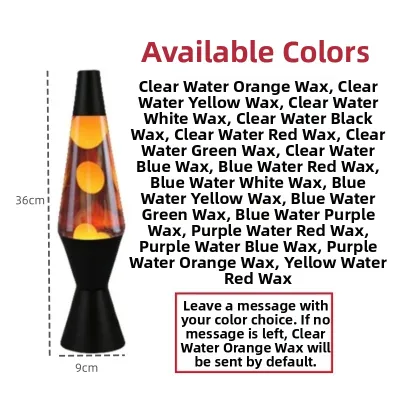
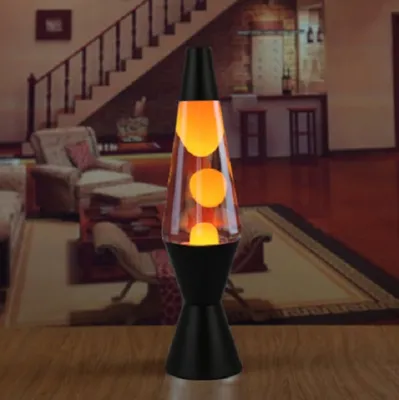
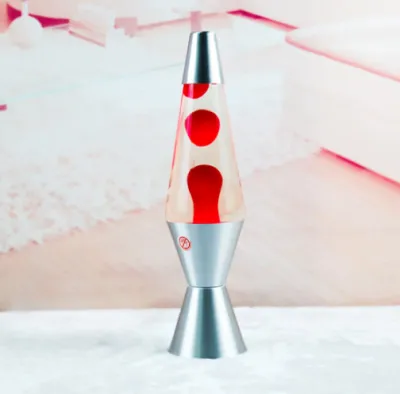
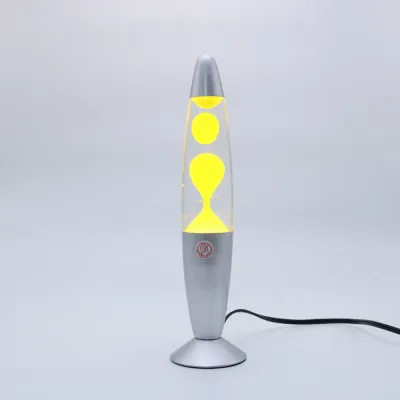
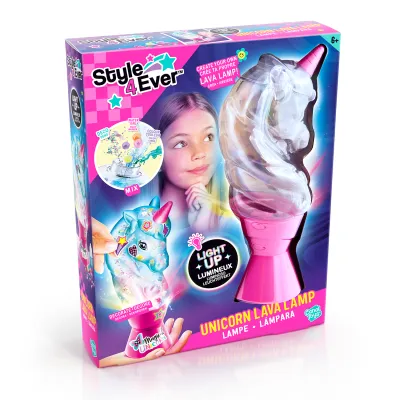
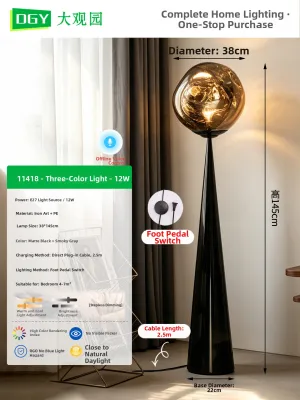
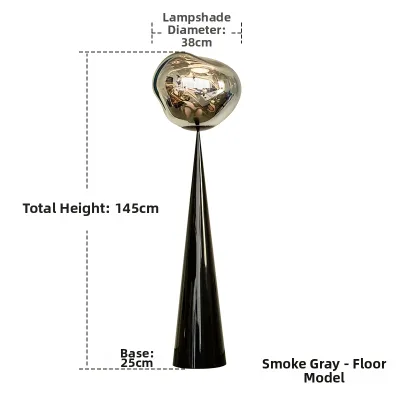
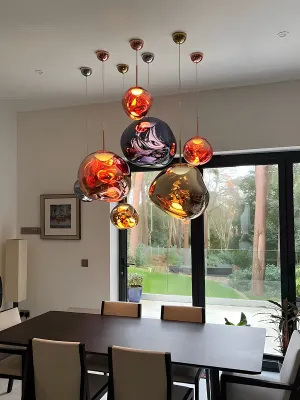
Prices are valid at publication and may change. Please refer to the product page for the latest price.

Wax Formula and Flow Dynamics The heart of any lava lamp is its proprietary wax blend, which typically consists of paraffin wax combined with density-adjusting chlorinated paraffins, suspended in a liquid medium of water, surfactants, and propylene glycol. In premium lamps, this formula is engineered to expand and contract predictably within a narrow temperature range. When heated, the wax becomes slightly less dense than the surrounding liquid, causing it to rise; as it nears the top and cools, its density increases, causing it to sink back down. High-quality formulas maintain this balanced cycle for hours without breaking apart into tiny, static droplets or leaving a sticky residue on the glass. Inferior wax blends, common in generic models, often clump together, fail to rise, or permanently cloud the surrounding liquid after only a few uses.
Build Quality and Materials The structural integrity of the lamp is paramount for both performance and safety. Premium models utilize thick, high-grade borosilicate or tempered soda-lime glass bottles that can withstand continuous thermal expansion and contraction without cracking. The base and cap are constructed from heavy-duty, precision-spun metals like aluminum or steel, providing a low center of gravity that prevents the lamp from tipping over. In contrast, budget options often feature thin, fragile glass and lightweight plastic bases that feel flimsy and present a higher risk of accidental tipping—a serious concern given the high operating temperatures of these devices.
Heat Efficiency and Bulb Type Unlike modern household fixtures that rely on cool-running LEDs, a lava lamp light requires a specialized heat source to function. This heat is supplied by a dedicated incandescent or halogen reflector bulb, typically an R39 or S11 shape with an E14 or E12 screw base, ranging from 15 to 40 watts. The wattage must be precisely calibrated to the volume of the liquid and wax. If the bulb’s heat output is too low, the wax remains a stagnant, solid dome at the bottom of the bottle. If the heat is too high, the wax overheats, remaining suspended at the top as a single blob or dispersing into inactive, floating spheres. High-quality brands carefully match their bulbs and housing designs to optimize this thermal balance, while generic brands often supply mismatched or low-grade bulbs that burn out quickly and are difficult to replace locally.
Price-to-Performance Ratio While a budget lava lamp can be purchased for as little as S$15 to S$30 on local online marketplaces, its lifespan is often limited. Once the bulb burns out or the liquid clouds, these generic units are frequently discarded, creating electronic waste. Premium heritage brands, which can range from S$100 to over S$250 when imported to Singapore, justify their cost through longevity. These manufacturers sell individual replacement bottles, specialized bulbs, and spare bases, allowing users to maintain and refresh their lamps indefinitely. Over a multi-year period, the total cost of ownership for a single premium, repairable lamp often proves more economical than repeatedly replacing cheap, disposable alternatives.
Comparing Lava Lamp Brand Categories in Singapore
Because Singapore does not have a large domestic manufacturing industry for novelty lighting, local consumers must choose between imported global heritage brands and unbranded generic imports. Understanding these two distinct market categories is key to setting realistic expectations for your purchase.
Heritage and Premium Brands
For those who appreciate design history and uncompromising quality, heritage brands represent the pinnacle of the lava lamp light industry. The most prominent name in this space is Mathmos, the British company founded by Edward Craven Walker, the original inventor of the lava lamp in 1963. Mathmos lamps, such as the classic Astro and Neo models, are celebrated for their exceptionally smooth, organic wax movement, crystal-clear liquids, and high-end metallic finishes. Another major player is Lava Lite (marketed as “Lava the Original” in North America), which has defined the classic retro aesthetic for decades.
The primary strength of these legacy brands lies in their meticulous quality control and commitment to product longevity. Their wax formulations are highly guarded trade secrets, designed to prevent fading under UV light and resist clouding even after years of regular use. Furthermore, they support their products with a robust ecosystem of spare parts. If you wish to change your room’s color scheme, you can simply purchase a new pre-filled bottle in a different colorway rather than buying an entirely new lamp.
However, acquiring these premium brands in Singapore presents specific challenges. Because they lack direct brick-and-mortar retail distribution in the country, local buyers must source them through specialized design importers, direct international shipping, or reputable online resellers. This process incurs high shipping fees due to the weight of the glass and liquid, and buyers must exercise caution to ensure they are purchasing authentic products rather than cheap counterfeits trading on the brand names.
Budget and Generic Marketplace Brands
On the other end of the spectrum are the unbranded and generic lava lamps that dominate local e-commerce platforms and novelty gift shops in Singapore. Typically manufactured in mass production facilities across Asia, these lamps are highly affordable, often priced between S$15 and S$40. They serve as an attractive option for casual decorators, student dorm rooms, or temporary festive setups.
While these budget models can provide a pleasant ambient glow, they come with notable compromises. The most common issue reported by local buyers is unpredictable wax flow. Due to less precise chemical formulations, the wax may take up to four hours to begin moving, or it may stick stubbornly to the interior glass walls instead of forming clean, floating shapes. The liquid inside these lamps is also highly susceptible to cloudiness, which can occur if the lamp is shaken during transit or if the chemical stabilizers break down under heat.
Additionally, budget brands rarely offer replacement parts. If the bulb burns out, finding a replacement with the exact physical dimensions and wattage to fit the compact base can be a frustrating trial-and-error process in Singapore’s hardware stores. For those choosing this route, it is highly recommended to study customer reviews on the online marketplace carefully. Focus on reviews that include real-life photos or videos taken after the lamp has been running for several hours, and avoid listings with persistent complaints about cloudy liquid or damaged packaging.
Electrical Safety and Compliance for Singapore Homes
Operating a device that combines high-voltage electricity, intense heat, and pressurized liquid requires strict adherence to safety standards. This is especially critical in Singapore’s dense residential environments, such as HDB flats and condominiums, where electrical safety must never be compromised.
Voltage and Plug Compatibility Singapore’s electrical grid operates at a standard voltage of 230V AC with a frequency of 50Hz, utilizing the Type G three-pin plug. Many premium lava lamps, particularly those sourced from North American retailers, are built for 110V-120V AC systems. You must never plug a 110V lava lamp directly into a Singapore wall socket using a simple travel adapter. Doing so will instantly cause the bulb to explode, melt the internal wiring, and potentially shatter the glass bottle, creating an immediate fire and chemical hazard. If you import a North American model, you must use a heavy-duty step-down voltage transformer rated for continuous use. Alternatively, the safest and most convenient option is to purchase models built for the UK or European markets (220V-240V), which are natively compatible with Singapore’s voltage and often come pre-fitted with a Type G plug.
Safety Mark and Certifications Under Singapore’s Consumer Protection (Safety Requirements) Scheme, controlled electrical goods sold locally must carry the Enterprise Singapore Safety Mark. This mark certifies that the appliance, its power adapter, and its plug have undergone rigorous testing to ensure they meet local safety standards. When purchasing a lava lamp light from online marketplaces or local retailers, always check for the Safety Mark on the plug or inline switch. If buying an unbranded import, ensure the seller explicitly guarantees 220V-240V compatibility and provides a high-quality, fused Type G plug rather than a flimsy, uncertified adapter.
Heat Management and Placement To facilitate the convection currents that move the wax, the glass bottle of a lava lamp must reach temperatures between 50°C and 60°C. Consequently, proper placement is vital to prevent accidents:
- Stable Surface: Always place the lamp on a flat, sturdy, and heat-resistant surface. Avoid placing it on delicate wood veneers, plastics, or synthetic tablecloths that could warp or discolor under sustained heat.
- Isolate from Hazards: Keep the lamp far away from flammable materials such as curtains, books, paper, and bedding.
- Out of Reach: Ensure the lamp is positioned where children and pets cannot knock it over. Touching the hot glass can cause painful burns, and a falling lamp can shatter, spilling hot wax and liquid.
- Avoid Air Drafts and Sunlight: In Singapore's tropical climate, many homes rely heavily on air conditioning. Placing your lava lamp directly under an AC vent or near a strong fan will cool the glass too quickly, disrupting the thermal balance and freezing the wax flow. Similarly, keep the lamp out of direct sunlight, as UV rays will rapidly fade the colored liquid and overheat the bottle.
Decision Framework: Which Lava Lamp Fits Your Needs?
To help you finalize your purchase, use this practical decision framework to match your personal priorities with the right category of lava lamp light.
Choose a Heritage or Premium Brand if:
- You view the lamp as a long-term investment in your home's interior design and want a striking, high-quality centerpiece.
- You prioritize flawless, organic wax movement and crystal-clear liquid clarity.
- You want the peace of mind that comes with a repairable product, backed by the availability of official replacement bulbs, bottles, and bases.
- You are comfortable with a higher upfront cost (S$120 to S$250+) and sourcing the product through international shipping or specialized importers.
Choose a Budget or Generic Brand if:
- You want a low-cost, fun novelty item for occasional use, a themed party, or a temporary desk setup.
- You are comfortable with a simpler, less dynamic wax flow and accept the risk of shorter product lifespans.
- You have verified that the specific online listing is rated for 220V-240V and comes with a safe, compatible plug.
- Your budget is strictly capped under S$40.
Before Completing Your Purchase, Always Verify:
- The voltage rating of the lamp (must support 220-240V for Singapore outlets).
- The plug type (ideally a native Type G three-pin plug, or a certified, safe adapter).
- The seller's return and refund policy, particularly regarding items that arrive damaged or cloudy due to transit vibration.
Frequently Asked Questions (FAQ)
How long should I leave my lava lamp turned on?
You should operate your lava lamp light for a maximum of 8 to 10 hours continuously per session. Leaving the lamp on for longer periods can cause the internal components to overheat. When overheated, the wax loses its surface tension, breaking down into tiny, stagnant bubbles that float to the top or remain completely motionless, which can permanently degrade the clarity of the liquid.
Can I replace the wax or liquid if it gets cloudy?
If you own a premium heritage lamp, the manufacturer typically sells completely sealed, pre-filled replacement bottles that you can easily swap onto your existing base. For generic and budget brands, replacement bottles are rarely available. You should never attempt to open the metal cap, drain, or manually refill the bottle yourself, as the internal liquid contains chemicals and is pressurized under heat, posing severe chemical exposure and shattering risks.
Why is my lava lamp wax stuck at the top or bottom?
This issue is usually caused by environmental temperature or incorrect heating. If the room is too cold—which is common in heavily air-conditioned Singapore rooms—or if the lamp is placed in a draft, the wax will not reach its melting point and will stay clumped at the bottom. Conversely, if the wax stays at the top in a single blob, the lamp has overheated and needs to be turned off to cool. Always allow up to 3 hours for the lamp to warm up fully, and never shake the lamp, as shaking will permanently cloud the liquid.
Community discussion
Share your experience or ask a question. Comments are reviewed before publication.