
Choosing the right LED ceiling light for a standard 2.6-meter Housing & Development Board (HDB) flat requires balancing physical clearance, light distribution, and local safety certifications. Because a 2.6m ceiling is relatively low, bulky fixtures can make rooms feel cramped and cause harsh glare. The ideal solution is a low-profile, flush-mount LED ceiling light (ceiling led) from brands that carry the Enterprise Singapore Safety Mark, offer high-quality diffusers, and provide local warranties. By focusing on fixture thickness, lumen output, and driver reliability, you can create a bright, comfortable, and visually spacious home.
Navigating the 2.6m Ceiling Constraint in HDB Flats
Standard public housing in Singapore features a floor-to-ceiling height of approximately 2.6 meters. This architectural reality imposes strict limits on the vertical profile of your light fixtures. Hanging lights, low-hanging pendants, and bulky semi-flush fixtures reduce headroom, creating physical hazards for taller occupants and making the ceiling feel lower than it actually is. Flush-mount designs are the most practical choice, as they sit tight against the concrete slab to preserve precious vertical space.
Light distribution is another critical factor influenced by ceiling height. When a light source is positioned closer to the living plane, the angle at which the light spreads becomes narrower by the time it reaches your furniture and floor. To prevent harsh, cone-shaped pools of light and dark, shadowed corners, you need fixtures with wide beam angles. A wide-angle diffuser helps scatter light horizontally across the upper walls, which visually expands the room and softens the transition between light and shadow.
Products mentioned in this guide
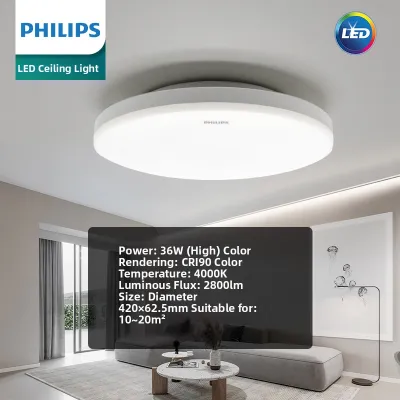
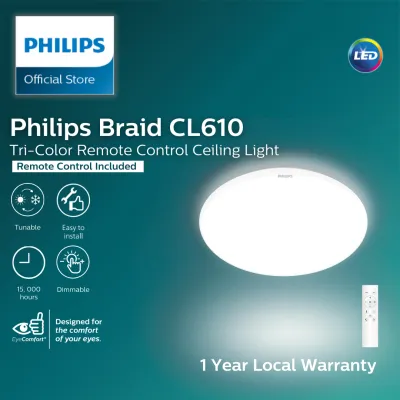
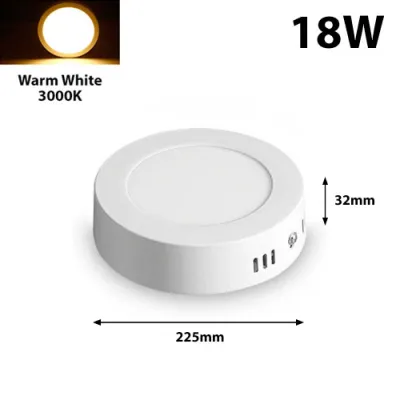
![[Local Seller] LED Ceiling Surface Mounted Downlight LED Panel Light Square Round](https://img.lazcdn.com/g/ff/kf/Sdd11b528478549189cb70a967ccae3d2t.jpg_400x400q80.jpg_.webp)
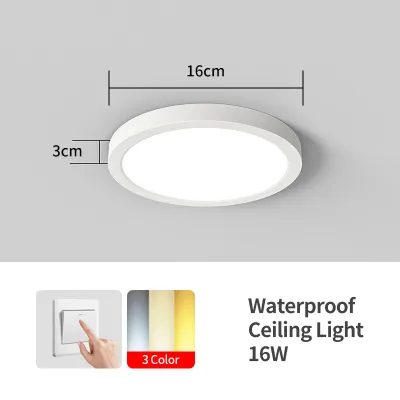
Prices are valid at publication and may change. Please refer to the product page for the latest price.
Heat dissipation is a vital but often overlooked consideration for flush-mount ceiling lights. Because these fixtures are mounted directly against the concrete ceiling, heat can easily build up in the small, enclosed space behind the LED board. Excessive heat degrades the LED chips and the internal driver, leading to premature flickering or complete failure. Selecting fixtures with robust aluminum backplates or integrated thermal channels ensures that heat is dissipated away from the ceiling, protecting both the fixture and your ceiling paint.
Key Selection Criteria for HDB Ceiling LED Fixtures
To maintain safe headroom and an open, airy feel in your HDB flat, the physical dimensions of the fixture are paramount. For a 2.6m ceiling, look for ultra-thin profiles with a thickness of 5cm or less. A slim profile blends seamlessly into the ceiling plane, reducing its visual weight. The diameter of the fixture should scale with the room’s footprint: small utility areas and bathrooms are best served by compact 20cm to 30cm fixtures, bedrooms typically require 40cm to 50cm diameters, while spacious living rooms can easily accommodate 50cm to 60cm fixtures without looking disproportionate.

When selecting brightness levels, focus on lumen output rather than wattage, as modern LED efficiency varies widely. For a typical HDB living room of 15 to 20 square meters, a total output of 3,000 to 4,500 lumens is generally recommended to ensure adequate illumination. Bedrooms usually require a softer ambiance, making 1,800 to 2,800 lumens sufficient. Ensure that the total wattage of your selected fixtures remains well within the limits of your HDB unit’s lighting circuits, which are typically rated for 6A or 10A.
Color temperature is a matter of conditional preference and spatial function, and many modern LED ceiling lights offer adjustable color temperatures to suit different times of day. Warm white (2700K to 3000K) is ideal for creating a cozy, relaxing atmosphere in bedrooms and dining areas. Cool white (4000K) provides a balanced, neutral light that enhances focus in living rooms and kitchens. Daylight (6000K to 6500K) offers high contrast and clarity, making it suitable for task-oriented spaces like home offices, vanity mirrors, and utility yards.
Because the light source sits closer to eye level on a 2.6m ceiling, glare control is essential for preventing eye strain. High-quality diffusers made from PMMA (acrylic) or polycarbonate are crucial for scattering light evenly. Avoid cheap, thin plastic covers that reveal the individual LED dots inside, as these create intense hot spots. Edge-lit LED panels are an excellent alternative, as they direct the light inward toward a light guide plate before projecting it downward, resulting in an incredibly soft, uniform glow.
How to Evaluate and Shortlist Reliable Lighting Brands
When evaluating lighting brands in Singapore, the most critical step is verifying electrical safety compliance. Ensure that any brand you consider offers products that carry the Enterprise Singapore Safety Mark. This mark indicates that the LED driver—the component most prone to electrical failure—has been rigorously tested and certified safe for use with the local 230V, 50Hz electrical grid. Purchasing uncertified fixtures from overseas online marketplaces carries significant risks of short circuits, electrical fires, and voided home insurance policies.
Warranty terms and local after-sales support are strong indicators of a brand’s reliability. Look for brands that offer a comprehensive local warranty of at least 2 to 3 years, covering both the LED panel and the driver. A local warranty ensures that if a component fails, you can easily obtain a replacement or professional assistance without waiting weeks for overseas shipping. Brands with physical showrooms or authorized local distributors in Singapore are highly preferable, as they provide a reliable point of contact for troubleshooting.
Review the official technical specification sheets of the brands you are shortlisting to verify the rated lifespan of their LEDs. Reliable manufacturers will state an L70 lifespan rating, which indicates the number of operating hours before the light output drops to 70% of its original brightness. A high-quality LED ceiling light should have an L70 rating of at least 25,000 to 50,000 hours. Be skeptical of brands that make vague longevity claims without providing verifiable technical documentation or LM-80 test reports for their LED chips.
If you plan to integrate your ceiling lights into a smart home system, check the brand’s official compatibility lists. Smart LED ceiling lights should connect seamlessly with your preferred ecosystem, whether it is Apple Home, Google Home, or a Zigbee-based hub. For non-smart fixtures that you wish to dim using a wall switch, verify the exact dimming protocol required. Mismatched dimming hardware—such as pairing a leading-edge dimmer switch with a trailing-edge LED driver—will result in annoying flickering, buzzing, and a drastically shortened lifespan for the fixture.
Installation and Safety Boundaries for HDB Ceilings
HDB ceilings are constructed from precast concrete slabs, which present specific structural challenges during installation. Mounting a flush-mount LED ceiling light requires drilling into the concrete and using appropriate masonry wall plugs to secure the mounting bracket. Standard lightweight LED fixtures are easily supported by standard plastic wall plugs, but heavier decorative fixtures require specialized metal expansion bolts. Always inspect the mounting surface for any signs of water seepage or concrete spalling before proceeding with the installation.
Before undertaking any light fixture replacement or maintenance, you must isolate the electrical power. Locate your home’s main distribution board (DB box) and switch off the circuit breaker corresponding to the lighting zone you are working on. Do not rely solely on the wall switch, as some older HDB wiring configurations may still leave live current at the ceiling point. Use a reliable, non-contact voltage tester pen at the ceiling wires to verify that the power is completely isolated before touching any electrical connections.
While a competent homeowner can replace an existing light fixture on a like-for-like basis, certain scenarios strictly require the services of a licensed electrical worker (LEW) in Singapore. You must engage a licensed professional if you are running new electrical wiring, installing additional light points, relocating existing points, or upgrading your main distribution board. Hiring an LEW ensures that all work complies with the Singapore Standard SS 638 electrical wiring regulations, protecting your household from electrical hazards and ensuring long-term peace of mind.
Frequently Asked Questions (FAQ)
Can I install a chandelier in an HDB flat with a 2.6m ceiling?
Installing a traditional hanging chandelier in an HDB flat with a 2.6m ceiling is generally not recommended. A hanging fixture reduces the physical clearance beneath it, creating a safety hazard for taller occupants and making the room feel visually cramped and cluttered. If you want a decorative, elegant aesthetic, opt for low-profile semi-flush mounts or modern close-to-ceiling designs that do not extend more than 15cm to 20cm from the ceiling surface, preserving both headroom and visual openness.
Do I need a special dimmer switch for LED ceiling lights?
Yes, standard dimmer switches designed for older incandescent bulbs are usually incompatible with LED technology. To dim an LED ceiling light, you must ensure that the fixture is explicitly labeled as dimmable and pair it with a compatible LED-rated dimmer switch, typically a trailing-edge phase-cut dimmer. Alternatively, you can choose smart LED ceiling lights that dim wirelessly via a dedicated remote control, a smartphone app, or voice commands, which completely bypasses the need for specialized wall-dimmer wiring.
Community discussion
Share your experience or ask a question. Comments are reviewed before publication.