
Standard HDB floor-to-ceiling height in Singapore is approximately 2.6 metres. This architectural constraint directly dictates the type of lighting fixtures you can install. Bulky, deep-drop, or highly decorative fixtures reduce precious vertical clearance, making rooms feel cramped and visually heavy. A fixture that hangs too low can also become a physical hazard, especially in high-traffic zones or bedrooms.
To maintain an open, airy feel, you must prioritize fixtures that maximize headroom and preserve clean sightlines. This is where low-profile options, such as a high-quality dfs led light, become essential. Choosing the right overhead light requires balancing two critical physical metrics: horizontal diameter and vertical profile. Understanding how these dimensions interact with your room’s layout is the key to a comfortable and visually spacious home.
Matching Light Diameter to Your HDB Room Size with DFS LED Light Solutions
Selecting the correct fixture diameter ensures your ceiling light is proportional to the room it illuminates. A standard interior design rule of thumb helps calculate this ideal diameter based on your room’s dimensions. First, measure the length and width of the room in feet, then add those two numbers together. The resulting sum represents the recommended diameter of your fixture in inches.
Products mentioned in this guide
![DFS LED LIGHT Local Warranty ☀ Super Slim☀ Ceiling Light 24W/36W with Premium LED Magnetic Plate [Complete Set ]](https://img.lazcdn.com/g/p/62db896127d54cb8dd50b18bb12f278e.jpg_400x400q80.jpg_.webp)
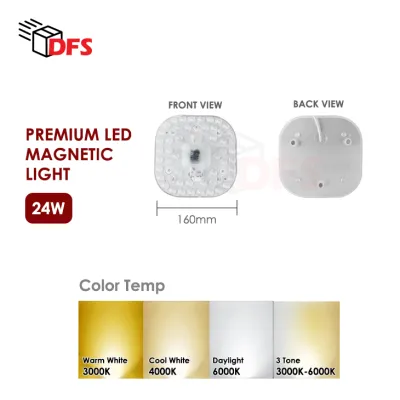
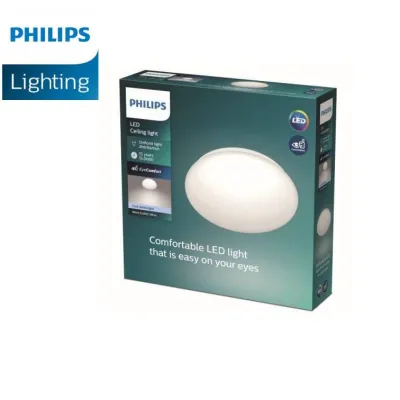
Prices are valid at publication and may change. Please refer to the product page for the latest price.
To adapt this to the local Singapore context, multiply the inch value by 2.54 to convert it to centimetres. For example, if your bedroom measures 3 metres by 3 metres, this is approximately 10 feet by 10 feet. Adding 10 and 10 gives you 20, which translates to an ideal fixture diameter of 20 inches, or roughly 50 centimetres. In a larger living room measuring 4.5 metres by 4 metres (about 15 feet by 13 feet), the sum is 28, indicating a 70 cm fixture.
Let’s break down recommendations by typical HDB zones to make selection easier:
- Living and Dining Areas: These spaces require a wider light spread, typically calling for diameters between 60 cm and 80 cm. If your living room is particularly long, consider a clustered layout or pairing a central low-profile light with recessed downlights.
- Master and Common Bedrooms: Master bedrooms are best paired with 50 cm to 60 cm fixtures, while common bedrooms suit 40 cm to 50 cm models. These sizes provide adequate light without overwhelming the bed area.
- Kitchens and Bathrooms: These utility spaces are highly task-focused and benefit from compact diameters of 30 cm to 40 cm. Smaller fixtures prevent interference with overhead cabinets, shower screens, or ventilation systems.
When shopping for a dfs led light or similar low-profile fixture, look for models that match these calculated diameters. Remember that physical diameter is only the first part of the selection process. You must also verify the beam angle and lumen output on the product label to ensure the light spreads effectively across the room. A wide beam angle of 120 degrees or more is highly recommended for low ceilings to prevent dark spots in the corners of your room.
Selecting the Best Flush-Mount Profile for Low Ceilings
In lighting terminology, “profile” refers to the vertical distance a fixture protrudes downward from the ceiling slab. For a 2.6m HDB ceiling, keeping this profile as slim as possible is essential to preserving valuable headroom. Standard semi-flush mounts often drop 15 cm to 30 cm, which can make a low ceiling feel like it is pressing down on the room.

Instead, look for ultra-slim or flush-mount profiles that measure between 5 cm and 10 cm in thickness. Many modern LED fixtures feature profiles under 5 cm, allowing them to blend seamlessly into the ceiling plane. This flat, minimalist aesthetic visually lifts the ceiling, creating an illusion of a taller, more expansive room.
However, choosing an ultra-slim profile involves several technical trade-offs that you must carefully evaluate. Because the light source and electronic driver are packed into a very tight space, efficient heat dissipation is critical. High-quality slim fixtures utilize aluminum backplates or integrated thermal sinks to draw heat away from the LED chips. Without proper thermal management, the LEDs can overheat, leading to rapid color shifting and a significantly shortened lifespan.
Additionally, ultra-slim fixtures require high-performance diffusion materials to prevent harsh glare and visual hot spots. Edge-lit LED configurations are particularly effective for slim profiles, as they bounce light sideways through a guide plate before diffusing it downward. This creates a soft, uniform glow that is highly comfortable for the eyes. Direct-lit slim fixtures, on the other hand, place LEDs facing directly downward and require a high-quality PMMA diffuser to soften the light. Always verify these structural and thermal specifications on the manufacturer’s product sheet rather than relying on generic marketing claims.
Essential Clearance and Installation Measurements
Installing a ceiling light in an HDB flat requires navigating several physical and structural constraints. HDB ceilings are typically made of dense concrete slabs, which may contain concealed electrical conduits or structural reinforcement bars. Additionally, you must account for surface-mounted conduits, structural beams, or sprinkler pipes that run across the ceiling. Before choosing a mounting location, measure the clearance around these pre-existing obstructions.
Maintaining a safe distance from other ceiling-mounted appliances is also vital for safety and comfort. Ensure there is at least 1.5 metres of horizontal clearance between your ceiling light and the tips of any ceiling fan blades. Placing a light too close to a spinning fan creates a highly distracting strobe effect that can cause eye strain. You must also verify that the light fixture does not obstruct the swing path of tall built-in wardrobes. In children’s bedrooms, ensure the fixture is positioned completely out of reach from the top tier of any bunk beds.
Before mounting your new flush fixture, inspect the existing electrical junction box on your ceiling. Ensure the box is securely anchored and rated to support the weight of your chosen light. While most modern LED flush mounts are lightweight, some glass-shielded models can be surprisingly heavy.
Electrical safety is paramount when working with fixed wiring in your home. Always isolate the power supply by turning off the main circuit breaker at your flat’s distribution board (DB box) before starting. In Singapore, the standard household voltage is 230V AC at 50Hz, so ensure your fixture is fully compatible. Look for the Enterprise Singapore Safety Mark on the LED driver to guarantee the product complies with local safety standards. If your flat’s wiring is outdated, if you need to drill new mounting holes into the concrete, or if you are unsure about the electrical connections, stop immediately. Consult a licensed electrical worker (LEW) to complete the installation safely and in accordance with local regulations.
Common Sizing and Placement Mistakes to Avoid
A frequent mistake in HDB lighting design is relying on a single, oversized central light to illuminate an entire room. While a large central fixture provides high ambient light, it often leaves corners in shadow and creates a flat, clinical atmosphere. Instead, use a layered lighting strategy by combining a moderately sized central flush mount with secondary light sources. Incorporating wall sconces, floor lamps, or track lights adds depth and allows you to adjust the lighting mood as needed.
Another common error is neglecting the fixture’s beam angle during the selection process. A ceiling light with a narrow beam angle acts as a spotlight, focusing light directly downward onto the floor. This leaves the upper walls dark, creating a “cave effect” that makes the room feel much smaller than it is. Opting for a fixture with a wide beam angle of 120 degrees or more washes the walls with light, visually expanding the space.
Many homeowners are also tempted by semi-flush mounts with dangling crystals, deep metal cages, or drop stems. While these decorative fixtures look attractive in high-ceiling showrooms, they disrupt the clean sightlines of a 2.6m HDB flat. The resulting visual clutter draws the eye downward, making the low ceiling feel even more prominent.
Finally, never assume that a generic brand name or a broad category label like “low-profile” guarantees a perfect fit. Always cross-reference the physical dimensions—specifically the diameter and the exact drop height—listed in the product specifications against your actual room measurements before making a purchase. Taking these precise steps ensures your chosen lighting solution enhances both the functionality and the spatial feel of your HDB home.

Community discussion
Share your experience or ask a question. Comments are reviewed before publication.