
To select the perfect LED ceiling light for a standard 2.6m Singapore HDB flat, you must balance physical clearance with visual scale. The ideal fixture should provide comfortable headroom—maintaining at least 2.1m to 2.2m of clearance from the floor—while distributing even illumination without harsh glare. For most HDB spaces, this means prioritizing ultra-slim flush mounts or low-profile semi-flush mounts with diameters ranging from 30cm to 60cm, depending on the specific room dimensions.
By understanding how physical dimensions, light distribution, and profile depths interact with a low ceiling, you can make an informed decision that enhances both the functionality and aesthetic of your home. This guide breaks down the exact calculations, style choices, and safety parameters needed to light your HDB flat effectively.
Understanding the 2.6m Ceiling Constraint in HDB Flats
Standard Housing Development Board (HDB) flats in Singapore, particularly modern Build-To-Order (BTO) units and many resale apartments, typically feature a floor-to-ceiling height of approximately 2.6 meters. While this height is highly functional, it imposes strict physical boundaries on your interior design choices. Introducing fixtures that drop too low can make a room feel cramped, reduce the safety of everyday movements, and disrupt the overall visual flow of your home.
Products mentioned in this guide
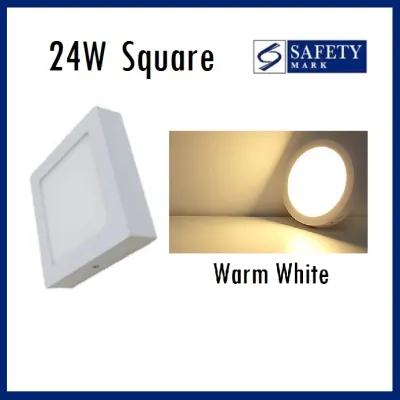
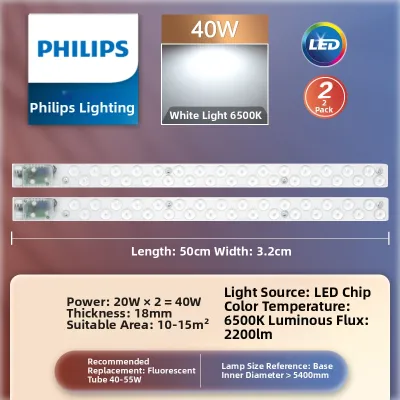
Prices are valid at publication and may change. Please refer to the product page for the latest price.
The concept of “visual weight” plays a critical role in low-ceiling environments. Visual weight refers to how much attention an object demands within a space. A bulky, intricate, or deeply suspended light fixture draws the eyes downward, creating an optical illusion that the ceiling is lower than it actually is. Conversely, a streamlined, low-profile fixture allows the eyes to travel smoothly across the room, making the living space feel more open and airy.
Before evaluating the aesthetic appeal of a light fixture, you must prioritize its physical profile depth. Profile depth is the distance a light fixture extends downward from the ceiling slab. In a 2.6m environment, every centimeter matters. Standard hanging fixtures like long pendants or traditional chandeliers often consume too much vertical space, leaving insufficient clearance for tall individuals or everyday activities like changing bedsheets. Therefore, understanding the practical limits of your ceiling height is the essential first step before purchasing any lighting equipment.
How to Calculate the Right LED Ceiling Light Size for Your Room
Selecting a light fixture that is too small will leave your room looking under-furnished and poorly lit, while an oversized fixture can easily overwhelm a compact HDB layout. To avoid these issues, you can use practical sizing formulas adapted specifically for typical Singaporean home layouts.

Calculating Diameter Based on Room Dimensions
A reliable rule of thumb for determining the appropriate diameter of an LED ceiling light involves converting your room’s metric dimensions into a proportional fixture size. To do this, measure the length and width of the room in meters, add those two numbers together, and then multiply the sum by five to find a conservative starting diameter, or by ten to find the maximum recommended diameter in centimeters.
For example, if you are sizing a light for a standard HDB common bedroom that measures 3 meters by 3 meters, the calculation is as follows:
- Sum of dimensions: 3m + 3m = 6
- Proportional diameter range: 30cm (6 x 5) to 60cm (6 x 10)
For a balanced look in a 2.6m ceiling height, aiming near the middle of this range is generally ideal. To simplify your planning, consider this quick reference guide for standard HDB spaces:
| HDB Room Type | Typical Dimensions (m) | Recommended LED Diameter (cm) | Profile Depth Limit (cm) |
|---|---|---|---|
| Bathroom / Utility Yard | 1.5 x 2.0 | 25 to 30 | Under 10 |
| Common Bedroom | 3.0 x 3.0 | 35 to 45 | Under 15 |
| Master Bedroom | 3.0 x 4.0 | 45 to 55 | Under 15 |
| Living / Dining Room | 4.0 x 5.0 | 55 to 65 (or multiple lights) | Under 20 |
Adjusting for Room Function and Layout
While mathematical formulas provide an excellent starting point, you must also adjust your lighting choices based on how you arrange your furniture and use each room. Centering a single, large fixture in the exact middle of a room is a traditional approach, but it may not always align with your functional needs. For instance, if your dining table is positioned closer to a wall, centering a light over the table itself creates a more cohesive dining experience than centering it in the middle of the empty floor space.
In modern, open-concept HDB layouts—where the living room, dining area, and kitchen often flow into one another—a single oversized central light is rarely sufficient. An excessively large fixture can create intense hotspots directly underneath it while leaving the corners of the room in shadow. Instead of relying on one massive light, a more effective strategy is to install multiple smaller, synchronized LED fixtures or combine a central flush mount with strategically placed track lights. This approach distributes light evenly, allows you to zone different functional areas, and maintains a clean, unobstructed ceiling plane.
Best Styles and Profiles for 2.6m Ceilings
To maintain a spacious feel in an HDB flat, you should focus on fixture styles that offer a low vertical profile. Modern LED technology has made it possible to find highly efficient, stylish fixtures that do not require deep housings.
Ultra-Slim Flush Mounts for Maximum Headroom
Flush-mounted LED ceiling lights are designed to sit directly against the concrete ceiling slab, leaving virtually no gap between the fixture and the ceiling. These fixtures typically feature a profile depth of under 10cm, with many modern LED panels measuring as slim as 2cm to 5cm. This ultra-thin design makes them the premier choice for high-traffic areas, hallways, kitchens, and low-clearance bedrooms where maximizing physical headroom is the top priority.
When shopping for flush mounts, you will generally choose between edge-lit and direct-lit LED panels, each offering distinct visual characteristics:
- Edge-lit LED panels: These fixtures place the LED chips along the inner frame, directing the light sideways through a light guide plate and a diffuser. This design allows for an incredibly thin profile and produces a very soft, highly uniform light output with minimal glare.
- Direct-lit LED panels: These units position the LED chips directly behind the diffuser, pointing straight down. While they are slightly thicker to allow the light to spread before hitting the diffuser, they are highly energy-efficient and provide excellent, bright illumination for task-oriented spaces.
Semi-Flush Mounts for Added Depth
If you prefer a light fixture with more decorative presence than a flat panel, semi-flush mounts offer an excellent compromise. These fixtures feature a small stem or collar that suspends the main light body slightly below the ceiling, typically leaving a gap of 5cm to 15cm. This gap allows a portion of the light to bounce off the ceiling, reducing shadows and creating an airy, layered lighting effect.
To use semi-flush mounts safely in an HDB flat with a 2.6m ceiling, you must limit the total drop length of the fixture to between 15cm and 30cm. This ensures that the bottom of the light remains well above the standard 2.1m safety clearance line. Excellent style options for low ceilings include geometric metal cages, shallow drum shades, or multi-arm fixtures that expand horizontally rather than vertically. These styles diffuse light both upward and downward, which visually softens the ceiling boundary and helps make the room feel taller.
Brightness and Light Distribution for Low Ceilings
Because a 2.6m ceiling positions your light sources physically closer to your eyes than a taller ceiling would, managing brightness and light distribution is essential for maintaining a comfortable living environment. Without careful planning, a bright light can easily become a source of uncomfortable glare.
To prevent glare, look for fixtures that offer a wide beam angle, ideally between 100 and 120 degrees. A wide beam angle ensures that the light spreads outward across the room rather than focusing straight down in a harsh cone. Additionally, prioritize fixtures equipped with high-quality frosted acrylic or polycarbonate diffusers. These materials scatter the light rays, eliminating the intense “point-source” glare associated with exposed LED chips and creating a gentle, even glow across your living space.
Your choice of color temperature also significantly influences how spacious and comfortable your home feels. Color temperature is measured in Kelvins (K) and is largely a matter of personal preference and room function:
- Warm White (3000K): Provides a cozy, relaxing atmosphere that is well-suited for bedrooms and living rooms. This warm tone complements natural wood finishes and warm-colored furnishings.
- Cool White (4000K): Offers a clean, balanced light that enhances focus. It is highly recommended for task-heavy areas like kitchens, study rooms, and bathrooms, and pairs beautifully with modern, minimalist, or cool-toned interior designs.
Installation Clearances and Safety Checks
Installing lighting fixtures in a Singapore HDB flat requires careful attention to structural realities and electrical safety standards. Because HDB ceilings are constructed from solid precast concrete slabs, standard installation methods used for drywall ceilings do not apply.
First, always respect the minimum safe floor clearance. The bottom of your light fixture should hang no lower than 2.1m to 2.2m from the finished floor. This clearance ensures that residents and guests can move freely throughout the space without the risk of bumping into the fixture, even when carrying items or reaching upward.
Second, because you are mounting directly into solid concrete, you must use appropriate tools and hardware. Standard drywall toggles or light-duty screws will not hold securely in concrete. Instead, you must use a rotary hammer drill equipped with a carbide-tipped masonry drill bit to create mounting holes, and insert heavy-duty plastic wall plugs or concrete anchors to secure the fixture’s mounting bracket.
Before purchasing or installing any LED ceiling light, you must verify several critical technical and safety specifications:
- Voltage and Frequency: Ensure the fixture is rated for Singapore's standard electrical grid of 230V at 50Hz.
- Electrical Certification: Look for products that carry recognized safety certifications, such as the Enterprise Singapore Safety Mark, which indicates the product has been tested and approved for safe use in local households.
- Dimming Compatibility: If you plan to use a dimmer switch, verify that both the LED driver in the fixture and your wall switch use compatible dimming methods (such as Triac dimming).
- IP Rating: For damp environments like bathrooms or semi-outdoor utility yards, ensure the fixture has an appropriate Ingress Protection (IP) rating (such as IP44) to protect against moisture and dust.
For all fixed wiring installations, working at heights, or mounting fixtures in damp areas, safety must be your top priority. Always isolate the power at your home’s main distribution board (DB box) before commencing any electrical work. Carefully read and follow the manufacturer’s installation instructions for both the light fixture and any mounting hardware. If you are replacing an old fixture and find complex wiring, if the instructions conflict with your home’s setup, or if you are unsure of the ceiling’s load-bearing capacity, stop immediately and consult a qualified professional, such as an Energy Market Authority (EMA) licensed electrician.
Common Sizing and Styling Mistakes to Avoid
When selecting lighting for an HDB flat, avoiding a few common pitfalls can save you time, money, and design frustration:
- Choosing heavy, vertical statement pieces: Avoid long, multi-tiered chandeliers or deep pendant lights in high-traffic walkways. These fixtures create visual clutter and present a physical hazard in a 2.6m space.
- Selecting fixtures with exposed LED chips: Lights without a proper diffuser or shade will cast harsh, direct glare into your eyes when you are sitting on a sofa or lying in bed. Always opt for well-diffused light sources.
- Neglecting to measure the existing ceiling rose or junction box: When replacing an old light fixture, the footprint of the new fixture's base plate should be large enough to completely cover the old paint marks, discoloration, or drill holes left behind. If the new base is too small, you will need to spend extra effort patching, plastering, and repainting the surrounding concrete ceiling.
Frequently Asked Questions (FAQ)
Can I hang a chandelier in an HDB with a 2.6m ceiling?
Full-sized, deeply suspended chandeliers are generally not recommended for standard 2.6m HDB ceilings due to safety hazards and physical clearance issues. However, you can safely install a mini-chandelier or a low-profile pendant light if you place it in a designated, low-traffic zone. For example, hanging a fixture directly over a dining table or a kitchen island is safe because people do not walk under these areas, allowing you to maintain a stylish look without compromising on headroom. Ensure the total drop of the fixture does not exceed 40cm to 50cm in these specific setups.
Do I need a false ceiling to install LED ceiling lights?
You do not need a false ceiling to install surface-mounted LED ceiling lights, such as flush mounts and semi-flush mounts. These fixtures are designed to be anchored directly onto the solid concrete ceiling slab of your HDB flat, preserving your full 2.6m of vertical space. Conversely, if you wish to install recessed downlights or concealed cove lighting, you will need to hire a professional contractor to install a dropped false ceiling. Keep in mind that a false ceiling will typically reduce your available room height by 10cm to 15cm, which requires careful planning to ensure the remaining space does not feel too confined.
Community discussion
Share your experience or ask a question. Comments are reviewed before publication.