
Selecting the right led light ceiling system for a standard Housing & Development Board (HDB) flat requires a careful balance of spatial awareness, technical specifications, and design restraint. With a typical floor-to-ceiling height of 2.6 meters, HDB flats present unique architectural constraints that directly influence how light is distributed and how spacious a room feels. Choosing fixtures that are too bulky or positioning them incorrectly can lead to a cramped, visually cluttered environment and pose physical headroom hazards. By prioritizing low-profile options—such as ultra-slim flush mounts, recessed downlights, and strategically placed semi-flush fixtures—homeowners can maintain comfortable vertical clearance while achieving bright, even, and visually appealing illumination throughout their living spaces.
Why the 2.6m HDB Ceiling Height Changes Your Lighting Choices
Standard HDB flats, including both modern Build-To-Order (BTO) units and older resale apartments, are structurally designed with a concrete floor-to-ceiling height of approximately 2.6 meters. However, the raw structural height is rarely the final height of your living space. Once renovation works begin, the addition of floor screeding, self-leveling compounds, and flooring materials—such as thick porcelain tiles, engineered timber, or luxury vinyl tiles—will inevitably reduce this vertical space. The final finished ceiling height of an HDB flat often ranges between 2.55 meters and 2.58 meters, leaving very little margin for error when selecting ceiling-mounted fixtures.
To ensure a safe and comfortable living environment, interior design standards rely on an ergonomic rule of thumb for headroom clearance. This rule dictates that a minimum of 2.1 to 2.2 meters of clear, unobstructed space must be maintained from the finished floor to the lowest point of any hanging fixture. This clearance ensures that taller occupants and guests can walk freely throughout the home without the risk of physical contact with light fixtures, and prevents the psychological discomfort of feeling like the ceiling is pressing down on them.
Products mentioned in this guide
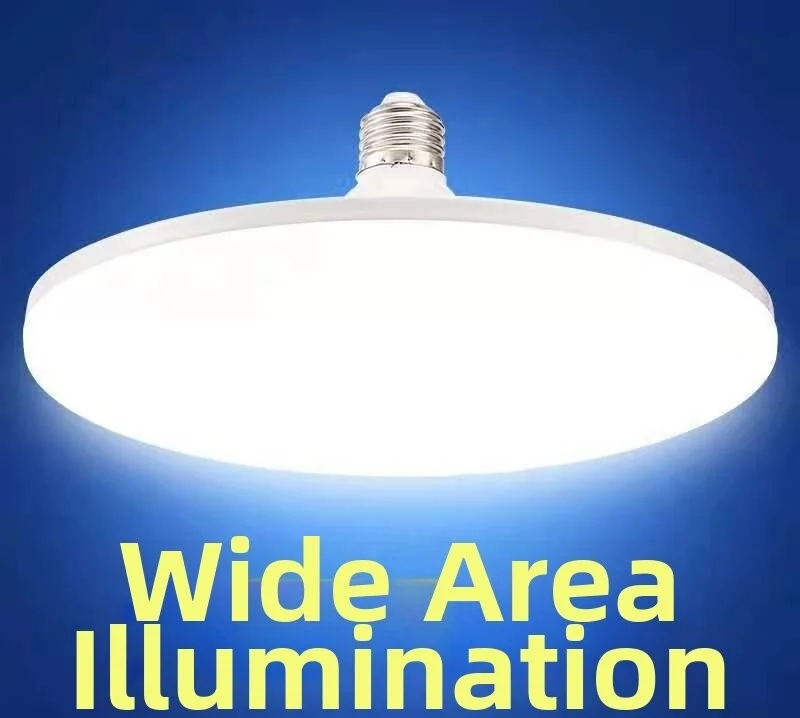
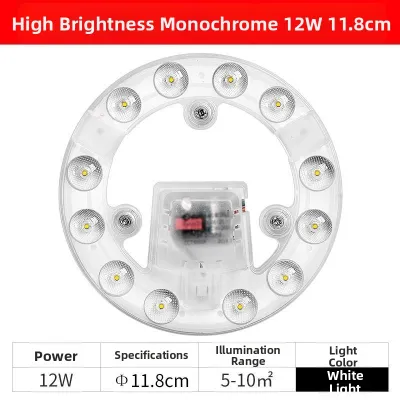
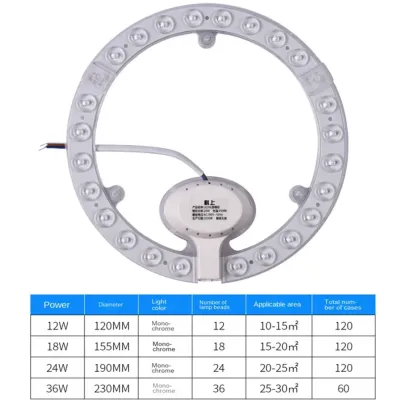
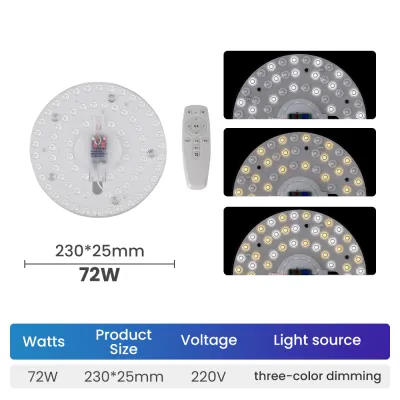
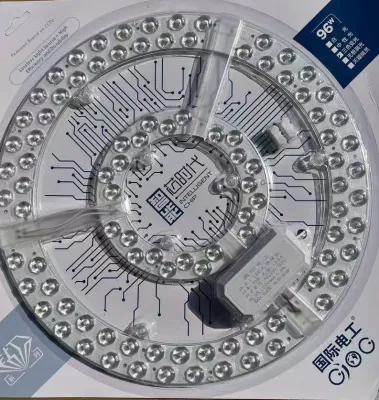
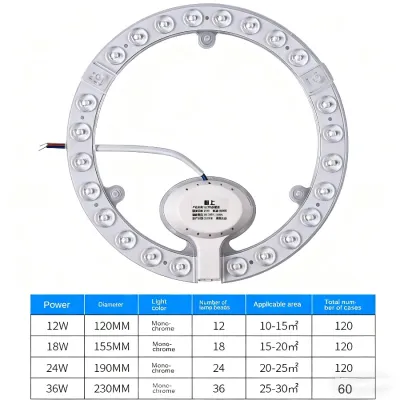
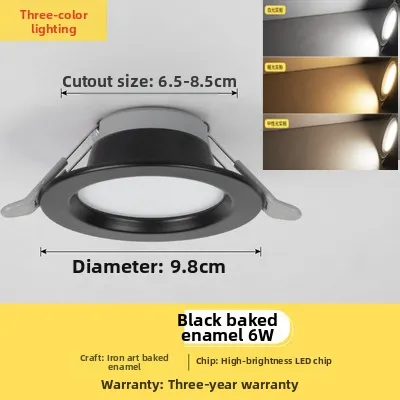
Prices are valid at publication and may change. Please refer to the product page for the latest price.
Installing traditional hanging fixtures, such as elaborate multi-tiered chandeliers or deep pendant lights, in a 2.6m HDB space introduces several visual and physical drawbacks. Physically, these fixtures create immediate hazards in high-traffic walking paths, making simple activities like changing bedsheets, exercising, or carrying tall objects difficult and risky. Visually, low-hanging lights cast long, harsh shadows on the walls and floors, which breaks up the visual continuity of the room and makes the space feel significantly smaller, darker, and more enclosed than it actually is.
The core solution to these spatial limitations is to prioritize low-profile lighting configurations that maximize both physical and visual space. By selecting ultra-slim flush mounts, recessed downlights, or low-drop semi-flush fixtures, you ensure that the light source sits as close to the ceiling plane as possible. This approach allows light to spread horizontally across the ceiling, softening shadows, eliminating physical hazards, and creating a clean, open aesthetic that visually lifts the entire room.
Essential Specifications for Your LED Light Ceiling
Achieving optimal illumination in a low-ceiling environment requires a solid understanding of key technical specifications. Because you cannot rely on large, multi-bulb fixtures to flood a room with light, each low-profile fixture must be selected based on its performance and efficiency.

Lumens and Efficacy Calculating the required brightness, measured in lumens, is the first step in planning your lighting layout. To determine the total lumens needed, you must multiply the room’s area in square meters by the recommended lux level (lumens per square meter) for that specific space. For example, a standard HDB living room measuring 20 square meters requires an ambient light level of approximately 150 lux, which translates to a total output of 3,000 lumens. When selecting fixtures, prioritize high-efficacy LEDs that deliver more lumens per watt. High-efficacy LEDs produce bright light while utilizing smaller, thinner components, allowing manufacturers to design ultra-thin profiles that sit flush against the ceiling without requiring bulky heat sinks or large housings.
Color Temperature (Kelvin) The color temperature of your LEDs, measured in Kelvin (K), plays a significant role in how spacious and comfortable your home feels. Warm white (2700K to 3000K) provides a cozy, relaxing atmosphere, but if used exclusively in a low-ceiling room, it can create a slightly heavy, enclosed feeling. Neutral white (4000K) is highly recommended for standard HDB flats because it closely mimics natural daylight. This clean, balanced light opens up compact spaces, making walls appear further apart and ceilings feel higher. Cool white (5000K to 6500K) is highly functional for task-oriented areas but should be used selectively to avoid creating a cold, clinical ambiance.
Beam Angle and Light Spread The beam angle of a light fixture determines how wide the light spreads as it leaves the source. For low ceilings, selecting fixtures with a wide beam angle (typically 100° to 120°) is critical. Narrow beam angles (24° to 36°) create tight, concentrated cones of light that leave the upper walls and corners of the room in shadow. This “cave effect” draws the eyes downward and makes the ceiling feel lower. A wide beam angle ensures that light washes evenly across the ceiling and upper walls, eliminating dark spots, softening shadows, and visually expanding the room’s vertical and horizontal boundaries.
Color Rendering Index (CRI) The Color Rendering Index (CRI) indicates how accurately an artificial light source reveals the true colors of objects, finishes, and decor compared to natural sunlight. In HDB flats, where natural light may be limited in certain zones, choosing LEDs with a high CRI of 80 or above (ideally CRI 90+) is essential. High CRI lighting ensures that your wall paint, furniture, wood grains, and fabrics look vibrant and true to life, preventing the dull, grayish cast that low-quality light sources often produce.
Dimmability and Smart Controls Incorporating dimmable drivers or smart LED controls offers the flexibility to adjust your lighting levels according to the time of day and the activity. This is particularly useful in multi-functional HDB spaces where a living room may serve as a workspace during the day and a relaxation zone at night. Before purchasing dimmable LED ceiling lights, always verify that the LED driver is fully compatible with your existing wall switches (such as trailing-edge or leading-edge phase dimmers) to prevent flickering and driver damage, or consider integrated smart lighting systems that bypass traditional dimmers entirely.
Best LED Light Types for 2.6m Ceilings
To successfully navigate the 2.6m height constraint of an HDB flat, you must choose the right physical form factor for your fixtures. Three primary LED light types offer the best balance of space-saving design, illumination quality, and aesthetic appeal.
Ultra-Slim Flush Mounts and Panel Lights
Ultra-slim flush mounts and LED panel lights are the most universally applicable and space-saving options for low ceilings. These fixtures feature edge-lit or back-lit LED arrays housed in extremely thin profiles, often measuring between 1.5cm and 5cm in total thickness. Edge-lit panels utilize a specialized light guide plate to distribute light horizontally across a diffuser, resulting in an incredibly soft, uniform, and glare-free glow that closely mimics a natural skylight.
The primary advantage of these ultra-slim fixtures is their ability to deliver high-output, widespread ambient illumination without encroaching on your physical headroom. By sitting almost flat against the ceiling surface, they keep walking paths entirely clear and maintain a clean, continuous ceiling plane that draws the eyes upward, making the room feel more spacious.
These fixtures are highly recommended for main living areas, bedrooms, and long, narrow HDB corridors where space is limited. However, they do have minor limitations. Because they prioritize sleek utility, they offer less decorative variety and depth than traditional fixtures. Additionally, because they mount completely flush, they require a flat, level plaster surface; any unevenness in the concrete ceiling slab can create visible gaps along the edges of the fixture.
Recessed Downlights and Anti-Glare Spotlights
Recessed downlights offer a highly popular architectural lighting solution that completely eliminates any fixture drop below the ceiling line. By embedding the light source directly into the ceiling structure, you achieve a clean, minimalist aesthetic that keeps the visual plane completely open.
However, installing recessed lights in an HDB flat requires a spatial trade-off. Because HDB ceilings are solid concrete slabs, you cannot cut holes into them to house recessed fixtures. Instead, you must install a plasterboard false ceiling (drop ceiling) to conceal the fixture bodies, LED drivers, and wiring. A typical false ceiling requires a depth of 10cm to 15cm, which reduces your overall ceiling height to roughly 2.45m or 2.5m. Despite this physical reduction, the clean, uninterrupted flat surface of a false ceiling often makes a room feel taller and more organized than a concrete ceiling cluttered with surface-mounted fixtures and exposed conduits.
To ensure comfort in spaces with false ceilings, it is highly recommended to choose anti-glare, deep-recessed Chip-on-Board (COB) spotlights. These fixtures place the light source deeper within the housing, shielding the light source from your direct line of sight and reducing eye strain. Recessed downlights are excellent for task lighting, accentuating feature walls, or creating distinct functional zones in open-plan HDB layouts.
Low-Drop Semi-Flush Mounts
If you want to add decorative character or a design statement to your home without sacrificing critical headroom, low-drop semi-flush mounts provide an excellent compromise. These fixtures are designed to hang slightly below the ceiling plane, typically utilizing a short mounting bracket or stem that keeps the total drop length under 15cm to 20cm.
Before purchasing any semi-flush fixture, you must measure its exact drop length and calculate the remaining clearance from your finished floor to ensure it maintains the recommended 2.1m to 2.2m of headroom. To maximize safety, these fixtures should be placed strategically outside of primary walking paths. Ideal locations include directly above a dining table, over a kitchen island, or in a corner foyer where occupants are unlikely to walk directly beneath the light.
When selecting a semi-flush design, look for fixtures that incorporate upward-facing diffusers or frosted glass globes. Upward-directed light bounces off the ceiling surface, washing it in soft light that eliminates dark shadows and visually elevates the ceiling, whereas downward-directed, unshielded bulbs can create harsh glare and make a low ceiling feel lower.
Room-by-Room Lighting Plan for HDB Flats
Creating a cohesive and functional lighting plan for your HDB flat involves applying these different light types and specifications to the unique demands of each room.
Living Room The living room is the multi-functional center of your home, requiring a layered lighting strategy to accommodate different activities. To make a 2.6m ceiling feel higher, combine a central, ultra-slim flush mount panel for general ambient light with perimeter cove lighting or recessed spotlights. Cove lighting, which embeds LED strips within a false ceiling ledge, directs light upward to wash the ceiling, creating a floating effect that visually expands the vertical space. Layering these sources allows you to transition from bright, functional daytime lighting to soft, warm evening lighting.
Bedrooms HDB bedrooms should be designed as peaceful sanctuaries that promote rest and relaxation. Avoid placing bright, cool-white light sources directly over the bed, as looking up at a bright light while lying down causes eye strain. Instead, opt for dimmable flush mounts with neutral to warm color temperatures (3000K to 4000K). Position the fixtures toward the wardrobe area or use recessed downlights along the perimeter of the room to provide indirect, diffused illumination that bounces softly off the walls, keeping the sleeping area calm and glare-free.
Kitchen Safety and high visibility are the primary requirements for an HDB kitchen. Food preparation involves sharp knives and hot surfaces, demanding bright, shadow-free illumination. Install high-output, cool-white (4000K to 5000K) flush mounts or a grid of recessed downlights to ensure excellent visibility across all countertops. To supplement the overhead lights, install under-cabinet LED strip lights to eliminate shadows cast by your body or upper cabinets onto the workspace.
Bathrooms HDB bathrooms are compact, highly humid environments that require specialized fixtures. You must select IP-rated (Ingress Protection) flush mounts or recessed lights to ensure long-term safety and durability. For general bathroom areas, fixtures with an IP44 rating are sufficient to protect against splashing water and steam. If a fixture is installed directly inside a shower cubicle or low-clearance wet zone, opt for an IP65-rated light, which is completely dust-tight and protected against water jets. Ensure all drivers are safely sealed behind the moisture barrier of the fixture or false ceiling.
HDB Installation Rules and Electrical Safety
When installing or modifying ceiling lights in your HDB flat, you must adhere strictly to local renovation guidelines and electrical safety standards to protect your home and ensure regulatory compliance.
Structural Constraints HDB ceilings are constructed from precast concrete slabs that form the structural integrity of the building. When mounting ceiling lights, you must never hack, cut, or drill deeply into these concrete slabs. Doing so can damage the structural steel reinforcement bars (rebar) or puncture embedded electrical conduits. Limit drilling to shallow depths required for standard plastic wall plugs (typically under 30mm to 40mm) and always use a digital wall scanner to check for hidden conduits before drilling.
False Ceiling Regulations If you choose to install a false ceiling to accommodate recessed downlights, the installation must comply with local building safety requirements. False ceilings must be constructed using fire-retardant plasterboards suspended from a secure, lightweight metal framework. Additionally, you must ensure that proper access panels are built into the false ceiling, especially near junction boxes, LED drivers, and air-conditioning units, to allow for future maintenance and inspection without damaging the plasterboard.
Electrical Safety and Certification In Singapore, electrical safety is strictly regulated. When purchasing LED fixtures, drivers, and smart controllers, always ensure that the products carry the SAFETY Mark issued by Enterprise Singapore. This certification guarantees that the electrical product has been thoroughly tested and certified to meet local safety standards, significantly reducing the risk of short circuits, electrical fires, or premature component failure. Avoid purchasing uncertified electrical fixtures from overseas online marketplaces that do not comply with local voltage and safety standards.
Professional Installation Any modification to your home’s electrical system must prioritize safety. While replacing a simple light bulb is a basic task, installing new ceiling fixtures, running new wiring, adding switches, or modifying circuits must be performed by a Licensed Electrical Worker (LEW) registered with the Energy Market Authority (EMA). Working with electricity poses severe risks of shock, electrocution, and fire if not handled correctly. Always ensure that the main power supply at the distribution board (DB box) is switched completely off before inspecting, cleaning, or performing any maintenance on your ceiling lights. If you encounter conflicting instructions between a light fixture’s manual and your home’s electrical setup, stop immediately and consult a qualified professional.
Frequently Asked Questions (FAQ)
Can I install a chandelier in an HDB with a 2.6m ceiling?
It is highly recommended to avoid installing traditional, low-hanging chandeliers in primary walking areas of an HDB flat with a 2.6m ceiling. These fixtures create physical headroom hazards and make the space feel visually cramped. However, if you strongly desire a decorative chandelier, you can safely install one directly above a dining table or kitchen island. In these zones, the fixture is positioned out of the main walking path, provided the bottom of the chandelier remains at least 2.1 meters above the finished floor and does not obstruct your line of sight across the room.
Do I need a false ceiling to use recessed LED lights?
Yes, a false ceiling is structurally mandatory if you want to install standard recessed downlights in an HDB flat. The concrete ceiling slab of an HDB flat cannot be hacked or hollowed out to accommodate the body and driver of a recessed light. Installing a false ceiling will reduce your overall room height by approximately 10cm to 15cm to provide the necessary clearance for the fixtures and wiring. While this reduces the physical height, it creates a clean, flush aesthetic that can visually open up the room when paired with a thoughtful, wide-angle lighting layout.
Why is my new LED flush mount light flickering?
LED flickering is a common issue that typically stems from an incompatible dimmer switch, a faulty or low-quality LED driver, or loose wiring connections within the fixture. To troubleshoot this safely, first turn off the main power supply at the distribution board (DB box). Once the power is isolated, check that the fixture is securely seated and that there are no loose wires. If the flickering persists after restoring power, or if the issue involves complex wall switches or smart dimming systems, do not attempt to dismantle the wiring yourself. Contact a Licensed Electrical Worker (LEW) to diagnose and resolve the issue safely.
Community discussion
Share your experience or ask a question. Comments are reviewed before publication.