
To create a relaxing, warm living room ambiance, look for LED floor lamp brands that offer precise color temperature control (2700K to 3000K), high Color Rendering Index (CRI 90+), and robust dimming capabilities. Reliable lighting brands balance architectural-grade LED technology with high-quality diffusion materials like fabric, frosted glass, or paper to eliminate harsh glare. Whether you are illuminating a compact apartment or a spacious open-plan home, selecting the right brand requires looking beyond aesthetic appeal to evaluate driver quality, safety certifications, and structural stability.
By focusing on technical specifications rather than marketing buzzwords, you can identify fixtures that not only elevate your interior design during the day but also transform your living space into a soothing sanctuary at night. Let’s explore the critical technical, structural, and safety factors that define the best ambient lighting brands.
What Makes an LED Floor Lamp "Warm" and Ambient?
Color temperature is the most critical factor in establishing a cozy atmosphere. Measured in Kelvin (K), color temperature dictates the visual warmth of the light source. For a living room, the gold standard for relaxation is a range between 2700K and 3000K. A 2700K light closely mimics the soft, amber glow of traditional incandescent bulbs, which triggers melatonin production and helps the body wind down. Moving up to 3000K provides a slightly crisper, warm white that is highly functional for mixed-use spaces while remaining comfortable and inviting.
Products mentioned in this guide
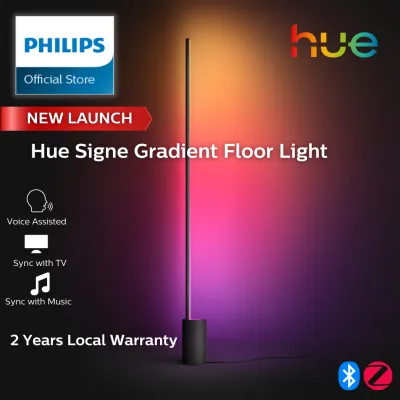
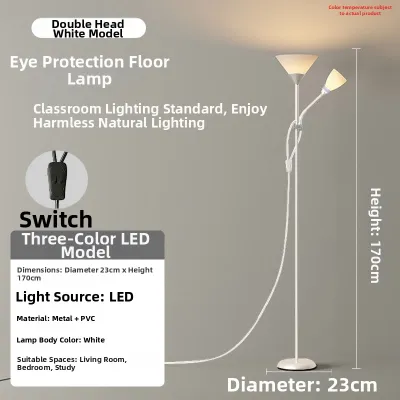
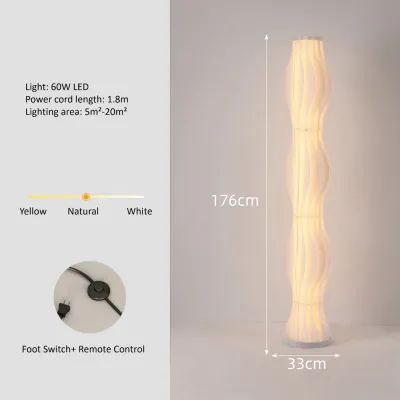
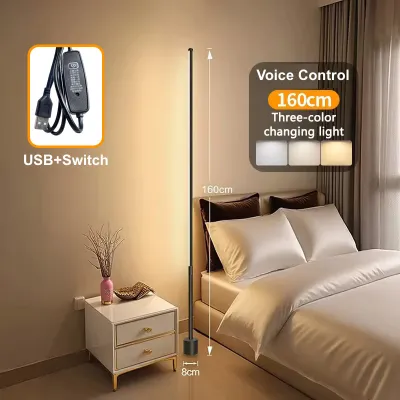
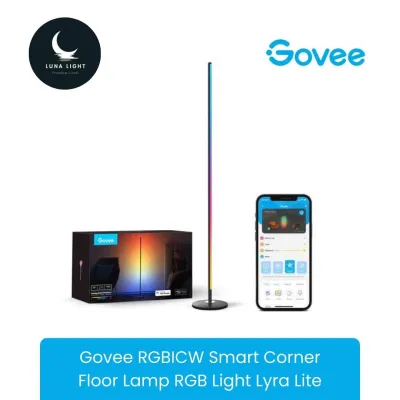
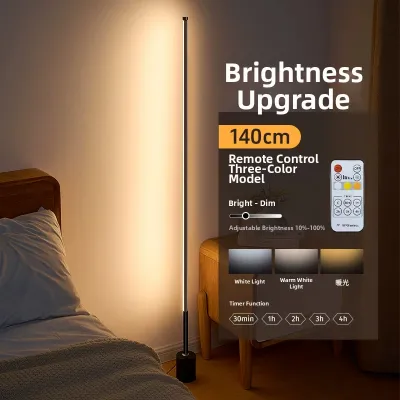
Prices are valid at publication and may change. Please refer to the product page for the latest price.
The Color Rendering Index (CRI) measures how accurately a light source reveals the true colors of objects compared to natural sunlight. When selecting an LED floor lamp, prioritize brands that specify a CRI of 80 or higher, with CRI 90+ being the ideal choice for living spaces. Low-CRI lighting often casts a dull, greenish-gray tint, making rich timber furniture, colorful textiles, and human skin tones look unnatural. High-CRI LEDs ensure that your living room decor appears vibrant, warm, and true to life.
True ambiance requires flexibility, which is why high-quality dimming capabilities are essential. Look for brands that utilize flicker-free, stepless dimming or high-resolution digital dimming drivers. Cheap LED drivers often rely on low-frequency Pulse Width Modulation (PWM) to dim, which can cause invisible micro-flickering. This flickering is a common culprit behind eye strain, headaches, and general discomfort during extended evening use. A premium dimmable driver allows you to transition seamlessly from bright, task-oriented lighting to a low, whisper-soft glow for movie nights.
When shopping, it is easy to get confused by retail packaging labels like “warm white” and “soft white.” These terms are not standardized across the lighting industry; one manufacturer’s “soft white” might be a cool 3500K, while another’s is a warm 2700K. To avoid disappointment, always bypass the marketing labels on the front of the box and check the technical specifications on the back or in the product manual to verify the exact Kelvin rating.
Key Design Features That Soften and Diffuse Light
The physical design of a floor lamp determines how light is distributed across your living room. The shade material plays a primary role in softening harsh glare. Shades crafted from linen, cotton, washi paper, or frosted glass act as natural diffusers, scattering light waves in multiple directions to create a soft, uniform glow. Conversely, lamps with clear glass shades or completely exposed bulbs direct light outward without mitigation, which can cause intense glare, sharp shadows, and visual fatigue.

Light direction is another powerful tool for manipulating spatial perception. Uplighting fixtures, often called torchieres, project light upward to bounce off the ceiling, creating a spacious, indirect glow that is excellent for making low ceilings feel taller. Downlighting fixtures, such as adjustable reading lamps or dome-shaded designs, project light downward to create intimate, localized pools of light. Many premium brands now offer multi-directional or adjustable-head lamps, allowing you to balance indirect background illumination with focused accent lighting.
High-quality fixtures often incorporate internal reflectors, baffles, or deeply recessed LED engines. These structural elements are engineered to shield the raw LED light source from direct line of sight. By hiding the bright light emitting diodes, the lamp provides a clean wash of light across your walls or ceiling without exposing your eyes to a harsh, pinpoint light source when you walk across the room.
Before purchasing, check the physical dimensions of the lamp shade relative to where you plan to sit. Ideally, when you are seated on your sofa, the bottom rim of the lamp shade should sit below your eye level, or the shade should fully enclose the light source. Taking this simple measurement prevents the common annoyance of looking directly up into an exposed bulb while trying to relax on the couch.
How to Evaluate Lighting Brands for Quality and Safety
When comparing lighting manufacturers, look for brands that publish detailed photometric data and engineering specifications. Reputable brands transparently share their LED binning practices—the process of sorting LED chips to ensure uniform color and brightness across different production runs. They will also list the fixture’s lumen maintenance rating, such as an L70 rating, which indicates how many hours the LED will operate before its brightness drops to 70% of its original output (typically 25,000 to 50,000 hours for high-quality systems).
Electrical safety is a non-negotiable consideration for any plug-in appliance. In Singapore, always verify that the floor lamp or its power adapter carries the Enterprise Singapore Safety Mark. This certification guarantees that the product has been rigorously tested to withstand local voltage standards (220V–240V at 50Hz) and is protected against short circuits, overheating, and electrical shock. Importing uncertified fixtures from overseas online marketplaces can pose significant safety risks and may void your home insurance in the event of an electrical fire.
Evaluate the brand’s reliability by examining the terms of their product warranty. Because modern LED floor lamps often feature integrated light engines rather than traditional screw-in bulbs, the longevity of the lamp is tied directly to the durability of its internal electronics. Look for brands that offer a comprehensive warranty of at least two to five years, specifically covering the LED driver and any integrated smart control modules, as these components are far more likely to fail over time than the LED diodes themselves.
Understanding the distinction between mass-market home decor brands and specialized architectural lighting brands can help you manage your budget. Mass-market brands often prioritize trendy, fast-fashion aesthetics, utilizing thinner metals, basic plastics, and lower-grade LED components to keep costs down. Architectural or specialist lighting brands invest heavily in heavy-gauge metals, superior heat sinks to protect the LEDs, and premium, flicker-free drivers. While the initial investment is higher, specialized brands deliver a significantly longer lifespan and superior light quality.
If you plan to build a smart home ecosystem, check the lamp’s wireless compatibility before buying. Premium smart ambient lamps should support universal protocols like Matter or Zigbee, or integrate seamlessly with established platforms such as Apple Home, Google Home, or Samsung SmartThings. Brands that rely on cheap, proprietary smart apps often suffer from frequent connection drops, poor security updates, and a lack of long-term software support.
Matching Lamp Aesthetics to Your Living Room Decor
A floor lamp is a prominent visual element in your living room, meaning its daytime aesthetic is just as important as its nighttime performance. The materials used in the lamp’s base and stem should complement your existing interior design. For instance, brushed brass, antique bronze, or copper finishes introduce warmth and a touch of luxury, making them ideal for mid-century modern, transitional, or classic interiors. Matte black metal and concrete bases anchor minimalist or industrial spaces, while natural timbers like oak or walnut soften Scandinavian and Japandi decors.
Scale and proportion are critical to maintaining visual balance in your living area. A massive, sweeping arc lamp can look dramatic and stylish in a double-height living room, but it will quickly overwhelm a compact apartment or a low-ceilinged space. Conversely, an ultra-thin, delicate linear pole lamp might disappear entirely if placed next to a heavy, plush sectional sofa. Measure both the floor footprint of the lamp base and its overall height to ensure it sits in harmony with your surrounding furniture.
Many modern LED floor lamps are designed as sculptural statement pieces. These fixtures utilize the flexibility of integrated LEDs to create organic curves, twisting loops, or ultra-slim profiles that would be impossible to achieve with traditional light bulbs. During the day, these lamps function as three-dimensional art pieces that add texture and form to your living room; at night, they transform into captivating sources of soft, indirect illumination.
To create a cohesive interior, coordinate the metallic or timber finishes of your floor lamp with other hardware in the room. You do not need an exact match, but the lamp’s finish should relate to your cabinet handles, coffee table legs, ceiling fan downrods, or nearby wall sconces. Mixing too many disparate metal finishes in a single open-plan space can create visual clutter and disrupt the peaceful, harmonious atmosphere you are trying to build.
Placement, Wiring, and Safety Best Practices
Strategic placement is key to maximizing the ambient effect of your LED floor lamp. Positioning a lamp in a dark, underutilized corner washes the adjacent walls with light, which visually pushes the walls back and makes the entire living room feel larger. Alternatively, placing a floor lamp slightly behind and to the side of an armchair creates a cozy reading nook. This setup provides excellent task lighting over your shoulder while keeping the direct light source out of your immediate line of sight.
Loose, trailing power cords are both an eyesore and a serious tripping hazard, especially in high-traffic family rooms. Implement clean cord management solutions by routing cables along the base of your walls using low-profile adhesive clips. If the lamp must be positioned away from a wall—such as next to a floating sofa in the center of the room—use a heavy-duty, flat rubber cord protector, or run the cable beneath an area rug, ensuring it does not create an uneven bump that could cause someone to stumble.
Physical stability is a vital safety consideration, particularly in active households with young children or pets. Look for lamps designed with heavy, low-center-of-gravity bases made of cast iron, marble, or solid steel to prevent accidental tipping. If you choose a lamp with a delicate paper or fabric shade, keep it positioned well away from high-traffic zones, open windows where sudden gusts of wind could blow it over, or indoor plants that require frequent misting, as moisture can damage both the shade material and the internal electrical components.
Before plugging in your new lamp, verify that your home’s electrical outlets can safely handle the load, especially if you are using smart plugs or multi-way extension cords. While LED floor lamps are highly energy-efficient and draw very little wattage compared to old halogen torchieres, daisy-chaining multiple high-draw appliances (like media consoles, portable air conditioners, and multiple light fixtures) from a single wall socket can overload the circuit. Always plug your primary lighting fixtures directly into a wall outlet whenever possible to ensure a stable, safe power supply.
Frequently Asked Questions (FAQ)
How many lumens are ideal for ambient living room lighting?
For general ambient lighting, a living room typically requires a cumulative total of 1,500 to 3,000 lumens, depending on the room’s size, layout, and wall color. Darker walls absorb more light and may require a higher lumen output, while light-colored walls reflect light efficiently. Keep in mind that this total should be distributed across multiple light sources rather than a single fixture. A single ambient floor lamp contributing 800 to 1,500 lumens, especially when equipped with a dimmer, is usually sufficient to create a warm, relaxing layer of light without overpowering the space.
Are integrated LED floor lamps better than those with replaceable bulbs?
Integrated LED floor lamps offer significant design advantages, including ultra-slim profiles, optimized heat dissipation, and custom-engineered optics that distribute light beautifully. However, because the LED chips are permanently built into the fixture, if the light source or internal driver fails after the warranty period, the entire lamp may need to be replaced. Floor lamps with replaceable bulb sockets offer greater long-term maintenance flexibility and allow you to easily swap in smart bulbs. If you value design and optimal light distribution, choose an integrated model from a brand with a strong warranty; if you prioritize easy maintenance and longevity, a socketed fixture is often the more practical choice.
Community discussion
Share your experience or ask a question. Comments are reviewed before publication.