
When a sudden power outage hits your Housing & Development Board (HDB) flat, or when you need to inspect a dark corner behind your built-in carpentry, a reliable led torch light becomes an indispensable household tool. The ideal torch for a Singaporean home does not need to be a massive, heavy-duty searchlight designed for the wilderness. Instead, it must be compact enough to store in limited spaces, simple to operate under stress, and optimized for the specific layouts of high-density urban housing.
Choosing the right led torch light for your HDB flat involves balancing immediate accessibility with long-term reliability. Whether you are navigating a dark corridor during a localized power trip, checking your home’s Distribution Board (DB) box, or walking through a dimly lit void deck at night, the right lighting tool ensures safety and convenience. This guide breaks down the most practical torch categories, key features to look for, and essential maintenance steps to ensure your emergency light works when you need it most.
Why Standard Flashlights Fall Short in HDB Flats
HDB flats are highly optimized living spaces where storage is always at a premium. Most modern flats feature a household shelter—commonly referred to as a bomb shelter—or a compact utility closet where emergency supplies are kept. Storing oversized, heavy tactical flashlights in these tight spaces is highly impractical. These bulky units take up valuable shelf space and are often buried under other household items, making them difficult to retrieve quickly during a sudden blackout.
Products mentioned in this guide
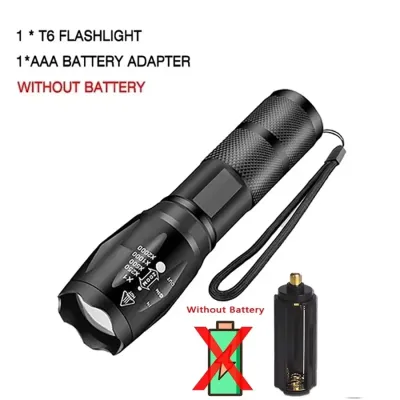
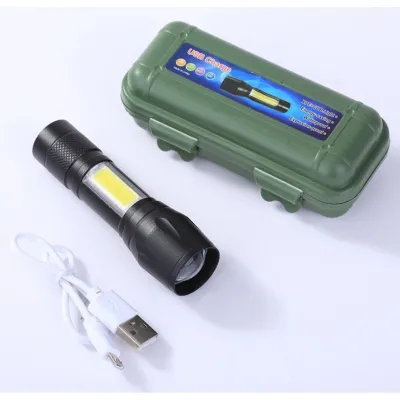
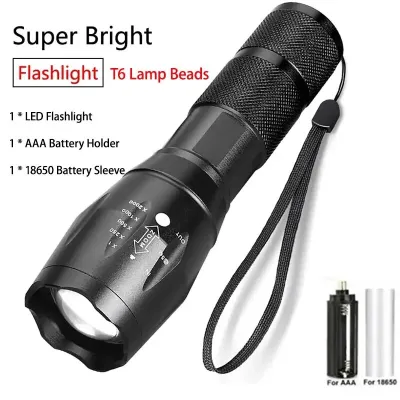
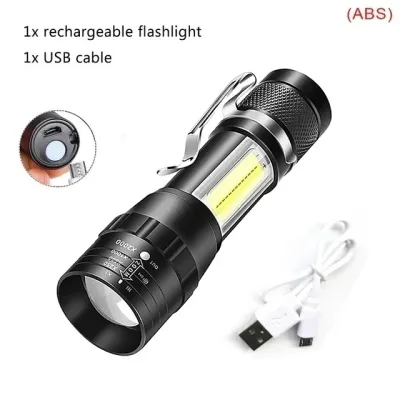
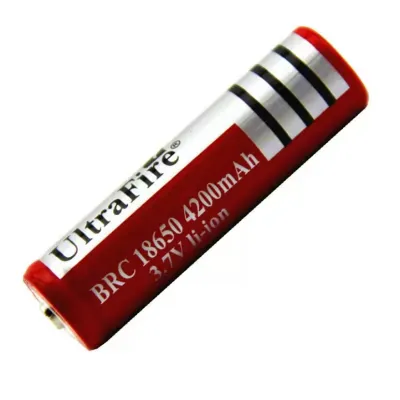
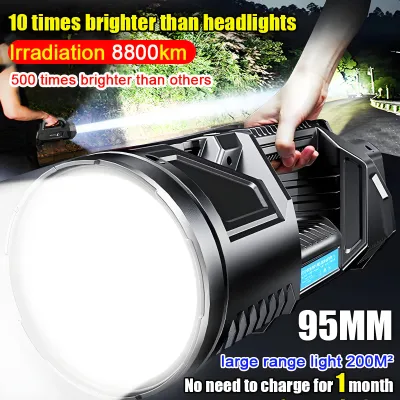
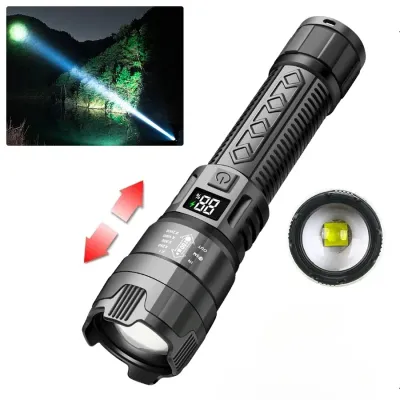
Prices are valid at publication and may change. Please refer to the product page for the latest price.
Furthermore, the typical use cases within an HDB estate demand a specific type of light. When a power trip occurs, your immediate task is to navigate a dark hallway to locate and inspect the DB box. This requires a light that can be operated with one hand while your other hand toggles the circuit breakers. Similarly, inspecting air-conditioner ledges, checking utility meters in the common corridor, or walking through expansive, open-air void decks at night require different beam patterns that standard, single-mode flashlights simply cannot provide.
Many homeowners mistakenly purchase high-lumen tactical torches, believing that brighter is always better. However, in the confined spaces of an HDB flat, an excessively bright light can be counterproductive. HDB interiors typically feature light-coloured walls, glossy ceramic tiles, or polished vinyl flooring. Directing a 1,000-lumen beam at these reflective surfaces creates a harsh, blinding glare that causes temporary night blindness, making it harder to see what you are doing. A more balanced, adjustable light source is far more effective for indoor navigation.
Essential Features for HDB-Friendly LED Torch Lights
To find the best led torch light for your flat, you must look past basic marketing claims and focus on practical, real-world specifications. Evaluating these key features ensures your chosen light remains functional, accessible, and easy to use in any household scenario.

Size and Form Factor
The physical size of the torch directly dictates how often you will use it. Pocket-sized Everyday Carry (EDC) lights are small enough to fit in a bedside drawer, a kitchen cabinet, or even on a keychain, ensuring they are always within arm’s reach. For larger tasks, a mid-sized handheld torch offers a more comfortable grip and longer runtimes. One highly valuable feature for HDB residents is a magnetic tail cap. This allows you to snap the torch directly onto the metal casing of your DB box or utility meter door, freeing up both of your hands to work safely.
Brightness and Beam Type
For indoor HDB use, a torch with adjustable brightness levels is essential. A range of 10 to 300 lumens is generally ideal for navigating rooms and inspecting household appliances without causing uncomfortable glare. Additionally, pay attention to the beam type. A “flood” beam distributes light widely and evenly, making it perfect for illuminating an entire room or a wide corridor. A “throw” beam focuses the light into a tight, distant spotlight, which is useful for checking distant objects, such as scanning the void deck or inspecting the external air-conditioner ledge from a window.
Power Source
The debate between rechargeable and disposable batteries is a critical consideration for emergency preparedness. USB-C rechargeable torches are incredibly convenient for regular household maintenance, as they can be topped up using your existing phone chargers or power banks. However, lithium-ion batteries naturally self-discharge over time. If you plan to store a torch in your bomb shelter for years without touching it, a light that accepts standard AA or AAA alkaline or lithium primary batteries is highly reliable, as these cells have a shelf life of up to ten years.
Durability and Weather Resistance
While you may not plan to submerge your torch in water, Singapore’s tropical climate demands a certain level of environmental protection. High relative humidity can cause cheap metals to corrode rapidly, while sudden downpours can catch you off guard in semi-exposed areas like common corridors, linkways, or void decks. Look for a torch with an Ingress Protection (IP) rating of at least IPX4, which protects against splashes of water from any direction. An IPX6 or IPX7 rating is even better, ensuring the light remains operational even if dropped into a puddle during a stormy night.
Safety and Electrical Certification
When choosing a rechargeable led torch light, always verify that the device or its charging adapter complies with local safety standards. Look for reputable manufacturing standards and safety certifications to prevent overheating risks during charging. If you are using the torch to inspect fixed electrical installations, such as your DB box or water heater switch, remember to prioritize safety. Never touch exposed wiring or internal components yourself; if you suspect a serious electrical fault, always isolate the main power and consult a Licensed Electrical Worker (LEW) in Singapore.
Top LED Torch Light Categories for HDB Homes
The Ultra-Compact Everyday Carry (EDC) Torch
An ultra-compact EDC torch is designed for absolute portability and immediate access. These tiny lights are usually no larger than a tube of lipstick or a standard car key, making them incredibly easy to store in a bedside drawer, a purse, or even attached directly to your main set of house keys. Because they are so small, you are far more likely to have one nearby when a sudden power outage plunges your home into darkness.
These pocket-sized lights are perfect for quick, short-term tasks. If a circuit breaker trips in the middle of the night, an EDC torch allows you to safely roll out of bed, locate your slippers, and navigate to the DB box without tripping over furniture. They are also excellent for searching through deep, dark kitchen cabinets, looking for dropped items under the sofa, or checking the expiration dates on pantry items stored in dark utility closets.
However, the compact size of an EDC torch comes with inherent trade-offs. Due to their small physical dimensions, they house smaller batteries, which naturally limits their maximum runtime and brightness. While they can produce surprisingly bright light for short bursts, they will quickly step down to lower outputs to prevent overheating and battery drain.
When shopping for an EDC torch, look for models that feature a modern USB-C charging port for easy recharging. It is also highly recommended to choose a model with a physical or electronic lockout feature. This prevents the torch from accidentally turning on inside your pocket or drawer, which could drain the battery completely before you actually need to use it.
The Rechargeable Multi-Mode Utility Torch
For general household maintenance and more prolonged tasks, a rechargeable multi-mode utility torch is the workhorse of the home. Typically measuring between 10 to 15 centimetres in length, these cylindrical handheld torches offer a comfortable, secure grip and a much larger battery capacity than EDC models. They are highly versatile tools that can handle everything from routine home repairs to extended outdoor walks.
This category is ideal for hands-on household tasks. If you need to clean your air-conditioner filters, inspect the piping under your kitchen sink, or troubleshoot a faulty water heater, a utility torch provides the sustained, bright light required for detailed work. Many of these models feature a magnetic base, allowing you to mount the light onto any magnetic metal surface, such as the refrigerator or the DB box door, providing hands-free illumination. They are also excellent for walking your dog around the HDB void decks, fitness corners, or nearby neighborhood parks at night.
The primary limitation of these torches lies in their battery chemistry. Most modern utility torches rely on high-capacity lithium-ion batteries. While these batteries offer excellent performance, they will slowly lose their charge over months of inactivity. If you store a rechargeable utility torch in an emergency kit and forget about it for a year, you may find it completely dead when an actual emergency occurs.
When choosing a utility torch, verify that it includes step-down thermal regulation. This safety feature automatically lowers the brightness if the torch gets too hot, protecting the internal electronics and battery from Singapore’s warm ambient temperatures. Additionally, look for models with easily replaceable batteries, allowing you to swap out a degraded cell rather than replacing the entire torch.
The High-Capacity Emergency Lantern-Torch Hybrid
An emergency lantern-torch hybrid is specifically designed for prolonged blackouts and comprehensive family emergency kits. These devices are slightly bulkier than standard torches, but they offer a unique dual-function design. They can operate as a traditional, forward-facing directional torch, or they can be switched to a diffused side-light mode that acts as a 360-degree lantern, illuminating an entire room.
This hybrid design is incredibly valuable during extended power outages. Instead of holding a torch or trying to balance it vertically on a table, you can place a lantern hybrid in the centre of your living room or dining table to cast a soft, even glow across the entire space. This allows your family to move around safely, prepare meals, or wait out the blackout in relative comfort. It is also the perfect primary light source to keep inside your HDB household shelter, providing ample, comfortable illumination for multiple people in a confined space.
The main drawback of these hybrid units is their size and weight. They are not designed to be carried in a pocket and will require dedicated storage space on a shelf or inside an emergency cabinet. They are also typically more expensive than standard torches due to their larger batteries and dual-light configurations.
When purchasing a lantern-torch hybrid, check if the device features a USB output port, allowing it to function as a power bank. In a major emergency, the ability to charge your mobile phone directly from your torch’s high-capacity battery can be a lifesaver. Additionally, inspect the physical switches and casing to ensure they are robust enough to withstand accidental drops.
Quick Comparison: Matching Torch Types to HDB Needs
To help you decide which torch profile best fits your household setup, the table below compares the three main categories based on practical HDB use cases, storage requirements, and battery configurations.
| Torch Profile | Best HDB Use Case | Storage Footprint | Recommended Power Source | Ideal User |
|---|---|---|---|---|
| Ultra-Compact EDC | Quick navigation, DB box checks, keychains | Extremely small (fits in pocket or small drawer) | USB-C rechargeable or AAA battery | Individuals wanting immediate, daily convenience |
| Multi-Mode Utility | Home maintenance, air-con checks, void deck walks | Compact (fits in utility box or bedside drawer) | Rechargeable Li-ion (e.g., 18650 or 21700) | Homeowners who do hands-on DIY and routine repairs |
| Lantern-Torch Hybrid | Extended blackouts, household shelter illumination | Moderate (requires dedicated shelf or cabinet space) | High-capacity built-in rechargeable battery | Families preparing a dedicated emergency kit |
Selecting the right option depends on your household’s specific needs. Many Singaporean families find that keeping a small EDC torch in an easily accessible drawer, combined with a larger utility torch or lantern in the household shelter, provides the perfect balance of daily convenience and emergency readiness.
Battery Maintenance for Reliable Emergency Readiness
Owning a high-quality torch is only half the battle; ensuring it actually works during an emergency requires proper battery maintenance. Neglecting your light can lead to ruined contacts, dead batteries, and a useless tool when you need it most. Follow these simple maintenance guidelines to keep your torches in peak condition.
Alkaline Battery Care
If you use a torch that runs on standard AA or AAA alkaline batteries, you must be vigilant about battery leakage. Singapore’s high humidity and warm temperatures accelerate the chemical degradation of alkaline cells. Over time, these batteries can leak potassium hydroxide, a corrosive substance that ruins the internal metal contacts of your torch. If you plan to store an alkaline-powered torch in your household shelter for more than a few months without use, always remove the batteries and store them in a separate plastic organizer. Alternatively, consider using lithium primary batteries (such as AA L91), which do not leak, perform exceptionally well in warm climates, and have a shelf life of up to 20 years.
Lithium-Ion Management
For rechargeable torches utilizing lithium-ion batteries, temperature control and charging habits are critical. Avoid storing your rechargeable torches in areas prone to extreme heat, such as on window sills facing direct afternoon sunlight, or near heat-generating appliances like refrigerators and ovens. To maximize the lifespan of a lithium-ion battery, do not store it completely empty or fully charged for long periods. Keeping the battery at around 50% to 80% charge is ideal for long-term storage. Make it a habit to perform a full discharge and recharge cycle once every 6 to 12 months to maintain the battery’s health and verify its runtime.
Routine Testing Schedule
Do not wait for a power outage to test your emergency lights. Establish a simple routine to check all the torches in your home. A practical way to remember this is to sync your torch inspections with other recurring household chores. For example, test your torches during the biannual HDB corridor cleaning, when you clean your air-conditioner filters, or when you replace the batteries in your household smoke detectors. Turn on each torch, cycle through the modes, check the battery level, and wipe down the exterior with a dry cloth to remove any accumulated dust or moisture.
Frequently Asked Questions (FAQ)
How many lumens do I actually need for indoor HDB use?
For navigating an HDB flat or checking a DB box, 100 to 300 lumens is the practical sweet spot. This range provides more than enough light to illuminate dark rooms and corridors clearly. Avoid using ultra-high lumen outputs (1,000 lumens or more) indoors, as the intense light will bounce off white walls and polished floor tiles, creating a blinding glare that causes eye strain and reduces your overall visibility.
Should I keep my rechargeable torch plugged in all the time?
No, you should avoid leaving your rechargeable torch permanently connected to a charger. While some modern torches feature smart battery management systems that cut off power once fully charged, leaving a lithium-ion battery constantly at 100% capacity under electrical pressure can degrade its chemistry over time. This reduces the battery’s overall lifespan and maximum runtime. Instead, charge the torch fully, unplug it, and store it in a cool, dry place, topping it up periodically every few months.
Community discussion
Share your experience or ask a question. Comments are reviewed before publication.