
Refreshing your living space with tactile, natural materials is one of the most effective ways to elevate your home’s aesthetic. In Singapore’s warm, humid climate, linen has emerged as a premier choice for home textiles. Its exceptional breathability, natural texture, and understated elegance make it a staple for modern interior styles, from Japandi to contemporary tropical. However, finding the best linen cushion covers requires navigating a diverse marketplace of specialty weavers, global retail giants, and bespoke local makers. To achieve a cohesive style refresh without the frustration of trial and error, you must understand how to evaluate fabric quality, match textures to your existing furniture, and identify the retail category that aligns with your design goals and budget.
What Defines a High-Quality Linen Cushion Cover?
To make an informed investment, you must first look past aesthetic appeal and evaluate the physical characteristics of the fabric. Linen is crafted from the fibers of the flax plant (Linum usitatissimum), and its quality is determined by fiber length, weaving techniques, and finishing processes. Understanding these technical details will help you select covers that not only look beautiful but also withstand daily wear and frequent laundering.
100% Pure Linen vs. Linen-Cotton Blends
Products mentioned in this guide
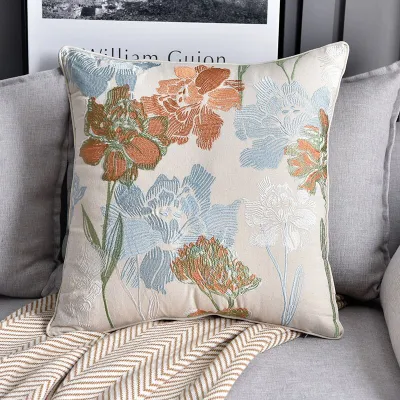
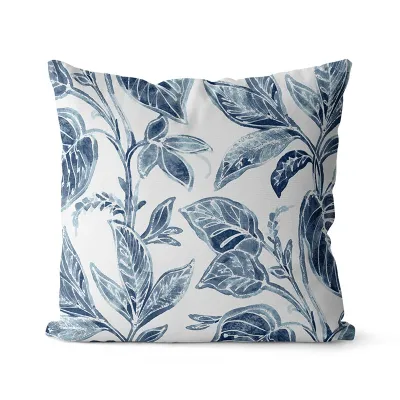
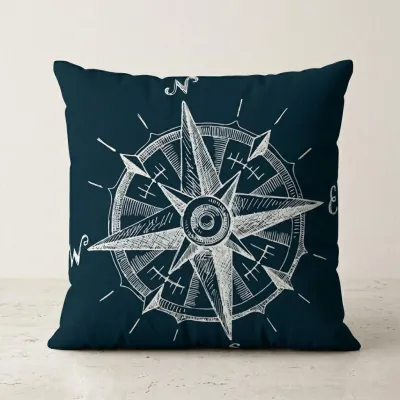
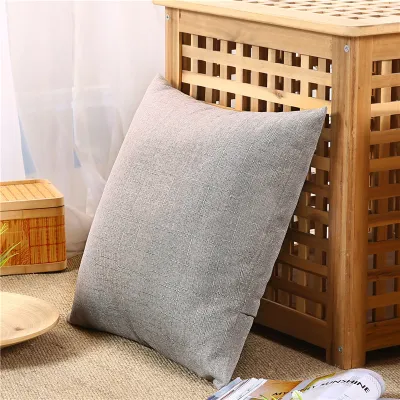
Prices are valid at publication and may change. Please refer to the product page for the latest price.
When browsing options in Singapore, you will frequently encounter both pure linen and linen-cotton blends. Pure 100% linen is celebrated for its distinctive “slub” texture—the slight, natural irregularities in the yarn that give the fabric its organic character. It is highly breathable, structurally resilient, and possesses a beautiful, relaxed drape that softens with every wash. In contrast, linen-cotton blends combine the breathability of flax with the softness and elasticity of cotton. Blends are generally less prone to deep creasing and are often more budget-friendly, but they lack the pronounced texture and longevity of pure linen. If your goal is a highly tactile, authentic look, pure linen is the superior choice; if you prefer a smoother, more uniform surface with easier maintenance, a high-quality blend may suit your lifestyle better.
Understanding Fabric Weight (GSM)
Fabric weight is measured in grams per square meter (GSM) and directly influences how a cushion cover holds its shape. For cushion covers, you should generally look for medium-to-heavyweight linen, typically ranging from 180 to 280 GSM. Light-weight linen (under 150 GSM) is often too sheer and fragile, allowing the color or pattern of the inner cushion insert to show through, and it may wear out quickly under daily use. A heavier GSM ensures the cover has enough structural body to support a plush, full appearance while resisting premature wear along the edges and corners.
Essential Construction Details
The durability of a cushion cover depends heavily on its construction. Because linen is a loose-weave natural fiber, its raw edges are highly prone to fraying. High-quality covers feature reinforced interior seams, such as overlocked, French, or double-stitched seams, which lock the raw edges in place. Additionally, examine the closure mechanism. Hidden zippers should be stitched beneath a fabric placket to protect your sofa from scratches and maintain a clean silhouette. If you prefer a zipper-free design, look for envelope closures with a generous overlap (at least 10 to 15 centimeters) to prevent the insert from spilling out or creating unsightly gaps.
Verifying Textile Certifications
When sourcing linen, look for reputable textile certifications on product labels or online specifications. The most common is the OEKO-TEX Standard 100 certification, which guarantees that every component of the product, from the yarn to the zippers and dyes, has been rigorously tested for harmful substances. This is particularly important for cushion covers, which come into direct contact with your skin during daily relaxation.
Navigating Linen Cushion Cover Brands in Singapore
Singapore’s home decor market offers a wide array of shopping destinations, ranging from high-street malls along Orchard Road to independent design studios tucked away in industrial estates like Henderson and Ubi. Rather than searching for a single “best” brand, it is more practical to categorize retailers by their production methods, material focus, and price points. This allows you to match your specific style requirements and budget with the right class of brand.

Specialty Linen and Textile Brands
Specialty textile brands focus almost exclusively on natural fibers, sourcing high-grade flax primarily from European regions like France, Belgium, and Lithuania, which are globally renowned for optimal flax-growing climates. These dedicated retailers prioritize material authenticity, often using stonewashing—a process where the fabric is washed with natural enzymes or volcanic stones—to pre-soften the fibers before fabrication. This ensures the cushion covers arrive with a relaxed, lived-in feel and will not shrink unpredictably during their first wash.
When buying from specialty brands, you can expect transparent specifications regarding fabric origin, GSM, and dyeing processes. They typically offer an extensive palette of natural, earthy tones, such as charcoal, olive, mustard, and terracotta, which are difficult to find in mass-market stores. While these brands command a higher price point (often ranging from S$40 to S$80 per cover), their focus on long-staple flax fibers and superior construction makes them the ideal choice for homeowners prioritizing longevity, tactile luxury, and environmental responsibility.
Global Home and Lifestyle Retailers
For those seeking convenience, immediate availability, and trend-driven designs, global home and lifestyle retailers with a physical presence in Singapore provide an accessible entry point. These retailers frequently update their collections to reflect seasonal design trends, making it easy to find contemporary colors, geometric patterns, or embroidered details that align with current interior styling movements.
However, shopping at large-scale global retailers requires a discerning eye. Because these brands cater to a broad mass market, they often sell “linen-look” covers made entirely of polyester, or low-percentage linen blends that contain synthetic fibers. While these synthetic alternatives are highly affordable—often priced under S$25—they lack the breathability, natural texture, and aging characteristics of true flax. Always read the care label and material composition tag carefully before purchasing to ensure you are getting the physical benefits of natural linen rather than a synthetic imitation.
Custom and Independent Local Makers
If you have unique furniture dimensions, require a highly specific color match, or want to support local craftsmanship, Singapore’s independent design studios and custom upholstery makers offer a bespoke alternative. These local makers allow you to select your own fabric bolts, specify exact dimensions (such as oversized floor cushions or custom lumbar shapes), and choose personalized finishing details like contrast piping, exposed brass zippers, or flanged borders.
Working with a local maker provides an unparalleled level of personalization and quality control. You can physically handle fabric swatches under local lighting conditions before production begins, ensuring the final product matches your home perfectly. The trade-offs for this bespoke service are higher costs—often starting above S$90 per cover depending on the fabric selection—and longer lead times, as custom pieces are made-to-order and can take several weeks to complete. However, for heirloom-quality pieces or non-standard furniture, this tailored approach is unmatched.
Matching Linen Textures to Your Home Style Refresh
Selecting high-quality cushion covers is only half the battle; integrating them into your existing living space requires a thoughtful approach to texture, color, and visual balance. Linen’s inherent versatility allows it to adapt to various design styles, but the specific finish you choose will dictate the overall mood of the room.
Comparing Linen Finishes
The finish of the linen plays a significant role in its visual structure. Stonewashed or pre-washed linen has a soft, matte appearance with a gentle drape and subtle, natural creases. This finish is perfect for casual, comfortable design styles such as Scandinavian, coastal, or rustic farmhouse, where a relaxed, lived-in atmosphere is desired. Conversely, raw or unwashed linen has a stiffer, crisper hand-feel and a subtle sheen. It holds its shape exceptionally well, making it ideal for formal, traditional, or transitional spaces that require clean lines, sharp corners, and a highly tailored aesthetic.
Creating Contrast with Existing Furniture
To prevent your seating area from looking flat or monotonous, use linen to introduce tactile contrast. If you have a smooth leather sofa, pairing it with highly textured, slubby linen cushion covers breaks up the sleekness and adds warmth. If your sofa is upholstered in a flat, tightly woven synthetic fabric, layering linen cushions with varying GSM weights creates depth. For a luxurious, multi-dimensional look, try mixing linen with contrasting materials like rich cotton velvet or chunky wool knits, keeping the color palette cohesive while varying the tactile sensations.
Color Selection Strategies
When planning your style refresh, consider how color interacts with linen’s natural texture. A tonal layering strategy involves selecting three or four shades within the same color family—such as warm cream, oatmeal, soft taupe, and rich clay—and mixing them across your seating area. This creates a sophisticated, calming environment. Alternatively, you can use a neutral linen base (like sand or off-white) and introduce one or two bold accent colors, such as deep indigo, forest green, or terracotta, to draw the eye and create focal points.
Verifying Colors Under Local Lighting
Singapore’s tropical light can dramatically alter how colors appear in your home. A shade that looks like a warm sand color in a bright, south-facing showroom may appear as a cool, flat gray in a north-facing HDB flat with shaded windows. Whenever possible, order fabric swatches from retailers or purchase a single cover to test in your living room. Observe how the color shifts under natural daylight during the afternoon and under your warm artificial lighting at night before investing in a complete set.
Care and Maintenance for Long-Lasting Linen
Linen is one of the most durable natural fibers available, but improper maintenance can lead to shrinkage, color fading, and fiber degradation. Following a few simple, low-risk care steps will ensure your cushion covers retain their beauty and structural integrity for years to come.
Washing and Drying Best Practices
Always wash your linen cushion covers in cold or lukewarm water (30°C or lower) on a gentle or delicate cycle. Use a mild, liquid detergent formulated for natural fibers, and avoid any products containing optical brighteners or chlorine bleach, which can weaken the flax fibers and strip the fabric of its natural color. To dry, lay the covers flat or hang them in a shaded, well-ventilated outdoor area. Avoid direct, harsh tropical sunlight, as prolonged UV exposure can dry out the fibers, making them brittle and prone to tearing. Never tumble dry linen on high heat, as this is the primary cause of severe shrinkage and permanent creasing.
Managing Linen’s Natural Wrinkles
Part of linen’s unique charm is its natural tendency to wrinkle, which contributes to its relaxed, organic aesthetic. If you prefer a smoother look, use a garment steamer on a medium-heat setting while the cover is fitted over the cushion insert; the steam will naturally relax the fibers without flattening the texture. If you prefer to iron, do so while the cover is still slightly damp, using a medium-to-high heat setting and ironing on the reverse side to prevent any surface shine.
Strict Safety and Care Boundaries
Before attempting any cleaning process, always check the manufacturer’s care label stitched inside the cover. This is critical if your covers feature delicate elements like hand-painted designs, intricate embroidery, silk piping, or mixed-material closures. If the care instructions recommend dry cleaning only, or if the label is missing and you are unsure of the material composition, stop and consult a professional textile cleaner to avoid irreversible damage.
Frequently Asked Questions (FAQ)
Do linen cushion covers fade in direct sunlight?
Yes, like all natural fibers, linen is susceptible to UV degradation. Prolonged exposure to direct, harsh sunlight can break down the natural dyes, leading to uneven fading and weakening the flax fibers over time. To protect your covers in bright Singapore homes, rotate your cushions weekly so they receive even light exposure, or use sheer curtains during peak afternoon hours to diffuse the intense UV rays while still enjoying natural light.
Should I buy cushion inserts from the same brand as the covers?
It is not necessary to match the brand of your inserts to your cushion covers, as long as the physical dimensions and shapes align. However, to achieve a plump, professional look, a common design rule is to size up your insert. For example, if your linen cover is 45×45 centimeters, pair it with a 50×50 centimeter insert. This ensures the corners of the cover are fully filled out, preventing a saggy or deflated appearance.
Community discussion
Share your experience or ask a question. Comments are reviewed before publication.