
Standard Singapore Housing & Development Board (HDB) flats constructed in recent decades typically feature a floor-to-ceiling height of 2.6 meters. When planning a home renovation or upgrading your cooling fixtures, executing a fan light replacement that fits this compact vertical space is critical. Selecting the wrong fixture can result in a cramped room, poor lighting, or even safety hazards. Low-profile, flush-mount (hugger) ceiling fans equipped with integrated LED lights represent the ideal solution. These specialized fixtures keep the fan blades high enough to maintain a safe clearance of 2.1 to 2.3 meters from the floor, ensuring both efficient air circulation and adequate headroom.
Understanding Clearance Rules for HDB 2.6m Ceilings
The standard ceiling height of 2.6 meters in modern HDB flats imposes strict spatial limitations. Unlike older private properties or landed homes with loftier ceilings, standard HDB interiors cannot safely accommodate traditional ceiling fans that hang from long downrods. A standard downrod fan often drops 40 centimeters or more from the ceiling, which would bring the rotating blades down to 2.2 meters or lower. For taller individuals or when lifting arms, this poses an immediate safety risk.
To maintain a safe and comfortable living environment, homeowners must adhere to strict clearance guidelines. The lowest point of the ceiling fan—whether it is the bottom of the light kit or the tips of the blades—should ideally remain at least 2.1 to 2.3 meters above the finished floor level. This clearance ensures that normal daily activities, such as changing bedsheets, stretching, or walking under the fixture, can occur without any risk of physical contact.
Products mentioned in this guide
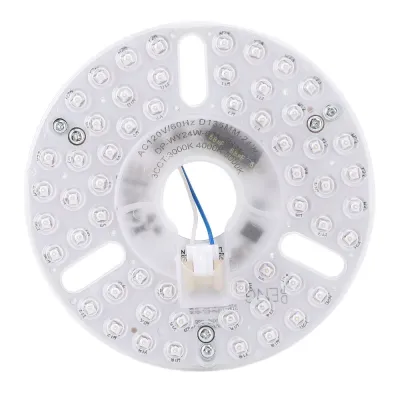
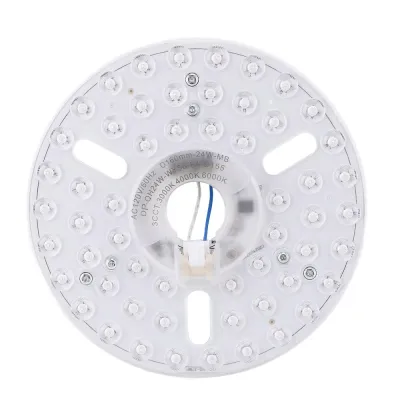
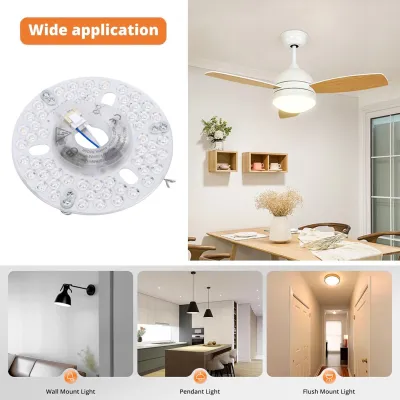
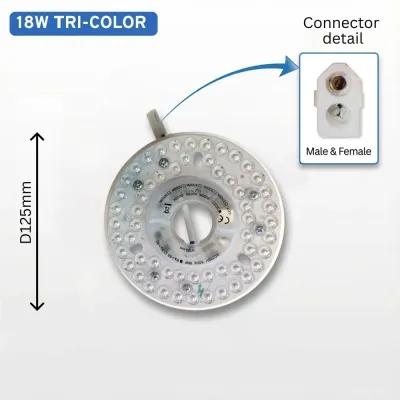
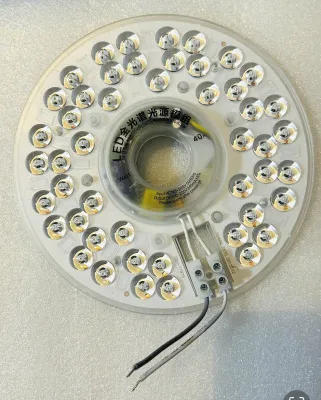
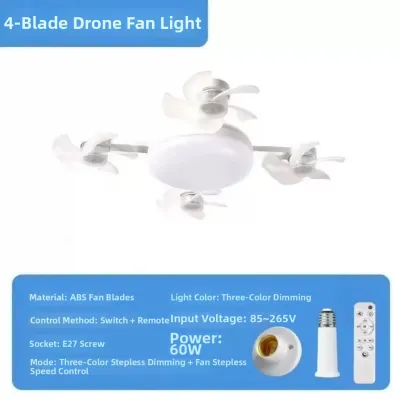
Prices are valid at publication and may change. Please refer to the product page for the latest price.
Ignoring these clearance rules introduces several practical hazards. Beyond the obvious risk of head or hand injuries, a low-hanging fan creates a claustrophobic, visually crowded environment, particularly in compact HDB bedrooms where wardrobes or bunk beds already occupy significant vertical space. Furthermore, a fan positioned too close to the living zone can disrupt the airflow pattern, causing a choppy, uncomfortable draft rather than a smooth, cooling breeze that circulates throughout the entire room.
Another overlooked aspect is the psychological effect of a low-hanging fixture. A bulky appliance suspended close to eye level makes a room feel significantly smaller and darker, as it blocks the natural path of light reflecting off the ceiling. By choosing a low-profile design, you preserve the open, airy feel of your HDB flat while enjoying the dual benefits of active cooling and uniform illumination.
Key Specifications to Check Before a Fan Light Replacement
Executing a successful fan light replacement in a low-ceiling HDB flat requires a careful examination of technical specifications. You cannot rely on aesthetic appeal alone; the mechanical dimensions and electrical parameters must align with your specific room layout.

- Drop Height: The most critical dimension to verify is the total drop height, which is the distance from the ceiling canopy to the absolute lowest point of the light fixture. For a 2.6-meter ceiling, look for models with a total drop height of 250 to 320 millimeters. Flush-mount or "hugger" models are specifically engineered to sit as close to the concrete ceiling as possible, eliminating the need for a downrod entirely and preserving precious vertical space.
- Motor Type: Modern low-profile ceiling fans almost exclusively utilize Direct Current (DC) motors rather than Alternating Current (AC) motors. DC motors are significantly more compact, allowing manufacturers to design much slimmer motor housings that do not protrude far from the ceiling. Additionally, DC motors run quieter, offer more speed steps (often up to six speeds), and consume up to 70% less electricity, which is highly beneficial for Singapore's warm climate where fans run for extended hours.
- Lighting Specifications: When choosing a fan light, integrated LED panels are highly superior to models that use replaceable screw-in bulbs. Integrated LEDs lie completely flat within the bottom casing, saving several centimeters of vertical space that would otherwise be needed for bulb sockets. Ensure the LED panel offers adjustable color temperatures, often labeled as "3-tone" or "CCT tuning," allowing you to switch between warm white (3000K) for a cozy bedroom atmosphere, cool white (4000K) for general tasks, and daylight (6500K) for bright, clear illumination. The light output should range from 1,200 to 2,400 lumens depending on whether the fan is installed in a compact bedroom or a larger living room.
- Airflow Delivery (CFM): Airflow is measured in Cubic Feet per Minute (CFM). In low-profile fans, because the blades sit closer to the ceiling, the CFM rating might be slightly lower than that of downrod models. To ensure adequate cooling, look for low-profile fans with a CFM rating of at least 3,000 to 4,000 for bedrooms, and 4,500 to 5,500 for living rooms. This ensures that despite the compact design, the motor has sufficient power to move air effectively.
- Weight and Mounting Limits: HDB concrete ceilings are structurally robust, but you must still check the weight of the fan light assembly, which typically ranges from 5 to 10 kilograms. Ensure the model you select is approved by local regulatory bodies and carries the Safety Mark certification from Enterprise Singapore. This certification guarantees that the electrical components, insulation, and mechanical mountings have been tested to withstand Singapore's standard 230V/50Hz electrical grid and humid climate.
Best Fan Light Designs for Low-Clearance Rooms
Navigating the market for low-profile fixtures requires understanding the structural designs available. Different form factors solve the clearance puzzle in distinct ways, catering to different room functions and aesthetic preferences.
Flush-Mount (Hugger) Fan Lights
Flush-mount ceiling fans, commonly referred to as hugger fans, are designed to install directly against the ceiling bracket without any intervening downrod. This configuration is the gold standard for maximizing headroom in standard HDB flats. By mounting the motor housing flush against the ceiling, these fans typically limit the total drop height to less than 30 centimeters.
This design is exceptionally well-suited for HDB bedrooms, where space is often constrained by built-in wardrobes, study desks, or bunk beds. Keeping the blades close to the ceiling minimizes the risk of accidental contact when someone is organizing storage or climbing onto an elevated bed.
However, hugger fans do present a minor aerodynamic trade-off. Because the blades rotate close to the ceiling, there is less space above them to draw in air, which can slightly restrict the volume of downward airflow. To compensate for this physical limitation, manufacturers design these fans with steeper blade pitches (often between 13 and 15 degrees) and aerodynamically curved blades to ensure they still deliver a strong, consistent breeze.
Low-Profile Fans with Integrated LED Panels
Another excellent design category is the ultra-slim fan featuring an integrated LED light panel. Unlike older fan models that featured protruding light kits with glass shades hanging below the blades, these modern fixtures embed the light source directly into the flat bottom of the motor housing.
The primary advantage of an integrated LED panel is the complete elimination of dangling elements, which significantly reduces the vertical footprint of the fixture. This flat profile makes cleaning and maintenance straightforward, as there are no intricate glass bowls or exposed light bulbs to collect dust. The flat acrylic diffuser also ensures a highly uniform, glare-free distribution of light across the entire room.
When purchasing an integrated LED model, it is important to check the manufacturer’s warranty and the availability of replacement LED driver modules. Because the light is integrated, you cannot simply screw in a new bulb if the light fails. Choosing a reputable brand that offers modular replacement parts ensures that you can easily swap out the LED plate or driver without needing to replace the entire ceiling fan assembly.
Enclosed or Bladeless Ceiling Fan Lights
For exceptionally compact or multi-use spaces within an HDB flat, enclosed or “bladeless” ceiling fan lights offer a highly safe and modern alternative. These fixtures feature small, high-speed blades enclosed within a protective outer cage or a cylindrical drum-style housing, often surrounded by a circular LED light ring.
The enclosed design completely eliminates the physical hazard of spinning blades, making them ideal for children’s bedrooms, walk-in wardrobes, or study rooms where clearance is extremely limited. Even if someone accidentally raises their hands or lifts an object, the protective casing prevents any contact with the moving parts.
In terms of performance, enclosed fan lights operate differently than traditional open-blade fans. They produce a highly focused, columnar breeze directly beneath the unit rather than dispersing air widely across the room. While this directional airflow is perfect for cooling a specific desk or bed area, it may not provide the broad, room-wide circulation required for a spacious HDB living room. They are also highly favored for modern minimalist or industrial interior designs due to their sleek, compact appearance.
Safe Installation Practices for HDB Concrete Ceilings
Installing a new fan light in an HDB flat involves working with heavy mechanical loads, high-speed rotation, and mains electrical wiring. Adhering to proper safety and structural protocols is essential to prevent electrical hazards or structural failures.
- Electrical Safety: Before initiating any installation or replacement work, you must isolate the electrical circuit. Turn off the main power supply at your flat's distribution board (DB box) by switching off the relevant miniature circuit breaker (MCB). Use a reliable voltage tester to confirm that the wires at the ceiling outlet are completely dead before touching them. Ensure that the wiring insulation is intact and that the existing circuit can support the combined wattage of the fan motor and the LED light.
- Structural Mounting: Standard HDB ceilings are made of precast, reinforced concrete, which provides an exceptionally solid foundation but requires specific mounting techniques. You must never attempt to mount a ceiling fan using plastic wall plugs or standard wood screws. Instead, the mounting bracket must be anchored directly into the concrete slab using high-strength steel expansion bolts (sleeve anchors). This requires a rotary hammer drill equipped with a high-quality masonry drill bit to create precise holes in the concrete without damaging the internal steel reinforcement bars.
- Professional Installation: In Singapore, all fixed electrical wiring work must be performed by a Licensed Electrical Worker (LEW) or a qualified professional installer registered with the appropriate authorities. Standard ceiling fans are heavy, vibrating appliances; improper mounting can lead to catastrophic structural failures, causing the fan to fall. Hiring a licensed professional ensures compliance with the Energy Market Authority (EMA) regulations and guarantees that the mechanical anchors and electrical connections are executed safely.
- Balancing: Once the fan is securely mounted and wired, the installer must check for mechanical balance. Even a minor imbalance in the fan blades can cause the fixture to wobble during operation. In a low-ceiling environment, a wobbling fan is not only visually distracting and noisy but also places continuous dynamic stress on the concrete anchors, potentially loosening them over time. Most modern fans include a balancing kit, which allows the installer to attach small weights to the blades to achieve perfectly smooth, wobble-free rotation.
Your Pre-Purchase Measurement and Wiring Checklist
Before finalizing your purchase of a low-profile fan light, complete these physical and technical verifications to ensure a seamless installation process:
- Measure the Exact Ceiling Height: Use a laser measure or a steel tape measure to find the exact distance from the concrete ceiling to your finished floor. If you have recently installed thick vinyl flooring, laminate, or floor tiles, your ceiling height may be slightly less than the standard 2.6 meters.
- Calculate the Maximum Allowable Drop: Subtract your target clearance height (ideally 2.2 or 2.3 meters) from your measured ceiling height. The remaining value is the maximum allowable drop height for your new fan light. For example, if your ceiling is exactly 2.6 meters and you want 2.3 meters of clearance, your fan's total drop height must not exceed 30 centimeters (300 millimeters).
- Inspect the Ceiling Point: Check if your HDB ceiling has an existing metal hook or an electrical junction box. Some low-profile flush-mount fans require direct mounting to the concrete and may require the removal of older, protruding ceiling hooks.
- Verify the Wiring Configuration: Examine your wall switch layout. Older HDB flats often use a single-switch loop without a neutral wire running to the switch box. If your new smart fan light requires a constant neutral connection at the switch or specific wiring for dual-control (separating the fan and light switches), verify this with your electrician beforehand. Many modern DC fans bypass this issue by using an RF remote control, requiring only a standard live and neutral connection at the ceiling point.
- Confirm Smart Home Compatibility: If you plan to integrate the fan light into a smart home ecosystem, verify that the fan's receiver is compatible with your existing smart hub or home assistant protocol.
Frequently Asked Questions (FAQ)
Can I install a ceiling fan light on a false ceiling in an HDB flat?
Installing a ceiling fan light directly onto a plasterboard false ceiling is highly dangerous due to the material’s low load-bearing capacity and the dynamic vibrations generated by the fan motor. If your HDB flat has a false ceiling, the installation must bypass the plasterboard entirely. The installer must use specialized, heavy-duty threaded steel rods to anchor the mounting bracket directly into the structural concrete slab above the false ceiling. This ensures that the weight and vibrational forces are fully supported by the concrete, preventing the false ceiling from cracking or collapsing.
Do low-profile fan lights provide enough airflow for an HDB living room?
Yes, low-profile fan lights can provide excellent airflow for an HDB living room, provided you select the correct dimensions and specifications. While their close proximity to the ceiling slightly limits air intake, you can compensate by choosing a model with a wider blade span—typically 48 to 52 inches (122 to 132 centimeters) for standard HDB living rooms. Additionally, select a fan with a high-performance DC motor that offers a high RPM (revolutions per minute) and aerodynamically optimized blades to ensure efficient, wide-reaching air circulation.
Is it better to choose a 3-blade or 5-blade fan for low ceilings?
For low HDB ceilings, a 3-blade ceiling fan is often the preferred choice. Visually, a 3-blade design has a much lighter, cleaner profile that reduces visual clutter in a compact room. Mechanically, 3-blade fans experience less aerodynamic drag, allowing them to spin faster and generate a more direct, high-velocity breeze with lower energy consumption. On the other hand, 5-blade fans provide a gentler, more consistent, and slightly quieter airflow, which some homeowners prefer for bedrooms. Ultimately, both types are highly effective, but a 3-blade model is aesthetically superior for maintaining an open, airy feel in a 2.6-meter ceiling environment.

Community discussion
Share your experience or ask a question. Comments are reviewed before publication.