
Standard Housing Development Board (HDB) flats in Singapore feature a ceiling height of approximately 2.6 metres. This physical height constraint directly impacts your interior design, particularly when selecting ceiling lights, which are commonly referred to locally as ceiling 灯 (dēng). Heavy, hanging fixtures or deep recessed housings can make a room feel cramped and pose safety hazards. To maintain a spacious, airy home, homeowners must prioritize low-profile, surface-mounted fixtures. Reliable brands such as Panasonic, Philips, Yeelight, Opple, and NVC Lighting offer excellent ultra-slim options designed to maximize vertical space while providing efficient, high-quality illumination.
Choosing the right ceiling lights involves balancing aesthetic preferences with technical specifications. For Singapore’s residential environment, you must verify that any light fixture is compatible with the local 220–240V, 50Hz electrical grid and possesses the Enterprise Singapore Safety Mark. Selecting the correct mounting style, light distribution pattern, and control mechanism ensures your home remains both functional and visually open.
Why Ceiling Height Dictates Your HDB Lighting Choices
The 2.6-metre ceiling height standard in modern HDB flats creates a distinct set of spatial challenges. When a fixture extends too far down, it reduces the physical clearance of the room. A standard interior doorway in Singapore stands at about 2.0 to 2.1 metres. To ensure residents can walk, stretch, or carry items without hitting a light fixture, you should maintain a minimum physical clearance of 2.1 to 2.3 metres from the floor. This leaves a narrow margin of 30 to 50 centimetres for the light fixture itself, including its mounting bracket and any decorative elements.
Products mentioned in this guide
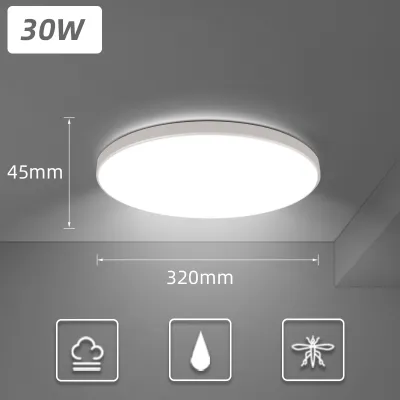
![[Local Seller] LED Ceiling Surface Mounted Downlight LED Panel Light Square Round](https://img.lazcdn.com/g/ff/kf/S9e533f090ee14a7985bc0936a4a65a6bB.jpg_400x400q80.jpg_.webp)
Prices are valid at publication and may change. Please refer to the product page for the latest price.
Beyond physical clearance, visual weight plays a major role in how spacious a room feels. Large, bulky, or low-hanging fixtures draw the eye downward, creating a false visual horizon that makes the ceiling feel lower than it actually is. This visual clutter can make a standard living room feel claustrophobic. Conversely, low-profile and flush-mount lights blend seamlessly into the ceiling plane. By drawing the eye outward rather than downward, these fixtures preserve the room’s volume and make the living space feel larger and more cohesive.
Using flush-mount or ultra-slim LED panels also minimizes physical hazards in high-traffic areas. In bedrooms, low-profile lights are essential to prevent accidental contact when changing clothes, making the bed, or lifting objects. In corridors and kitchens, where movement is frequent, keeping the ceiling clear of obstructions ensures a safer living environment for taller residents and active children.
What to Look for in Low-Profile Ceiling Lights
Selecting ceiling lights for a low-clearance room requires careful evaluation of physical dimensions, electrical specifications, and light output. Homeowners should use a structured checklist to compare different fixtures before purchasing.

Mounting Styles and Physical Clearance
Ceiling lights generally fall into three mounting categories, each offering different clearance profiles:
- Flush-Mount Lights: These fixtures sit directly against the concrete ceiling with no visible gap. They typically have a thickness of 5 to 10 centimetres, making them the most practical choice for general illumination in 2.6m HDB rooms.
- Ultra-Slim LED Panels: Often measuring less than 2 to 3 centimetres in thickness, these surface-mounted panels mimic the look of recessed downlights without requiring a false ceiling. They offer the cleanest, most minimalist profile available.
- Semi-Flush Mounts: These fixtures feature a small stem or bracket that leaves a gap of 5 to 15 centimetres between the ceiling and the light body. While they add decorative interest, they should be reserved for specific zones where foot traffic is non-existent, such as directly above a dining table, and only if the drop length is carefully measured against the tallest user's height.
Brightness and Light Distribution
Achieving adequate illumination without relying on hanging fixtures requires a clear understanding of lumen output and light distribution. Lumens measure the total amount of visible light emitted by a source. For standard HDB room sizes, you can calculate the required brightness using these general guidelines:
- Living Rooms (15–25 sqm): Require approximately 2,000 to 4,000 lumens overall, which can be achieved through a combination of a central flush mount and auxiliary wall or track lights.
- Bedrooms (10–15 sqm): Require 1,200 to 2,000 lumens for comfortable ambient lighting.
- Kitchens and Bathrooms (5–10 sqm): Require 1,500 to 2,500 lumens, prioritizing high-task visibility.
To prevent harsh shadows and dark corners in low-ceiling spaces, look for fixtures with a wide beam angle of 120 degrees or more. Edge-lit LED designs are particularly effective because they direct light inward toward a light guide plate, which then diffuses it downward. This design minimizes glare and hot spots. High-diffusion acrylic or polycarbonate covers help soften the light, spreading it evenly across the room to create a bright, open feel.
Smart Controls and Dimming
Because low ceilings limit your ability to install multiple layers of physical lighting (such as floor lamps, table lamps, and pendants), smart controls become highly valuable. Adjustable lighting allows a single fixture to serve multiple purposes, transitioning from bright task lighting to soft ambient light.
When evaluating smart fixtures, consider the following technical aspects:
- Tunable White Light: This feature allows you to adjust the color temperature from warm white (2700K) for relaxation to cool daylight (6500K) for work or cleaning. Perceived color temperature is a personal preference, but having the flexibility to change it helps adapt the room's atmosphere.
- Dimming Methods: Smart fixtures typically use digital pulse-width modulation (PWM) controlled via an app or remote. If you prefer traditional wall dimmers, ensure the LED driver in the fixture is compatible with triac or trailing-edge dimming switches to prevent flickering or buzzing.
- Ecosystem Compatibility: Verify that the smart light integrates with your preferred smart home ecosystem (such as Apple Home, Google Home, or Samsung SmartThings). For reliable performance, check that the brand supports local Singapore servers or regional hubs to minimize latency and connection drops.
Reliable Ceiling Light Brands for 2.6m HDB Ceilings
Several reputable brands available in Singapore offer high-quality, low-profile ceiling lights that suit the technical and aesthetic requirements of HDB flats. When shopping, always verify current model availability, local warranty terms, and the presence of the Safety Mark.
Panasonic (Slim LED Ceiling Lights)
Panasonic is highly regarded for its reliable Japanese engineering, durable build quality, and efficient thermal management. The brand offers a dedicated range of slim-profile LED ceiling lights designed specifically for modern, low-ceiling apartments.
Panasonic’s slim LED series typically features a sealed design with a thickness of 8 to 10 centimetres. The sealed acrylic covers are engineered to resist dust, hair, and insects, preventing them from entering the fixture and causing unsightly dark spots over time. This makes them exceptionally low-maintenance. Additionally, many of their models offer a high Color Rendering Index (CRI) of Ra80 or Ra90, ensuring that colors in your home appear natural and vibrant.
Most Panasonic ceiling lights come with a dedicated remote control, allowing users to adjust brightness and color temperature smoothly. When purchasing, ensure you buy from authorized local lighting showrooms or official online stores to secure Singapore-compliant models (220–240V) that include official local warranty support.
Philips (Hue and Standard LED Flush Mounts)
Philips, under Signify, offers a comprehensive range of ceiling lights, spanning from budget-friendly, highly reliable standard flush mounts to premium smart lighting systems.
For standard utility areas, kitchens, and bedrooms, the Philips standard LED flush-mount range (such as the Moire or CL series) provides simple, durable, and highly efficient lighting. These fixtures feature slim profiles—often under 7 centimetres—and utilize high-quality integrated LED modules that eliminate the need for bulb replacements. They are designed to distribute light evenly while preventing glare.
For homeowners seeking advanced smart integration, the Philips Hue smart ceiling light range (including models like the Hue Being, Infuse, or Encircle) offers exceptional control. These low-profile fixtures connect via Bluetooth or the Zigbee-based Philips Hue Bridge. They allow you to program custom lighting scenes, sync lights with media, and adjust color temperatures across millions of options. Before purchasing, verify whether the specific model requires a Hue Bridge for full functionality and confirm local smart assistant compatibility.
Yeelight and Smart Lighting Specialists
Yeelight, a prominent player in the smart lighting industry, has gained popularity in Singapore for its ultra-slim, feature-rich, and competitively priced smart ceiling lights.
Many Yeelight ceiling lights feature extremely thin profiles, with some models measuring under 5 centimetres in thickness. This ultra-thin design allows them to sit almost flush against the ceiling, making them ideal for 2.6m HDB flats. Yeelight fixtures are known for their deep dimming capabilities, including a dedicated “moonlight” mode that emits a very soft glow (less than 1 lumen) for nighttime navigation without disturbing sleep.
These lights integrate seamlessly with major smart home platforms, including Xiaomi Home, Google Assistant, Amazon Alexa, and Apple Home. However, because Yeelight products are widely available through cross-border e-commerce platforms, buyers must exercise caution. Always verify that the model you purchase is rated for Singapore’s 220–240V electrical grid, features a compatible plug or wiring interface, and can be bound to local Singapore servers within the app to avoid regional connection issues.
Opple and NVC Lighting (Budget and Commercial-Grade Slim Profiles)
Opple and NVC Lighting are major global manufacturers known for producing high-output, commercial-grade, and highly cost-effective residential lighting solutions.
These brands are excellent choices for budget-conscious HDB renovations, utility rooms, kitchens, and corridors. They offer a wide selection of ultra-thin surface-mounted LED panels and flush-mount fixtures. Because they are built to commercial standards, these lights prioritize high lumen output, energy efficiency, and robust heat dissipation, which is crucial for extending the lifespan of LEDs in Singapore’s warm, humid climate.
Opple and NVC fixtures typically feature simple, minimalist designs that blend easily into any modern interior. When choosing these brands, work with reputable local distributors to ensure the products carry the required local safety marks and are rated for continuous residential use rather than industrial-only applications.
Installation Constraints and Safety in HDB Flats
Installing ceiling lights in Singapore HDB flats requires compliance with specific structural and electrical regulations to ensure safety and structural integrity.
Most HDB ceilings are constructed from solid, precast concrete. This structural reality means you cannot install recessed downlights directly into the ceiling, as drilling large recess holes would compromise the concrete structure. To achieve a recessed look, you would need to install a false ceiling. However, a false ceiling typically drops the room height by 10 to 15 centimetres, reducing your vertical space to 2.45 or 2.5 metres. This can make the room feel significantly smaller. Therefore, surface-mounted flush lights remain the most practical solution for preserving the full 2.6-metre height.
When mounting fixtures onto solid concrete ceilings, you must use appropriate masonry anchors, such as nylon wall plugs or metal expansion bolts, rather than standard drywall screws. Ensure that the ceiling bracket is securely anchored to handle the weight of the fixture. While lightweight LED flush mounts pose minimal risk, heavier fixtures require careful load verification.
Electrical safety is paramount. Singapore’s domestic electricity supply operates at 230V AC, 50Hz. Before undertaking any electrical work, including replacing an existing light fixture, you must isolate the mains power at the main distribution board (DB box) by switching off the relevant circuit breaker, rather than relying solely on the wall switch.
Any complex electrical work—such as installing new wiring points, relocating existing ceiling points, or installing smart dimmer switches—must be performed by an Energy Market Authority (EMA) licensed electrician. Always refer to the manufacturer’s installation instructions. If the instructions conflict with your home’s wiring setup, or if you are unsure of the wiring configuration, stop immediately and consult a qualified professional.
Frequently Asked Questions (FAQ)
Can I install a chandelier in an HDB flat with a 2.6m ceiling?
Installing a traditional, low-hanging chandelier in an HDB flat with a 2.6-metre ceiling is generally not recommended due to physical clearance risks and visual clutter. A standard chandelier can hang down by 50 to 100 centimetres, leaving as little as 1.6 to 2.1 metres of clearance. This poses a constant physical hazard for taller residents and makes the room feel cramped.
If you want a decorative hanging light, limit its installation to specific zones where people do not walk, such as directly above a dining table. As a rule of thumb, the bottom of the fixture should hang at least 75 to 90 centimetres above the tabletop. For high-traffic areas, look for semi-flush mini-chandeliers or multi-arm flush mounts that have a total drop height of less than 30 centimetres, ensuring a safe clearance of at least 2.3 metres from the floor.
Do I need a false ceiling to get good lighting in a 2.6m HDB?
No, you do not need a false ceiling to achieve excellent, high-quality lighting in a standard HDB flat. While false ceilings allow for recessed downlights and hidden cove lighting, they reduce your room height by 10 to 15 centimetres, which can make a 2.6m room feel restricted.
You can achieve bright, even, and modern illumination while preserving your full ceiling height by using surface-mounted slim LED panels or high-quality flush-mount fixtures. Alternatively, surface-mounted track lighting offers a modern aesthetic and allows you to aim light precisely where needed without reducing headroom. Wall-mounted uplights can also be used to bounce light off the ceiling, creating a soft, indirect glow that makes the room feel taller.
How do I clean flush-mount ceiling lights without taking them down?
Cleaning flush-mount ceiling lights regularly prevents dust buildup and maintains optimal brightness. Follow these steps to clean your fixtures safely:
- Isolate the Power: Turn off the wall switch and, for safety, switch off the corresponding circuit breaker at the distribution board.
- Use a Stable Platform: Use a sturdy step stool or A-frame ladder. Avoid standing on chairs or unstable furniture to prevent falls.
- Dry Dusting: Use an extendable microfiber duster or a dry, soft cloth to gently sweep away loose dust, cobwebs, and loose dirt from the exterior of the fixture.
- Damp Wiping: For deeper cleaning, slightly dampen a soft microfiber cloth with water. Wipe the sealed acrylic diffuser gently. Never use abrasive scrubbing pads, steel wool, or harsh chemical cleaners (such as bleach, ammonia, or alcohol-based sprays), as these can scratch or permanently yellow the acrylic cover over time.
- Check IP Ratings: If you are cleaning fixtures in damp environments like kitchens or bathrooms, ensure the fixture has an appropriate Ingress Protection (IP) rating (such as IP44) and avoid letting water seep into any electrical entry points. Allow the fixture to dry completely before turning the power back on.
Community discussion
Share your experience or ask a question. Comments are reviewed before publication.