
Selecting the right lighting configuration for a standard Housing & Development Board (HDB) flat requires balancing modern design trends with strict spatial realities. In Singapore, where standard HDB units feature a floor-to-ceiling height of 2.6 meters, installing bulky fixtures or deep false ceilings can quickly make a living space feel cramped and visually cluttered. To preserve an open, airy atmosphere, the ideal solution is an ultra-slim surface-mounted magnetic ceiling light track (ranging from 5mm to 10mm in thickness) or a narrow recessed track (typically 20mm in width) integrated into a localized false ceiling. This approach maintains maximum headroom while delivering the sleek, minimalist aesthetic characteristic of modern architectural lighting.
By prioritizing low-profile tracks and compact, strategically placed light modules, you can enjoy the flexibility of a magnetic track system without sacrificing valuable vertical space. Achieving this balance requires understanding how floor finishes affect your actual ceiling height, comparing the physical profiles of different track systems, and planning the electrical infrastructure to avoid unnecessary ceiling drops.
Calculating Your True Clearance in HDB Flats
When planning a renovation, relying solely on the nominal 2.6-meter ceiling height can lead to unexpected design issues. The true clearance of an HDB flat is almost always lower once floor finishes are installed. Standard flooring materials—such as homogeneous tiles, engineered timber, or luxury vinyl tiles (LVT)—along with their underlying cement screed or self-leveling compounds, typically add 40mm to 60mm of thickness to the raw concrete slab. Consequently, the actual usable floor-to-ceiling height drops to approximately 2.54 meters.
Products mentioned in this guide
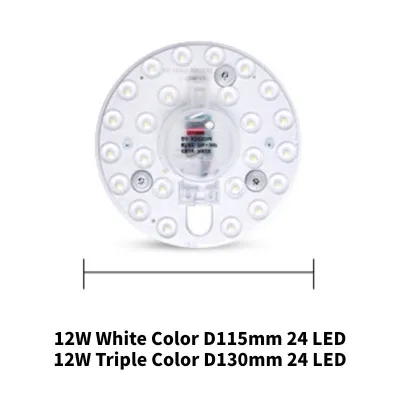
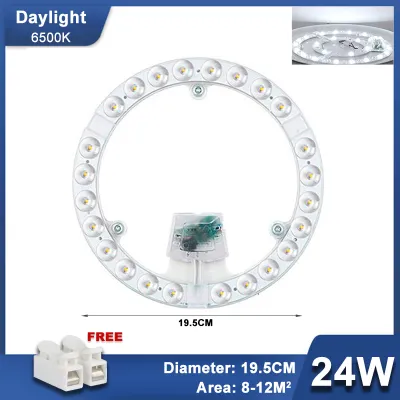

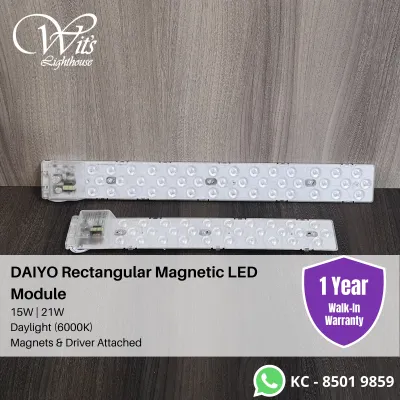
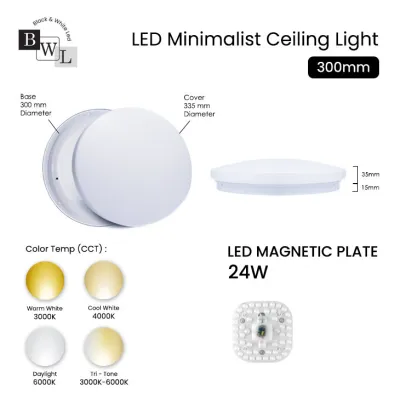
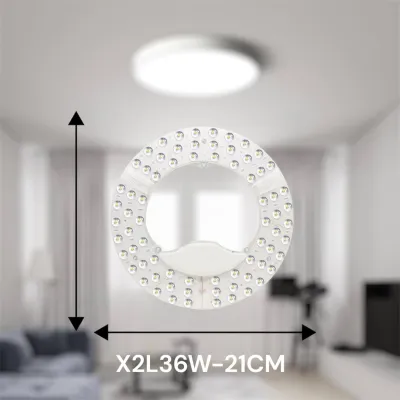
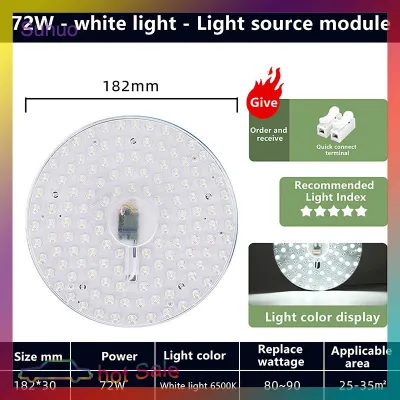
Prices are valid at publication and may change. Please refer to the product page for the latest price.
This reduction has a significant psychological impact on how we perceive spatial volume. Low ceilings restrict the vertical field of view, making compact HDB living rooms and bedrooms feel smaller than their physical footprints. To prevent this, homeowners must measure the distance from the finished floor level (FFL) to the raw concrete ceiling before finalizing any lighting layout. Preserving every possible millimeter of vertical space is crucial when integrating track systems, as even minor protrusions can disrupt the clean sightlines of a modern interior.
Comparing Track Profiles for 2.6m Ceilings
Choosing the right track profile is the most critical decision when planning a magnetic lighting system in a low-ceiling environment. The installation method directly dictates how much vertical clearance is preserved and how the light source integrates with the surrounding architecture.

Recessed (Embedded) Tracks
Recessed magnetic tracks are embedded directly into a false ceiling, creating a completely flush finish where the track body is invisible. This profile offers the ultimate minimalist look, as only the slim light modules are visible. However, the spatial trade-off is substantial. Installing recessed tracks requires dropping a false ceiling by at least 100mm to 150mm across the entire room, which reduces the net ceiling height to around 2.4 meters or less. To mitigate this height loss, designers recommend using recessed tracks selectively. Instead of lowering the entire living room ceiling, consider localized drop bulkheads over specific zones, such as dining areas, entryways, or corridors, leaving the main living space at its maximum height.
Surface-Mounted Tracks
Surface-mounted tracks are the most height-preserving option for standard 2.6-meter HDB ceilings. These tracks are anchored directly onto the concrete slab, completely eliminating the need for a false ceiling. Because ultra-slim surface profiles protrude only 5mm to 15mm from the ceiling, they maintain nearly the entire original clearance. While the track itself remains visible, choosing a matte white finish can help it blend seamlessly into a white ceiling, while a matte black finish can serve as a bold, architectural accent. This method is highly cost-effective and structurally non-invasive, making it an excellent choice for both BTO and resale HDB renovations.
Suspended Tracks
Suspended magnetic tracks hang from the ceiling via adjustable aircraft cables or rods. While this style is highly popular in high-ceiling commercial spaces, lofts, and industrial interiors, it is generally unsuitable for standard 2.6-meter HDB flats. Hanging a track even 30cm or 40cm below a low ceiling severely restricts headroom, creates physical hazards for taller occupants, and visually dissects the room, making the space feel incredibly small. Homeowners should avoid suspended tracks in standard HDB layouts, with the rare exception of dropping a single, short track directly over a dining table or kitchen island where foot traffic is non-existent and the light is structurally anchored over a permanent piece of furniture.
Recommended Track Thickness and Fixture Dimensions
To maintain visual proportion in a room with a 2.6-meter ceiling, the physical dimensions of the track and its light modules must be carefully scaled. Standard magnetic tracks are typically available in two main widths: a standard 35mm profile and a slim 20mm profile. For low ceilings, the narrower 20mm profile is highly recommended. The slim width reduces the visual weight of the track, preventing it from dominating the ceiling plane and making the room feel more expansive.
The thickness or depth of the track is equally important. When opting for surface mounting, look for ultra-slim profiles. Some advanced manufacturers offer micro or ultra-thin surface tracks that are only 5mm to 6mm deep. These profiles are virtually indistinguishable from recessed tracks once installed, offering a flush look without the spatial penalty of a false ceiling.
Equally critical is the selection of the magnetic light modules. These modules click into the track and come in various forms, including linear floodlights, accent spotlights, and folding grille lights. For low ceilings, choose low-profile, flush-fitting linear floodlights or compact spotlights. Avoid bulky, deep-set cylindrical spotlights that extend far below the track. Any adjustable spotlights should be aimed horizontally or at a shallow angle rather than pointing straight down in high-traffic zones. This prevents the physical light source from encroaching on the living space and keeps the light source above the average person’s line of sight. Always verify the exact millimeter dimensions on the manufacturer’s product specification sheet before committing to a purchase.
Installation Clearances and Transformer Placement
Beyond the visible tracks, magnetic lighting systems require dedicated space for their electrical infrastructure. Unlike standard track lights that run on 230V mains voltage, magnetic tracks operate on low-voltage direct current (typically 24V or 48V). This requires an external LED driver or transformer to step down the household voltage.
If you choose recessed tracks, the false ceiling must accommodate both the depth of the track and the physical size of the driver. This usually requires a minimum false ceiling depth of 100mm to 150mm. Homeowners must consult their lighting supplier to get the exact dimensions of the driver and track housing before carpentry or plastering begins.
Because these drivers can be bulky and require occasional maintenance or replacement, hiding them permanently behind a sealed plasterboard ceiling is a common mistake. Instead, plan for strategic, accessible driver placement. Ideal locations include an air-conditioning ledge, a dedicated access panel in a closet, a utility cabinet, a DB box, or inside a curtain pelmet. This keeps the driver accessible for troubleshooting without requiring you to cut into your plaster ceiling.
From a safety perspective, working with fixed electrical wiring and low-voltage drivers carries inherent risks. In Singapore, all electrical work, including the installation of drivers, fixed wiring, and track mounting, must be performed by a licensed electrical worker (LEW). This ensures compliance with local wiring regulations (such as SS 638) and guarantees that the system is safely grounded and protected against electrical overloads.
Common Sizing and Proportion Mistakes
Avoiding common design and technical pitfalls is essential to achieving a clean, professional finish in a compact HDB flat.
Choosing wide, heavy tracks (such as 35mm or wider commercial-grade profiles) is a frequent mistake. These thick lines draw the eye upward and emphasize the low ceiling, making the room feel shorter. Stick to slim 20mm tracks to maintain proper proportions.
Another common error is failing to plan the transformer’s location. Homeowners often buy magnetic systems only to discover during installation that the driver does not fit within their planned shallow false ceiling, forcing them to drop the ceiling further or install an unsightly, visible access hatch in the middle of their living room.
Additionally, hanging long magnetic pendant modules in main walkways or living areas creates both a physical hazard and visual clutter. Keep pendants restricted to dedicated zones like dining tables or kitchen counters.
Finally, ignoring beam angles and glare can ruin the comfort of a low-ceiling room. Because the light source is physically closer to eye level, bright, unshielded floodlight modules can cause intense glare. Opt for deep-set linear lights or honeycomb-louvered spotlights to direct light downward and protect your eyes from direct glare.
Frequently Asked Questions (FAQ)
Can I install recessed magnetic tracks without a false ceiling?
No, recessed magnetic tracks cannot be installed directly into a raw concrete HDB ceiling without a false ceiling. Recessed tracks require a physical cavity to house the depth of the track profile and hide the electrical wiring. To achieve a flush look without a false ceiling, you must use ultra-slim surface-mounted tracks, which mount directly to the concrete slab and protrude minimally.
What is the minimum false ceiling depth required for recessed magnetic lights?
The minimum false ceiling depth typically ranges between 100mm and 150mm. However, the exact depth depends entirely on the specific track model and the physical dimensions of the LED driver. Homeowners should obtain the detailed technical specification sheet from their lighting supplier and verify the exact millimeter requirements with their interior designer or carpenter before starting ceiling works.
Do magnetic ceiling lights require a specific electrical certification in Singapore?
Yes, electrical components installed in Singapore must meet local safety standards. LED drivers and power supplies are classified as controlled goods and should carry the SAFETY Mark issued by Enterprise Singapore to ensure they have been tested and certified safe for domestic use. Furthermore, all electrical installations must be completed by a licensed electrical worker (LEW) to comply with local wiring standards and preserve your home insurance validity.

Community discussion
Share your experience or ask a question. Comments are reviewed before publication.