
Quick Answer: Choosing the Best Filling for Sleep
The ideal material for a donut pillow for sleep depends primarily on your physical support needs and sleep environment. Solid memory foam is the premier choice for targeted pressure relief and deep contouring, making it highly effective for joint alignment. Natural latex offers a highly responsive, bouncy support with excellent breathability, which is particularly beneficial in warm, humid climates like Singapore. Polyester fiberfill represents a lightweight, budget-friendly option that allows for adjustable loft, though it requires more frequent maintenance to prevent flattening.
It is also important to clarify how these cushions are used in bed. A donut pillow designed for sleep is typically placed under the knees, ankles, or between the legs to maintain spinal alignment and relieve joint pressure, rather than under the head, unless specifically designed for ear pressure relief or post-operative cranial care.
Why Filling Material Dictates Sleep Comfort and Support
A donut pillow, or ring cushion, operates on a simple mechanical principle: the central opening or recess is designed to suspend a specific area of the body, eliminating direct contact with the mattress. By offloading weight from this localized zone, pressure is redistributed to the surrounding ring.
Products mentioned in this guide
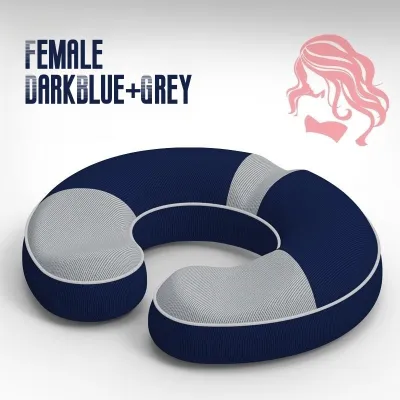
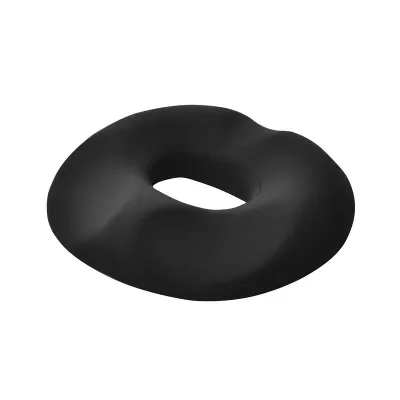
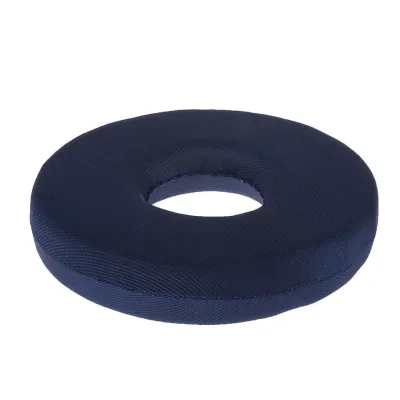
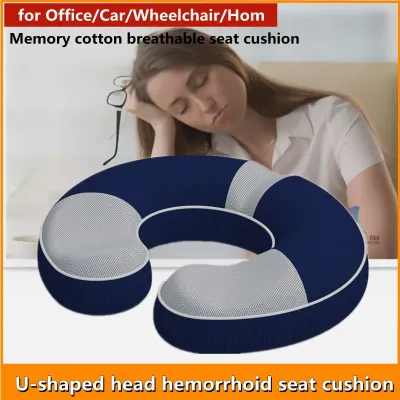
![Memory Foam Donut Seat Cushion [ Ergonomic Chair Lumbar Support Office Car Wheelchair Tailbone ]](https://img.lazcdn.com/g/p/f7efec4f89b63846639e88e243993fda.jpg_400x400q80.jpg_.webp)
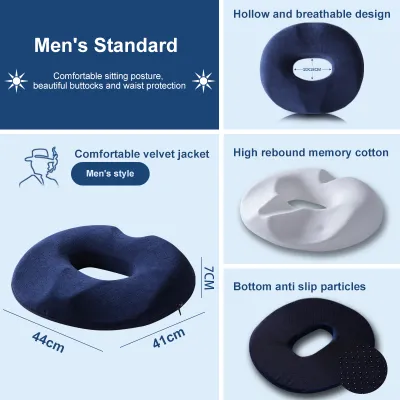
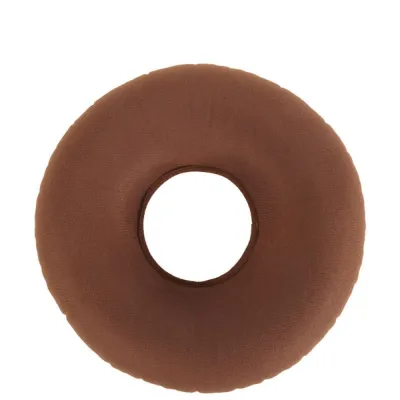
![[SG 🚚] Round Inflatable Seat Ring Donut Cushion Pillows Pad Pain Relief Hemorrhoid Treatment Seat Cushion For Home Office with](https://img.lazcdn.com/g/p/da6feff764a8cffba957be22ce49fa1c.jpg_400x400q80.jpg_.webp)
Prices are valid at publication and may change. Please refer to the product page for the latest price.

When used during sleep, this mechanical suspension must remain stable for seven to nine hours of continuous compression. If the filling material lacks sufficient density or structural integrity, the weight of your legs, knees, or hips will cause the pillow to bottom out. This closes the central hole and defeats its therapeutic purpose, leading to joint strain or localized discomfort.
Furthermore, sleep comfort is heavily influenced by microclimate regulation. Prolonged skin contact with a dense cushion can trap body heat and moisture, leading to localized sweating. Choosing a filling material with high breathability is crucial to ensure that the pressure-relieving benefits are not offset by thermal discomfort.
Memory Foam: Contouring Support for Targeted Pressure Relief
Memory foam, or viscoelastic polyurethane foam, is widely recognized for its unique pressure-conforming characteristics. When exposed to body heat and weight, it softens and molds precisely to the body’s contours, making it a highly popular option for orthopedic support.
Pros and Sleep Benefits
The primary advantage of memory foam in a donut pillow for sleep is its exceptional ability to distribute weight evenly. By contouring closely to the unique shape of your knees or ankles, it minimizes pressure hot spots around the central opening.
For side sleepers who place the donut pillow between their knees, memory foam provides a stable, non-slip barrier. This prevents the knees from knocking together and keeps the pelvis and spine in a neutral, aligned position throughout the night. Because memory foam absorbs motion, it remains quiet and stable even if you shift positions, ensuring that the targeted pressure relief is maintained without constant manual readjustment.
Limitations and What to Check
Despite its supportive qualities, memory foam is inherently prone to heat retention. The dense, closed-cell structure of traditional memory foam can trap body heat, which may feel uncomfortably warm during humid nights. While some manufacturers incorporate gel infusions or open-cell designs, these variations still require a highly breathable outer cover to function effectively.
Before purchasing, always check the product label for the foam’s density, typically measured in kilograms per cubic meter (kg/m³). High-density foam (above 50 kg/m³) offers superior durability and resistance to flattening, whereas low-density alternatives may collapse quickly under continuous body weight. Additionally, look for recognized safety certifications such as CertiPUR-US on the packaging to verify that the foam has been tested for harmful emissions and chemical off-gassing.
Latex: Responsive Bounce and Breathability for Warm Climates
Latex is a natural or synthetic elastomer that offers a distinct alternative to memory foam. Rather than sinking under body heat, latex responds immediately to pressure with an active push-back force, providing a more buoyant and resilient sleeping surface.
Pros and Sleep Benefits
The natural elasticity of latex ensures that the donut pillow maintains its structural integrity and keeps the central hole open, even under substantial weight. This instant responsiveness allows you to move freely without feeling “stuck” in a single position.
For sleepers in Singapore, latex is highly advantageous due to its open-cell structure. This physical design promotes continuous airflow and heat dissipation, keeping the cushion significantly cooler than traditional memory foam. Additionally, high-quality natural latex is inherently resistant to dust mites and mold, making it an excellent choice for individuals with respiratory sensitivities.
Limitations and What to Check
On the downside, latex donut pillows are generally heavier and carry a higher price tag compared to synthetic foam or fiber options, often ranging from S$60 to over S$120. It is also critical to note that individuals with natural rubber latex allergies must avoid these products entirely and opt for synthetic alternatives.
When shopping, examine the product specifications carefully to determine the exact composition of the latex. Look for labels indicating “100% natural latex” if you want to avoid synthetic blends, which may not offer the same level of durability or breathability. To confirm environmental or organic claims, verify that the manufacturer provides valid documentation from recognized third-party certifiers, such as the Global Organic Latex Standard (GOLS).
Polyester Fiber: Plush Softness and Adjustable Loft
Polyester fiberfill consists of synthetic polyester strands blown into the pillow cover. This material is widely used in standard bedding and offers a traditional, familiar plushness.
Pros and Sleep Benefits
Polyester fiberfill provides a soft, cloud-like cushioning that is highly comfortable for lightweight individuals who find solid foam or latex too rigid. The material is incredibly lightweight, making it effortless to adjust or reposition during sleep.
A major benefit of many fiberfill donut pillows is their customizable nature. Many designs feature a zippered inner cover, allowing you to manually add or remove stuffing to achieve the exact height (loft) and firmness required for your sleep posture. This adjustability makes fiberfill highly versatile, accommodating a wide range of body types and changing comfort preferences.
Limitations and What to Check
However, polyester fiber lacks the structural memory and resilience of foam or latex. Under continuous compression, the loose fibers tend to shift, clump, or flatten out, which can cause the center hole to collapse and press directly against the mattress.
To prevent this, buyers should check if the pillow features a high-density weave or internal baffles designed to keep the fiber fill evenly distributed. Ensure the cushion has a zippered inner lining so you can easily access the filling for manual fluffing or replacement. Always consult the care label on the product tag; while many fiberfill pillows are machine washable, improper laundering can cause the fibers to mat and permanently ruin the pillow’s shape.
Matching the Material to Your Sleep Position and Needs
Selecting the right donut pillow material requires aligning its physical properties with your primary sleep posture and personal comfort preferences.
- Side Sleepers (Pillow between knees): If you primarily sleep on your side and use a donut pillow to align your hips or protect a sensitive knee joint, memory foam is highly recommended. Its ability to contour to the leg prevents slipping, while its dense structure keeps the knees properly separated. Alternatively, latex provides a cooler, more responsive option if you tend to overheat.
- Back Sleepers (Pillow under knees): For those who sleep on their back and require gentle elevation under the knees or ankles, polyester fiber is an excellent starting point due to its adjustable loft. If you require deeper, more stable support that won't shift during the night, a high-density memory foam donut pillow will provide the necessary structural foundation.
- Hot Sleepers: If you frequently wake up warm or live in a tropical climate, prioritize a latex filling or a shredded memory foam variant. Pair these materials with a breathable, moisture-wicking outer cover made of bamboo, Tencel, or cotton to maximize heat dissipation.
While a donut pillow can provide significant comfort and temporary pressure relief, it is not a substitute for professional medical advice. If you are managing chronic pain, recovering from surgery, or dealing with a specific medical condition, always consult a qualified healthcare professional or physical therapist to ensure a donut pillow is safe and appropriate for your specific recovery plan.
Material-Specific Care and Maintenance Guidelines
To extend the lifespan of your donut pillow and maintain a hygienic sleep environment, it is essential to follow proper, material-specific care routines.
- Memory Foam: Solid memory foam should never be submerged in water, machine washed, or placed in a dryer, as moisture will break down the cellular structure. Instead, spot clean any stains gently with a damp cloth and mild detergent. Allow the foam to air dry completely in a well-ventilated indoor space, keeping it away from direct sunlight, which can degrade the polyurethane.
- Latex: Similar to memory foam, latex must never be machine washed or exposed to high heat. Hand wash the cushion gently or spot clean with cold water and a mild soap. Air dry the pillow flat in the shade; direct exposure to sunlight or high heat will cause natural latex to oxidize, crumble, and lose its elasticity.
- Polyester Fiber: Many polyester fiberfill pillows are machine washable on a gentle cycle with warm water. To dry, tumble dry on a low-heat setting, adding a few clean tennis balls or wool dryer balls to the drum to help break up clumps and restore the pillow's original loft. Always verify the specific instructions on the manufacturer's care label before washing.
These guidelines are general recommendations. The manufacturer’s care instructions printed on the product tag must always take precedence to avoid damaging the materials or voiding the product warranty.
Frequently Asked Questions (FAQ)
Can I use a regular sitting donut pillow for sleeping?
Using a standard sitting donut pillow for sleep is generally not recommended. Sitting cushions are engineered to support the full weight of the upper body and are typically much firmer, thicker, and more rigid than necessary for sleep. Using them in a horizontal sleeping position can cause unnatural joint angles, muscle strain, and spinal misalignment. Sleep-specific donut pillows feature a lower profile and softer, more conforming materials tailored for nighttime comfort.
Will a donut pillow flatten out and close the hole during the night?
Whether a donut pillow flattens out depends heavily on its filling material and density. Solid memory foam and natural latex are highly resilient and designed to maintain their shape under continuous weight, keeping the central hole open throughout the night. In contrast, polyester fiberfill is prone to shifting and compression under prolonged pressure, which can cause the center hole to close unless the pillow is regularly fluffed or refilled.
Is it safe to use a donut pillow every night for sleep?
Using a donut pillow nightly for general comfort or temporary elevation is typically safe. However, if you are using it every night to manage localized pain, a pressure injury, or post-operative recovery, you should consult a doctor or physical therapist. Continuous use without professional guidance can sometimes lead to secondary alignment issues or affect local blood circulation if the pillow is not sized or positioned correctly for your body.
Community discussion
Share your experience or ask a question. Comments are reviewed before publication.