
Quick Guide: Which Baby Blanket Material Is Right for You?
Selecting the right baby blankets and wrappers is a decision that directly impacts your infant’s sleep quality, skin health, and safety. The ideal material is not a one-size-fits-all choice; instead, it depends heavily on your immediate environment and how you plan to use the fabric. For example, a textile that keeps a newborn safe and comfortable in a hot, humid outdoor climate may not provide enough protection in a heavily air-conditioned nursery.
To help you make an efficient decision, the four primary materials can be summarized by their core strengths:
- Cotton: The industry standard for everyday durability, offering excellent structural integrity and straightforward washing.
- Muslin: A highly breathable, open-weave cotton fabric designed to prevent overheating during secure swaddling.
- Bamboo: A silky, moisture-wicking semi-synthetic fabric that provides a cooling touch for sensitive skin.
- Fleece: A heavy, synthetic insulator designed to trap heat, suitable strictly for cold environments.
By matching these physical properties to your daily routine, you can build a practical collection of baby textiles that ensures both comfort and peace of mind.
Products mentioned in this guide
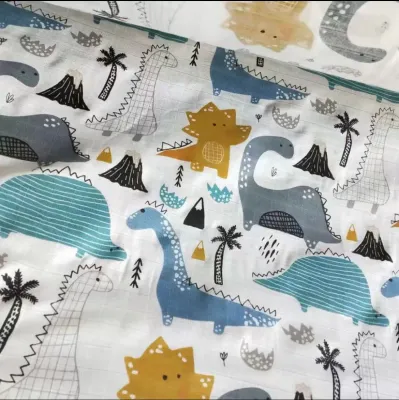
![[3 for $11.9] Muslin Bamboo Cotton Baby Wrap Newborn Swaddle Blanket Cover Bath Towel Soft](https://img.lazcdn.com/g/p/915ffb3a00034b7bedf788cf5994df07.jpg_400x400q80.jpg_.webp)
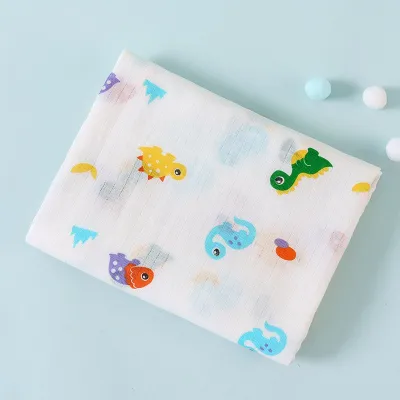
![[New Arrival] Baby Newborn Swaddle Wrap Sleeping Bag Infant Swaddle Blanket 100% Cotton](https://img.lazcdn.com/g/p/1a1a4bf29a56d9fdc99db66823f9bd30.jpg_400x400q80.jpg_.webp)
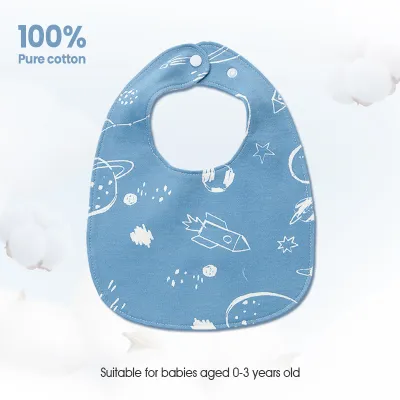
Prices are valid at publication and may change. Please refer to the product page for the latest price.
Safety and Comfort: What to Check Before Buying
Before comparing specific fabrics, it is vital to establish the safety and comfort criteria that govern all infant textiles. An infant’s physiological system is still developing, which means they cannot regulate their body temperature as efficiently as adults. Because babies do not sweat in the same way older children do, trapped heat can cause rapid body temperature spikes. Consequently, fabric breathability is a fundamental safety requirement rather than a secondary comfort preference.

Safe sleep guidelines emphasize minimizing risks in the sleeping environment. For young infants, loose blankets should not be placed in the crib due to the risk of accidental face covering. Instead, parents are advised to use secure swaddles or wearable sleep sacks. When a blanket is used under direct supervision—such as during stroller walks or supervised floor play—the fabric must allow carbon dioxide to disperse and fresh air to circulate freely.
When evaluating any product, always check the manufacturer’s label for age recommendations, secure fastening instructions, and textile safety certifications. Standards such as the OEKO-TEX® Standard 100 certify that the fabric has been tested for harmful substances and is safe for direct contact with infant skin. Additionally, ensure there are no loose threads, decorative tassels, or low-quality zippers that could present choking or wrapping hazards.
Finally, remember that the safety of a material changes based on its application. A heavy, insulating fabric that is perfectly safe as a stroller cover on a chilly evening becomes a serious hazard if wrapped tightly around a sleeping infant in a warm room. Always assess the room temperature and the baby’s physical signs of warmth—such as a damp chest or flushed cheeks—before choosing which wrap to use.
Cotton, Muslin, Bamboo, and Fleece: A Material Breakdown
Understanding the physical structure of each fabric allows you to predict how it will perform in daily use. Here is an in-depth evaluation of the four most common materials used for baby blankets and wrappers.
Cotton: The Versatile and Durable Standard
Cotton remains the most popular choice for baby textiles due to its exceptional balance of soft texture, breathability, and structural resilience. As a natural fiber, cotton allows air to flow through its fibers, helping to regulate temperature while remaining gentle on delicate skin. Its high tensile strength means it can withstand dozens of machine wash cycles without losing its shape, tearing, or becoming rough.
When shopping, you will frequently encounter both standard and organic cotton. Organic cotton is grown without synthetic pesticides or chemical fertilizers, which appeals to parents looking to minimize agricultural residues and support sustainable farming. While organic cotton is excellent for babies with highly reactive skin, it does not possess a fundamentally different physical texture or weave from high-quality standard cotton. Both options provide excellent service if manufactured to high textile standards.
However, the weight of the cotton weave is a critical factor to consider. Lightweight cotton knits and interlock fabrics are highly breathable and suitable for moderate temperatures. Conversely, thicker cotton weaves—such as flannel, heavy jersey, or quilted cotton—trap significantly more heat. In tropical climates or warm household environments, these heavier weaves can quickly become too warm for a resting baby, so always match the weave weight to your room conditions.
Muslin: Lightweight, Breathable, and Ideal for Swaddling
Muslin is a specific type of finely woven cotton characterized by its exceptionally loose, open-weave structure. This lightweight construction allows air to circulate with minimal restriction, making muslin the single most breathable fabric option available for infants. By allowing body heat to escape easily, muslin wrappers significantly lower the risk of overheating during sleep.
Beyond breathability, muslin possesses a natural, diagonal stretch despite containing no synthetic elastic fibers. This physical flexibility is highly beneficial for swaddling, as it allows you to wrap the baby securely while still permitting natural chest expansion and joint movement. Furthermore, muslin has the unique physical property of becoming softer and more pliable with every consecutive wash, enhancing its comfort over time.
The primary limitation of muslin is its lack of insulation. Because the open weave is designed to let heat escape, a single layer of muslin provides virtually no protection against cold drafts or low air-conditioning temperatures. If your nursery is kept consistently cool, a muslin wrap will not provide sufficient warmth on its own and may need to be paired with warmer clothing layers.
Bamboo: Soft, Cooling, and Moisture-Wicking
Bamboo-derived fabrics have gained significant popularity for their luxurious, silky texture that drapes smoothly over a baby’s body. This smooth surface minimizes friction, making it an outstanding choice for infants suffering from eczema, heat rashes, or highly sensitive skin. Additionally, bamboo fibers possess excellent moisture-wicking capabilities, absorbing sweat away from the skin to keep the baby dry and comfortable.
To make an informed purchase, it is important to understand the material reality of these textiles. The vast majority of “bamboo” baby blankets are not made from raw bamboo fibers; instead, they are made from rayon or viscose derived from bamboo pulp. This chemical manufacturing process creates a semi-synthetic fiber that is incredibly soft but physically delicate. These blankets are highly prone to shrinking, pilling, and losing their shape if subjected to rough washing cycles or high heat.
When evaluating bamboo blankets, ignore unverified marketing claims regarding natural, long-lasting antibacterial properties, as the chemical processing of viscose typically eliminates these active agents. Instead, focus on the fabric’s observable physical benefits: its cool-to-the-touch feel, its lightweight drape, and its superior moisture management, all of which make it highly effective for temperature regulation.
Fleece: Warmth for Air-Conditioned or Cooler Environments
Fleece is a synthetic fabric, typically made from polyester, engineered to mimic the warmth and loft of natural wool. It features a brushed surface that creates millions of tiny air pockets, which effectively trap body heat and block external wind. This makes fleece incredibly warm, lightweight, and highly resistant to moisture absorption from the outside.
Because of these intense heat-trapping properties, fleece carries a strict safety warning for infant care. Fleece is not a breathable fabric; it does not allow air or moisture to escape easily. Consequently, you must never use fleece for tight swaddling or expose a baby wrapped in fleece to hot, humid outdoor conditions. Doing so can cause a rapid, dangerous rise in the infant’s core temperature.
Fleece should be reserved strictly for specific, controlled environments. It is highly useful in strongly air-conditioned rooms, during winter travel to cold climates, or when used as an outer stroller cover to shield your baby from cool drafts. When used correctly as an outer layer rather than a tight wrap, fleece provides excellent, reliable insulation.
How to Choose Baby Blankets and Wrappers Based on Climate and Daily Routine
Selecting the right baby blankets and wrappers requires analyzing where and how the textile will be used throughout the day. In regions with tropical climates or high humidity, your daily routine will likely involve moving between hot outdoor environments and cool, air-conditioned indoor spaces. Your fabric choices should reflect these transitions.
For outdoor excursions, stroller walks, and midday outings, prioritize muslin and lightweight cotton. A muslin wrapper serves as an excellent stroller sunshade or nursing cover because it blocks direct sunlight while allowing breeze to pass through, preventing the stroller interior from turning into a heat trap. Similarly, a lightweight cotton wrap protects the baby’s skin from UV rays without adding unnecessary warmth.
For indoor sleeping in air-conditioned nurseries, bamboo viscose and medium-weight cotton are the superior choices. These fabrics provide enough insulation to shield your baby from the chill of the air conditioner while maintaining excellent breathability. The moisture-wicking properties of bamboo are particularly helpful if your baby tends to sweat slightly during sleep, as keeping the skin dry prevents post-sweat chills.
When it comes to swaddling, the rule is absolute: prioritize breathability above all else. Swaddling involves wrapping multiple layers of fabric snugly around the baby’s body, which naturally multiplies the heat-retention of the material. Muslin and lightweight cotton are the only safe choices for secure swaddling. Fleece must be completely excluded from swaddling routines, as its synthetic, non-breathable fibers pose an immediate overheating risk.
To help you quickly match your specific situation to the correct material, use the decision matrix below:
| Material | Best Primary Use | Ideal Environment | Safety & Usage Note |
|---|---|---|---|
| Muslin | Swaddling, stroller covers, nursing shields | Hot, humid outdoors; mild indoor rooms | Highly breathable; does not provide enough warmth for cold, air-conditioned spaces. |
| Cotton | Everyday layering, play mats, durable swaddling | Highly versatile; depends on the weave weight | Choose lightweight knits for warm weather; reserve flannel/jersey for cooler rooms. |
| Bamboo | Temperature-regulating sleep, sensitive skin | Air-conditioned nurseries; humid climates | Extremely soft and cooling; requires gentle washing to prevent stretching. |
| Fleece | Outer stroller blankets, cold-climate travel | Strongly air-conditioned spaces; cold weather | Never use for swaddling or in warm rooms due to severe overheating risks. |
Care and Maintenance: Keeping Blankets Soft and Safe
Proper care and maintenance are essential to preserve the softness, hygiene, and physical safety of your baby blankets and wrappers. Before washing any new textile, first check the applied product’s label and the treated item’s manufacturer instructions. If instructions conflict, or if the fabric is highly specialized, follow the manufacturer’s guidelines to avoid damaging the fibers.
As a general rule, always wash baby blankets before their first use to remove any chemical residues from manufacturing or shipping. Use a gentle, fragrance-free, hypoallergenic detergent to protect your baby’s sensitive skin and respiratory system. Ensure that all blankets are thoroughly dried after washing; damp fabrics stored in dark closets can quickly develop mold or mildew, which poses a serious respiratory risk to infants.
Different materials require specific washing protocols to maintain their physical properties:
- Cotton: This natural fiber is highly resilient. It can generally withstand standard machine washing cycles in warm water and high-heat tumble drying. This makes cotton the easiest material to sanitize thoroughly, which is ideal for blankets that frequently encounter spit-up or diaper leaks.
- Muslin: Because of its delicate, open-weave structure, muslin should be washed on a gentle cycle with cool or warm water. To prevent snagging, wash muslin blankets alongside similar soft fabrics and avoid washing them with items containing open zippers or Velcro. Tumble dry on low heat or air dry to preserve the weave.
- Bamboo: Bamboo viscose is highly delicate when wet. Wash these blankets in cool water on a delicate cycle, preferably inside a mesh laundry bag to prevent stretching. Always air dry bamboo blankets flat, or tumble dry them on an ultra-low heat setting. High heat will cause immediate shrinkage and fiber degradation.
- Fleece: Wash synthetic fleece in cool water on a standard cycle. Avoid using high heat, which can melt the polyester fibers and cause them to become rough. Crucially, never use fabric softeners on fleece. Fabric softeners leave a chemical waxy coating on synthetic fibers, which clogs the tiny air pockets, ruins the texture, and drastically reduces the fabric's breathability.
Frequently Asked Questions (FAQ)
Can I use a fleece blanket for swaddling my newborn?
No, you should never use a fleece blanket to swaddle a newborn. Swaddling requires wrapping fabric tightly in multiple layers around the infant’s body. Because fleece is a synthetic, highly insulating material that lacks breathability, swaddling in it traps body heat rapidly and creates a severe risk of dangerous overheating. Stick to highly breathable fabrics like muslin or lightweight cotton for secure swaddling.
How many baby blankets and wrappers do I actually need?
Rather than buying a massive quantity, focus on a functional baseline that accommodates your daily routine and laundry cycles. A highly practical starting setup includes 3 to 5 breathable muslin or lightweight cotton wrappers for daily swaddling and stroller shading, 2 medium-weight cotton or bamboo blankets for air-conditioned indoor sleep, and 1 thicker blanket (such as fleece or quilted cotton) reserved for cold travel or outer stroller use.
Is organic cotton significantly better than regular cotton for babies?
Organic cotton is grown without synthetic pesticides or chemical fertilizers, making it an environmentally friendly choice and a great option for babies with severe eczema or highly reactive skin. However, both regular and organic cotton are safe, breathable, and excellent for baby blankets. The most important step is ensuring that whichever cotton you choose is thoroughly washed with a gentle, fragrance-free detergent before its first use.
Community discussion
Share your experience or ask a question. Comments are reviewed before publication.