
Selecting the right mini ashtray requires balancing functional requirements with your personal environment. Because these compact accessories are designed for portability or discrete placement, their material performance directly impacts safety, odor control, and longevity. There is no single universal option that excels in every scenario; instead, the ideal choice depends on where and how you plan to use it.
To make an efficient decision, consider this conditional framework based on your primary usage environment:
- Choose Ceramic if you prioritize superior heat tolerance, weight stability, and classic decorative appeal for a permanent indoor setting like a living room or study.
- Choose Glass if you want a sleek, modern, non-porous surface that resists odor absorption and is exceptionally easy to wipe clean.
- Choose Metal if you require maximum impact resistance, lightweight portability, and secure lids for outdoor travel, commuting, or pocket carry.
- Choose Silicone if you need a flexible, unbreakable, and high-grip option for high-wind outdoor environments, balconies, or poolside use.
Before finalizing your purchase, always verify the manufacturer’s care label and specific heat limits to ensure the product matches your maintenance habits and safety expectations.
Products mentioned in this guide
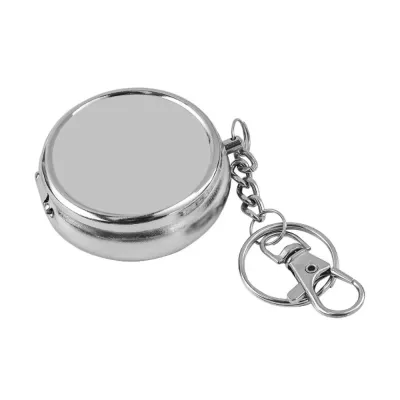
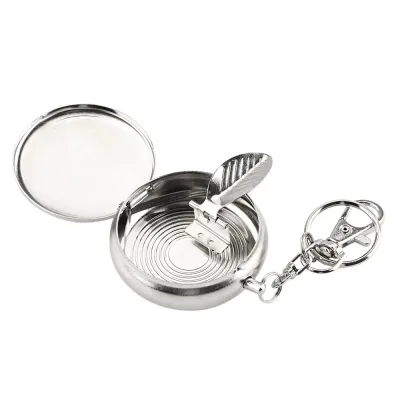
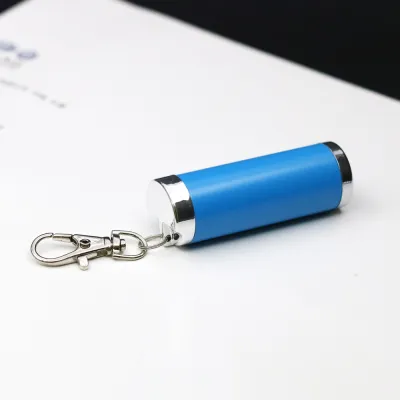
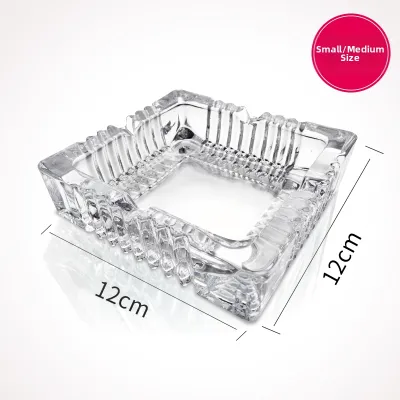
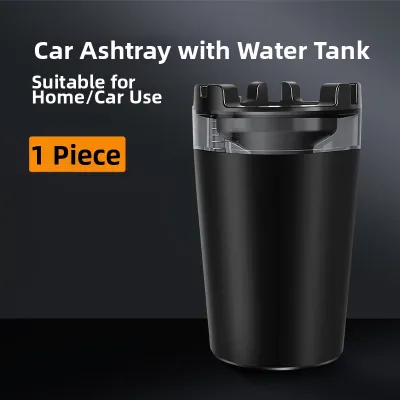
Prices are valid at publication and may change. Please refer to the product page for the latest price.
Core Evaluation Criteria for Mini Ashtrays
To objectively compare different materials, you must evaluate how they perform under daily operational stress. A mini ashtray concentrates heat and ash in a small surface area, making material properties highly critical. Understanding these criteria helps you look past aesthetic finishes and assess long-term utility.
Heat Resistance and Thermal Stability
This dimension measures how well a material handles direct contact with lit embers and hot ash. High-performing materials resist melting, warping, cracking, or scorching when a cigarette or incense cone rests directly on the surface. Poor thermal stability can lead to structural failure or release unpleasant chemical fumes.
Durability and Impact Resistance
This refers to the material’s ability to survive accidental drops, knocks, and general wear. For portable or outdoor items, impact resistance is paramount. Fragile materials risk shattering into dangerous shards, while highly durable materials can withstand drops onto hard tile, concrete, or asphalt without structural compromise.
Cleaning Ease and Odor Retention
Ash and tar residue contain oils that cling to surfaces and create persistent odors. Non-porous materials prevent these oils from penetrating, allowing for simple cleaning with soap and water. Porous or textured surfaces can trap microscopic particles, leading to permanent staining and lingering smells that resist standard washing.
Visual Appeal and Decor Integration
An ashtray often doubles as a decorative artifact. The material’s texture, color depth, and weight influence how well it complements your interior design. While some materials offer high-end styling suitable for formal coffee tables, others prioritize purely utilitarian, casual aesthetics best reserved for informal outdoor spaces.
Always verify specific product specifications before purchasing. Variations in material thickness, chemical blends, protective glazes, or decorative coatings can significantly alter these baseline performance characteristics.
Ceramic Mini Ashtrays: Heat Tolerance and Decorative Appeal
Ceramic has long been a staple material for decorative trays and tabletop accessories. When crafted as a mini ashtray, ceramic offers exceptional thermal mass. It easily absorbs and dissipates heat from burning embers without any risk of warping, discoloration, or structural degradation. This high heat tolerance makes it one of the safest options for indoor environments where items are left to burn out naturally.

From an aesthetic perspective, ceramic offers unmatched versatility. Glazed ceramic can be molded into intricate shapes, finished with vibrant colors, or detailed with hand-painted patterns. Whether your home features a minimalist modern aesthetic or a traditional rustic style, you can find a ceramic design that serves as an elegant decor piece. The natural weight of ceramic also provides excellent stability, preventing the tray from sliding or tipping over when placed on a side table.
However, the primary limitation of ceramic is its inherent brittleness. If dropped onto hard flooring, such as concrete, marble, or ceramic tiles, it is highly likely to chip, crack, or shatter completely. This fragility makes it unsuitable for travel, pocket carry, or high-traffic outdoor areas where wind or physical contact could knock it to the ground.
Maintaining a ceramic mini ashtray is straightforward, provided the glaze remains intact. Smooth, fully glazed surfaces prevent tar oils from soaking into the clay body, allowing you to wipe away residue with a damp cloth. If the glaze develops micro-cracks over time, or if the bottom surface is left unglazed, ash can settle into the pores and cause permanent gray staining. Always check the manufacturer’s care instructions before placing ceramic items in a dishwasher, as harsh detergents and high temperatures can dull decorative glazes.
Glass Mini Ashtrays: Easy Cleaning and Modern Aesthetics
Glass mini ashtrays are celebrated for their clean lines, modern simplicity, and exceptional hygiene. Because glass is entirely non-porous, it acts as an absolute barrier against moisture, oils, and odors. Tar and ash residue cannot penetrate the surface, meaning the ashtray will not retain stale smells even after years of consistent use. This makes glass one of the most hygienic and odor-free materials available.
Visually, glass interacts beautifully with light. Clear, frosted, tinted, or pressed glass designs add a subtle, sophisticated touch to contemporary workspaces or modern living rooms. Because glass is translucent or highly reflective, a small glass tray can sit on a desk without feeling visually heavy or cluttered, preserving a clean and airy interior design.
Despite these benefits, glass carries distinct vulnerabilities regarding physical and thermal shock. Standard glass can crack if subjected to sudden, extreme temperature changes—such as rinsing a hot ashtray under cold tap water. Like ceramic, glass is highly fragile and will break into sharp, hazardous pieces if dropped from a table onto a hard surface. This risk makes standard glass a poor choice for outdoor balconies or households with active pets or young children.
To mitigate these risks, look for mini ashtrays made from thick, tempered glass or borosilicate glass. Borosilicate glass is specifically engineered to resist thermal shock, making it much safer when handling direct heat. For cleaning, glass is incredibly resilient; it can withstand soaking in vinegar, isopropyl alcohol, or warm soapy water without losing its clarity. Always verify the manufacturer’s thermal and care limits before exposing glass to rapid temperature shifts.
Metal Mini Ashtrays: Unmatched Durability and Portability
For users who prioritize ruggedness, portability, and long-term durability, metal is the premier material choice. Typically constructed from stainless steel, aluminum, or brass, a metal mini ashtray is virtually indestructible. It will not crack, chip, or shatter when dropped, making it the ideal companion for travel, outdoor camping, or daily pocket carry.
Metal designs often feature highly functional, mechanical elements. Many portable metal models include sliding lids, screw-top caps, or integrated keychains designed to seal in ash and odor while on the move. Visually, metal offers a sleek, industrial, or utilitarian aesthetic. Highly polished chrome, brushed stainless steel, or matte anodized aluminum finishes fit seamlessly into modern offices, industrial-themed rooms, or minimalist outdoor setups.
One physical property to keep in mind is thermal conductivity. Metal conducts heat rapidly. If a lit cigarette or ember rests against a thin metal edge for an extended period, the exterior of the ashtray can become hot to the touch. While this does not damage the metal itself, it requires cautious handling to avoid accidental burns or damage to delicate wooden surfaces underneath.
In terms of maintenance, metal is highly resilient but requires specific care depending on the alloy. While stainless steel and anodized aluminum resist corrosion well, lower-grade metals can rust if exposed to constant moisture or left outdoors in humid climates. To maintain a polished finish, avoid using abrasive steel wool or harsh scouring powders, which can scratch the surface. Regularly wipe the metal down with a soft cloth and warm water, and ensure it is dried completely to prevent water spots and oxidation.
Silicone Mini Ashtrays: Flexibility and Outdoor Safety
Silicone has emerged as a highly popular material for casual, outdoor, and high-traffic environments. Made from synthetic polymers, silicone is incredibly flexible, rubbery, and completely shatterproof. You can drop it, step on it, or pack it tightly into a stuffed travel bag, and it will instantly bounce back to its original shape. This makes it an exceptionally safe option for poolside areas, balconies, and outdoor patios where glass or ceramic would pose a safety hazard.
Another unique benefit of silicone is its high-friction, non-slip texture. A silicone mini ashtray grips outdoor tables and balcony railings securely, preventing it from sliding off in high winds or when bumped. Its lightweight yet stable nature makes it highly functional for casual gatherings. Furthermore, silicone is quiet; it makes no noise when placed on glass tables, and dropping it generates no disruptive clatter.
However, silicone has lower heat resistance limits compared to ceramic, glass, or metal. High-quality, food-grade silicone can typically withstand temperatures up to approximately 230°C. While this is sufficient for extinguishing ashes, prolonged, direct contact with a glowing, high-heat ember can cause the silicone to scorch, discolor, or degrade over time. It is crucial to use the designated resting notches rather than leaving active embers resting directly in the main basin.
Cleaning silicone also presents unique challenges. The material has a slightly tacky surface texture that can attract airborne dust, pet hair, and fine ash. Over time, silicone can absorb stubborn tar odors if not washed regularly. To keep it clean, rinse it with warm, soapy water immediately after use, or check if the manufacturer specifies that the product is dishwasher safe. While silicone excels in casual, functional outdoor settings, its bright, rubbery appearance may not align with formal or classic indoor decor styles.
Material Comparison Matrix at a Glance
This matrix summarizes how each material performs across the core criteria, helping you quickly match material properties to your specific environment.
| Material | Heat Resistance | Durability (Impact) | Cleaning Ease | Best Usage Scenario |
|---|---|---|---|---|
| Ceramic | Excellent (No warping or melting) | Low (Fragile, chips easily) | High (If fully glazed) | Indoor living rooms, formal offices, stable decor setups |
| Glass | Moderate to High (Risk of thermal shock) | Low (Shatters upon impact) | Excellent (Non-porous, resists odors) | Modern indoor spaces, desks, minimalist coffee tables |
| Metal | High (Conducts heat quickly) | Outstanding (Indestructible) | Moderate (Needs drying to avoid spots) | Travel, pocket carry, outdoor commuting, industrial decor |
| Silicone | Moderate (Can scorch under direct embers) | Outstanding (Shatterproof, flexible) | Moderate (Attracts dust, can retain odor) | Balconies, patios, poolside, high-wind outdoor environments |
Please note that individual product quality, material thickness, and specialized manufacturing treatments (such as tempered glass, reinforced alloys, or high-grade glazes) can cause variations. Always verify the specific product specifications and manufacturer guidelines before purchase.
Final Verdict: Matching the Material to Your Usage Scenario
To select the perfect mini ashtray, map your daily habits and environmental conditions to the strengths of each material:
- The Interior Design Enthusiast: If your primary goal is to complement your home decor, choose ceramic or glass. These materials offer the refined textures, colors, and light-reflective qualities needed to blend seamlessly with decorative trays, books, and indoor furniture. They provide a stable, elegant presence on any tabletop.
- The Commuter and Traveler: If you need a reliable accessory for your pocket, bag, or car, select metal. A compact stainless steel or aluminum container with a locking lid ensures that ash and odors remain completely sealed away, and the container will easily survive the bumps and drops of travel.
- The Balcony and Patio Lounger: If you enjoy relaxing on an outdoor balcony, patio, or near a pool, go with silicone. Its wind-resistant grip, shatterproof body, and weather-resistant nature make it the safest and most practical choice for outdoor elements.
Regardless of your final choice, always prioritize safety by reviewing the product’s care instructions, maximum heat limits, and structural specifications before making your purchase.
Frequently Asked Questions (FAQ)
How do I remove stubborn tar stains from a glass or ceramic mini ashtray?
To remove stubborn tar and resin buildup, soak the mini ashtray in warm water mixed with a few drops of mild dish soap or white vinegar for 15 to 30 minutes. Once the residue softens, gently wipe the surface with a soft sponge or microfiber cloth. Avoid using abrasive steel scouring pads, stiff wire brushes, or harsh chemical cleaners, as these can permanently scratch glass or strip away protective ceramic glazes. Always refer to the manufacturer’s cleaning guidelines for specific material restrictions.
Can I leave a lit cigarette in a silicone mini ashtray?
No, you should avoid leaving a lit cigarette resting directly in the basin of a silicone mini ashtray. While high-quality silicone is heat-resistant, direct and prolonged contact with a burning ember—which can reach temperatures well above silicone’s safe threshold—can cause structural scorching, melting, or unpleasant odors. Always use the integrated resting slots or notches designed to hold the item suspended, and verify the manufacturer’s stated maximum temperature limits before use.
Are metal mini ashtrays safe to use in humid climates like Singapore?
Yes, metal mini ashtrays are safe for humid climates, provided they are made from corrosion-resistant materials. Look for high-grade 304 stainless steel, anodized aluminum, or solid brass, which naturally resist rust and oxidation caused by high atmospheric moisture. To maximize longevity, check the product description for rust-resistant coatings, wash the ashtray regularly to remove acidic residue, and dry it thoroughly with a soft cloth after cleaning to prevent water spots.
Community discussion
Share your experience or ask a question. Comments are reviewed before publication.