
Maximizing visual space in compact Singapore homes, such as HDB flats, executive condominiums, and studio apartments, often requires creative design solutions that do not consume valuable floor area. Utilizing a high-quality mirror sticker deco is one of the most efficient, cost-effective, and damage-free ways to visually double your living space. Unlike heavy glass mirrors that require drilling, wall anchors, and professional installation, lightweight adhesive mirrors offer a flexible alternative that fits perfectly into modern, fast-paced lifestyles. However, choosing the right brand and material is essential to avoid the dreaded “fun-house” distortion effect and ensure the adhesive survives Singapore’s humid tropical climate. To make your small space look significantly larger, you must focus on high-clarity materials, secure but wall-safe adhesives, and strategic placement.
How Mirror Stickers Create the Illusion of Space
The science of interior spatial perception relies heavily on light distribution, sightlines, and focal points. Small rooms often feel cramped because solid walls block light and restrict the eye’s natural depth perception, creating a sense of confinement. By applying a reflective surface, you introduce a secondary source of light reflection that mimics the presence of a window or an open doorway. This optical trick tricks the human brain into perceiving the wall as an extension of the room rather than a boundary, instantly increasing the perceived square footage of compact living areas.
To maximize this space-enhancing effect in typical Singapore layouts, strategic placement is key. Positioning your reflective panels directly opposite a primary light source, such as a balcony sliding door or a large living room window, allows the surface to bounce natural light deep into darker corners. This not only makes the room look wider but also significantly brightens the entire area, reducing the need for heavy artificial lighting during the day. Alternatively, placing these decals along narrow hallways or behind key furniture pieces like dining tables can create a sense of continuous flow, turning tight transitions into open, airy passages.
Products mentioned in this guide
![[OKLIFE. SG]Mirror Wall Sticker Self Adhesive Decorative Mirror 3D Acrylic Glass Sticker mirror](https://img.lazcdn.com/g/p/287f9ae0f82e6a421d138f466656fe1c.jpg_400x400q80.jpg_.webp)
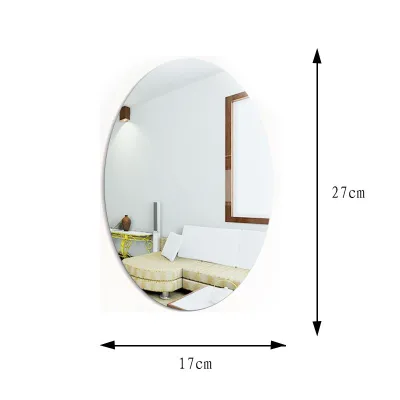
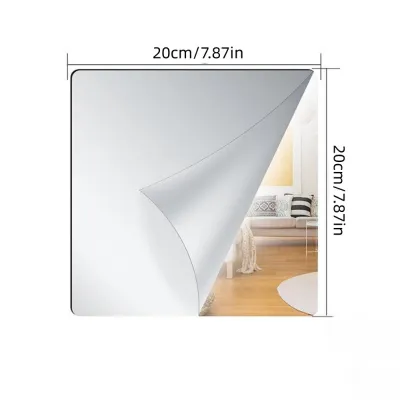
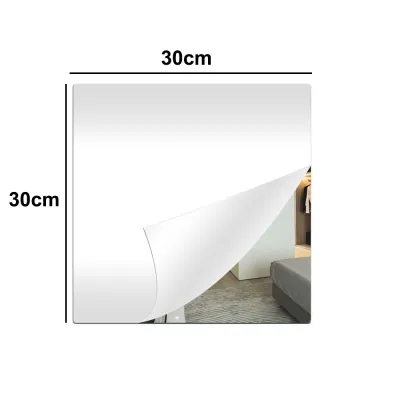
Prices are valid at publication and may change. Please refer to the product page for the latest price.
Furthermore, the orientation of your reflective panels can change how a room’s proportions are perceived. For instance, arranging rectangular panels horizontally along a wall can make a narrow room feel wider, which is ideal for compact master bedrooms or narrow galley kitchens. Conversely, stacking panels vertically can draw the eye upward, making low ceilings—a common feature in some older apartments—feel higher and more majestic. By understanding these visual dynamics, you can use reflective decals as a powerful architectural tool to correct spatial imbalances in your home.
Key Criteria for Evaluating Mirror Sticker Brands
When searching for the ideal reflective wall decals, relying solely on brand marketing claims can lead to disappointing results. Because many options are sold under generic or white-label names on online marketplaces, you must evaluate products based on objective physical specifications. A systematic approach to assessing material, adhesive properties, and edge safety will ensure you invest in a product that looks professional and lasts for years.

Material Clarity and Thickness The primary factor determining reflection quality is the base material. Most lightweight mirror decals are made from either acrylic (polymethyl methacrylate) or PET (polyethylene terephthalate). PET is highly flexible and very thin, making it easy to cut but highly susceptible to surface imperfections. Even minor wall texture will telegraph through thin PET, causing severe reflection distortion. Acrylic sheets are thicker, typically ranging from 1 mm to 3 mm. For a true, glass-like reflection that does not warp, prioritize brands that offer acrylic panels with a thickness of at least 2 mm. Thicker panels maintain their structural rigidity, resisting the bending that causes distorted reflections.
Adhesive Quality and Wall Compatibility A critical challenge in Singapore’s humid climate is adhesive degradation. High humidity can cause low-quality adhesives to peel, slide, or lose their grip entirely, especially when applied to walls that experience temperature fluctuations. Conversely, overly aggressive adhesives can fuse permanently to the wall, stripping away plaster and paint during removal. Look for brands that specify the use of pressure-sensitive, removable acrylic adhesives. These adhesives form a secure bond under firm pressure but remain stable in humid environments without curing into a permanent, destructive weld. Always check the manufacturer’s label for explicit “paint-safe” or “residue-free” guarantees.
Edge Finishing and Visual Seamlessness The way the edges of each panel are cut dramatically impacts the final aesthetic. Cheaply cut decals often have rough, sharp, or uneven edges that look unfinished and can catch dust or clothing. High-quality options feature precision laser-cut edges. If you are planning to arrange multiple panels edge-to-edge to create a larger mirrored surface, look for beveled edges. Beveled borders catch and refract light beautifully, creating a sophisticated, paneled look that closely mimics high-end custom glass installations. Flat, polished edges are better suited for seamless, continuous layouts where you want the joints between panels to be as invisible as possible.
Safety and Backing Features Unlike traditional glass mirrors, which pose a significant safety hazard if shattered, high-quality plastic alternatives are inherently shatterproof. However, you should still verify that the product features a protective backing layer. This backing serves a dual purpose: it protects the delicate reflective silvering on the rear of the panel from being scratched by the adhesive or the wall surface, and it provides an extra layer of structural integrity. Ensure the product labels state that the reflective coating is sealed with a durable, moisture-resistant protective lacquer to prevent oxidation and black spots over time.
Recommended Mirror Sticker Styles for Small Rooms
Selecting the right style of reflective decals depends on your room’s layout, your aesthetic preferences, and the specific spatial challenge you want to solve. Different shapes and configurations offer distinct visual benefits, allowing you to customize the spatial illusion to fit your home.
Large Panel and Full-Wall Decals
For homeowners looking to create a dramatic, seamless transformation, large panels are the most effective choice. These large, continuous sheets are designed to cover significant portions of a wall, effectively mimicking a massive built-in mirror or a floor-to-ceiling window. This style is particularly effective when installed behind a living room sofa, a console table in an entryway, or along one side of a compact dining alcove.
Because large panels rely on absolute flatness to maintain a realistic reflection, they require a perfectly smooth, level wall surface. Any slight bump or curve in the underlying plaster will be magnified across a large reflective surface, resulting in noticeable distortion. When installing these larger sheets, precise alignment is critical; even a millimeter of misalignment at the seams can ruin the continuous illusion. This style is best suited for modern, flat-painted drywall or smooth plastered concrete walls.
Geometric and Mosaic Patterns
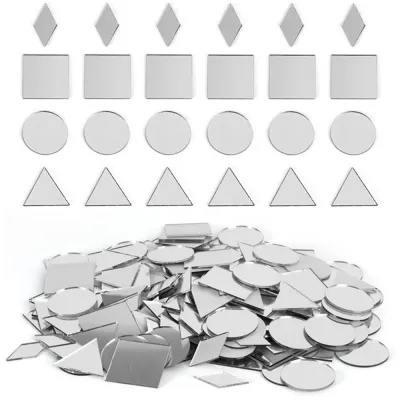
If you prefer a more flexible, creative, and forgiving option, modular geometric and mosaic shapes are highly recommended. These sets consist of smaller, individual tiles—such as hexagons, diamonds, squares, or triangles—that can be arranged in custom configurations. Modular patterns are incredibly versatile, allowing you to cover irregular wall spaces, wrap around corners, or create eye-catching accent walls that double as functional art.
Geometric patterns are highly forgiving for beginners because small gaps or slight misalignments between individual tiles are visually absorbed by the overall pattern, unlike large panels where every seam must be perfect. Additionally, because each piece is smaller, they are less prone to the warping caused by minor wall imperfections. This makes them an excellent choice for older HDB walls that may have subtle surface irregularities or textured paint finishes.
Where to Source Trusted Mirror Sticker Deco in Singapore
Finding high-quality mirror sticker deco in Singapore requires navigating a mix of local retailers and online marketplaces. Because many products look identical in promotional images, you must use smart filtering strategies to distinguish premium, durable options from cheap, highly distorting alternatives.
When shopping on major e-commerce platforms or specialized home decor websites, avoid buying the cheapest listings, which often feature paper-thin PET sheets that warp easily. Instead, filter for reputable sellers by closely examining customer feedback. Look specifically for verified buyer reviews that contain photos or videos of the installed product. Pay close attention to comments mentioning “distortion,” “reflection clarity,” and “adhesive hold.” If multiple customers note that the reflection looks like a “fun-house mirror” or that the panels fell off the wall after a few days in Singapore’s humidity, skip that seller.
For a more reliable experience, seek out specialized online home organization and decor brands that provide detailed material specifications, such as the exact thickness of the acrylic and the type of adhesive used. Many trustworthy sellers will also offer comprehensive installation guides, surface compatibility charts, and transparent return policies if the product does not meet your clarity expectations. If you prefer to inspect the material quality in person before purchasing, visit local home furnishing shops or DIY hardware stores in Singapore, where you can feel the rigidity of the panels and check the adhesive backing firsthand.
Installation Guide for HDB and Rental Walls
Achieving a flawless, long-lasting reflection depends entirely on proper installation. Whether you are living in a temporary rental or a newly renovated HDB flat, taking the time to prepare the surface and apply the panels correctly will prevent damage to both the product and your walls.
Surface Preparation Before peeling off any adhesive backing, you must prepare the wall surface. Dust, oils, and moisture are the primary causes of adhesive failure.
- Wipe the target wall area with a clean, dry microfiber cloth to remove loose dust and cobwebs.
- For stubborn grime, lightly dampen a cloth with a mixture of water and a mild dish soap, wipe the surface, and allow it to dry completely for at least 24 hours.
- Inspect the wall for peeling paint, dampness, or powdery residue. If the paint is flaking or chalky, the adhesive will bond to the loose paint rather than the wall, causing the panel to fall and pull the paint off with it.
Application Steps Once the surface is clean and completely dry, proceed with the application.
- Use a spirit level and a pencil to lightly draw alignment guidelines on the wall. This is especially important for multi-panel or geometric layouts.
- If your kit includes transfer tape, apply it to the front of the panels to keep them aligned.
- Peel a small portion of the adhesive backing from the top of the panel.
- Align the panel with your pencil marks and gently press the top edge onto the wall.
- Slowly peel away the remaining backing while pressing the panel downward.
- Use a clean, soft squeegee or a dry cloth to press firmly from the center of the panel outward to the edges. This forces out any trapped air bubbles and ensures a complete bond.
- Finally, peel off the protective plastic film from the front reflective surface.
Safety and Compliance Boundaries Do not apply adhesive mirrors to freshly painted walls; paint must cure for at least 4 to 6 weeks before any adhesive is applied. Avoid damp areas, such as high-humidity bathroom zones without proper ventilation, as moisture will eventually degrade the adhesive. If you are renting your home and have a strict tenancy agreement regarding wall damage, or if you are unsure about the integrity of your wall paint, consult your landlord or a professional installer before proceeding.
Safe Removal and Long-Term Maintenance
To preserve the clarity of your reflective surfaces and ensure your walls remain undamaged when it is time to move or redecorate, you must follow proper maintenance and removal protocols.
Cleaning and Maintenance Acrylic and PET surfaces are softer than traditional glass and can scratch easily if cleaned incorrectly. Never use abrasive scrubbers, paper towels, or harsh chemical solvents like acetone or ammonia-based glass cleaners, which can cloud or scratch the plastic. Instead, use a clean, ultra-soft microfiber cloth dampened with water or a dedicated non-abrasive plastic cleaner. Wipe gently in circular motions, and dry with a separate dry microfiber cloth to prevent water spots.
Safe Removal Process When you need to remove the decals, do not rip them off forcefully, as this will almost certainly tear the underlying paint or plaster. Instead, use a hairdryer on a low-to-medium heat setting to gently warm the panel. Direct the warm air at the edges and behind the panel for a few minutes to soften the adhesive. Once the adhesive is warm and pliable, slowly and gently peel the panel away from the wall at a 45-degree angle. If any adhesive residue remains on the wall, rub it gently with your fingers or use a mild, paint-safe adhesive remover, testing a small, hidden area first to ensure it does not discolor the paint.
Frequently Asked Questions (FAQ)
Can mirror stickers be applied to textured or uneven walls?
No, adhesive reflective sheets require a completely flat and smooth surface to function correctly. Applying them to textured walls—such as stucco, brick, or heavily textured wallpaper—will result in poor surface contact, causing the adhesive to fail and the panels to fall. Furthermore, any unevenness under the flexible plastic material will warp the surface, creating highly distorted, wavy reflections that make the room feel chaotic rather than spacious.
Will removing mirror stickers damage my wall paint?
While many brands market their products as wall-safe, the risk of damage depends heavily on the quality of your wall’s paint job, how well the paint has cured, and the removal method used. If the paint is old, poorly bonded, or applied over chalky plaster, the adhesive may pull the paint off during removal. To minimize this risk, always test a single sticker in an inconspicuous, hidden area first, leave it for a few days, and remove it using the gentle heat method to assess how your wall reacts.
Community discussion
Share your experience or ask a question. Comments are reviewed before publication.