
Selecting a reliable toilet light ceiling fixture in Singapore requires balancing modern aesthetics with high-performance moisture resistance. Because of Singapore’s year-round tropical humidity, steam from hot showers quickly accumulates in enclosed bathroom spaces, making standard indoor downlights highly susceptible to premature failure. To ensure safety and longevity, homeowners should look to trusted global manufacturers and specialized architectural lighting brands that offer dedicated, certified wet-rated models. Brands like Philips, Megaman, and Opple are widely recognized in the local market for producing robust, moisture-resistant downlights, but the key is verifying the specific Ingress Protection (IP) rating and safety certifications of the exact model rather than relying solely on brand reputation.
Understanding Bathroom Lighting Zones and IP Ratings in Singapore
To design a safe bathroom lighting layout, you must first understand how electrical standards classify different areas of a wet room. In Singapore, bathroom spaces are divided into distinct safety zones based on their proximity to water sources like showers, bathtubs, and sinks. These zones dictate the minimum Ingress Protection (IP) rating required for any light fixture installed within them.
Zone 0 refers to the interior of the bath or shower basin itself, where fixtures are completely submerged. Lighting is rarely installed here for residential properties, but if it is, it requires low-voltage fixtures rated at IPX7 or higher.
Products mentioned in this guide
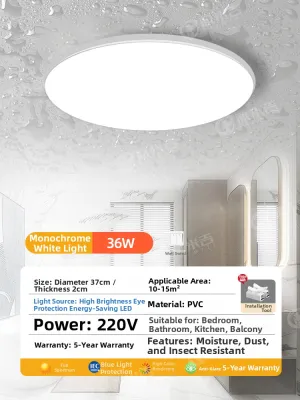
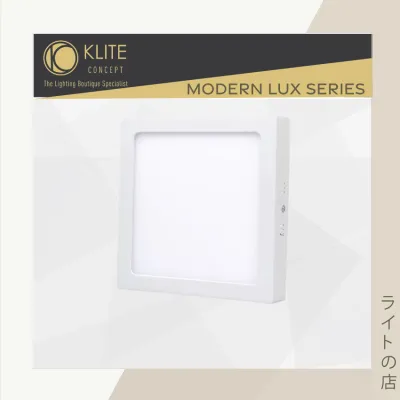
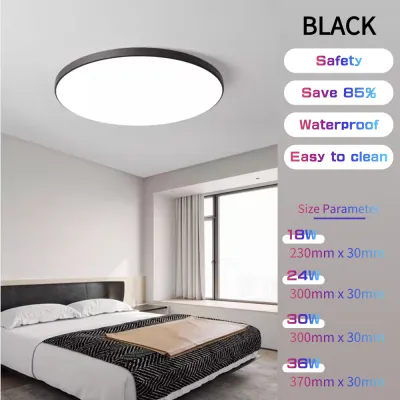
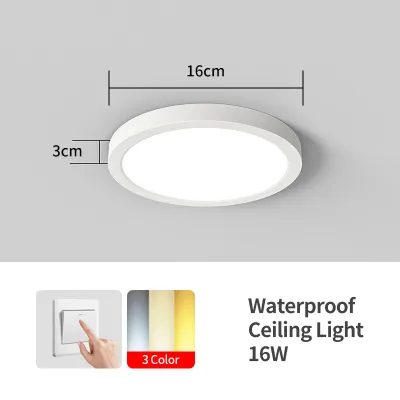
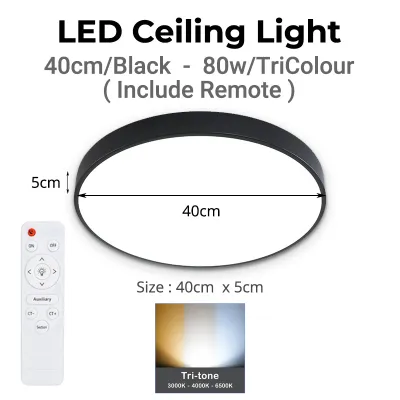
Prices are valid at publication and may change. Please refer to the product page for the latest price.
Zone 1 is the area directly above the bath or shower, extending up to 2.25 metres from the floor. This zone is subject to direct water sprays and heavy splashing. Any downlight installed in a Zone 1 ceiling must have a minimum rating of IP65, which certifies that the fixture is dust-tight and protected against water jets.
Zone 2 extends 0.6 metres horizontally outside the boundary of Zone 1 and up to 2.25 metres high. While not directly sprayed, Zone 2 is highly prone to splashing and heavy condensation. Downlights in this zone require a minimum rating of IP44, indicating protection against solid objects larger than 1mm and splashing water from any direction.
The area beyond Zone 2 is considered the outside zone, where standard light fixtures are technically permissible under basic regulations. However, Singapore’s unique climate introduces specific challenges. The combination of high ambient humidity, frequent temperature fluctuations from air conditioning, and often limited natural ventilation in HDB flats or condominium bathrooms creates a high-condensation environment throughout the entire room.
Because of these conditions, steam does not remain confined to the immediate shower area. It rises, pools against the ceiling, and penetrates unsealed fixtures across the entire bathroom. For this reason, local lighting professionals strongly advise opting for a higher IP rating, such as IP44 or even IP65, for all toilet light ceiling fixtures, regardless of whether they sit strictly within Zone 1 or Zone 2. This proactive approach prevents moisture from bypassing the ceiling barrier and causing premature electrical failures.
Key Features to Look for in Moisture-Resistant Downlights
When comparing moisture-resistant downlights, you should look past generic marketing claims and focus on verifiable physical construction, material specifications, and engineering details. High-quality bathroom downlights are specifically designed to withstand prolonged exposure to water vapor and heat.

Housing and Trim Materials
The choice of material determines whether your downlights will maintain their structural integrity or succumb to corrosion over time. Standard steel trims, often found in budget-grade downlights, degrade rapidly in humid environments, leading to unsightly rust stains on your ceiling. Instead, prioritize fixtures constructed from die-cast aluminum, marine-grade stainless steel, or high-grade polycarbonates. Die-cast aluminum is particularly favored because it offers excellent structural rigidity and natural rust resistance while acting as an efficient heat sink.
Sealing Mechanisms
A moisture-resistant downlight must feature robust physical barriers to prevent water vapor from reaching its internal electronics. Look for fixtures equipped with high-quality, integrated silicone or ethylene propylene diene monomer (EPDM) gaskets. These seals must sit tightly between the trim and the ceiling, as well as between the outer lens and the inner housing. Additionally, the front diffuser should be made of sealed tempered glass or high-impact acrylic rather than loose-fitting plastic covers. Ensure the electrical junction box on the rear of the fixture also carries an appropriate IP rating with sealed cable entry points.
Surface Treatments
The external finish of the downlight is your first line of defense against both humidity and cosmetic wear. Premium fixtures undergo specialized surface treatments, such as anti-corrosion powder coating, which prevents oxidation even when exposed to salty or chemically treated moisture (such as soap residue). Furthermore, look for downlights with anti-fog or hydrophobic coatings on the lens. These treatments prevent water droplets from pooling on the glass, ensuring that light output remains clear and undistorted during hot showers.
Thermal Management
Engineering a moisture-proof downlight presents a unique physical challenge: the fixture must be airtight to keep water out, yet it must also dissipate the heat generated by the LED chip. If heat is trapped inside a sealed enclosure, the junction temperature of the LED will spike, drastically shortening its lifespan and causing color shifting. High-quality brands solve this by integrating advanced thermal management systems, such as finned aluminum heat sinks, directly into the sealed housing. When choosing a fixture, verify that the manufacturer has rated the downlight for use in insulated or enclosed ceilings if your bathroom has a false ceiling setup.
Evaluating Downlight Brands for Humid Environments
Selecting the right brand for your bathroom downlights involves evaluating their technical specifications rather than relying on brand name alone. While well-known lighting manufacturers produce highly reliable products, their catalogs span a wide range of applications, from basic dry-rated living room fixtures to heavy-duty industrial lights.
When browsing options from major brands like Philips, Megaman, Opple, or Panasonic, always verify the product specifications at the individual model level. A brand’s reputation for quality in living room lighting does not automatically guarantee that every downlight they sell is suitable for a wet bathroom ceiling. You must specifically seek out their dedicated bathroom-rated, shower-rated, or wet-location series.
In Singapore, electrical safety is strictly regulated. Any downlight you purchase must feature the Singapore SAFETY Mark on its electrical components, particularly the LED driver or transformer. The SAFETY Mark indicates that the product has been tested and certified by an enterprise recognized by Enterprise Singapore to meet local safety standards. Additionally, look for independent testing certifications from recognized international bodies such as TÜV SÜD, SGS, or Intertek. These certifications provide objective proof that the fixture’s IP rating has been verified through rigorous laboratory testing.
When visiting lighting showrooms in areas like Balestier or Jalan Besar, or when browsing official brand websites, avoid relying on vague descriptions like “water-resistant” or “vapor-proof.” Instead, ask the sales representative or check the official datasheet for the exact IP rating (e.g., IP44 or IP65). A reputable manufacturer will always provide detailed technical drawings, clear IP rating certificates, and explicit instructions regarding the environments where the fixture can be safely installed.
While premium architectural lighting brands may carry a higher price tag—often ranging from S$30 to S$80 per fixture compared to S$10 to S$20 for basic models—the investment is justified by their superior build quality, longer warranties, and higher-grade silicone seals. Cross-referencing the exact model number on the official manufacturer spec sheet ensures you are getting a genuine moisture-resistant product designed to survive the demanding conditions of a Singapore bathroom ceiling.
Installation and Safety Guidelines for Bathroom Ceilings
Proper installation is just as critical as selecting a high-quality fixture. Even the most advanced IP65-rated downlight will fail, or worse, pose a safety hazard, if it is installed incorrectly in a moisture-prone ceiling cavity.
First and foremost, all fixed electrical wiring and light installation in Singapore bathrooms must be performed by a Licensed Electrical Worker (LEW). This is a legal requirement under the Energy Market Authority (EMA) regulations. Bathrooms are classified as high-risk areas due to the presence of water and body conductivity, meaning that improper grounding or faulty wiring can have fatal consequences. An LEW will ensure that the circuits are properly protected by a Residual Current Circuit Breaker (RCCB) or a Residual Current Device (RCD) with an appropriate sensitivity rating (typically 10mA or 30mA) to instantly cut power in the event of a current leak.
The space inside a false ceiling (suspended ceiling) presents hidden environmental challenges. In Singapore HDB flats and condominiums, this cavity often traps hot, humid air and is susceptible to condensation from cold air conditioning ducts running nearby. Furthermore, there is always a minor risk of water seepage from the wet areas of the unit directly above yours. When installing downlights in these cavities, the installer must use waterproof, gel-filled wire connectors (such as outdoor-rated lever connectors or terminal blocks) to prevent moisture from creeping into the copper conductors.
When cutting holes in the ceiling board for downlight installation, care must be taken to maintain the structural integrity and, where applicable, the fire rating of the ceiling. The cut-out dimensions must match the manufacturer’s specifications precisely to ensure a tight, flush fit for the downlight’s outer gasket. If the hole is too large, the silicone seal will not press firmly against the ceiling board, allowing humid air from the bathroom to escape into the ceiling cavity, where it can condense on cold concrete slabs and metal hangers, eventually leading to mold growth or structural corrosion.
Finally, ensure that the downlight has adequate clearance space above and around its housing for heat dissipation. Enclosed, moisture-resistant fixtures generate significant heat. Never cover the downlight or its driver with thermal insulation material unless the fixture is explicitly rated as “IC” (Insulation Contact) compliant. Always maintain the minimum clearance distances specified in the manufacturer’s installation manual to prevent overheating, which can degrade the internal components and void your warranty.
Maintenance and Troubleshooting for Bathroom Downlights
To maximize the lifespan of your bathroom downlights and ensure ongoing electrical safety, you must establish a regular maintenance routine and learn to identify the early warning signs of moisture damage.
Safe Cleaning Routines
Before performing any maintenance or cleaning on your toilet light ceiling fixtures, always isolate the electrical supply by switching off the circuit breaker at the main distribution board. Never rely solely on the wall switch. When cleaning the fixture, use a soft, lint-free, slightly damp microfiber cloth. Avoid using harsh chemical cleaners, abrasive scrubbing pads, or solvent-based sprays, as these substances can quickly degrade the silicone gaskets, strip away anti-corrosion coatings on the trim, and damage anti-fog treatments on the lens.
Identifying Moisture Ingress
Regularly inspect your bathroom downlights for early indicators of water penetration. The most common warning signs include:
- Internal Condensation: Visible water droplets or fogging behind the glass lens, indicating that the airtight seal has failed.
- Flickering or Delayed Starting: Intermittent light output, which often points to moisture affecting the LED driver or terminal connections.
- Rust or Corrosion: Discoloration or bubbling paint on the outer trim, suggesting that the metal is reacting to high humidity or standing water.
- Faint Burnt Odor: A distinct chemical or burning smell when the lights are turned on, indicating electrical tracking or overheating components.
Actionable Steps
If you observe any signs of moisture ingress, immediately switch off the power to the bathroom lighting circuit and do not attempt to turn it back on. Do not attempt to dismantle the sealed downlight fixture yourself, as DIY repairs can permanently compromise the factory-engineered IP seals and expose you to electrical shock hazards. Instead, contact a qualified Licensed Electrical Worker (LEW) to inspect the fixture, check the wiring connections inside the ceiling cavity, and replace the unit if the internal seals have failed.
Frequently Asked Questions (FAQ)
Do bathroom downlights require special waterproof drivers?
Yes, the LED driver (or transformer) requires just as much protection from moisture as the downlight fixture itself, if not more, because it houses the primary high-voltage conversion components. While the visible downlight fixture in your bathroom ceiling must carry a high IP rating (such as IP44 or IP65), the driver must also be adequately protected to prevent short circuits and electrical hazards.
In professional installations, the most common and recommended practice is to locate the LED driver outside the immediate wet zone. This is typically achieved by placing the driver in an adjacent dry ceiling cavity, inside a dedicated utility cupboard, or behind an accessible service hatch in a dry area of the bathroom. Keeping the driver remote simplifies future maintenance, keeps high-voltage components away from direct moisture, and allows the driver to dissipate heat more effectively in a well-ventilated space.
If the driver must be placed directly inside the wet-zone ceiling cavity, it must either be an inherently waterproof model with an appropriate IP rating (such as IP67) or be housed within a secondary, certified IP-rated weatherproof enclosure. Regardless of the driver’s location, all wiring and placement must strictly comply with Singapore’s local electrical safety regulations (SS 638) and be installed by a Licensed Electrical Worker (LEW) to ensure complete safety and compliance.
Community discussion
Share your experience or ask a question. Comments are reviewed before publication.