
Choosing the best motion sensor outdoor light in Singapore depends on your housing type, installation constraints, and exposure to the tropical climate. For hardwired setups requiring maximum durability, established global manufacturers like Philips and Steinel offer robust, highly reliable hardware. If you want seamless automation and security integration, smart ecosystem brands like Aqara, Xiaomi, and Ring provide advanced app-based controls. For areas where running electrical cables is restricted or impractical, solar-powered and battery-operated alternatives from specialized brands offer flexible, non-invasive mounting solutions.
To find the right fixture for your HDB flat or condominium unit, you must balance technical factors such as Ingress Protection (IP) ratings, local structural regulations, and sensor technologies. Selecting the wrong type of sensor or housing material can lead to frequent false alarms, hardware degradation, or compliance issues with town councils and building management.
Essential Weather and Durability Specs for Tropical Climates
Singapore’s outdoor environment presents severe challenges for electrical fixtures. High relative humidity, intense UV exposure, and heavy monsoonal downpours will quickly degrade sub-standard equipment. When shopping for an outdoor light, the Ingress Protection (IP) rating is your primary indicator of weather resistance. For covered HDB corridors, sheltered foyers, or deeply recessed condo balconies, a minimum rating of IP65 is recommended, which protects against dust and low-pressure water jets. For fully exposed areas like garden pathways, open condo facades, or unsheltered balconies, you should opt for IP66 or IP67 fixtures to ensure survival against powerful tropical rainstorms.
Products mentioned in this guide
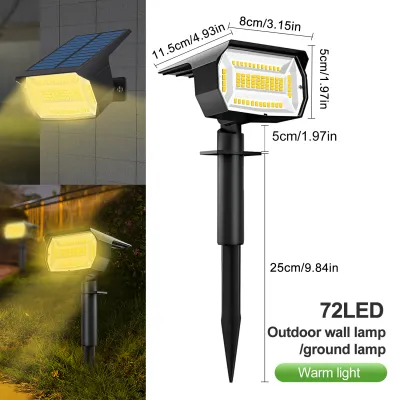
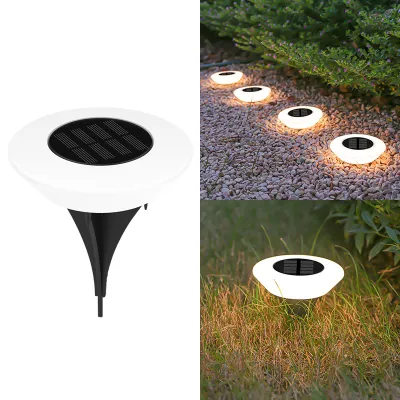
Prices are valid at publication and may change. Please refer to the product page for the latest price.
Material composition is equally critical for long-term durability. Standard plastics tend to undergo photodegradation under Singapore’s high UV index, leading to yellowing, brittleness, and eventual cracking of the casing. To prevent this, prioritize fixtures constructed from UV-stabilized polycarbonate or marine-grade die-cast aluminum. Glass covers are highly resistant to weathering but add weight and are susceptible to impact damage.
Always check the manufacturer’s product label for the specified operating temperature and humidity ranges. High ambient temperatures, especially when fixtures are mounted on heat-retaining concrete walls under direct afternoon sunlight, can exceed the limits of low-grade electronics. Do not rely on generic marketing terms like “weatherproof” or “outdoor-ready”; verify that the technical datasheet explicitly supports high-humidity environments and temperatures up to at least 45°C or 50°C.
HDB and Condo Installation Rules to Check Before Buying
Before purchasing any outdoor lighting fixture, you must verify the legal and structural boundaries of your residential property. For HDB flats, the common corridor is public property managed by the local Town Council. SCDF fire safety regulations dictate that a minimum clear escape passage of 1.2 meters must be maintained along the corridor at all times. Consequently, any installed light must not protrude excessively or create a physical obstruction. Furthermore, drilling into structural columns, load-bearing concrete walls, or pre-cast beams is strictly prohibited by HDB building guidelines, as it can compromise structural integrity.

For condominium residents, the exterior facade of your unit, including balcony walls and entrance foyers, is considered common property under the jurisdiction of the Management Corporation Strata Title (MCST). You must submit an application and obtain written approval from your MCST before altering any exterior lighting or drilling into external walls. This ensures the building maintains a uniform aesthetic and prevents light pollution from disturbing your immediate neighbors.
Electrical safety is another paramount consideration. In Singapore, any installation that involves hardwiring a 230V mains-powered fixture to your home’s electrical grid must be carried out by a Licensed Electrical Worker (LEW) or a qualified licensed electrician. Ensure that any mains-powered light you purchase locally carries the Enterprise Singapore Safety Mark, which certifies compliance with local electrical safety standards. For battery-operated or low-voltage solar models, these strict wiring regulations do not apply, making them a popular choice for hassle-free installation.
To avoid costly mistakes, always consult your specific Town Council or MCST management office before purchasing hardwired models or initiating any installation that requires drilling into external surfaces.
Top Motion Sensor Outdoor Light Brand Categories
Established Global Lighting Manufacturers
Legacy lighting brands like Philips (Signify) and Steinel are highly regarded for their robust build quality, precise sensor engineering, and long-term reliability. These manufacturers design fixtures intended for continuous, heavy-duty operation. Their motion-sensing outdoor lights often feature high-performance Passive Infrared (PIR) sensors with adjustable detection angles and reach, allowing you to tailor the coverage area precisely to your entryway or driveway.
These brands are particularly suited for hardwired installations in condo compound areas, private housing estates, and HDB foyers where reliable, continuous safety lighting is required. They typically offer excellent thermal management, ensuring the LED drivers and sensor electronics do not overheat during prolonged operation.
When purchasing from global legacy brands, it is highly recommended to buy through authorized local distributors in Singapore. This ensures that you receive a genuine product designed for the local 230V/50Hz electrical grid and that you have access to valid local warranty support and replacement parts should any component fail.
Smart Home and Ecosystem Brands
For homeowners looking to integrate their outdoor lighting with broader home automation and security systems, smart ecosystem brands like Aqara, Xiaomi, and Ring offer highly versatile options. These fixtures combine motion-activated illumination with smart features such as integrated security cameras, two-way audio, and real-time mobile notifications.
Implementing these smart systems requires careful planning of your wireless infrastructure. Devices that rely on Zigbee communication (such as Aqara) require a compatible smart hub. Because concrete walls in HDB flats and condos act as severe signal barriers, the hub must be positioned close to the exterior wall. If the hub itself is not IP-rated, it must remain indoors or be housed inside a specialized weatherproof enclosure. Wi-Fi-based systems (like Ring) require strong, stable outdoor Wi-Fi coverage, which may necessitate the installation of an outdoor wireless access point or mesh node.
The primary benefit of smart motion lights is the level of customization they offer. Through their respective mobile apps, you can define precise detection zones to ignore public walkways, adjust sensor sensitivity to filter out small animals, and set schedules so the light only activates during specific hours of the night.
Solar-Powered and Battery-Operated Alternatives
When hardwiring is structurally impossible, prohibited by property rules, or financially impractical, solar-powered and battery-operated lights from reputable brands provide an excellent alternative. These wireless fixtures can be mounted using heavy-duty outdoor adhesive tapes or simple mounting brackets, bypassing the need for drilling or professional electrical services.
However, solar-powered lights face significant practical limits in Singapore’s high-density urban landscape. Deep urban canyons created by towering HDB blocks and closely spaced condo towers mean that many corridors, lower-floor balconies, and covered car parks receive little to no direct sunlight. If you choose a solar-powered model for a shaded area, look for brands that offer a detachable solar panel connected to the light fixture by a long, weatherproof cable. This allows you to mount the light in a shaded foyer while placing the solar panel in a spot that receives several hours of direct sunlight daily.
For battery-operated models, pay close attention to battery chemistry and maintenance. High ambient heat can accelerate the self-discharge and degradation of standard lithium-ion batteries. Look for brands that utilize high-quality lithium iron phosphate (LiFePO4) batteries, which offer superior thermal stability and a longer overall lifespan, and ensure the battery compartment is easily accessible for periodic replacements.
PIR vs. Microwave: Choosing the Right Sensor Technology
Matching the sensor technology to your specific installation environment is crucial to avoid the frustration of constant false triggers or missed detections. Most motion-activated outdoor lights utilize either Passive Infrared (PIR) or Microwave (radar) sensors, each operating on entirely different physical principles.
- Passive Infrared (PIR) Sensors: These sensors detect changes in infrared radiation (heat signatures) within their field of view. When a human or large animal moves across the detection zones, the sensor registers the temperature differential and triggers the light. PIR sensors require a direct line of sight to function and are highly effective for standard walkways, HDB front doors, and narrow corridors. Because they do not penetrate solid objects, they will not be triggered by movement inside your home or behind a closed door.
- Microwave Sensors: These active sensors emit high-frequency electromagnetic waves and measure the reflection off moving objects. They are incredibly sensitive and can detect motion through light rain, heavy fog, glass, wood, and even thin drywall. While highly effective for large, open outdoor spaces, microwave sensors pose a high risk of false triggers in dense Singapore residential settings. A microwave sensor mounted near an HDB entrance or a tight condo corridor may continuously trigger the light by detecting neighbors walking inside their own living rooms, lifts operating behind thin walls, or cars passing on a nearby road.
For complex environments, such as exposed condo gardens, driveways, or private patios surrounded by moving foliage, premium Dual-Technology (Dual-Tech) sensors offer the best solution. These advanced units combine both PIR and microwave technologies into a single fixture. The light will only turn on when both sensors detect motion simultaneously—the PIR sensor confirms a heat signature, while the microwave sensor confirms physical movement. This dual-verification process dramatically reduces false alarms caused by wind-blown trees, small birds, or passing traffic.
Matching Light Profiles to HDB and Condo Spaces
To achieve the ideal balance of security, convenience, and neighborly consideration, you must select a light profile that suits the specific layout of your home.
HDB Corridors and Foyers
For shared public corridors, you should prioritize low-profile, flush-mount, or bulkhead designs that do not project far from the wall, minimizing the risk of physical obstruction. Select fixtures featuring anti-glare diffusers to soften the light output. Opt for warm white (3000K) or neutral white (4000K) color temperatures; high-intensity cool white lights can feel harsh and clinical in enclosed spaces and may disturb neighbors whose windows face the corridor. Keep the light output moderate (around 400 to 800 lumens) to provide adequate safety without causing excessive glare.
Condo Main Gates and Private Driveways
For open entrance areas and driveways, high-lumen, wide-angle floodlights are ideal for deterring intruders and providing clear visibility when parking. Look for fixtures with adjustable mounting brackets so you can angle the light downwards, keeping the illumination focused on your property line rather than spilling into neighboring units. Ensure the fixture features an integrated dusk-to-dawn photocell sensor, which automatically disables the motion sensor during daylight hours to conserve electricity.
Condo Balconies and Patios
On private balconies and terraces, the focus shifts toward aesthetics and ambiance. Choose decorative wall sconces or downlights with adjustable light heads that allow you to direct the beam. A lower light output (300 to 500 lumens) is generally sufficient to provide safety when stepping outside at night while maintaining a relaxing, low-glare outdoor environment. If possible, choose a smart fixture that allows you to dim the light level or adjust the color temperature via an app to match your evening mood.
Frequently Asked Questions (FAQ)
Do I need HDB approval to install a motion sensor light outside my main door?
If you are using a wireless, battery-operated, or adhesive-mounted light that does not require drilling into the common corridor walls, you generally do not need formal HDB approval. However, if you plan to install a hardwired 230V fixture that requires drilling into the external wall or tapping into the building’s electrical wiring, you must obtain written permission from your local Town Council. Any such electrical work must be performed by a Licensed Electrical Worker (LEW) to ensure safety and compliance.
Can I use an indoor smart motion sensor to trigger an outdoor light?
Using an indoor-rated smart motion sensor outdoors is highly discouraged. Indoor sensors lack the necessary IP ratings to withstand Singapore’s high humidity, condensation, and rain, which will quickly cause electrical short circuits and permanent hardware failure. If you want to use an indoor sensor as a workaround, you must place it strictly indoors—for example, behind a glass window or glass door facing outward. Keep in mind that glass blocks infrared radiation, which will completely prevent a PIR sensor from detecting motion outside; this setup only works with specialized camera-based or microwave-based sensors, and even then, detection range and sensitivity will be significantly reduced.
How do I clean and maintain outdoor sensor lights in a dusty environment?
To maintain optimal motion detection sensitivity, you should periodically clean the sensor lens. Dust, dirt, and insect webs can accumulate over the sensor, scattering the infrared or microwave signals and reducing the detection range. Gently wipe the sensor dome and the light diffuser with a soft, damp microfiber cloth. Never use harsh chemical solvents, abrasive cleaners, or rough scouring pads, as these can scratch or cloud the delicate polycarbonate lenses, permanently degrading the sensor’s performance and damaging the weatherproof rubber seals.
Community discussion
Share your experience or ask a question. Comments are reviewed before publication.