
Quick Answer: Finding the Right Balance of Aesthetics and Durability
Choosing the ideal mushroom light lamp for your Singapore home depends on whether you prioritize iconic mid-century heritage, minimalist everyday functionality, or unique contemporary aesthetics. Premium design houses offer superior materials and historical pedigree but require a higher budget. Accessible lifestyle brands provide reliable, durable build quality for daily use at a fraction of the cost. Regardless of the brand you choose, always verify local electrical compatibility—such as Singapore’s 230V voltage requirement and the Enterprise Singapore Safety Mark—before making a purchase.
How to Evaluate Build Quality and Design in a Mushroom Light Lamp
When shopping for a mushroom light lamp, look beyond the initial visual appeal. The distinctive domed silhouette serves both an aesthetic and a functional purpose, and the quality of execution can vary dramatically between price points. To make an informed decision, you need to understand how the lamp is constructed, how it handles weight distribution, and how the materials interact with light. Assessing these physical attributes will help you identify a fixture that not only looks elegant on your sideboard or nightstand but also stands the test of time in Singapore’s tropical climate.

Materials, Weight, and Finishes
A high-quality mushroom lamp must feel stable and substantial. The base must carry enough weight to prevent the lamp from tipping over when accidentally bumped on a busy desk or bedside table. Premium fixtures often utilize heavy materials such as cast iron, solid brass, travertine marble, or thick, hand-blown glass. In contrast, budget-friendly options frequently rely on lightweight plastics or thin sheet metals. When examining a lamp, gently tap the shade and base to assess the material density.
Products mentioned in this guide
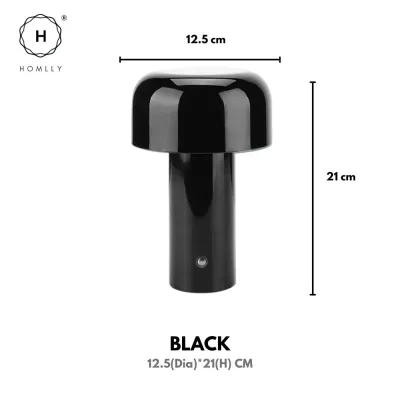
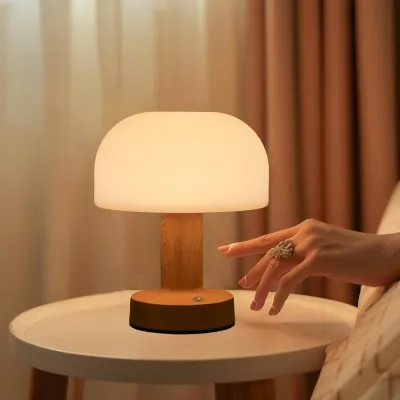
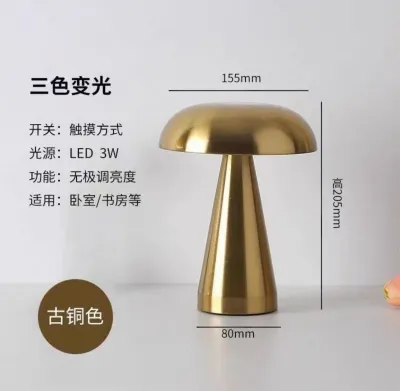
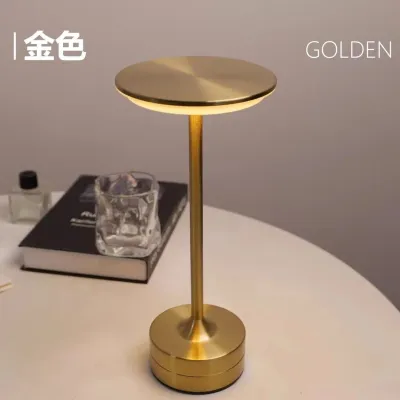
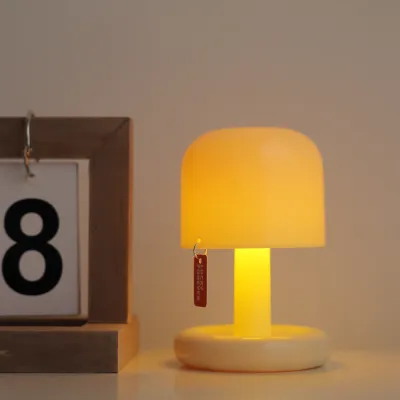
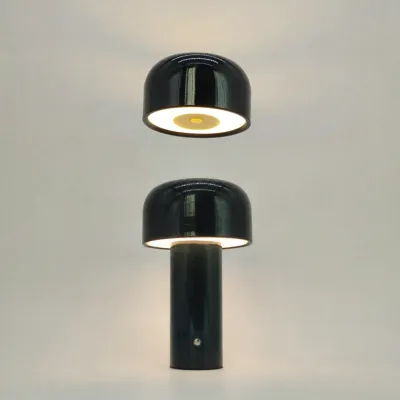
Prices are valid at publication and may change. Please refer to the product page for the latest price.
Inspect the joints where different materials meet. High-quality manufacturing is characterized by seamless connections, uniform paint or powder-coated finishes, and the complete absence of visible mold lines or rough edges on plastic and acrylic components. In Singapore’s humid environment, metal finishes are particularly vulnerable to oxidation. Look for metals that have been treated with protective lacquers, or choose anodized aluminum and stainless steel to prevent premature rust and pitting over years of exposure to ambient humidity.
Light Diffusion and Glare Control
The primary functional duty of the classic mushroom shape is to direct light downward while shielding your eyes from direct bulb glare. A well-designed shade features an inner curvature and opacity that diffuses light evenly across the surface below. If you plan to place the lamp on a low coffee table or a bedside table where you will look down on it from a seated or lying position, ensure the shade completely conceals the light source. Transparent or semi-translucent shades should be paired with frosted or opal bulbs to prevent harsh hot spots.
Additionally, evaluate the heat dissipation properties of the shade. Traditional incandescent or halogen bulbs generate significant heat, which can warp low-grade plastics or cause discoloration over time. If the lamp features an enclosed shade, verify the manufacturer’s maximum wattage limit and consider using low-emission LED bulbs. Adequate ventilation gaps between the shade and the bulb socket are clear indicators of thoughtful, safety-conscious engineering.
Comparing Mushroom Lamp Brand Categories Available in Singapore
The Singapore lighting market offers a wide spectrum of options, ranging from imported European masterpieces to mass-produced lifestyle accessories. Understanding how these brands are categorized helps you navigate the trade-offs between heritage, material longevity, and price. Whether you are sourcing a statement piece for a minimalist living room in a Tanjong Pagar condominium or a functional nightlight for an HDB flat in Punggol, matching your expectations to the right brand tier is key.
Premium Designer and Heritage Brands
At the pinnacle of the market are the historic design houses and premium heritage brands. These manufacturers produce licensed, authentic reissues of iconic mid-century modern designs, such as the famous creations from Italian and Scandinavian design pioneers. Brands like Artemide, Louis Poulsen, and Flos are renowned for their uncompromising build quality, utilizing premium materials like mouth-blown Murano glass, heavy spun steel, and precision-engineered brass components.
Investing in a premium heritage piece means you are paying for design pedigree, exceptional craftsmanship, and heirloom-level durability. These lamps often retain their value or even appreciate over time. However, they demand a substantial financial investment, with prices typically starting from S$500 and easily exceeding S$1,500. Additionally, because these high-end fixtures are often imported directly from Europe, you may face longer lead times of several weeks or months, and you must verify that the local distributor has configured the electrical components for Singapore’s grid.
Mass-Market and Lifestyle Home Brands
For homeowners seeking practical, everyday functionality without the designer price tag, mass-market and lifestyle home brands offer highly accessible alternatives. Retailers such as IKEA, MUJI, and various regional home decor brands provide modern, streamlined interpretations of the mushroom aesthetic. These brands typically utilize cost-effective yet durable materials, such as powder-coated aluminum, stamped steel, and high-grade polycarbonate or acrylic.
The primary advantages of this category are immediate availability, consistent manufacturing standards, and excellent value for money. Most mass-market lamps are designed for easy assembly and use standard, replaceable bulb sizes, making maintenance straightforward. While they may lack the hand-crafted uniqueness of premium models, their robust construction makes them ideal for high-traffic areas, children’s bedrooms, or busy study desks where expensive glass or marble fixtures would be at risk of damage. Prices in this tier generally range from S$30 to S$150.
Independent and Boutique Lighting Labels
Bridging the gap between mass production and high-end heritage are independent design studios and boutique lighting labels, often curated by local Singaporean design boutiques or specialized online platforms. These brands frequently experiment with unconventional material pairings, such as tinted resin, textured concrete, terrazzo, and matte ceramics. They offer a refreshing departure from mainstream designs, making them highly appealing if you want a distinctive, conversation-starting piece.
Because boutique labels often operate on smaller production runs, they can introduce unique colorways and artisanal finishes that larger manufacturers cannot replicate. However, this limited scale means you must exercise extra diligence before buying. Carefully review the brand’s warranty terms, check if they offer replacement shades or parts, and confirm their return policies. Prices for boutique lamps typically sit in the mid-range, spanning from S$150 to S$400, reflecting their semi-exclusive nature and specialized material choices.
Key Specifications to Verify Before Purchasing
Before finalizing your purchase of a mushroom light lamp, you must look past the external design and verify the technical specifications. Electrical safety and hardware compatibility are paramount, especially when sourcing fixtures from international sellers or online marketplaces. Ensuring your lamp meets local standards protects your home from electrical hazards and guarantees that your lighting operates reliably.
Voltage, Plug Type, and Local Safety Marks
Singapore operates on a 230V electrical system at a frequency of 50Hz, utilizing the three-pin Type G plug. When purchasing a lamp, especially from cross-border online platforms or overseas retailers, always confirm that the fixture is rated for 220V–240V. Avoid buying lamps built exclusively for 110V systems (such as those intended for the North American market) unless you are prepared to use a bulky, certified step-down transformer, which can be both unsightly and a potential safety risk.
For absolute peace of mind, look for the Enterprise Singapore Safety Mark on the product’s power adapter, plug, or main body. This mark indicates that the electrical appliance has been tested and certified safe for use in Singapore households. If you are importing a designer lamp directly, ensure it carries recognized international safety certifications, such as the CE mark for European standards or the UL listing for international safety compliance. Never bypass these safety checks for the sake of a cheaper price or a specific aesthetic.
Bulb Compatibility, Dimming, and Smart Features
The type of light source your mushroom lamp uses significantly impacts its long-term usability. Lamps generally fall into two categories: those with integrated LED modules and those with replaceable bulb sockets (such as E27, E14, or G9 bases). Integrated LEDs allow for incredibly slim, seamless designs because they do not require bulky sockets. However, if the integrated LED driver or module fails after the warranty period, the entire lamp may become unusable. Replaceable bulb sockets offer superior longevity, as you can simply swap out a dead bulb or change the color temperature whenever you wish.
If you plan to integrate your mushroom lamp into a smart home system or want adjustable ambiance, pay close attention to the dimming mechanism. Many modern mushroom lamps feature built-in touch-sensitive bases or rotary dimmers. These analog dimming circuits often conflict with smart bulbs (such as Philips Hue or Nanoleaf), leading to persistent flickering, audible buzzing, or premature failure of the bulb’s internal electronics. If you want to use a smart bulb, select a lamp with a simple, standard on/off cord switch, or verify that the built-in dimmer is explicitly rated as compatible with dimmable smart LEDs.
Decision Framework: Which Brand Category Fits Your Needs?
To help you decide which mushroom lamp category aligns with your home and lifestyle, consider your primary requirements. Are you looking for an investment piece that serves as a focal point in your living room, or do you need a practical, durable reading light for a workspace?
| Brand Category | Typical Price Range | Key Materials | Best Suited For | Key Trade-off |
|---|---|---|---|---|
| Premium Designer | S$500 – S$1,500+ | Blown glass, brass, marble, steel | Living room focal points, design collectors | High cost, longer shipping times |
| Mass-Market | S$30 – S$150 | Aluminum, acrylic, polycarbonate | Kids' rooms, study desks, high-traffic areas | Common designs, synthetic materials |
| Boutique Labels | S$150 – S$400 | Concrete, ceramic, tinted resin | Creative workspaces, unique decor accents | Limited stock, custom replacement parts |
If you prioritize design history and want an heirloom-quality statement piece, a premium designer brand is the clear choice. These lamps elevate the visual weight of a room and are crafted from materials that age beautifully over decades.
If durability, ease of maintenance, and budget are your main concerns, focus on mass-market lifestyle brands. Their robust, lightweight materials are highly practical for busy households with children or pets, where expensive glass fixtures pose a safety risk.
If you want to express your personal style through unique textures and uncommon color palettes, look to independent boutique labels. These mid-priced options allow you to support smaller studios while acquiring a distinctive piece of functional art.
Finally, before making your purchase, always measure your intended table, desk, or shelf space. A mushroom lamp’s wide dome can take up significant visual and physical space. Ensure the dome’s diameter is proportional to the surface it rests on, leaving plenty of room for other daily essentials without overcrowding your living area.
Frequently Asked Questions (FAQ)
How do I clean a glass or acrylic mushroom lamp shade without scratching it?
To clean a glass or acrylic mushroom lamp shade safely, always turn off the power and let the bulb cool completely. Wipe the surface gently using a clean, dry microfiber cloth to remove loose dust. For deeper cleaning, dampen the microfiber cloth with water or a mild, non-abrasive glass cleaner. Avoid using paper towels, rough sponges, or harsh chemical solvents like acetone or alcohol, as these can permanently scratch acrylic, cloud the surface, or strip away protective anti-glare coatings. If instructions conflict with this advice, always defer to the manufacturer’s specific care guidelines.
Can I use a smart bulb in a mushroom lamp with a built-in touch dimmer?
Generally, you should not use a standard smart bulb in a mushroom lamp that features a built-in touch or rotary dimmer. The dimming circuitry reduces or fluctuates the voltage sent to the bulb, which starves the smart bulb’s internal wireless transmitter and microcontrollers of power. This mismatch typically causes the bulb to flicker, buzz, or disconnect from your smart home hub. To use a smart bulb safely, choose a mushroom lamp with a simple on/off cord switch, or consult the manufacturer to verify if the fixture supports smart integration.
Community discussion
Share your experience or ask a question. Comments are reviewed before publication.