
Transforming your home for the Mid-Autumn Festival in Singapore no longer requires relying solely on traditional paper lanterns. Modern neon signs and dynamic projection lights offer a contemporary way to illuminate your living space, casting a warm, festive glow that honors age-old traditions while fitting seamlessly into modern interior design. Whether you are hosting an intimate family mooncake appreciation gathering in a cozy HDB flat or organizing a larger outdoor celebration on a condominium patio, choosing the right specialty lighting requires balancing visual impact, space constraints, and local safety standards.
Matching Light Types to Your Celebration Space
Selecting between neon signs and projection lights depends heavily on the architectural layout of your venue and the specific atmosphere you want to create. Neon lights function as focused, high-contrast aesthetic accents. They excel at defining specific zones within a home, such as a dining area backdrop or a dedicated photo wall. Because neon signs emit a steady, direct glow, they draw the eye to a singular point of interest, making them ideal for highlighting festive greetings or iconic silhouettes like the jade rabbit.
Projection lights, by contrast, offer broad spatial coverage and dynamic movement. Instead of highlighting a single spot, a projector can wash an entire living room wall, ceiling, or outdoor building facade with moving patterns of full moons and drifting clouds. This makes projection lighting highly effective for creating an immersive, ambient environment that changes the feel of the entire room. However, projection lights require a clear line of sight and a relatively dark environment to remain visible, meaning they perform best in rooms where you can easily control the ambient light levels.
Products mentioned in this guide
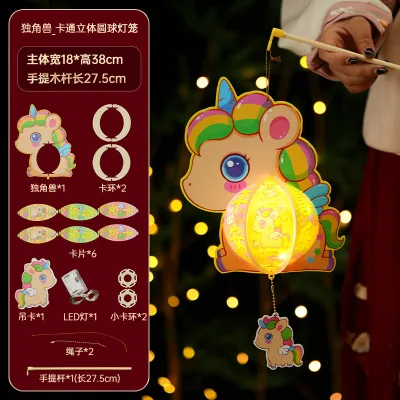
![[SG Seller] Paper Lantern for Mid Autumn festival decoration 中秋节纸灯笼](https://img.lazcdn.com/g/p/623f9f52cdfb802316e7912a3c121988.jpg_400x400q80.jpg_.webp)
Prices are valid at publication and may change. Please refer to the product page for the latest price.
Residential layouts in Singapore present unique spatial considerations for both lighting types. In typical HDB apartments, wall space is often at a premium, making compact, wall-mounted neon signs or window-facing neon displays highly practical. If you choose a projection light for an indoor space, you must evaluate the throw distance—the physical space between the projector lens and the wall. Tight living rooms may require short-throw projectors to prevent the image from becoming blurry or obstructed by furniture and household traffic.
Power source accessibility and mounting surfaces also dictate your choice. Neon signs are typically lightweight and can be hung on smooth indoor walls using non-damaging adhesive hooks, provided there is a nearby electrical outlet or USB power port. Projection units, especially those designed for outdoor use on balconies or private gardens, require stable ground placement or tripod mounts. You must ensure that power cables can safely reach outdoor-rated sockets without crossing high-traffic walkways where they could present a tripping hazard.
Essential Specifications to Verify Before Purchasing
Before purchasing any seasonal lighting from online marketplaces or specialty retailers, verifying technical compatibility with Singapore’s electrical standards is critical for safety and performance. Singapore operates on a nominal supply voltage of 230V AC at a frequency of 50Hz. Any light fixture that plugs directly into a wall outlet must be compatible with this voltage and should ideally feature a standard Type G three-pin plug. For low-voltage USB-powered neon lights, ensure the power adapter you use is rated for the correct amperage and carries the local Safety Mark certification to prevent overheating.

The installation environment dictates the required Ingress Protection (IP) rating of your lighting equipment. If you plan to install neon signs or projection lights on an open balcony, patio, or garden path, they will be exposed to Singapore’s high humidity and sudden tropical downpours. Indoor-rated lights typically have an IP20 rating, which offers no protection against water and should never be used outdoors. For semi-outdoor areas like covered balconies, look for a minimum rating of IP44, while fully exposed garden installations require IP65 or higher to ensure the housing is completely dust-tight and protected against water jets.
Evaluating the optical specifications of your lights ensures they provide comfortable illumination without causing eye strain. For projection lights, check the lumen output; higher lumens are necessary if the projector must compete with ambient streetlights or indoor fixtures. Color temperature is another vital factor for festive ambiance. Warm white tones (around 2700K to 3000K) evoke the cozy, traditional feel of candlelit paper lanterns, whereas cool white or vibrant RGB colors offer a more modern, energetic party vibe. Opting for fixtures with adjustable brightness or dimming capabilities allows you to fine-tune the intensity to match the mood of your gathering.
Selecting Festive Themes and Projection Patterns
To capture the true spirit of the Mid-Autumn Festival, look for lighting designs that incorporate traditional cultural motifs. For neon signs, classic silhouettes such as the jade rabbit, a glowing full moon, or stylized Chinese characters representing reunion and harmony are popular choices that instantly signal the festive occasion. These iconic shapes serve as excellent conversation starters and provide a beautiful, nostalgic backdrop for family photos during mooncake and tea pairings.
When selecting projection lights, look for units that feature interchangeable pattern slides, often referred to as gobos. High-quality holiday projectors frequently include slides depicting floating lanterns, Chang’e (the Moon Goddess), blooming osmanthus flowers, and rotating lunar phases. To ensure these patterns look crisp and recognizable on your walls, verify that the projection unit features an adjustable focus ring. This allows you to manually sharpen the image based on the exact distance between the projector and the target surface, preventing the festive motifs from appearing as distorted, blurry shapes.
Customizability is another excellent feature to consider, particularly if you are hosting a larger community event or a multi-generational family reunion. Some advanced projection systems allow you to upload custom graphics or text, enabling you to project personalized festive greetings or family names onto your walls. For neon displays, modular neon LED strips can be shaped into custom words or patterns, giving you the creative freedom to design a completely unique decorative setup that reflects your family’s personal style.
Safe Installation and Maintenance Practices
Proper installation is key to enjoying your Mid-Autumn decorations without risking damage to your home or creating safety hazards. When mounting neon signs on painted drywall or concrete walls common in Singapore homes, use high-quality, damage-free adhesive strips designed for the specific weight of the fixture. Avoid drilling into walls unless absolutely necessary, and always check for hidden utility pipes or electrical conduits behind the mounting surface. For projection lights, position the unit on a flat, stable surface or a secure tripod, keeping all power cords neatly routed along baseboards and secured with cable covers to prevent guests from tripping.
While plug-and-play decorative lights are straightforward to set up, certain complex installations require professional assistance. If your festive lighting plan involves integrating new fixtures into your home’s fixed electrical wiring, mounting heavy suspended loads from high ceilings, or running high-voltage lines through outdoor garden areas, you must stop and consult a licensed electrical worker. Attempting to modify fixed wiring or overloading existing circuits can lead to short circuits, electrical fires, or severe shocks, violating local safety regulations and putting your household at risk.
Once the Mid-Autumn celebrations draw to a close, taking the time to properly dismantle and store your lights will extend their lifespan for future festivals. Begin by isolating the power supply and allowing all light fixtures to cool down completely before handling them. Gently wipe down neon acrylic backings and projector lenses with a dry, microfiber cloth to remove dust and fingerprints; never use harsh chemical solvents or wet cloths on electrical components. Carefully coil all cables without bending them at sharp angles, which can damage the internal copper wiring. Store the equipment in airtight plastic containers alongside silica gel desiccant packs to protect the sensitive electronics from Singapore’s persistent indoor humidity.
Frequently Asked Questions (FAQ)
Can I use indoor neon lights for an outdoor balcony display?
No, you should never use indoor-rated neon lights on an outdoor balcony or patio. Indoor neon signs typically carry an IP20 rating, meaning they lack any protection against moisture, humidity, or splashing water. Singapore’s tropical climate is characterized by high relative humidity and sudden rainstorms, which can easily drive moisture into the unsealed housing of an indoor light. This exposure can cause immediate electrical short circuits, ruin the LED components, and present a serious risk of electric shock or fire. Always verify that any light used outdoors is explicitly rated IP44 or higher by the manufacturer.
How far should I place a projection light for clear patterns?
The ideal placement distance depends entirely on the projector’s specified throw ratio, which defines the relationship between the distance from the wall and the size of the projected image. Generally, placing a decorative holiday projector between two to five meters from the target wall yields a clear, vibrant image without excessive fading. Before permanently mounting or positioning your projector, temporarily place it on a flat surface and project onto your target wall. Adjust the distance and use the manual focus ring to find the sweet spot where the festive patterns are sharp, bright, and free of distortion.
Community discussion
Share your experience or ask a question. Comments are reviewed before publication.