
Selecting the ideal night light alarm clock requires balancing two seemingly contradictory needs: the desire for a dark, restful sleeping environment and the necessity of clear, readable timekeeping. While a standard alarm clock simply alerts you when it is time to wake up, a model equipped with an integrated night light serves as a multifunctional bedside companion. It provides subtle illumination for late-night navigation without fully waking your brain, while ensuring you remain punctual. Finding the right balance depends heavily on understanding how light interacts with your sleep cycle, the physical layout of your bedroom, and the specific needs of the person using the device.
In Singaporean homes, where bedroom layouts range from compact master bedrooms in newer HDB flats to spacious condominium suites, spatial dynamics and ambient light reflection play a significant role in device placement. Furthermore, local electrical standards and climate factors like high humidity influence the longevity and safety of bedside electronics. By evaluating these factors systematically, you can select a device that enhances your sleep hygiene, fits seamlessly into your interior decor, and operates safely for years to come.
How to Choose the Right Night Light Alarm Clock for Your Needs
Assess Light Sensitivity
Human biology is highly sensitive to light exposure, particularly during the evening and overnight hours. The photoreceptors in our eyes are highly sensitive to blue and cool white wavelengths, which mimic natural daylight. Exposure to these cool light spectrums suppresses the production of melatonin, the hormone responsible for regulating sleep-wake cycles, signaling to the brain that it is time to remain alert. Consequently, a bedside clock emitting a bright blue or cool white glow can lead to sleep fragmentation and difficulty falling asleep.
Products mentioned in this guide
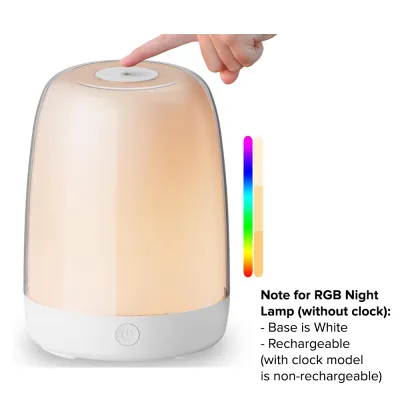
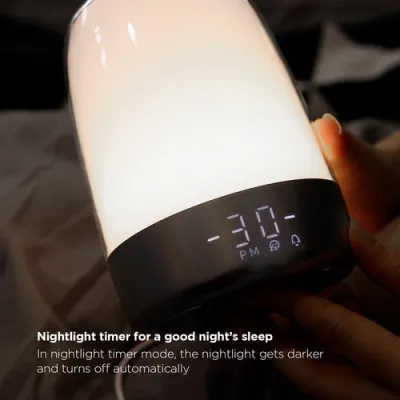
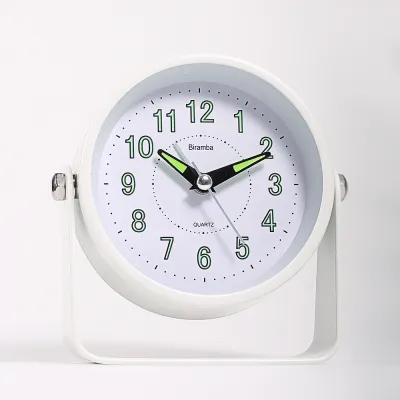
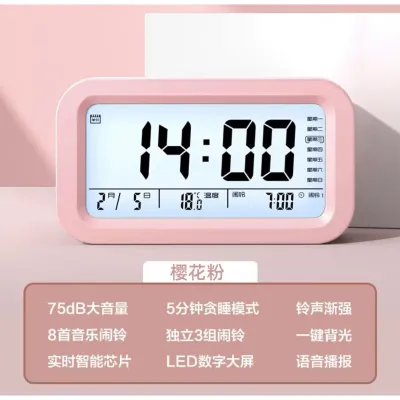
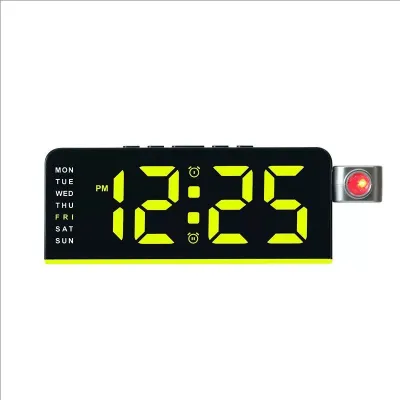
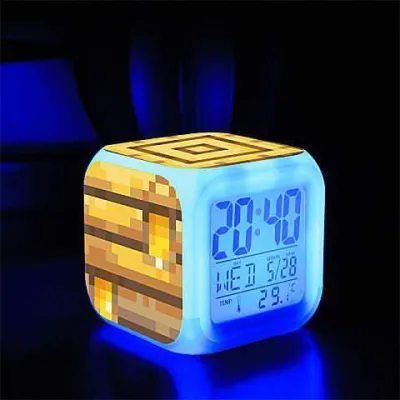
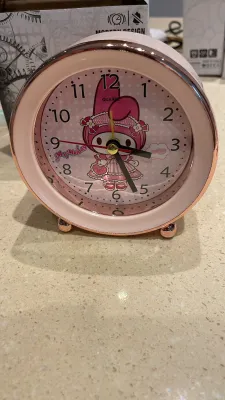
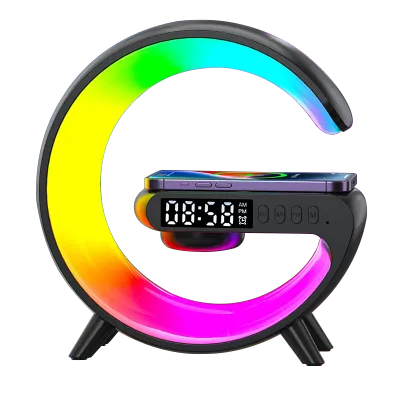
Prices are valid at publication and may change. Please refer to the product page for the latest price.
To preserve sleep hygiene, prioritize devices that utilize warm light spectrums, specifically warm amber, orange, or red tones. These longer wavelengths have a negligible impact on melatonin suppression, allowing your body to transition naturally into deep sleep. Additionally, look for clocks that offer adjustable brightness levels. Ideally, a clock should feature stepless dimming, which allows you to adjust the light output down to a fraction of a lumen, ensuring the display is just visible enough to read without casting a disruptive glare across your bed.
Evaluate Room Size and Layout
Your bedroom’s physical dimensions and surface finishes dictate how light from a bedside clock behaves. In a compact bedroom, even a low-intensity night light can bounce off light-colored walls, polished wardrobe doors, or mirrors, amplifying the overall brightness of the room. This ambient reflection can easily disturb a light-sensitive sleeper. For smaller rooms, a clock with a highly directional beam angle or a recessed light source is preferable, as it confines the illumination to a localized area rather than flooding the entire space.
Conversely, in larger bedrooms, a tiny display with weak backlighting may force you to squint or sit up to read the time. In these layouts, a larger display with a wider viewing angle is necessary. However, to prevent this larger screen from becoming a source of nighttime glare, the clock must feature high-quality dimming capabilities or a smart auto-dimming function. Consider where the clock will sit relative to your bed; if it must be placed directly in your line of sight, a model with a complete display-blackout option is highly beneficial.
Identify the Primary User
Different age groups have distinct physical and cognitive requirements when it comes to bedside devices. For adults, the focus is typically on minimalist aesthetics, seamless integration with daily routines, and advanced sleep-tracking or smart-home capabilities. Adults generally prefer clean, unobtrusive designs that blend into modern bedroom decor, featuring subtle touch controls and highly customizable light schedules that align with their work hours.
Children require an entirely different set of features centered around safety, durability, and sleep training. A child’s night light alarm clock should be constructed from soft, impact-resistant materials that can survive accidental drops from a bedside table. It should also incorporate engaging features like gentle projection or color-changing indicators that visually teach toddlers when it is time to sleep and when it is acceptable to wake up. These visual cues are invaluable for establishing healthy sleep routines before children learn to read a traditional digital clock.
For elderly users, the primary considerations are high contrast, legibility, and physical accessibility. Aging eyes require larger, bolder digits and high-contrast screens that remain clear under low-light conditions without requiring harsh backlighting. The physical interface must be intuitive, featuring large, tactile buttons that can be easily identified by touch alone, avoiding complex multi-level digital menus. Additionally, adjustable alarm frequencies and volume levels are crucial to accommodate varying levels of hearing sensitivity.
Best Night Light Alarm Clock Types for Different Bedroom Setups
For Light-Sensitive Adults: Warm-Tone Dimmable LED Clocks
For adults who find the slightest sliver of light disruptive to their sleep, a warm-tone dimmable LED clock is the gold standard. These devices are engineered specifically to minimize visual stimulation during the night. They focus on warm amber or deep red light modes, which provide just enough illumination to navigate a dark bedroom or check the time without triggering the alertness response associated with blue-spectrum light.

When shopping for this type of clock, look for the following key features:
- Stepless Dimming: Unlike clocks with basic low, medium, and high settings, stepless dimming allows you to fine-tune the brightness continuously from 100% down to 1% or less, ensuring you find the exact threshold of comfort.
- Ambient Light Sensors: These sensors automatically detect the light levels in your bedroom. When you switch off your main bedroom lights, the clock immediately dims its display to a pre-set, sleep-friendly level, eliminating the need for manual adjustments every night.
- Display-Off or Blackout Mode: This feature allows the clock's screen and night light to turn off completely during the night. The internal alarm remains active, and a simple tap on the top of the device or a gentle wave of your hand temporarily illuminates the screen for a few seconds before returning to complete darkness.
For Children: Soothing Projection and Color-Changing Clocks
Children’s bedrooms benefit greatly from interactive, soothing light sources that make the bedtime transition less intimidating. Projection clocks project the time, stars, or calming patterns onto the ceiling or wall. This design keeps the light source away from direct eye level, casting a soft, diffused image that requires minimal focal adjustment for a child lying in bed, reducing eye strain and helping them drift off to sleep.
Safety and routine-building are paramount when selecting a clock for a child’s room:
- Child-Safe Materials: Ensure the clock is constructed from low-heat, durable materials such as food-grade silicone or high-impact ABS plastic. The LED components must remain cool to the touch even after running continuously for twelve hours, preventing any burn risks if a child hugs or plays with the device.
- Okay-to-Wake Color Programming: These clocks use intuitive color transitions to help children understand sleep schedules. For example, the clock glows a soft, warm red during sleep hours, transitions to a gentle yellow shortly before wake time, and turns green when it is time to get out of bed. This visual system helps prevent early-morning wake-up calls for parents.
- Programmable Sleep Timers: Look for models that allow you to set a countdown timer for the night light or projection feature. This allows the soothing lights to remain active while your child falls asleep, automatically shutting off after 30, 60, or 90 minutes to ensure a dark, deep-sleep environment for the rest of the night.
For the Elderly: High-Contrast and Large-Display Clocks
For elderly family members, a night light alarm clock must prioritize clarity, simplicity, and physical accessibility. As eyes age, the ability to distinguish subtle contrasts decreases, making standard digital displays difficult to read from a distance. A high-contrast display featuring large, bold, non-serif digits is essential for quick, stress-free time checks at night.
To ensure maximum usability and safety, focus on these design elements:
- High-Contrast Displays: Opt for screens that feature bright yellow, orange, or white digits set against a deep black background. This high contrast ratio ensures legibility from several meters away, even for users with mild visual impairments, without requiring the entire room to be illuminated.
- Tactile and Labeled Controls: Avoid sleek, flat touch panels, which can be incredibly frustrating for elderly users to operate in the dark. Instead, choose clocks with prominent, raised physical buttons that offer distinct tactile feedback when pressed. Clear, high-contrast labels or color-coded buttons help prevent confusion during setup.
- Adjustable Audio Profiles: The alarm sound must be highly customizable. Look for devices that allow you to adjust both the volume (ranging from a gentle whisper to a robust 90 decibels) and the tone frequency. Lower-frequency alarm tones are often much easier for those with age-related high-frequency hearing loss to perceive, preventing startle responses in the morning.
Technical and Safety Checks for Singapore Bedrooms
Electrical Compatibility
When purchasing bedside electronics in Singapore, verifying electrical compatibility is a critical safety step. Singapore operates on a standard mains voltage of 230V AC at a frequency of 50Hz. Many night light alarm clocks sold online are parallel imports designed for other regions, such as North America (which uses 110V) or Japan (which uses 100V). Connecting a low-voltage device directly to a Singaporean outlet without a step-down transformer can destroy the clock’s internal circuitry and pose a severe electrical fire hazard.
Always ensure the device’s power adapter is rated for 220V–240V input. Additionally, the power adapter should feature the standard Type G three-pin plug, which is the official standard in Singapore. Avoid relying on cheap, uncertified travel adapters for permanent bedside installations. These adapters often lack internal fuses, have loose physical connections, and are prone to overheating when left plugged in 24/7. For peace of mind, look for power adapters that carry the Enterprise Singapore SAFETY Mark, which certifies that the product has been rigorously tested and approved for safe use in local households.
Battery Backup and Memory
While Singapore’s electrical grid is exceptionally stable, localized power interruptions can still occur. A brief electrical trip caused by a faulty household appliance, or a scheduled maintenance outage in your HDB block, can cut power to your bedside clock. Without a backup power system, a standard digital clock will reset to 12:00, erasing your carefully configured alarm settings and potentially causing you to oversleep.
To prevent this, choose a night light alarm clock equipped with a reliable battery backup system or built-in non-volatile memory. Most modern clocks utilize a small CR2032 lithium button cell battery to power the internal clock chip during power outages. While this backup battery typically does not power the night light or the main LED display, it ensures that the timekeeping and alarm schedules remain perfectly intact. Once mains power is restored, the clock display illuminates with the correct time, and your morning alarm will sound exactly as scheduled.
Heat Dissipation and Material Safety
Because a night light alarm clock remains plugged in and active throughout the night, proper heat management is essential. Low-quality LED drivers and poorly ventilated plastic casings can trap heat inside the device. Over time, this localized heat buildup can degrade the internal components, shorten the lifespan of the LEDs, and, in extreme cases, warp the plastic housing or create a fire hazard.
When evaluating a device, check for the following material safety specifications:
- Flame-Retardant Plastics: High-quality clocks are constructed from flame-retardant ABS or polycarbonate materials, which are designed to self-extinguish in the event of an internal electrical fault.
- Passive Ventilation: Look for subtle ventilation slots or heat sinks on the back or bottom of the clock casing, which allow warm air to escape naturally.
- Certified Power Supplies: Ensure the external power brick or USB wall charger is certified by recognized international bodies (such as CE, FCC, or UL) in addition to carrying the local SAFETY Mark. A high-quality power adapter regulates voltage efficiently, preventing excess heat from reaching the clock itself.
Setup and Maintenance Tips for Optimal Sleep Hygiene
Optimal Placement
To maximize the benefits of your night light alarm clock, careful placement within your bedroom is essential. Avoid placing the clock directly next to your pillow or at direct eye level. If the light source is too close, even the dimmest setting can penetrate your eyelids, disrupting your REM sleep cycles. Additionally, having the time display constantly staring at you can induce “clock-watching anxiety” if you struggle to fall asleep, making it harder to relax.
Instead, position the clock at least 1 to 1.5 meters away from your bed, ideally on a bedside table that sits slightly lower than your mattress height. If your room layout permits, place the clock at an angle to your bed. This positioning ensures that the night light provides a soft, indirect glow that illuminates the floor space for safe navigation, while keeping the direct light out of your immediate field of vision. The alarm volume will still be perfectly audible, but the visual disruption will be minimized.
Brightness Scheduling
If your chosen clock features programmable smart functions or manual timers, utilize them to create a structured lighting schedule that aligns with your natural circadian rhythm. Ideally, your bedroom lighting should transition from bright and cool during the day to warm and dim in the evening, culminating in complete darkness during your core sleeping hours.
Configure your clock’s night light to turn off automatically 30 to 60 minutes after your typical bedtime, ensuring your room is completely dark during your deepest sleep phases. If you require a continuous guide light throughout the night, set the brightness to its lowest possible level (under 5% brightness) and select a deep red or amber hue. You can then program the light to gently brighten and shift to a warmer yellow or soft white tone 15 to 30 minutes before your audio alarm sounds, mimicking a natural sunrise and helping you wake up more refreshed.
Cleaning and Care
Like any bedside electronic device, a night light alarm clock will accumulate dust, skin cells, and airborne oils over time. In Singapore’s warm, humid climate, this dust buildup can combine with moisture, potentially clogging ventilation slots or forming a conductive layer over sensitive touch controls and charging ports, leading to erratic behavior.
To clean and maintain your device safely, follow these guidelines:
- Disconnect the Power: Always unplug the clock from the wall outlet and remove any backup batteries before cleaning to prevent electrical shorts.
- Use a Dry Microfiber Cloth: Gently wipe down the outer casing, display panel, and light diffuser using a clean, dry, anti-static microfiber cloth. This will remove dust and fingerprints without scratching delicate acrylic screens.
- Avoid Liquid Cleaners: Never spray water, glass cleaners, alcohol, or chemical solvents directly onto the clock. Moisture can easily seep through speaker grilles, button seams, or USB ports, causing permanent corrosion to the internal circuit board. If a spot is particularly stubborn, use a slightly damp cloth, ensuring no moisture pools near any openings, and allow the device to dry completely before plugging it back in.
Frequently Asked Questions (FAQ)
Does the color of the night light affect sleep quality?
Yes, the color wavelength of your night light has a direct biological impact on your sleep quality. Blue and cool white light wavelengths stimulate photoreceptors in the eye that suppress melatonin production, signaling your brain to stay awake and alert. In contrast, warm colors with longer wavelengths, such as deep red and amber, do not trigger these photoreceptors. Utilizing a red or amber night light allows you to navigate your bedroom safely in the dark while keeping your body in a relaxed, sleep-ready state.
Can I use a night light alarm clock as a primary reading light?
Generally, no. Night light alarm clocks are engineered to provide low-level, diffused ambient illumination designed for safety and orientation in the dark, typically emitting between 5 to 50 lumens. Reading, however, is a high-focus task that requires directed, high-intensity light—usually between 150 to 300 lumens—to prevent eye strain and fatigue. Attempting to read a book using only the glow of a bedside night light can cause significant eye strain and headaches due to insufficient illumination.
Community discussion
Share your experience or ask a question. Comments are reviewed before publication.