
When a power outage hits a high-density Housing & Development Board (HDB) estate in Singapore, the transition from bright, modern living to sudden, absolute darkness can be highly disorienting. Windowless household shelters, internal bathrooms, and long, enclosed common corridors instantly become navigation hazards. Relying on a smartphone flashlight is a poor temporary fix; it drains a critical communication device’s battery and offers a harsh, directional beam that is difficult to position hands-free. To secure your home, investing in dedicated emergency lighting from Nitecore is a practical, space-efficient solution.
Nitecore is widely recognized for producing compact, highly durable, and versatile illumination tools that fit the unique spatial constraints of Singaporean apartments. By selecting models with magnetic bases, diffused ambient lenses, and wearable headbands, HDB residents can easily manage localized electrical trips or wider estate blackouts. The ideal setup combines a diffused lantern for general living spaces, a magnetic task light for the utility yard and Distribution Board (DB) box, and a lightweight headlamp for navigating dark stairwells. This strategic approach ensures your household remains safe, calm, and functional until power is restored.
Why Nitecore is a Smart Choice for HDB Emergency Lighting
Singapore’s urban landscape consists primarily of high-rise HDB flats where space optimization is a daily priority. Traditional, bulky emergency lights—often utilizing heavy lead-acid batteries—take up significant storage space in cabinets and require constant connection to wall outlets to maintain their charge. Over time, these older systems degrade, leaving homeowners with unreliable gear when a blackout actually occurs. Nitecore addresses these issues by utilizing advanced lithium-ion battery technology, allowing their devices to deliver high output and long runtimes while remaining small enough to fit into a shallow bedside drawer or a small emergency grab-go bag.
Products mentioned in this guide
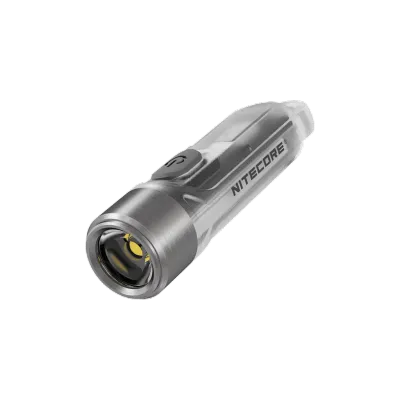
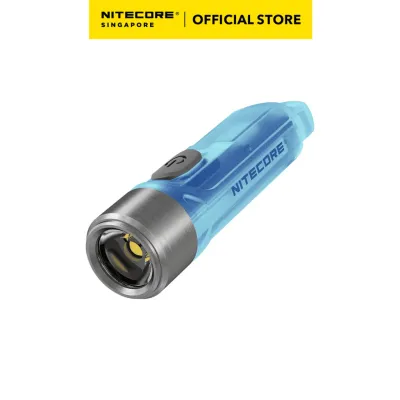
![[SG SELLER] Nitecore TIKI Torch light USB Rechargeable LED Key Chain Flashlight (Blue / Red Warning Signal)](https://img.lazcdn.com/g/p/f7969066e01d3562fb442bb7469bbace.jpg_400x400q80.jpg_.webp)
Prices are valid at publication and may change. Please refer to the product page for the latest price.
The architectural layout of modern HDB flats also presents specific lighting challenges during a power disruption. Many units feature deep layouts where natural light from the living room windows cannot reach the rear kitchen, utility yard, or internal bathrooms. Lower-floor units facing mature trees or adjacent blocks experience even greater darkness during daytime outages. Nitecore’s product lineup is uniquely suited for these environments because their lights are engineered with high-efficiency LEDs, precision optics, and robust impact resistance. They are built to withstand accidental drops on hard terrazzo or vinyl flooring, ensuring they remain operational when you need them most.
Furthermore, relying on mobile phones for emergency lighting is highly inefficient. A smartphone flashlight consumes a substantial amount of power, rapidly depleting a battery that you may need to monitor local news, coordinate with family members, or contact the town council or SP Group to report electrical faults. Dedicated Nitecore lights provide superior, sustained illumination for hours—or even days—on a single charge. This preserves your phone’s battery for essential communication while providing a much safer, wider, and more stable light source to illuminate entire rooms.
Key Features to Look for in HDB-Friendly Emergency Lights
Space-Saving & Mounting Options
In a compact HDB flat, every square centimeter of storage matters. Emergency lights that can only stand on flat surfaces limit your hands-free options during a crisis. Look for models featuring integrated magnetic bases, built-in folding hooks, or heavy-duty clips. These design elements allow you to snap the light onto the metal frame of your household shelter door, stick it to the side of your refrigerator, or hang it from a kitchen cabinet handle. By utilizing vertical surfaces, you keep your limited tabletop and countertop space clear for food preparation, first-aid administration, or family activities.

Multi-Functionality
A single-purpose flashlight is rarely sufficient for a prolonged blackout. Effective emergency lights should offer adjustable brightness levels and multiple color temperatures. Warm white light (around 2700K to 3000K) is highly beneficial for bedrooms and living rooms as it reduces eye strain, minimizes glare, and creates a calming atmosphere for children or elderly family members. Cool white light (around 5000K to 6500K) is essential for task-oriented areas like the kitchen or the DB box, where high contrast and clear visibility are required. Additionally, ultra-low “moonlight” modes are crucial; they consume minimal power, allowing the light to run continuously for hundreds of hours while providing just enough illumination for nighttime navigation.
Charging Convenience
In Singapore, USB-C has become the universal standard for charging personal electronics. Selecting emergency lights that feature built-in USB-C ports simplifies your preparation. During an extended outage, you can easily recharge your lights using standard power banks, laptop ports, or even portable solar panels. This eliminates the need to store proprietary charging cables or hunt for rare replacement batteries in the dark. Models that support pass-through charging—allowing the light to operate while plugged into a power bank—provide an extra layer of utility during prolonged disruptions.
Safe Indoor Battery Chemistry
Modern Nitecore lights utilize high-quality lithium-ion or built-in Li-polymer batteries equipped with sophisticated electronic protection circuits. These safety systems prevent overcharging, over-discharging, and short-circuiting, which are critical safety considerations for indoor storage. Given Singapore’s warm, humid tropical climate, choosing reputable brands that use premium battery cells ensures long-term stability and minimizes the risk of battery swelling or thermal runaway when stored inside household cabinets.
Recommended Nitecore Emergency Light Categories for HDB Flats
Compact Lanterns for Living Rooms and Bedrooms
For general ambient illumination during a blackout, a diffused lantern is far superior to a standard flashlight. Flashlights project a narrow, intense beam that creates harsh shadows and can easily blind anyone looking in its direction. A compact lantern, however, distributes light evenly across a 360-degree radius, making a single unit capable of illuminating an entire 3-room or 4-room HDB living area when placed centrally on a dining table or coffee table.
The Nitecore LR40 is an excellent choice for HDB living rooms and bedrooms. It combines a classic aesthetic with modern functionality, featuring both a warm filament-style LED for soft ambient lighting and a cool white LED tube for brighter, more directed tasks. With its compact footprint, it sits unobtrusively on a TV console or bedside table, ready to be picked up at a moment’s notice. It features a built-in 4,000mAh lithium-ion battery, charges via USB-C, and can even output power to charge other small devices. The warm light mode is particularly useful for calming anxious household members, mimicking the gentle glow of a candle without any of the associated fire hazards.
Another highly capable option is the Nitecore LR60. This model functions as a high-output camping lantern and a portable power bank. It can run on one or two rechargeable 21700 or 18650 batteries, providing incredible flexibility. The LR60 features multiple directional settings, allowing you to illuminate only the downward, forward, or top sections of the lantern. This is incredibly useful in a small HDB bedroom, as you can set the lantern to project light only downwards onto a bedside table, preventing glare from shining directly into your eyes while sleeping. The main limitation of these compact lanterns is their lack of long-distance beam throw; they are designed to flood a localized room with light rather than project a beam down a long exterior corridor.
Magnetic Task Lights for Kitchens and Utility Areas
When an electrical fault occurs, the culprit is almost always located within your flat’s Distribution Board (DB) box. Navigating a dark kitchen or utility yard to locate the DB box, open the plastic cover, and inspect the circuit breakers requires a focused, hands-free light source. A magnetic task light can be snapped directly onto the metal casing of the DB box or adjacent metal shelving, allowing you to use both hands to safely reset a tripped Miniature Circuit Breaker (MCB) or Earth Leakage Circuit Breaker (ELCB).
The Nitecore MT21C is a highly versatile tool for these scenarios. It features an innovative 90-degree adjustable head that can transition from a straight flashlight to a right-angle work light. Equipped with a powerful magnetic tail cap and a built-in metal loop hook, the MT21C can be attached to the metal underside of a kitchen exhaust hood, stuck to a refrigerator door, or hung from a utility rack. This flexibility allows you to direct its 1,000-lumen beam precisely where you need it, whether you are checking electrical connections or safely finishing dinner preparations on the stove. It runs on a single 18650 battery, offering a great balance of run time and compact size.
For an even more compact solution, the Nitecore Thumb offers a lightweight, pocket-sized alternative. It features a double-LED design with a 120-degree tiltable head and an integrated clip that can be customized with magnetic tape or clipped directly onto a shirt pocket or cap brim. The Thumb also includes an auxiliary red light mode, which is excellent for low-profile navigation. While these magnetic task lights are indispensable for targeted work, their narrower beam angles mean they are less suited for lighting up a whole living room compared to a dedicated 360-degree lantern.
Wearable Headlamps for Corridors and Stairwells
If a power failure extends beyond your individual flat to affect the entire HDB block, you may need to navigate common areas, stairwells, or lift lobbies. During a block-wide blackout, elevators will automatically home to the ground floor and shut down, forcing residents to use the emergency stairwells. Walking down multiple flights of dark stairs while carrying groceries, holding a child’s hand, or assisting an elderly neighbor requires complete freedom of movement. A wearable headlamp is the safest and most practical tool for these situations.
The Nitecore NU25 UL (Ultra-Lightweight) is highly recommended for HDB emergency kits. Weighing a mere 45 grams including the headband, this headlamp is so light you will barely notice wearing it. It features a dual-beam setup with both spotlight and floodlight capabilities, allowing you to adjust the beam pattern depending on whether you are looking far down a dark corridor or focusing on the steps immediately in front of your feet. The NU25 UL is USB-C rechargeable and features a comfortable, breathable elastic headband. Its simple dual-switch interface makes it easy to operate even in high-stress situations.
For those who prefer a more robust option, the Nitecore NU33 provides a higher maximum output of 700 lumens and a larger built-in battery. Both the NU25 UL and NU33 feature dedicated red-light modes. In the narrow, reflective corridors of an HDB block, a bright white headlamp can easily blind oncoming neighbors or reflect harshly off painted walls. Switching to a low-intensity red light preserves your natural night vision, prevents glare, and ensures you do not dazzle others while navigating shared spaces. The primary trade-off of a headlamp is the physical requirement of wearing a strap on your head, which some users may find less comfortable for long-term static use inside the home compared to setting down a lantern.
How to Store and Maintain Emergency Lights in Small HDB Spaces
Strategic Placement
In a sudden blackout, you cannot afford to rummage through deep, cluttered storage cabinets. Emergency lights must be stored in highly accessible, logical locations. A dedicated drawer near your main entrance, a shelf inside your household shelter (if easily accessible), or a wall-mounted organizer next to your DB box are ideal spots. Ensure every family member knows exactly where the emergency lights are kept. Consider placing a small, glow-in-the-dark sticker on the storage drawer handle so you can locate it instantly in total darkness.
Battery Maintenance
To ensure your lithium-ion-powered Nitecore lights are ready when a crisis strikes, proper battery maintenance is essential. If you store your lights unused for long periods, do not keep them fully discharged or constantly plugged into a charger at 100% capacity. Storing lithium-ion batteries at a partial charge of approximately 50% to 60% is optimal for preserving long-term battery health. Avoid storing your lights in areas prone to high ambient heat, such as directly next to kitchen appliances, ovens, or sunny windowsills, as elevated temperatures accelerate battery degradation.
Routine Testing
Establish a simple, recurring maintenance schedule—such as every six months—to inspect your emergency gear. Take a few minutes to turn on each Nitecore light, cycle through all the brightness levels and color modes, and check that the switches operate smoothly. Top up the batteries to a healthy storage charge. This routine ensures that if a battery has slowly self-discharged over time, it is replenished before an actual emergency occurs, while also confirming that the internal circuitry remains in perfect working order.
Safety Boundaries
Always follow the manufacturer’s specific charging and storage instructions outlined in the Nitecore user manual. Never use charging cables that show signs of fraying or damage, and avoid using cheap, unbranded wall adapters that lack proper safety certifications. If you notice a battery has become swollen, emits an unusual odor, or exhibits severe capacity loss, stop using the device immediately. In Singapore, damaged or end-of-life lithium-ion batteries must never be thrown into regular household waste due to fire hazards. Instead, dispose of them safely at designated ALBA e-waste recycling bins, which are conveniently located at community clubs, supermarkets, and retail malls across the island.
Frequently Asked Questions (FAQ)
Are Nitecore emergency lights safe to store in the HDB household shelter?
While it is tempting to store all emergency gear inside your HDB household shelter (commonly referred to as the bomb shelter), you must consider the environmental conditions of this space. Because these shelters are constructed with thick, reinforced concrete walls and heavy, airtight steel doors, they often suffer from poor ventilation. In Singapore’s tropical climate, an unventilated shelter can trap significant heat and humidity, especially if it is heavily packed with household items.
Elevated temperatures (consistently exceeding 30°C to 35°C) and high humidity can accelerate the self-discharge rate of lithium-ion batteries and degrade their internal chemistry over time, reducing their overall lifespan. To maximize safety and battery longevity, check the storage temperature specifications in your Nitecore user manual. It is generally safer to store your battery-powered emergency lights in well-ventilated, climate-controlled areas of your flat, such as a living room cabinet or a bedroom drawer, where temperatures remain closer to ambient room conditions.
Can Nitecore lights double as power banks for phones during blackouts?
Yes, several Nitecore models are designed with dual-functionality, allowing them to act as portable power banks during an emergency. Models like the Nitecore LR60 and LR40 feature USB output ports (either USB-A or USB-C with power delivery) that allow you to plug in your mobile phone charging cable to top up your device’s battery during a power failure.
However, you must manage this resource carefully. Using your emergency light to charge a smartphone will directly deplete the light’s internal battery capacity, leaving you with significantly less run time for illumination. For example, if you use a Nitecore LR60 equipped with two 21700 batteries to fully charge a modern smartphone, you may use up more than half of the lantern’s stored energy. It is best to view this power bank feature as a secondary, emergency backup. For regular phone charging during a blackout, prioritize using dedicated, high-capacity power banks first, reserving the power bank function of your Nitecore lights for critical situations where no other power source is available.
Community discussion
Share your experience or ask a question. Comments are reviewed before publication.