
Framing vintage currency transforms everyday historical artifacts into striking wall decor. When selecting old Singapore banknotes for display, the ideal choice depends on your interior design theme, color preferences, and the cultural narrative you wish to convey. Rather than a single “best” option, collectors and decorators evaluate discontinued series based on their distinct visual motifs, historical milestones, and physical condition. This guide outlines the defining characteristics of major past series, how to source them responsibly, and the archival framing techniques required to preserve paper currency in Singapore’s tropical climate.
By treating these notes as miniature works of art, you can introduce a sense of heritage and sophisticated nostalgia into your living space. Whether you are drawn to the delicate botanical illustrations of the early post-independence era or the bold, industrial lines of later maritime designs, each series offers a unique aesthetic contribution. Understanding how to balance these visual elements with your home’s existing decor ensures that your framed display becomes a compelling conversation piece rather than a cluttered afterthought.
How to Match Banknote Designs With Your Interior Style
Integrating historical currency into your home decor requires a thoughtful assessment of color, scale, and spatial context. Banknotes are highly detailed, compact pieces of art, meaning their visual impact relies heavily on how they are grouped, framed, and positioned relative to your room’s existing color palette. For instance, a room dominated by neutral tones, minimalist furniture, and clean lines benefits from the structured, geometric layouts of modern notes, whereas an eclectic or heritage-themed space can easily accommodate the vibrant, multi-colored illustrations of older wildlife or botanical series.
Products mentioned in this guide
Prices are valid at publication and may change. Please refer to the product page for the latest price.
Physical dimensions also play a critical role in your display strategy. Older denominations vary significantly in size, with high-value notes often being much larger than lower-value ones. When planning a gallery wall or a single focal piece, measure the notes carefully to determine whether they require custom-cut matting or standard frame sizes. A single, large-denomination note can command attention on a narrow column or study desk, while a sequential set of smaller denominations framed together horizontally creates a sense of rhythm and movement along a hallway or above a sideboard.
The thematic narrative of the design should also align with the room’s purpose. A home office or study is an ideal setting for notes featuring industrial, maritime, or educational motifs, reflecting focus and historical progress. Conversely, living rooms and entryways welcome the warm, inviting tones of botanical or avian illustrations, which evoke a sense of natural beauty and cultural heritage. By balancing the intricate line work of these historical prints against the surrounding textures of wood, metal, or fabric, you can create a harmonious display that honors both the artifact and the architecture of your home.
Distinctive Singapore Banknote Series for Wall Art
Singapore’s currency history is divided into distinct design eras, each reflecting the nation’s evolving identity, economic milestones, and artistic preferences. Choosing the right series for your wall display involves comparing these design philosophies to find the visual language that speaks to your personal style.

The Orchid Series (1967–1976)
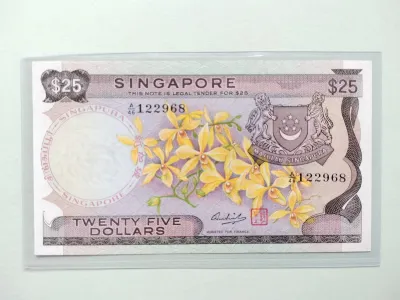
As Singapore’s inaugural currency series issued after independence, the Orchid Series carries immense historical weight and a distinct mid-century charm. The visual hallmark of this series is the prominent depiction of native orchid species on the front of each note, rendered in delicate, hand-engraved detail. These botanical illustrations are surrounded by soft, pastel color washes that give the notes an elegant, understated appearance.
For heritage-focused interiors, mid-century modern homes, or spaces featuring natural materials like teak and rattan, the Orchid Series is an exceptional choice. The organic lines of the floral motifs pair beautifully with simple, natural wood frames, which enhance the botanical theme without competing with the intricate engraving.
However, because these are the oldest notes in Singapore’s modern currency history, finding specimens in pristine condition can be challenging. Decorators must carefully inspect potential acquisitions for signs of aging, such as paper yellowing, folds, or foxing (brown spots caused by fungal growth). Opting for notes that have been well-preserved or professionally graded ensures that the delicate pastel hues remain visible and clean when mounted on your wall.
The Bird Series (1976–1984)
The Bird Series represents a dramatic shift toward bold color saturation and dynamic wildlife motifs. Each denomination features a highly detailed illustration of a bird species native to or commonly seen in Southeast Asia, symbolizing a young nation poised for flight and global connection. The colors in this series are exceptionally vibrant, ranging from deep blues and rich greens to striking reds and warm oranges.
This high level of color saturation makes the Bird Series highly suitable for eclectic, contemporary, or nature-inspired interiors. A large-denomination note from this series can serve as a colorful focal point in an otherwise neutral room, drawing the eye with its vivid imagery. Alternatively, grouping three or four lower-denomination notes in a vertical or horizontal frame creates a cohesive, colorful wildlife gallery that celebrates regional biodiversity.
When sourcing notes from the Bird Series for display, it is vital to check for color fading. Because these notes are often sought after for their visual intensity, exposure to sunlight prior to framing can significantly diminish their decorative value. Look for specimens that retain their original, crisp ink contrast to ensure your wall display remains vibrant for years to come.
The Ship Series (1984–1999)
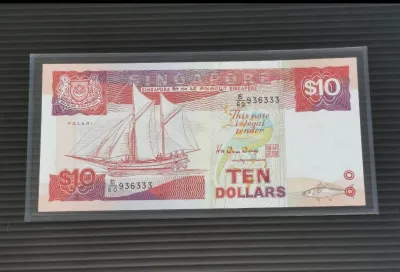
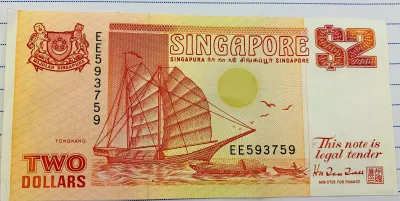
The Ship Series shifts the aesthetic focus from natural history to maritime heritage and industrial progress. These notes depict the evolution of Singapore’s port, featuring detailed illustrations of vessels ranging from traditional merchant boats to massive modern container ships. The design language is highly structured, utilizing intricate line work, geometric security patterns, and a slightly more muted, professional color palette.
This industrial and historical theme makes the Ship Series particularly well-suited for modern, minimalist, or masculine decor styles. The structured layouts and maritime motifs complement home offices, libraries, or studies, where they contribute to an atmosphere of intellect and historical reflection. The detailed engravings of harbor scenes and ships offer a wealth of visual texture that rewards close inspection.
To fully appreciate the fine details of the Ship Series, the notes must be in excellent physical condition. Creases or heavy circulation marks can disrupt the clean lines of the ship illustrations and the geometric background patterns. Framing these notes with high-contrast, dark mats inside sleek black or metallic frames helps highlight the precision of the engraving and brings out the subtle blue, grey, and green tones of the paper.
The Portrait Series (1999–2014)
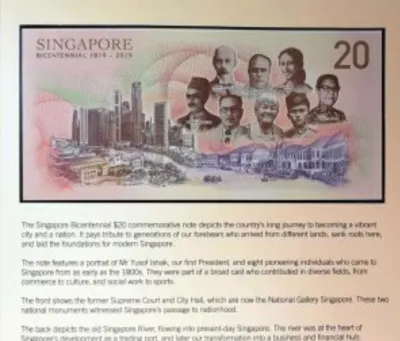
The Portrait Series introduces a contemporary design aesthetic characterized by a clean, asymmetrical layout, a prominent portrait of Singapore’s first president, Yusof Ishak, and highly visible modern security features. The notes utilize sophisticated color gradients and incorporate tactile elements, holographic patches, and clear windows on polymer variants, adding a unique physical texture to the visual design.
One of the primary advantages of the Portrait Series for home decor is its accessibility. Because it is the most recently discontinued series, finding notes in crisp, uncirculated condition is significantly easier and more affordable than sourcing pristine examples from the 1960s or 1970s. This availability allows decorators to easily assemble a complete, uniform set of denominations for a highly cohesive and modern display.
The consistent placement of the portrait across all denominations provides a sense of visual continuity, making this series ideal for structured, multi-frame installations. To complement the contemporary design of these notes, consider using sleek, modern framing styles, such as thin aluminum frames or floating acrylic mounts. These minimalist framing options highlight the high-tech security features and clean lines of the modern currency.
Sourcing and Verifying Collectible Banknotes
Acquiring vintage banknotes for your home decor requires a cautious approach to ensure you are purchasing authentic pieces in the condition promised. Because the value and visual appeal of collectible currency depend heavily on preservation, understanding how to navigate the market is essential for any decorator or collector.
Begin by identifying reputable sourcing channels. Established numismatic shops, recognized coin and banknote dealers, and official members of professional philatelic or numismatic societies are the safest options. These specialists can provide historical context and guarantee the authenticity of their inventory. If you choose to use online marketplaces or general ecommerce platforms, focus on sellers with high ratings who specialize specifically in paper collectibles, rather than general antique vendors.
When evaluating a banknote, perform basic physical authentication checks. Inspect the note under a strong, angled light source to check the paper texture and look for watermarks embedded within the paper fibers rather than printed on the surface. Authentic notes feature sharp, raised printing (intaglio print) that you can feel with a gentle touch, as well as continuous security threads.
Be cautious of notes that appear artificially clean or unusually stiff. Some sellers may chemically clean, bleach, or press circulated notes to make them look uncirculated. This process damages the paper fibers, dulls the original inks, and significantly reduces both the historical integrity and the collectible value of the note. Always request high-resolution, unedited photographs of both the front and back of the note, as well as close-ups of the edges, before finalizing a purchase online.
Archival Framing and Preservation Techniques
Framing paper currency is not merely an aesthetic choice; it is a preservation necessity, particularly in Singapore’s hot and highly humid tropical climate. Without proper conservation-grade materials and environmental controls, paper banknotes will quickly succumb to fading, yellowing, mold, and chemical degradation.
The most critical component of your frame is the glazing. Standard glass offers little protection against ultraviolet (UV) light, which rapidly fades banknote inks and weakens paper fibers. Always specify UV-filtering glass or conservation-grade acrylic (which blocks at least 99% of UV rays) to shield your display from both direct and ambient light. Even with UV protection, avoid hanging your framed currency in direct sunlight or directly opposite large windows.
Equally important are the mounting materials. Standard cardboard backing and cheap paper mats contain acid and lignin, which migrate into the banknote over time, causing permanent brown stains known as chemical burns. Insist on using 100% cotton rag or alpha-cellulose matboards and backing boards that are certified acid-free and lignin-free.
Never use glue, double-sided tape, or standard adhesive tape to secure the banknote to the mat. These adhesives leave permanent residues and tear the paper if removal is ever attempted. Instead, use archival polyester photo corners or mounting strips. These clear corners hold the note securely in place by its edges without any adhesive touching the currency itself, making the framing process completely reversible.
Finally, consider the physical placement of the frame within your home. High humidity levels accelerate mold growth and paper warping. Avoid hanging framed banknotes on exterior-facing walls, which experience temperature fluctuations that can trap moisture inside the frame. Keep the display away from high-humidity zones such as bathrooms, kitchens, or areas directly under air conditioning vents where condensation might form.
Frequently Asked Questions (FAQ)
Can I frame circulated banknotes, or do they need to be uncirculated?
You can absolutely frame circulated banknotes. In fact, many decorators prefer the soft patina, minor creases, and historical character of circulated notes, as they tell a tangible story of daily commerce from decades past. However, from a purely visual standpoint, uncirculated notes offer crisp, sharp lines, vibrant colors, and flat surfaces that look exceptionally clean and professional inside a frame. If you choose to frame heavily circulated notes, ensure they are free of active mold or severe tears that could worsen over time. If a note is extremely fragile or damaged, it may require professional stabilization by a paper conservator before it can be safely mounted and displayed.
Does framing a banknote decrease its numismatic value?
Framing a banknote does not inherently decrease its numismatic value, provided you use fully reversible, archival framing methods. By securing the note with acid-free photo corners and housing it behind UV-protective glass, you preserve its physical condition and protect it from environmental damage. However, improper framing—such as using standard glue, adhesive tapes, acidic backing boards, or folding the note to fit a smaller frame—will cause permanent, irreversible damage, effectively destroying its collectible and monetary value. If your banknote came with a certificate of authenticity or a protective grading sleeve, store these documents safely in a separate, dry location so they can be reunited with the note if you ever decide to sell it.
How do I clean a dirty old banknote before framing?
You should never attempt to clean a dirty banknote yourself using water, household detergents, solvents, or erasers. Paper currency is made of delicate cotton and linen fibers, and applying moisture or friction can easily dissolve historical inks, ruin security features, and tear the paper. Attempting to iron or press a folded note at home can also scorch the paper and permanently alter its texture, destroying its value. If a valuable banknote is dirty, stained, or wrinkled, it is best to display it in its natural, weathered state, which contributes to its vintage appeal. For high-value or severely degraded notes that require cleaning or stabilization, consult a professional paper conservator who has the specialized tools and training to treat historical documents safely.
Community discussion
Share your experience or ask a question. Comments are reviewed before publication.