
To keep your balcony, patio, or garden looking pristine in Singapore, choosing the right covers for outdoor cushion setups is essential. The ideal covers must strike a delicate balance: they need to resist intense tropical downpours and relentless solar exposure while offering the aesthetic variety required to elevate your outdoor living space. Investing in high-quality outdoor fabrics ensures your lounge area remains comfortable, hygienic, and visually appealing year after year.
In Singapore’s demanding climate, the best combination of weather resistance and style comes from premium brands utilizing solution-dyed acrylics, such as Sunbrella, or specialized local upholstery services that custom-tailor marine-grade fabrics. For homeowners seeking rapid style updates on a budget, accessible home retailers offer trendy seasonal collections, though these require more active maintenance and frequent replacement. By understanding your specific exposure levels and material options, you can select the perfect covers to refresh your patio.
Why Singapore’s Tropical Climate Demands Specialized Fabrics
Singapore’s equatorial climate presents a unique set of environmental challenges that can rapidly degrade standard textiles. With relative humidity levels frequently averaging above 80% and sudden, torrential downpours occurring throughout the year, standard indoor fabrics or low-grade outdoor alternatives will deteriorate within months. When rainwater saturates untreated fibers, the trapped moisture creates an ideal breeding ground for mold, mildew, and bacterial growth, leading to musty odors and unsightly black spots. Over time, persistent dampness weakens the seams, causing the sewing threads to rot and split under pressure.
Products mentioned in this guide
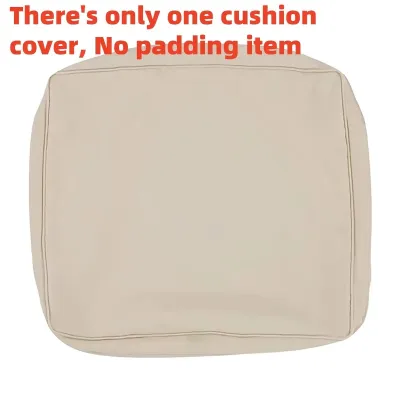
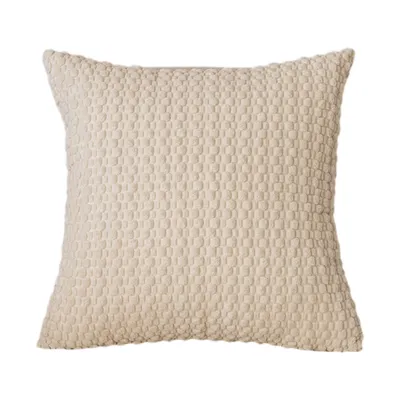
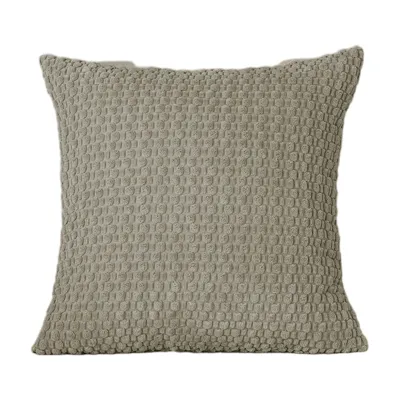
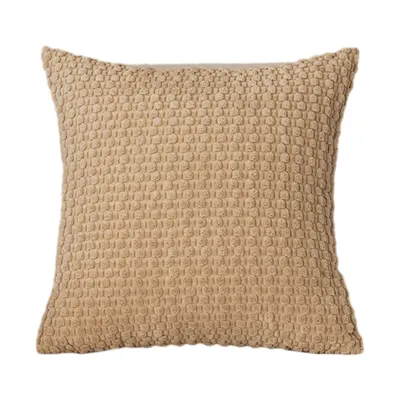
Prices are valid at publication and may change. Please refer to the product page for the latest price.
Equally destructive is the intense, direct equatorial ultraviolet (UV) radiation. Singapore regularly experiences UV Index levels in the “very high” to “extreme” categories (11 and above) during midday hours. This continuous solar bombardment breaks down the chemical bonds in synthetic dyes and polymers. Unprotected fabrics undergo rapid photodegradation, resulting in severe color fading, loss of material strength, and eventual fiber brittleness. Within a single season, a vibrant cushion cover can turn dull, dusty, and prone to tearing if it lacks specialized UV stabilizers.
To make an informed purchase, it is vital to understand the distinction between “water-resistant” and “waterproof” materials. Water-resistant covers feature hydrophobic surface coatings that cause light rain or morning dew to bead up and roll off the surface. However, during a heavy tropical thunderstorm, prolonged water pressure will eventually penetrate these coatings. Waterproof covers, on the other hand, utilize fully impermeable barriers (such as thick polyurethane backings) that block all water entry.
While waterproof covers sound ideal, they present a major drawback in high-humidity climates: they lack breathability. If humidity or ambient moisture finds its way inside the cushion insert through the seams or zippers, a completely waterproof cover will trap that moisture inside. Without airflow, the damp interior becomes an invisible incubator for mold. Therefore, highly breathable, water-resistant fabrics are generally preferred for residential patios, as they allow internal condensation to evaporate naturally.
Essential Material and Design Features to Evaluate
Selecting durable covers for outdoor cushion arrangements requires a close inspection of material specifications and construction details. Rather than relying on generic “outdoor-safe” labels, look for specific technical properties on product tags or manufacturer descriptions.

Fabric Composition The method used to color the fabric fibers determines how long the covers will retain their vibrant style under the Singapore sun.
- Solution-Dyed Acrylics: This is the gold standard for outdoor performance. During manufacturing, liquid acrylic polymer is mixed with color pigments before being extruded into fibers. The color is locked throughout the entire cross-section of the yarn, similar to a carrot. This process yields exceptional UV resistance, outstanding colorfastness, and high resistance to degradation.
- Coated Polyesters: These fabrics are typically woven from white polyester yarns and then surface-printed or piece-dyed, similar to a radish. While they are highly affordable and offer endless pattern variety, the color only sits on the surface. Under intense UV exposure and friction, the printed designs fade quickly, and any protective polyurethane coatings are prone to cracking, peeling, and flaking off over time.
Water and Mold Treatments Most high-quality outdoor fabrics are treated with a Durable Water Repellent (DWR) finish and antimicrobial agents. These chemical treatments prevent water from soaking into the weave and inhibit the growth of fungi. However, homeowners must recognize that these surface finishes are not permanent. Friction, washing, and environmental exposure gradually wear them down. To maintain optimal performance, plan to periodically reapply a compatible fabric protector spray, following both the fabric manufacturer’s care instructions and the spray’s application guidelines.
Construction Details The longevity of an outdoor cushion cover often depends on the small details that hold it together.
- Rust-Proof Hardware: Standard metal zippers will quickly corrode and seize when exposed to salty sea air or high humidity. Ensure your covers feature heavy-duty molded plastic, brass, or marine-grade stainless steel zippers.
- UV-Resistant Thread: Seams should be sewn with double-stitched, high-tensile polyester or PTFE (Teflon) thread that has been specifically treated to resist UV degradation and rot.
- Ventilation Panels: Look for covers that incorporate mesh backing strips, ventilation grommets, or breathable fabric panels on the underside. These design elements facilitate rapid airflow, allowing any trapped moisture within the cushion insert to escape quickly.
Closure Mechanisms The way a cover closes affects both its weather resistance and ease of maintenance.
- Hidden Zippers: A zipper recessed behind a protective fabric flap or welt is highly recommended. This flap shields the zipper teeth from direct rain and prevents water from seeping through the zipper tape.
- Envelope Closures: These overlapping fabric designs eliminate the need for zippers entirely, reducing the risk of hardware failure. However, they must be oriented facing downward or away from the wind; otherwise, driving rain can easily blow into the opening and soak the insert.
- Tie-Downs and Buckles: Ensure the covers or the cushions themselves feature sturdy, double-stitched straps, ties, or buckle systems. These secure the cushions to your patio furniture frame, preventing them from being blown away during sudden wind gusts or Sumatra squalls.
Recommended Brand Profiles for Singapore Patios
Navigating the retail landscape in Singapore reveals several distinct pathways for sourcing high-quality outdoor cushion covers. Depending on your budget, design preferences, and performance expectations, you can choose between premium fabric specialists, accessible home retailers, or local bespoke upholstery workshops.
Premium Fabric Specialists
For homeowners prioritizing maximum longevity, fade resistance, and commercial-grade durability, brands that specialize in premium outdoor textiles are the premier choice.
- Bougari: This brand is highly regarded for its extensive collection of ready-made and semi-custom outdoor cushion covers crafted from genuine Sunbrella® solution-dyed acrylic. Bougari covers offer outstanding resistance to UV fading, chlorine, and salt water, making them ideal for poolside lounges and open-air rooftop terraces in Singapore. They feature highly polished, modern designs, clean tailoring, and robust warranties against color loss. Their ready-made covers are available in standard dimensions like 45×45 cm and 50×50 cm, allowing you to easily swap out decorative accent pillows without purchasing entirely new inserts.
- Ohmm: As a well-established local premium outdoor furniture brand in Singapore, Ohmm offers high-end replacement cushion covers tailored specifically for tropical environments. Utilizing top-tier fabrics like Sunbrella and Tempotest, Ohmm provides an extensive library of sophisticated colors, textures, and weave patterns. Their covers are engineered with hidden, rust-proof zippers and inner protective liners, ensuring a luxurious feel and exceptional resistance to the elements. Their custom cushion program allows clients to choose from over 50 different colorways, enabling precise coordination with existing architectural finishes.
While premium fabric specialists require a higher initial financial investment, their products typically outlast cheaper alternatives by several years, making them a highly cost-effective choice over the long term. Always verify the specific warranty terms provided by the retailer, as some fabric warranties may vary based on regional environmental conditions.
Accessible Home Retailers
If you enjoy changing your outdoor decor frequently to match seasonal trends, or if your patio is well-sheltered from direct rain and sun, mid-tier home retailers provide accessible, stylish options.
- IKEA Singapore: The TOSTERÖ and JÄRPÖN/DUVHOLMEN series from IKEA are highly popular among Singaporean apartment dwellers. These covers offer a clean, Scandinavian aesthetic at highly competitive price points. Most of these lines utilize polyurethane-coated polyester. While they provide decent water repellency during light showers, they are more susceptible to UV fading and surface wear under direct sunlight. They are designed to fit specific IKEA outdoor furniture series, such as the HAVSTEN or SEGERÖN lines, but can often be adapted to other frames if the dimensions align. They are best suited for covered balconies or sheltered patios where they can be easily stored away when not in use.
- Spotlight Singapore: Spotlight offers a diverse, rotating selection of ready-made outdoor cushion covers and outdoor-rated fabrics sold by the meter. This is an excellent source for vibrant tropical prints, geometric patterns, and seasonal colors. However, because many of these budget-friendly options rely on surface-printed polyester, they require diligent care. Homeowners should check the care labels carefully, as these fabrics generally need to be brought indoors during heavy rain and kept out of harsh, direct midday sun to prevent rapid fading. For those with basic sewing skills, buying fabric by the meter at Spotlight allows for quick, highly customized DIY cover projects at a fraction of the cost of custom upholstery.
Custom Upholstery Services
If your outdoor furniture features non-standard dimensions, unique geometric shapes, or if you have a highly specific design vision that off-the-shelf covers cannot satisfy, local custom upholstery services offer the ultimate bespoke solution.
- Soon Seng Heng: Located in Singapore, Soon Seng Heng is a highly respected local upholstery workshop with decades of experience. They specialize in fabricating custom outdoor cushions and replacement covers using premium marine-grade canvases and Sunbrella fabrics. Their skilled craftsmen can duplicate your existing worn-out covers precisely, ensuring a flawless fit and professional finish. When you bring your cushions to their workshop, they can also inspect the internal foam to determine if it needs to be replaced with quick-dry reticulated polyurethane foam, which is highly recommended for Singapore's wet climate.
- SofaDoctor: Another reliable local service provider, SofaDoctor offers comprehensive custom outdoor cushion fabrication and reupholstery. They can guide you through selecting the appropriate foam density, water-resistant inner linings, and high-performance outer fabrics to suit your specific patio exposure. Their team handles everything from single balcony chair pads to complete commercial lounge setups, ensuring high-quality stitching and durable hardware.
The custom route allows you to control every aspect of the design, from adding contrast piping to integrating custom ventilation mesh and heavy-duty tie-down straps. The typical process involves taking precise measurements of your furniture, selecting fabric swatches in person, and waiting for a fabrication lead time that usually ranges from two to four weeks. When opting for custom services, it is highly recommended to request physical fabric swatches to test how the colors and textures look under your patio’s actual lighting conditions before finalizing your order.
Sizing, Fitting, and Installation Checks
A high-performance fabric can only do its job if the cover fits the cushion insert correctly. An ill-fitting cover not only looks untidy but also compromises the weather resistance and structural integrity of the material.
To ensure a perfect fit, follow this step-by-step guide to measuring your outdoor cushions:
- Measure the Insert, Not the Cover: Over time, fabric covers stretch, sag, and lose their original shape. Always measure the actual foam or fiber cushion insert rather than the old cover.
- Measure Three Dimensions: Use a firm metal measuring tape to record the exact length, width, and depth (thickness) of the insert. Measure from seam to seam at the widest points. For crowned cushions (which are thicker in the middle than at the edges), measure the maximum loft in the center.
- Account for the "Ease" Factor: For standard foam cushion inserts, the cover should be fabricated to the exact dimensions of the foam, or with a very slight allowance of about 1 cm. If the cover is too loose, excess fabric will sag and create valleys where rainwater can pool, accelerating water penetration. Conversely, if the cover is too tight, it will compress the insert, making the cushion feel uncomfortably hard. A tight cover also places immense, continuous strain on the seams and zippers, leading to premature splitting and hardware failure.
- Identify Irregular Shapes: If your outdoor sectional includes corner wedge pieces, trapezoidal dining chair pads, or round bolsters, standard rectangular covers will not suffice. For these shapes, it is highly recommended to create a paper template of the cushion outline or consult a professional custom upholsterer to ensure a precise, tailored fit.
When installing your new covers, avoid forcing the foam insert or pulling aggressively on the zipper ends. Instead, fold the foam insert in half to compress it like a taco, slide it deep into the far corners of the cover, and then let it unfold naturally inside. This simple technique minimizes tension on the seams and zipper stops, preventing accidental damage during installation.
Routine Care and Storage for Longevity
Even the most advanced, weather-resistant outdoor cushion covers require regular maintenance to combat Singapore’s humid air, airborne dust, and occasional rain-borne pollutants. Implementing a simple, consistent care routine will significantly extend the lifespan of your covers and keep them looking vibrant.
Routine Cleaning Preventative care is the key to stopping mold before it starts.
- Dust and Debris: Use a soft-bristle brush or a handheld vacuum to gently sweep away loose dirt, pollen, leaves, and bird droppings from the fabric surface on a weekly basis. If left unattended, organic debris will break down and provide a nutrient source for mold spores, even on synthetic acrylic fibers.
- Spot-Cleaning: For light stains or spills, spot-clean immediately using a solution of mild dish soap and lukewarm water. Gently agitate the area with a soft cloth or sponge, then rinse thoroughly with clean water to remove all soap residue.
- Warnings: Never use harsh household bleach, ammonia, or abrasive scrubbing pads unless the manufacturer's care label explicitly permits them. Avoid using high-pressure washers, as the intense water pressure can easily tear seams, degrade the sewing thread, and strip away the fabric's protective DWR coatings. Always check the applied product's label and the treated item's manufacturer instructions before applying any cleaning agents. If instructions conflict, or if the fabric's material composition is unidentified, stop and consult the manufacturer or a qualified professional.
Drying Proper drying is absolutely critical in Singapore’s humid environment.
- Air-Dry Only: After cleaning, or after a heavy downpour, allow the covers to air-dry completely in a well-ventilated, shaded area.
- Avoid Direct High Heat: Do not place synthetic outdoor covers in a mechanical tumble dryer unless the care label explicitly states it is safe. High heat can warp plastic zippers, shrink the fabric, or melt protective backings.
- Never Store Wet: Never reinstall covers onto cushion inserts while either component is damp. Trapping moisture inside the cover is a guaranteed way to ruin both the foam insert and the fabric with mold and mildew.
Off-Season and Heavy Rain Storage During prolonged monsoon seasons—such as the Northeast Monsoon from November to January, which brings frequent, heavy rain and high humidity—active storage is highly recommended.
- Dry and Ventilated: Store your clean, completely dry cushions in a sheltered, indoor location, such as a utility room, ventilated closet, or a heavy-duty, weather-resistant deck box.
- Use Breathable Bags: If you use storage bags, choose breathable fabric options rather than completely sealed plastic bags or airtight plastic bins. Sealed plastic containers can trap ambient humidity, creating a greenhouse effect that promotes mold growth during storage.
Frequently Asked Questions (FAQ)
Can I leave outdoor cushion covers outside during heavy monsoon rain?
While high-quality outdoor cushion covers are designed to repel water, they are not completely impermeable dry bags. During intense, prolonged monsoon downpours, water can eventually seep through the zipper teeth, stitching holes, and seams. To protect your investment and prevent the inner cushion foam from waterlogging, it is highly recommended to bring your cushions indoors, store them in a dry deck box, or use fully waterproof, heavy-duty patio furniture covers during severe weather events.
How do I remove mold spots from acrylic outdoor covers?
To remove mold spots from solution-dyed acrylic covers, start by brushing away any loose, dry mold spores outdoors. Prepare a cleaning solution of mild dish soap and lukewarm water. Gently scrub the affected area with a soft-bristle brush, allowing the soapy solution to soak into the fabric for 15 minutes. Rinse the fabric thoroughly with clean water to remove all soap residue, and allow it to air-dry completely in a well-ventilated, shaded area. Always check the manufacturer’s care label first, and test the cleaning solution on a small, hidden area of the cover to ensure it does not affect the color or strip the water-repellent coating. If the mold persists or if the care instructions are unclear, consult a professional cleaning service.

Community discussion
Share your experience or ask a question. Comments are reviewed before publication.