
Quick Answer: Which Fabric Handles Heat, Humidity, and Rain Best?
Singapore’s tropical climate presents a relentless challenge for outdoor textiles. With relative humidity levels frequently averaging above 80%, sudden afternoon downpours, and a midday UV index that regularly climbs into the extreme category, standard indoor fabrics will quickly deteriorate, fade, or succumb to mold. When selecting an outdoor seat cushion, your choice of fabric determines whether your balcony, patio, or poolside furniture remains inviting or becomes a damp, weathered eyesore.
While no single fabric is entirely maintenance-free, solution-dyed acrylic offers the most robust and comprehensive defense against Singapore’s intense environmental stressors. Thanks to its unique manufacturing process, which locks color deep within the fiber core, it resists UV fading and maintains exceptional breathability in high heat. Olefin serves as a highly competitive runner-up, particularly excelling in quick-drying capabilities due to its naturally hydrophobic properties. Standard polyester remains the most budget-friendly entry point, but it relies heavily on temporary chemical coatings that tend to degrade rapidly under constant tropical exposure.
To make a lasting investment, you must look beyond the base material name. True weather resistance depends on a combination of fiber chemistry, factory-applied protective treatments, and the structural design of the cushion’s interior. Choosing the right cover material is only half the battle; verifying the drainage capability of the inner foam and understanding the required care routine is essential to keep your outdoor seating comfortable and pristine year-round.
Products mentioned in this guide
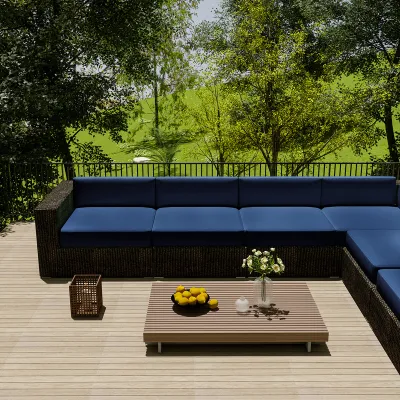
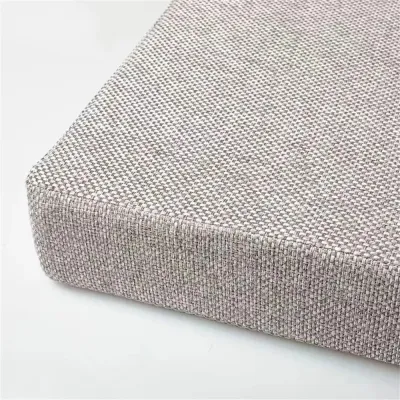
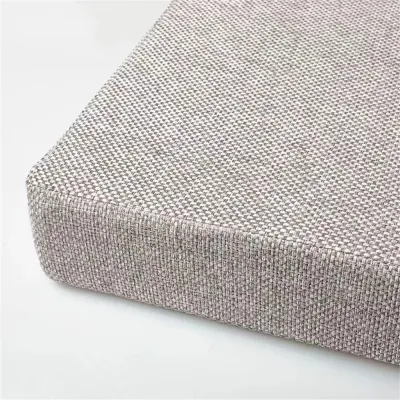
Prices are valid at publication and may change. Please refer to the product page for the latest price.
Material Breakdown: How Each Fabric Performs Outdoors
Polyester: Budget-Friendly but Relies on Coatings
Polyester is the most widely available and economical material used for outdoor seat cushions. In its raw, untreated state, polyester (polyethylene terephthalate) is highly susceptible to UV degradation and moisture absorption. To make it suitable for outdoor spaces, manufacturers must apply chemical treatments, such as Durable Water Repellent (DWR) surface finishes, polyurethane (PU) backings, or specialized UV-inhibiting coatings. These treatments temporarily shield the synthetic fibers from the elements, allowing water to bead up and slide off the surface.

The primary advantages of polyester cushions lie in their affordability and design versatility. Because polyester fibers accept topical dyes and prints easily, you can find them in an almost limitless array of vibrant colors, intricate patterns, and trendy designs. This makes polyester an excellent choice if you enjoy updating your outdoor decor style frequently or if your seating area is well-protected from direct weather.
However, Singapore’s high ambient heat and near-constant humidity accelerate the breakdown of these surface coatings. Over time, UV exposure degrades the chemical bonds of the protective finishes, while frequent heavy rains wash away the DWR treatments. Once the outer barrier fails, the underlying polyester absorbs water, leading to internal moisture retention and eventual fiber rot. Furthermore, thick polyurethane backings can trap moisture inside the cushion, creating a humid microclimate that encourages mold growth. When shopping for polyester, always inspect the product specifications for details on the specific UV and water-resistant treatments applied, rather than assuming all polyester cushions perform equally.
Olefin: Quick-Drying and Moisture-Resistant
Olefin, chemically known as polypropylene or polyethylene, is a synthetic fiber developed specifically for high-performance applications. Unlike polyester, which relies on surface treatments to repel water, olefin is inherently hydrophobic. The fiber itself absorbs virtually no moisture, possessing a moisture regain rate of less than 0.1%. This means that when a sudden tropical downpour hits, water cannot penetrate the olefin fibers; instead, it runs off or evaporates rapidly from the weave, allowing the cushion to dry in a fraction of the time required by other materials.
This natural resistance to water absorption makes olefin highly resilient against mold, mildew, and water-based stains. Because the fibers do not hold onto water, they do not provide the damp environment that fungal spores require to colonize. Olefin is also highly resistant to chlorine and salt water, making it a favorite choice for condominium poolside lounges and coastal balconies where splashing is common.
Despite these strengths, olefin has specific vulnerabilities that you must consider. The material is highly oleophilic, meaning it has a strong affinity for oils. Spills from sunscreen, body lotions, or greasy patio foods can bond chemically with the olefin fibers, leaving stubborn yellow stains that are exceptionally difficult to remove. Additionally, olefin is sensitive to high heat; if left in direct, unshaded sunlight on a scorching afternoon, the fibers can retain heat and feel uncomfortably warm to the touch. To maximize comfort, look for olefin cushions woven with a slightly open, texturized structure that improves airflow and reduces heat retention.
Solution-Dyed Acrylic: Premium UV and Weather Defense
Solution-dyed acrylic represents the gold standard for premium outdoor performance. To understand its superiority, it is helpful to look at how the fiber is made. In standard fabric manufacturing, the yarn is spun first and then dyed, which only colors the outer surface of the fiber. In contrast, the solution-dyeing process adds liquid pigments directly into the acrylic polymer melt before it is extruded through spinnerets into solid fibers. This process ensures that the color is locked through the entire cross-section of the fiber, much like a carrot is orange all the way through, rather than a radish which is only colored on the skin.
This molecular-level coloration gives solution-dyed acrylic unmatched resistance to UV fading. Even under Singapore’s intense, year-round solar radiation, the colors remain vibrant and do not break down or become brittle. Acrylic fibers also possess a soft, natural hand-feel that closely mimics cotton or wool, offering a luxurious seating experience that feels premium against the skin, even in humid conditions.
Furthermore, solution-dyed acrylic is highly breathable. The woven structure allows air and moisture vapor to pass through freely, preventing heat from trapping beneath you while you sit. The main trade-off with acrylic is its premium price point, which is typically higher than both polyester and olefin. It is also important to note that while acrylic fibers are naturally water-resistant and quick to dry, they are not completely waterproof. To ensure optimal performance during heavy rain, verify that the manufacturer has applied a high-quality, fluorocarbon-based water-repellent finish to the fabric surface to assist with water beading.
Key Comparison Dimensions for Singapore's Tropical Climate
UV Resistance & Fading
Singapore’s proximity to the equator means outdoor furniture is subjected to high levels of ultraviolet (UV) radiation daily. UV rays break down the polymer chains within synthetic fibers, leading to a process called photodegradation. This manifests as severe color fading, loss of tensile strength, and eventual tearing of the fabric cover.
Solution-dyed acrylic easily outperforms the competition in this category. Because its pigments are integrated into the fiber polymer, it can withstand thousands of hours of direct sunlight without noticeable fading. Olefin also offers good inherent UV resistance, though it can degrade faster than acrylic if exposed to prolonged, unshaded midday heat. Polyester sits at the bottom of this dimension; unless it is specifically treated with high-grade UV inhibitors, standard polyester will begin to fade and weaken within a single season of exposure on an open terrace.
Water Resistance & Mold Prevention
In a tropical climate, water resistance is not just about keeping your pants dry; it is the primary line of defense against mold and mildew. Mold spores are omnipresent in Singapore’s air and require only moisture, warmth, and organic nutrients to thrive. While synthetic fibers like polyester, olefin, and acrylic do not serve as food sources for mold, the dirt, dust, and pollen that settle on them do.
When a cushion fabric traps water, it creates a damp incubator for these spores. Olefin excels here due to its hydrophobic nature, allowing water to drain and evaporate almost instantly. Solution-dyed acrylic also dries quickly, provided it has a functional water-repellent finish that prevents water from soaking into the weave. Polyester cushions with worn-out coatings will absorb water and remain damp internally for days, virtually guaranteeing mold growth unless they are cleaned and dried immediately.
Breathability & Comfort
Sitting outdoors in 32°C heat with high humidity can quickly become uncomfortable if your cushion fabric does not breathe. When a fabric lacks breathability, it traps body heat and sweat, resulting in a sticky, clammy sensation.
Solution-dyed acrylic provides the highest level of breathability, as its woven yarns allow continuous airflow. Olefin also offers decent breathability, though tightly woven variations can feel slightly plastic-like and warm under direct skin contact. Polyester cushions that rely on heavy polyurethane (PU) backings to achieve water resistance are the least breathable. These backings act as solid plastic barriers, trapping heat and perspiration, which significantly reduces comfort during warm afternoons.
Performance Comparison Matrix
| Performance Dimension | Coated Polyester | Olefin (Polypropylene) | Solution-Dyed Acrylic |
|---|---|---|---|
| UV & Fade Resistance | Fair (Requires constant coating) | Good | Excellent (Color is locked in fiber) |
| Drying Speed | Slow to Moderate | Excellent (Naturally hydrophobic) | Good to Very Good |
| Breathability | Poor (If PU-backed) to Fair | Good | Excellent (Woven yarn structure) |
| Stain Resistance | Good (Water-based stains) | Poor (Vulnerable to oils/sunscreen) | Excellent (Easy to spot clean) |
| Relative Cost | Budget-Friendly (S$30 – S$50) | Mid-Range (S$60 – S$120) | Premium (S$130 – S$250+) |
Note: Actual performance can vary based on the manufacturer’s specific weave density, chemical formulations, and the quality of the underlying cushion construction.
Decision Framework: Which Outdoor Seat Cushion Should You Buy?
To select the ideal outdoor seat cushion for your home, evaluate your specific outdoor setup, lifestyle needs, and budget against the strengths of each material.
Choose Solution-Dyed Acrylic if:
- Your furniture is fully exposed: Your balcony, rooftop terrace, or garden patio has no awning or shelter, leaving cushions completely vulnerable to direct sunlight and heavy monsoon rains.
- You prioritize long-term aesthetics: You want a premium look and feel with colors that remain vibrant for years without fading.
- You value maximum comfort: You prefer a soft, cotton-like fabric that stays cool and breathable, preventing stickiness in Singapore's humid climate.
- You have a flexible budget: You view your outdoor space as a long-term investment and are willing to pay a higher upfront cost (typically S$130+ per cushion) to avoid frequent replacements.
Choose Olefin if:
- Your cushions are near water: Your outdoor seating is located poolside, near an outdoor shower, or on a balcony highly exposed to blowing rain.
- Fast drying is your top priority: You want to be able to use your cushions shortly after a heavy downpour without waiting hours for them to dry.
- You want a balance of durability and value: You need a tough, resilient fabric that resists mold and mildew but fits within a mid-range budget (typically S$60 to S$120).
- You can manage oil exposure: You are mindful of keeping sunscreens, body oils, and greasy foods away from the fabric covers.
Choose Coated Polyester if:
- Your space is covered and shaded: Your furniture sits on a deeply recessed balcony, a covered veranda, or a semi-indoor sunroom where direct sunlight and rain are minimal.
- You are on a strict budget: You need an affordable seating solution (typically under S$50) to furnish a temporary rental or a low-use outdoor area.
- You enjoy changing styles: You prefer to swap out your outdoor decor colors and patterns every year or two to keep up with design trends.
Verify the Cushion Construction First
Even the highest-quality outdoor fabric cover will fail if the internal cushion construction is poorly designed. Before finalizing your purchase, verify these two critical structural components:
- Quick-Drain Foam Core: Ensure the cushion utilizes reticulated foam (often marketed as "quick-dry" or "open-cell" foam). Unlike standard polyurethane foam, which acts like a household sponge and traps water inside, reticulated foam features a highly porous, web-like structure that allows water to drain straight through the bottom of the cushion.
- Removable, Zippered Covers: Check that the cushion covers are easily removable. This allows you to wash the covers thoroughly, treat stubborn stains, or replace the fabric covers in the future without buying entirely new foam inserts.
Finally, review the manufacturer’s warranty terms. High-quality outdoor brands often provide specific warranties against fabric fading and structural degradation (ranging from 2 to 5 years for premium materials). A robust warranty is a strong indicator of the manufacturer’s confidence in their fabric’s ability to withstand tropical weathering.
Care and Maintenance to Prevent Mold and Fading
Implementing a proactive care routine is the most effective way to extend the lifespan of your outdoor seat cushions, regardless of the material you choose.
- Perform Weekly Routine Cleaning: Dust, pollen, and organic debris constantly settle on your cushions. Use a soft-bristle brush or a hand vacuum to sweep away loose dirt before it can settle deep into the fabric weave. If left unattended, this organic matter combined with moisture becomes the perfect breeding ground for mold.
- Wash with Mild Soap: When spot cleaning is required, use a solution of mild dish soap and lukewarm water. Gently scrub the fabric with a soft-bristle brush, rinse thoroughly with clean water to remove all soap residue, and allow the cushion to air dry completely. Avoid using harsh chemical detergents, bleach (unless explicitly approved by the manufacturer for specific deep cleaning), or high-pressure washers, as these can strip away protective DWR coatings and damage the fabric fibers.
- Ensure Complete Drying Before Storage: Never store damp cushions in enclosed spaces. If your cushions get soaked during a storm, stand them on their edges with the zippers facing downward. This posture allows gravity to pull water out through the zipper seams, dramatically accelerating the drying process. Ensure the cushions are 100% dry before placing them in storage boxes.
- Store During Monsoon Seasons: During periods of prolonged rain and high humidity, such as the Northeast Monsoon season, store your cushions indoors or inside waterproof, breathable deck boxes. Keeping them out of continuous wet weather when not in use prevents moisture build-up and extends the life of the fabric coatings.
- Re-treat the Fabric Periodically: Water-repellent finishes naturally wear off over time due to friction and washing. If you notice that rainwater no longer beads up on the surface and instead starts to soak into the fabric, apply a compatible aftermarket fabric protector spray. Always clean and dry the cushion thoroughly before applying any re-treatment products.
Frequently Asked Questions (FAQ)
Can I leave outdoor cushions outside during Singapore's monsoon season?
It is highly recommended to store your outdoor cushions indoors, in a sheltered dry area, or within a waterproof, breathable storage box during Singapore’s monsoon seasons. While high-quality solution-dyed acrylic and olefin fabrics can withstand heavy rain, the prolonged, continuous wet weather and high humidity make it difficult for cushions to dry completely. This constant moisture exposure significantly increases the risk of mold and mildew growing on accumulated surface dirt.
How do I remove mold or mildew from outdoor cushion covers?
First, consult the manufacturer’s care label for specific instructions. For most synthetic outdoor fabrics, you can treat mold by mixing a solution of one cup of white vinegar with one gallon of warm water, or using a mild dish soap solution. Gently scrub the affected area with a soft brush, let the solution sit for 15 minutes to kill the mold spores, rinse the fabric thoroughly with clean water, and let it air dry completely in direct sunlight, which acts as a natural sanitizer.
Does the cushion filling matter as much as the fabric?
Yes, the cushion filling is just as critical to weather resistance as the outer fabric. Standard polyurethane foam absorbs and retains water like a sponge, leading to internal rot, bad odors, and mold growth. To ensure your cushions survive tropical downpours, always look for fillings made of reticulated or open-cell quick-dry foam, which allows water to drain through rapidly, or polyester fiberfill wraps that do not hold moisture.
Community discussion
Share your experience or ask a question. Comments are reviewed before publication.