
Selecting the best fireworks lights for outdoor decoration in Singapore requires balancing aesthetic appeal with the practical demands of a tropical climate. The island’s unique weather—characterized by high relative humidity, intense solar radiation, and sudden, heavy monsoon downpours—presents distinct challenges for outdoor electrical installations. Whether you are decorating a compact HDB balcony, a condominium patio, or a sprawling landed property garden, understanding how different lighting specifications interact with these environmental factors is crucial. By focusing on weather resistance, power delivery, and safety certifications, you can design a stunning, durable outdoor display that safely elevates your home’s exterior ambiance.
Key Features to Check Before Buying Outdoor Fireworks Lights
Weather and Moisture Resistance
When shopping for outdoor fireworks lights, the term “waterproof” should never be taken at face value. Instead, look for an explicit Ingress Protection (IP) rating on the product packaging or technical specification sheet. An IP rating consists of two digits: the first measures protection against solid objects and dust (ranging from 0 to 6), while the second measures protection against liquids (ranging from 0 to 9). For semi-sheltered spaces like HDB balconies, an IP44 rating—which protects against solid objects larger than 1 millimeter and splashing water from any direction—is generally sufficient. However, for fully exposed outdoor areas such as open lawns or garden pathways, you should seek a minimum rating of IP65. This rating ensures the fixture is dust-tight and protected against water jets projected from any angle, preventing moisture from seeping into the delicate LED connections during intense tropical thunderstorms.
Power Source Compatibility
The choice of power source dictates both the placement flexibility and the maintenance requirements of your fireworks lights. Solar-powered models are highly independent, requiring no external wiring or proximity to electrical sockets, making them ideal for sunny garden beds. However, their performance relies entirely on daily daylight exposure. USB-powered lights offer a versatile middle ground; they run on low-voltage direct current (DC) and can be powered by portable power banks or outdoor-rated USB adapters, though you must manage battery recharging cycles. Plug-in adapters connected to mains power provide the most reliable, consistent brightness and are unaffected by cloud cover. However, they require careful cable routing to an outdoor-rated socket and must be positioned away from areas prone to water accumulation.
Products mentioned in this guide
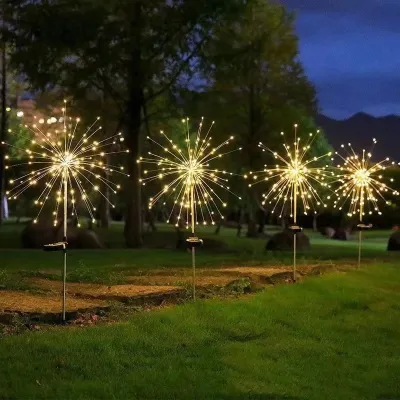
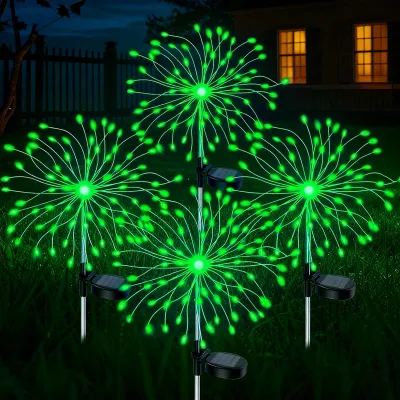
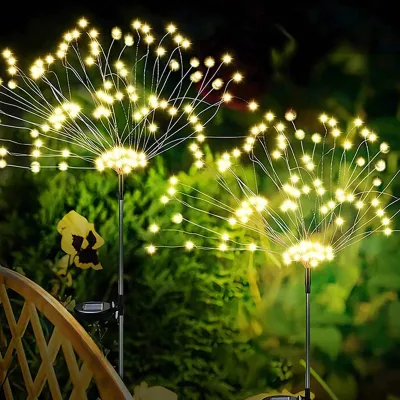
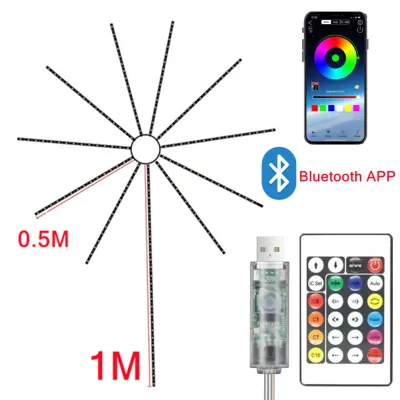
Prices are valid at publication and may change. Please refer to the product page for the latest price.
Electrical Safety and Compliance
Safety is paramount when dealing with outdoor electrical installations, especially in wet environments. In Singapore, any plug-in adapter or transformer connected directly to the 230V, 50Hz mains power supply must carry the SAFETY Mark. This certification, issued by Enterprise Singapore as the Safety Authority, indicates that the product has undergone rigorous testing to ensure it meets strict local safety standards and is protected against risks like overheating, short circuits, and electrical shocks. Avoid purchasing uncertified plug-in lights from overseas online marketplaces, as they may lack the necessary low-voltage step-down transformers (which reduce the dangerous 230V mains voltage to a safe 12V or 24V DC). Always verify that the plug type matches the local three-pin Type G standard and that the adapter is housed in an appropriate weatherproof enclosure if installed outdoors.
Best Fireworks Light Setups for HDB Balconies and Patios
Scale and Visual Density
HDB balconies and patios are valuable extension spaces of the home, but their compact dimensions require a thoughtful approach to scale. Installing oversized or overly dense light fixtures can quickly crowd the space, block scenic views, and create uncomfortable glare. For these areas, select fireworks lights with moderate branch lengths of 15 to 25 centimeters and a modest LED count of approximately 100 to 120 per starburst cluster. This configuration provides a delicate, sophisticated sparkle that mimics a distant pyrotechnic display without overwhelming the visual field. Hanging one or two well-spaced clusters from the ceiling or securing them along the railing creates a balanced, inviting atmosphere perfect for evening relaxation.

Cable-Free Power Solutions
One of the most common mistakes when decorating an HDB balcony is running extension cords from indoor living room sockets through sliding doors or window gaps. This practice prevents the doors from sealing properly, allowing air-conditioned air to escape, increasing energy bills, and creating a direct entry point for rainwater and pests. To maintain your home’s security and weather sealing, opt for cable-free power solutions. Solar-powered fireworks lights equipped with a small, adjustable solar panel can be easily clamped to the balcony railing where they can capture daytime sunlight. Alternatively, USB-powered lights can be plugged into a compact, rechargeable power bank housed inside a simple weatherproof silicone sleeve, providing hours of cordless illumination.
Secure and Non-Destructive Mounting
HDB estate guidelines and renovation rules strictly prohibit drilling holes into external building facades, structural concrete columns, or common corridor walls. To avoid structural damage and potential fines, you must rely on non-destructive mounting techniques. Heavy-duty, UV-stabilized nylon zip ties are the most reliable tool for securing the central hub and wiring of your fireworks lights to metal balcony railings or grilles. They are inexpensive, easy to adjust, and can be snipped off cleanly when removing the display. For glass balustrades or smooth tiled surfaces, industrial-strength suction cups with integrated hooks or outdoor-rated adhesive hooks designed specifically for humid environments provide excellent holding power without leaving permanent marks or residue.
Best Fireworks Light Setups for Landed Gardens and Large Yards
Maximizing Scale and Brightness
Landed properties, private yards, and condominium common areas provide a much larger canvas, allowing you to experiment with grander lighting designs. To ensure your display is visible and impactful across a spacious lawn or garden, choose heavy-duty fireworks lights with branch lengths of 30 to 50 centimeters and high LED counts of 150 to 200+ per cluster. Instead of hanging isolated units, create visual depth by grouping multiple starburst heads together at varying heights. Suspending these clusters from the branches of mature trees, weaving them through pergola rafters, or mounting them on ground stakes along garden pathways creates a dramatic, layered nighttime landscape that highlights the natural beauty of your outdoor space.
Durability in Fully Exposed Areas
Fully exposed outdoor environments subject lighting fixtures to continuous degradation from intense ultraviolet (UV) radiation and heavy monsoon rains. Standard indoor-grade copper wire coated in thin plastic will quickly become brittle, crack, and yellow under Singapore’s relentless sun, leading to water penetration and immediate electrical failure. For landed gardens, it is essential to verify that the light strings feature thick, UV-resistant rubber or heavy-duty PVC cable jackets. These materials are engineered to withstand prolonged exposure to the elements without degrading. Furthermore, ensure that the light clusters themselves have a certified rating of at least IP65, and that any extension cables use watertight screw-cap connectors to prevent moisture from entering the joints.
Convenience and Control Features
Managing a large, multi-light outdoor display manually can quickly become a tedious daily chore. To streamline operations, look for premium plug-in fireworks light systems equipped with advanced control and automation features. Systems that include radio-frequency (RF) remote controls allow you to adjust brightness levels, switch between dynamic flashing modes, and power the lights on or off from the comfort of your living room, bypassing the limitations of infrared remotes which require a direct line of sight. Additionally, models with integrated 24-hour timers (such as a standard 6-hours-on, 18-hours-off cycle) and automatic memory functions ensure that your garden lighting display illuminates reliably at the same time every night, preserving your preferred settings without manual resetting.
How to Compare Fireworks Light Specifications
Specification Comparison Table
| Power Source | Ideal Location | IP Rating Requirements | Maintenance Level |
|---|---|---|---|
| Solar Powered | Fully exposed gardens, sunny open balconies, lawn borders | IP65 or IP67 | Low (Requires periodic cleaning of the solar panel surface) |
| USB Powered | Semi-sheltered balconies, covered patios, temporary setups | IP44 or IP65 | Medium (Requires regular recharging or swapping of power banks) |
| Plug-In (Mains) | Landed yards, large patios near outdoor-rated power sockets | IP65 (Adapter must be housed in IP66 enclosure) | Low (Set-and-forget operation with automated timers) |
Understanding LED and Branch Metrics
When comparing fireworks lights online, product descriptions can often be confusing or misleading. A listing advertising a “150 LED fireworks light” could refer to a single, dense starburst cluster or a long string containing several smaller clusters. To accurately estimate the final visual volume and brightness, look closely at the breakdown of branches and LEDs. A high-quality starburst light typically features 40 to 50 flexible copper branches, with each branch carrying 3 to 4 individual micro-LEDs. If a product has too few branches, the light will look sparse and lose its distinctive spherical “fireworks” shape when shaped. Conversely, too many branches with low-quality wire can make the cluster heavy and difficult to support.
Color Temperature and Aesthetics
The color temperature of your LEDs plays a decisive role in defining the architectural and landscape mood of your outdoor space. Warm white LEDs, typically ranging from 2700K to 3000K, emit a soft, amber glow that mimics traditional incandescent lighting. This tone pairs beautifully with natural wood decking, brickwork, and dense green foliage, creating a cozy, relaxing, and upscale resort-like feel. Cool white LEDs, ranging from 5000K to 6500K, produce a bright, crisp, bluish-white light. This temperature is ideal for modern, minimalist architectural designs, highlighting clean lines and concrete surfaces with high contrast. Multi-color (RGB) lights offer dynamic, vibrant colors that are perfect for festive celebrations, national holidays, and parties, allowing you to customize the color scheme to match the specific occasion.
Safe Installation and Weatherproofing Tips
Pre-Installation Inspections
Before mounting any lighting fixtures outdoors, it is essential to conduct a thorough safety and functionality check. Unbox the lights and lay them out on a clean, dry indoor floor. Plug them in and run them through all operational modes to ensure every LED is functioning and there are no dead zones. Carefully inspect the entire length of the wiring, checking for any cuts, punctures, or signs of fraying in the protective insulation. Ensure that all screw-cap connectors are tightly fastened and that the internal rubber O-rings are seated correctly. When positioning the lights outdoors, always ensure that control boxes, transformers, and connection points are elevated off the ground—using cable ties or mounting brackets—to prevent them from sitting in standing water during heavy downpours.
Protecting the Wiring
Proper securing of your outdoor wiring is critical to preventing physical damage and electrical hazards. Never use metal staples, nails, or tight wire ties to secure the cables to walls, trees, or railings. Over time, wind movement, plant growth, and thermal expansion can cause these rigid fasteners to pinch, cut, or wear through the cable’s outer insulation, exposing live wires to moisture and creating a severe risk of short circuits or electric shock. Instead, use specialized plastic outdoor lighting clips, loose UV-resistant nylon zip ties, or insulated cable clamps. When wrapping lights around tree trunks or branches, leave a generous amount of slack in the cables to accommodate the natural growth of the tree and prevent the wires from being pulled taut and snapping during strong winds.
Routine Maintenance and Storage
Regular maintenance is key to extending the operational lifespan of your outdoor fireworks lights. For solar-powered models, wipe down the solar panel’s glass surface every few weeks with a damp, soft microfiber cloth to remove accumulated dust, pollen, and bird droppings, which can block sunlight and drastically reduce charging efficiency. Periodically check all plug-in connections to ensure they remain dry and tightly sealed. If you decide to take the lights down during periods of prolonged non-use or severe monsoon seasons, ensure they are completely dry before storage. Coil the copper branches and cables loosely to avoid creating sharp kinks or breaking the internal copper filaments, and store them in a cool, dry indoor location away from direct sunlight.
Frequently Asked Questions (FAQ)
Can I leave fireworks lights outside all year round?
While high-quality outdoor fireworks lights with IP65 or IP67 ratings are engineered to withstand wet weather, leaving them exposed to the elements year-round will inevitably accelerate their physical degradation. Continuous exposure to Singapore’s intense tropical sun, high UV radiation, and constant humidity will gradually break down the protective plastic and rubber coatings, making them brittle and prone to cracking. To maximize the lifespan of your lights, it is highly recommended to check the manufacturer’s specific guidelines regarding prolonged outdoor exposure. For the best results, take the lights down during periods of extended non-use or ahead of severe monsoon seasons, storing them safely indoors to prevent premature wear and potential electrical failures.
Do solar-powered fireworks lights work well in Singapore?
Solar-powered fireworks lights can work exceptionally well in Singapore, provided their solar panels are positioned correctly. Because Singapore is located near the equator, it receives abundant sunlight, but frequent afternoon cloud cover and sudden rainstorms can limit daily solar charging. To ensure optimal performance, the solar panel must be installed in an area that receives at least six to eight hours of direct, unshaded sunlight daily, such as an open lawn, garden bed, or the outer edge of a sunny balcony. Placing the solar panel under deep HDB corridor ceilings, dense tree canopies, or in the shadow of adjacent buildings will significantly reduce battery charging, resulting in dim lighting or a very short nighttime runtime of only one to two hours.
How do I safely connect multiple fireworks light strands together?
Connecting multiple fireworks light strands together—often called daisy-chaining—is a convenient way to cover large outdoor areas, but it must be done with extreme caution. Every lighting set has strict physical limits regarding maximum wattage and the maximum number of end-to-end connections, which are specified by the manufacturer. Exceeding these limits overloads the thin copper wiring and the low-voltage transformer, leading to severe overheating, melted insulation, and a high risk of electrical fires. Before attempting to connect multiple strands, always consult the product manual to verify the maximum connectable limit. Never mix different brands or models of lights on the same circuit, and ensure that all connection joints are sealed with watertight, screw-on protective caps to prevent moisture from entering.
Community discussion
Share your experience or ask a question. Comments are reviewed before publication.