
Selecting the right ceiling light for a Singapore Housing & Development Board (HDB) flat requires balancing aesthetics, illumination quality, and physical clearance. With a standard ceiling height of 2.6 metres, structural constraints dictate how light is distributed across your living spaces. Choosing an inappropriate fixture can make a room feel cramped, create harsh glare, or even present safety hazards. High-quality, low-profile LED ceiling lights from Philips offer an effective solution, providing excellent illumination while preserving valuable headroom.
By focusing on flush-mount and low-profile designs, you can optimize both the physical space and the visual comfort of your home. Understanding the unique spatial dynamics of HDB flats allows you to select fixtures that enhance the feel of your interior rather than crowd it. This guide explores the ideal Philips ceiling light series for 2.6m ceilings, detailing their features, installation requirements, and practical considerations for Singaporean homeowners.
Why Ceiling Height Matters When Choosing HDB Lighting
A standard HDB ceiling height of 2.6 metres limits the vertical space available for interior fixtures. When you install lighting, you must consider the physical clearance required for daily activities, furniture placement, and visual comfort. A hanging light fixture that extends too far downward reduces the perceived height of the room, making the living space feel confined and claustrophobic. Furthermore, low-hanging fixtures can interfere with the operation of ceiling fans, which are common in Singapore’s tropical climate, or pose a physical hazard to taller occupants and when moving tall furniture.
Products mentioned in this guide
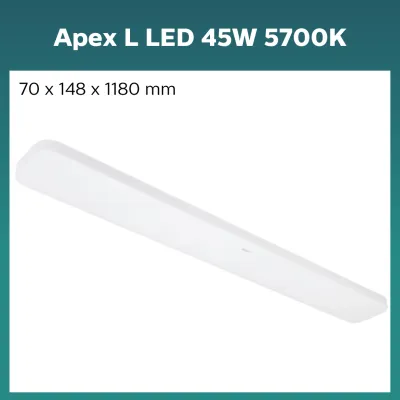
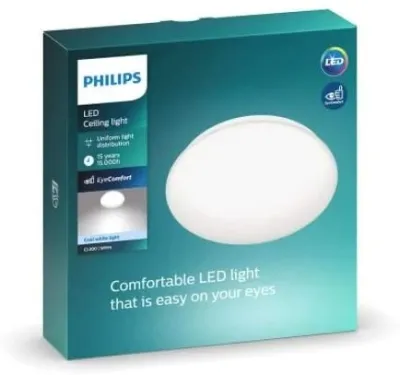
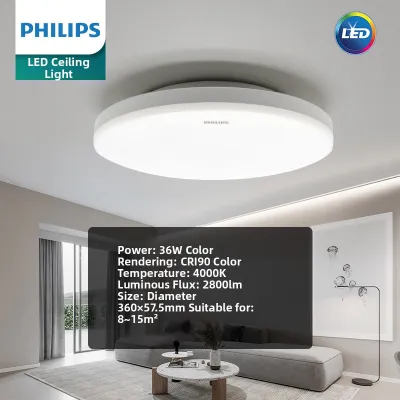
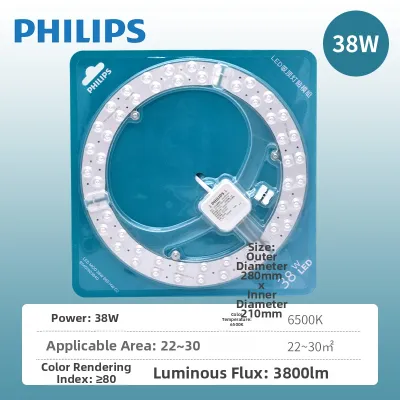
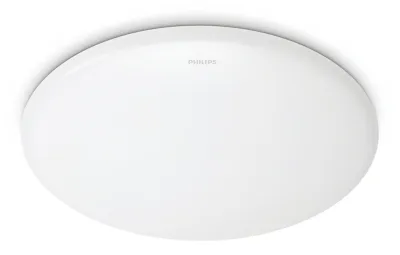
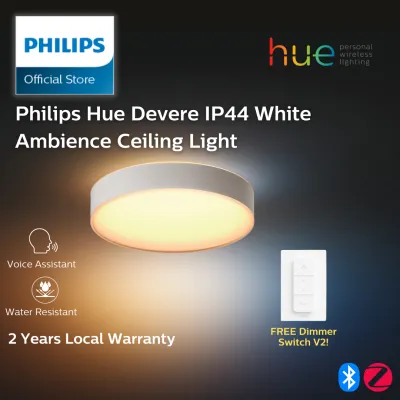
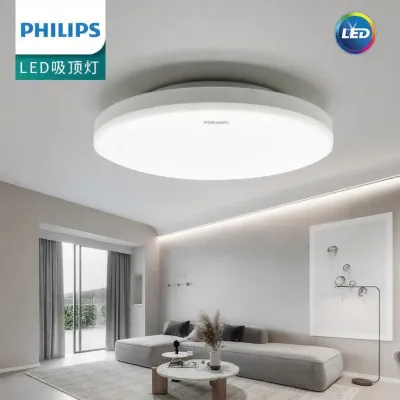
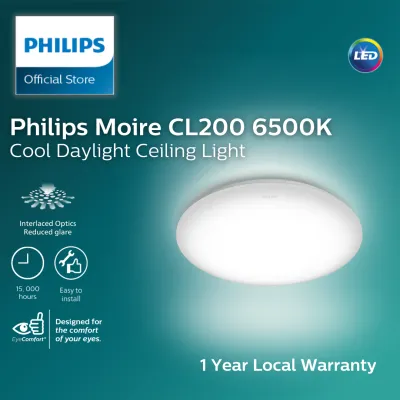
Prices are valid at publication and may change. Please refer to the product page for the latest price.
Flush-mount and low-profile semi-flush-mount designs are highly preferred over pendant lights or chandeliers in these environments. Flush-mount fixtures sit directly against the concrete ceiling slab, maximizing the distance between the floor and the light source. This design minimizes visual clutter, creating a clean, modern aesthetic that makes small rooms appear more spacious. Additionally, flush-mount lights reduce the accumulation of dust and trapped heat, which is a common issue with complex, multi-tiered fixtures in humid environments.
When evaluating Philips ceiling lights for a 2.6m HDB ceiling, several key dimensions should guide your decision:
- Fixture Thickness (Drop): Look for ultra-slim profiles, ideally under 10 centimetres, to ensure maximum headroom.
- Light Diffusion: High-quality diffusers are essential to scatter light widely and evenly, preventing harsh, localized bright spots and dark corners in low-ceiling rooms.
- Color Temperature Options: The ability to switch between warm white (for relaxation), cool white (for general activities), and daylight (for tasks) helps adapt the room's atmosphere to different times of day.
- Control Functionality: Determine whether you require standard wall-switch operation, step-dimming features, or full smart home integration via mobile applications and voice assistants.
Top Philips Ceiling Light Series for Low Ceilings
Philips offers a diverse range of LED ceiling lights designed to address different functional needs, budgets, and smart home preferences. Selecting the right series involves matching the specific characteristics of each product line to the requirements of your HDB rooms.

Philips Hue Flush Mount and Smart Ceiling Lights
For homeowners seeking premium smart lighting capabilities, the Philips Hue smart ceiling light series—including low-profile panels like the Hue Aurelle or Hue Infuse—provides exceptional versatility. These fixtures feature ultra-slim designs, often measuring less than 5 to 8 centimetres in thickness, allowing them to blend seamlessly into a 2.6m ceiling. They offer advanced color-tuning and dimming capabilities, allowing you to transition smoothly from energetic daylight to warm, dim tones for evening relaxation.
This series is best suited for living rooms and master bedrooms, where the lighting needs change throughout the day. By utilizing the Philips Hue application, you can set automated schedules, create custom lighting scenes, and integrate your ceiling lights with broader smart home ecosystems such as Google Home, Apple Home, or Amazon Alexa. The ability to dim these lights wirelessly eliminates the need to install expensive physical dimmer switches on your walls, saving on renovation costs.
Before purchasing, it is important to perform several pre-purchase checks:
- Bridge Requirement: Verify if the specific model requires a Philips Hue Bridge for full functionality. While many newer models support direct Bluetooth control, a Hue Bridge is necessary for advanced features, out-of-home control, and integration with other smart devices.
- Fixture Diameter: Check the physical diameter of the fixture against your room size. A larger living room may require a wider panel (such as a 60cm x 60cm or 60cm circular model) to ensure adequate light coverage, whereas a 30cm panel is more appropriate for a small bedroom or hallway.
- Mounting Compatibility: Confirm that the mounting bracket of the fixture is compatible with standard HDB ceiling junction boxes. HDB concrete ceilings often feature pre-cast junction boxes, and some European-designed smart fixtures may require minor bracket adjustments or drilling to align securely.
Philips EyeComfort LED Ceiling Lights
If your priority is visual comfort and straightforward functionality without smart home connectivity, the Philips EyeComfort LED ceiling light series (such as the Moire or CL series) is an excellent choice. These fixtures are engineered specifically to reduce eye strain, featuring advanced diffusers that deliver uniform light distribution with minimal glare and no visible flicker. In a room with a 2.6m ceiling, the light source is physically closer to your eyes, making the anti-glare properties of the EyeComfort series highly beneficial for daily comfort.
This series is ideal for task-oriented environments, home offices, study rooms, kitchens, and children’s bedrooms. The consistent, soft illumination helps maintain focus during long working or reading sessions without causing eye fatigue. Because these fixtures are designed for reliability and simplicity, they represent a highly cost-effective option for areas of the home where dynamic color changes are unnecessary.
Key considerations and checks for the EyeComfort series include:
- Profile Thickness: Ensure the specific model you select maintains a low-clearance profile. While most EyeComfort models are slim, some dome-shaped designs may protrude slightly more than flat panels.
- Dimming Limitations: Most standard EyeComfort LED ceiling lights do not support traditional external wall dimmer switches. Connecting them to a wall dimmer can cause flickering or damage the internal LED driver. If you require adjustable brightness, verify if the model features built-in step-dimming (often marketed as "SceneSwitch"), which allows you to change light levels simply by toggling your standard wall switch off and on.
Philips Smart Wi-Fi LED Ceiling Lights
For a budget-friendly entry into smart lighting, the Philips Smart Wi-Fi LED ceiling light series (powered by the WiZ smart platform) offers an ideal middle ground. These fixtures connect directly to your home Wi-Fi network without the need for an external hub or bridge. They feature modern, low-profile designs that sit close to the ceiling, making them highly suitable for standard HDB bedrooms and casual living spaces.
This series is best for users who want the convenience of smart dimming, color temperature adjustments, and scheduling without the higher upfront cost of the Hue ecosystem. Through the WiZ mobile application, you can easily customize your lighting preferences, set sleep timers, and control your lights remotely. It is a highly practical solution for secondary bedrooms or guest rooms where independent smart control is desired.
Ensure you verify the following details before installation:
- Network Compatibility: Confirm that your home Wi-Fi router supports a 2.4GHz frequency band, as most smart Wi-Fi lights rely on this band for a stable connection. If you have a modern mesh Wi-Fi system, ensure it can broadcast a 2.4GHz signal to facilitate the initial setup.
- Lumen Output and Size: Review the product label to check the lumen output and physical dimensions. Ensure the wattage and lumen rating are sufficient to illuminate the entire room. For instance, a small utility room might only require a 10W to 17W fixture, while a standard HDB common bedroom typically benefits from a 20W to 24W model to achieve comfortable ambient lighting.
Quick Comparison: Philips Ceiling Light Series for HDBs
To help you determine the most suitable lighting option for each area of your HDB flat, the table below summarizes the key differences between the primary Philips ceiling light series.
| Series Name | Best Room Application | Smart Features | Design Profile | Key Pre-Purchase Check |
|---|---|---|---|---|
| Philips Hue Smart | Living Rooms, Master Bedrooms | Full smart control (Zigbee/Bluetooth), millions of colors, advanced scenes | Ultra-Slim panel or low-profile flush-mount | Verify if a Hue Bridge is needed; check bracket alignment with junction box |
| Philips EyeComfort LED | Study Rooms, Home Offices, Kitchens | Non-smart, consistent glare-free light, optional step-dimming (SceneSwitch) | Slim, classic dome or flat flush-mount | Confirm model thickness; verify dimmer switch compatibility before purchase |
| Philips Smart Wi-Fi (WiZ) | Secondary Bedrooms, Dining Areas | Direct Wi-Fi connection (no hub), app-based dimming, schedules, tunable white | Low-profile circular or square flush-mount | Ensure stable 2.4GHz Wi-Fi signal; check lumen output on product packaging |
When planning your HDB lighting layout, you can mix and match these series to suit different rooms. For example, you might opt for a premium Philips Hue fixture in the living room to create a versatile entertainment space, while utilizing reliable EyeComfort lights in the study and budget-friendly Smart Wi-Fi lights in the bedrooms.
Installation and Safety Checks for HDB Ceilings
Installing ceiling lights in a Singapore HDB flat requires careful attention to structural characteristics and electrical safety. Standard HDB ceilings are constructed from solid, reinforced precast concrete. This material is exceptionally durable but demands specific installation techniques compared to hollow drywall or plasterboard ceilings.
- Use Appropriate Mounting Hardware: Because HDB ceilings are solid concrete, you must use appropriate mounting hardware. Standard drywall toggles or adhesive pads are entirely unsuitable and present a severe falling hazard. Installers must use a rotary hammer drill equipped with a masonry drill bit to create holes in the concrete slab. You must insert high-quality plastic or metal wall plugs (expansion anchors) into these holes before securing the mounting bracket with robust screws.
- Prioritize Electrical Safety: Before commencing any installation work, always isolate the electrical circuit by turning off the main power switch at your home's distribution board (DB box). Use a reliable voltage tester pen to confirm that there is no active electrical current running through the ceiling wires. Ensure that the standard Singapore household supply voltage (230V, 50Hz) matches the electrical specifications printed on the Philips product label.
- Know the Boundaries of DIY: While replacing an existing ceiling light on a like-for-like basis can be performed by experienced homeowners, certain tasks require professional assistance. If your installation involves running new electrical wiring points, relocating an existing junction box, or replacing standard wall switches with complex smart switches, you must hire a Licensed Electrical Worker (LEW) or a qualified electrical installer. This ensures compliance with local electrical safety regulations and protects your home's warranty and insurance coverage.
Frequently Asked Questions (FAQ)
Can I install a semi-flush mount light in a 2.6m HDB bedroom?
Yes, you can install a semi-flush mount light, but you must carefully check the fixture’s total drop length. A semi-flush fixture typically hangs down by 15 to 25 centimetres. In a room with a 2.6m ceiling, this leaves approximately 2.35m to 2.45m of clearance. While this is sufficient for walking, it can feel visually intrusive or pose a hazard if placed directly above bunk beds, tall wardrobes, or in high-traffic pathways. For these areas, a true flush-mount light is highly recommended to maximize safety and spatial comfort.
Do Philips smart ceiling lights work with standard HDB wall switches?
Yes, Philips smart ceiling lights will function when connected to standard HDB wall switches. However, if you turn off the physical wall switch, you cut the electrical power to the light’s internal smart receiver. This takes the fixture offline, preventing you from controlling it via mobile apps, voice assistants, or automated schedules. To maintain full smart functionality, you should keep the physical wall switch turned on and use wireless smart switches, remotes, or app controls to adjust the lighting.
How do I choose the right wattage and lumen output for my HDB room?
When choosing LED ceiling lights, you should focus on the lumen output (which measures actual brightness) rather than the wattage (which measures power consumption). For a standard 2.6m HDB ceiling, a general guideline is to aim for approximately 150 to 200 lumens per square metre in living areas and study rooms, and 100 to 150 lumens per square metre in bedrooms. Checking the product packaging for the lumen rating ensures you select a fixture that provides sufficient brightness without causing excessive glare in a low-clearance space.

Community discussion
Share your experience or ask a question. Comments are reviewed before publication.