
Standard HDB flats in Singapore feature a ceiling height of approximately 2.6 meters, which restricts the use of hanging pendants or bulky chandeliers. To maximize headroom and ensure uniform illumination, the best choices are ultra-slim, flush-mount fixtures. Selecting a low-profile philip ceiling light—specifically from the Philips Hue, EyeComfort, or SmartConnect Wi-Fi series—allows homeowners to enjoy bright, glare-free spaces without compromising on safety or visual comfort. These fixtures typically feature a thickness of less than 10 centimeters, making them ideal for standard HDB clearances.
When planning the lighting layout for a low-ceiling environment, balancing functional task lighting with ambient illumination is essential. A well-chosen fixture does not just illuminate a room; it alters the perception of space, making a standard HDB flat feel larger, airier, and more comfortable. By selecting a specialized low-profile ceiling light, you can avoid the physical hazards and visual clutter associated with bulky fixtures while achieving an optimal balance of light distribution and aesthetic appeal.
Understanding Lighting Needs for 2.6m HDB Ceilings
Most Build-To-Order (BTO) flats and older resale HDB units in Singapore are constructed with a standard floor-to-ceiling clearance of approximately 2.6 meters. This structural parameter is significantly lower than the 2.8-meter to 3.2-meter clearances commonly found in private condominiums or landed properties. Because of this restricted vertical space, every centimeter of fixture drop matters, influencing both the physical safety of tall occupants and the overall spatial perception of the rooms.
Products mentioned in this guide
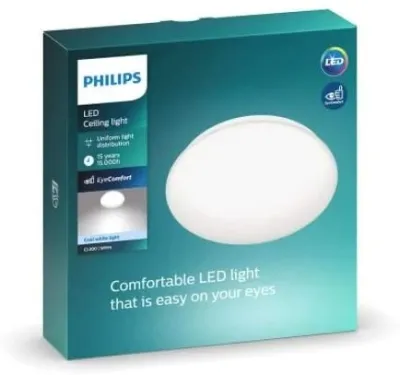
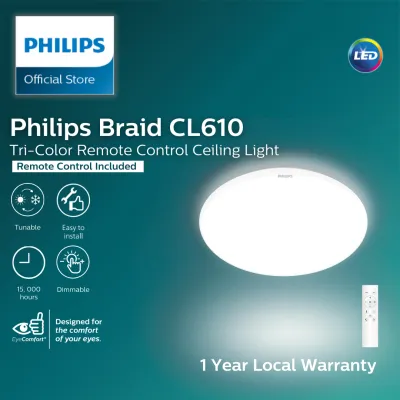
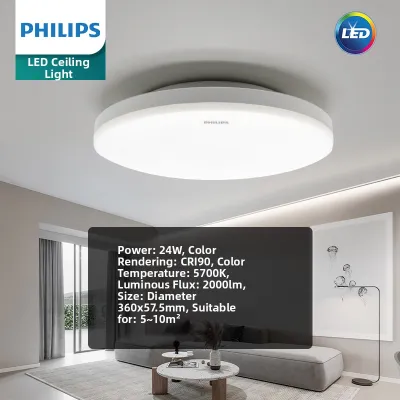
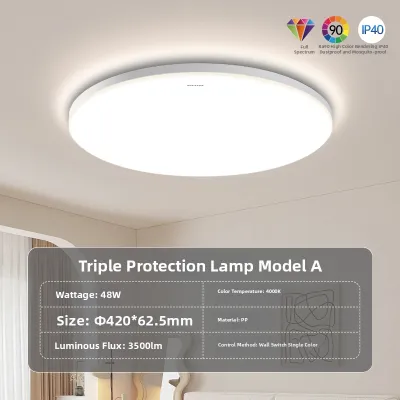
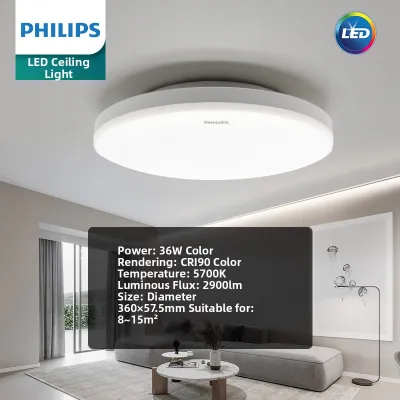
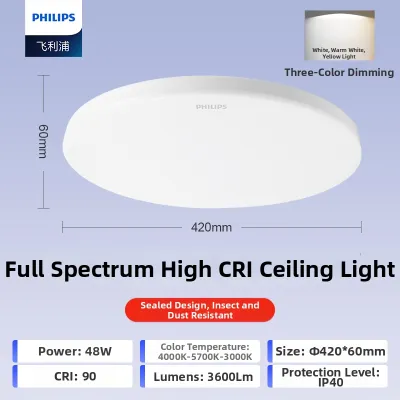
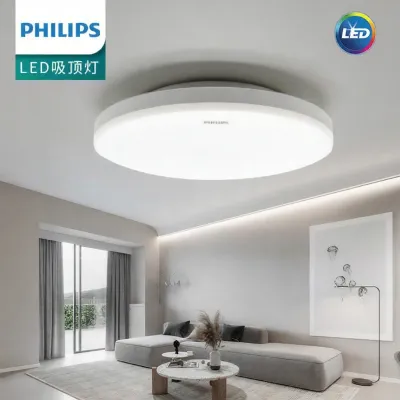
Prices are valid at publication and may change. Please refer to the product page for the latest price.
Installing massive, multi-tiered chandeliers, low-hanging pendant lights, or exposed-bulb fixtures in a 2.6-meter room creates immediate visual clutter. These fixtures draw the eyes downward, making the ceiling feel lower and the entire room more claustrophobic. Physically, low-hanging lights pose a hazard during daily activities, such as changing bedsheets, stretching, or lifting objects, and they can easily be struck accidentally.
In a low-clearance room, the light source is physically closer to the occupants’ eyes. Bulky or poorly diffused fixtures often project direct, intense light beams that cause severe glare and eye fatigue. Furthermore, fixtures with narrow beam angles can create a harsh spotlight effect on the floor while leaving the upper corners of the walls in deep shadow, a phenomenon known as the “cave effect” that makes a small room feel even more confined.
The objective is to achieve uniform, widespread, and glare-free illumination that visually expands the room. By utilizing slim, flush-mounted fixtures that sit tight against the concrete slab, you can bounce light off the ceiling and upper walls. This technique creates an illusion of height and openness, ensuring that every corner of a standard 3x3m bedroom or a 4x4m living room is adequately lit without sacrificing precious headroom.
What Makes a Philip Ceiling Light Ideal for Low Ceilings?
To select the perfect philip ceiling light for a low-ceiling environment, homeowners must evaluate several technical specifications beyond basic aesthetics. The brand’s focus on engineering compact, highly efficient LED modules makes their flush-mount fixtures particularly well-suited for HDB flats. However, choosing the right model requires matching the fixture’s physical profile, light output, and control mechanisms to the specific demands of a 2.6-meter clearance.

Profile and Thickness The physical depth of the light fixture is the most critical factor in preserving headroom. Standard flush-mount or ultra-slim Philips designs are engineered to keep their profile under 5 to 10 centimeters. By minimizing the distance the fixture protrudes from the concrete ceiling, these ultra-slim models blend seamlessly into the ceiling line. This minimalist architectural integration prevents the fixture from breaking the visual plane of the ceiling, making the room feel taller and more cohesive.
Brightness and Beam Angle Selecting the correct lumen output is essential to prevent over-illumination or dark spots in standard HDB spaces. For a typical HDB bedroom measuring roughly 9 to 12 square meters, a light output of 1,500 to 2,200 lumens is generally sufficient, while larger living rooms of 16 to 25 square meters may require 3,000 to 4,500 lumens, often split across multiple light sources. A wide beam angle—ideally 110 degrees or more—is crucial for low ceilings, as it ensures the light spreads horizontally across the space rather than focusing in a tight, intense cone.
Glare Control and Diffusers Because the light source sits closer to eye level in a 2.6-meter room, high-quality diffusion is non-negotiable. Philips address this challenge by incorporating specialized frosted acrylic or polycarbonate diffusers across their product lines. These covers are designed to scatter light evenly, eliminating harsh LED hotspots (the visible, bright points of individual LED chips) and reducing glare. This results in a soft, comfortable glow that is gentle on the eyes, even when looking directly toward the ceiling.
Smart and Dimming Capabilities Modern HDB flats often feature multi-functional spaces where a single room serves as a home office by day and a relaxation zone by night. Having a ceiling light with adjustable brightness and tunable color temperatures (ranging from warm white to cool daylight) allows you to adapt the environment instantly. Lowering the brightness and shifting to warmer tones in the evening helps prepare the body for sleep, while bright, cool light during the day enhances focus and productivity.
Recommended Philip Ceiling Light Series for Standard HDB Rooms
When shopping for a philip ceiling light in Singapore, homeowners will encounter several distinct product families designed to address different budgets, technical preferences, and aesthetic goals. It is vital to note that while these series offer excellent low-profile options, you must always verify the specific model dimensions, local voltage requirements (220V-240V, 50Hz), and exact thickness prior to purchase. Ensure the product carries the appropriate safety marks for electrical appliances in Singapore.
Philips Hue Flush-Mount and Smart Lighting
For tech-savvy HDB homeowners looking to build a fully integrated smart home ecosystem, the Philips Hue flush-mount ceiling light series represents the premium choice. Models such as the Hue Being, Hue Amaze, or Hue slim panel lights feature incredibly sleek, low-profile designs that mount close to the concrete ceiling. These fixtures are engineered with high-quality materials and advanced LED drivers, offering unparalleled control over your home’s lighting ambiance.
The primary advantage of the Philips Hue series lies in its advanced smart capabilities. Through the dedicated mobile application, users can seamlessly adjust brightness levels from 1% to 100% and tune color temperatures across millions of colors or shades of white (from a cozy 2200K warm white to a crisp 6500K cool daylight). Furthermore, these lights can be integrated with motion sensors, smart switches, and voice assistants like Google Assistant, Apple Home, or Amazon Alexa to automate your daily routines.
However, these premium features come with specific trade-offs. The Philips Hue series sits at a premium price point, with flush-mount fixtures often ranging from S$200 to over S$400, making it a substantial investment if you plan to outfit an entire flat. Additionally, to unlock the full suite of smart features—such as out-of-home control, advanced scheduling, and synchronization with entertainment systems—you will need to purchase a Philips Hue Bridge. Homeowners must also ensure they have a stable, high-speed home network to support the system.
Philips EyeComfort Ultra-Slim Series
If your priority is eye safety, simplicity, and a minimalist design, the Philips EyeComfort ultra-slim series is highly recommended. This product line, which includes popular low-profile models like the Philips Moire or Meson, is specifically engineered to reduce eye strain. Featuring ultra-thin bezels and shallow mounting depths, these fixtures sit almost flush with the ceiling, making them virtually invisible when turned off and incredibly neat when illuminated.
The standout feature of the EyeComfort series is its commitment to visual health. These lights are certified to meet strict laboratory standards for flicker, glare, stroboscopic effects, and color rendering. The uniform light distribution eliminates harsh shadows and minimizes the rapid light fluctuations that often cause headaches during long study or work sessions. This makes the EyeComfort line an exceptional choice for children’s bedrooms, home offices, or reading corners in HDB flats.
In terms of limitations, the standard EyeComfort models are designed for straightforward, fuss-free operation. These fixtures are highly accessible, typically priced in the budget-friendly range of S$30 to S$80, making them an economical choice. However, they generally rely on traditional wall switches for on/off control and do not feature built-in wireless smart connectivity or app-based dimming. While some models offer basic step-dimming or color-switching by toggling the physical wall switch, they cannot be integrated directly into complex smart home routines unless you install compatible external smart switches or dimming modules.
Philips SmartConnect Wi-Fi Ceiling Lights
For those who want the convenience of smart lighting without the high cost or complexity of a dedicated hub, the Philips SmartConnect Wi-Fi ceiling light series (often utilizing the WiZ smart platform) offers an ideal middle ground. These slim-profile fixtures are designed for modern HDB living, providing a wealth of smart features in a package that is easy to install and configure. Their low-profile design ensures they remain well within the safety clearance zone of a 2.6-meter ceiling.
The key benefit of the SmartConnect series is its direct-to-Wi-Fi connectivity. You do not need to purchase or configure an external bridge; the fixture connects directly to your home’s 2.4GHz Wi-Fi router. Once connected, you can use a smartphone app to adjust brightness, set schedules, and tune the color temperature from warm white to cool daylight. These lights also support basic voice control through major smart assistants, making hands-free adjustments simple and convenient.
On the downside, because these fixtures rely entirely on your home’s Wi-Fi network, their performance is directly tied to the strength and stability of your wireless router. If your HDB flat has thick concrete walls that degrade Wi-Fi signals, you may experience connectivity drops or delayed responses unless you install Wi-Fi extenders or a mesh network. Additionally, these lights represent a highly competitive mid-range option, generally retailing between S$80 and S$150, offering excellent smart functionality, though some models can be slightly bulkier in their housing compared to the premium, architectural-grade Philips Hue lines.
Pre-Purchase and Installation Checks for HDB Flats
Before purchasing your chosen philip ceiling light, conducting thorough pre-purchase and installation checks is vital to ensure structural safety, electrical compatibility, and compliance with Singapore’s local housing regulations. Because HDB flats feature solid concrete ceilings, installing new fixtures requires a different approach than working with plasterboard or false ceilings commonly found in private properties.
Electrical Box and Wiring Begin by inspecting the existing ceiling rose or terminal box in your HDB flat. You must verify that the base plate of the new Philips fixture is large enough to completely cover the existing mounting footprint and any paint scars left by the old light. Additionally, inspect the condition of the copper wiring; if the insulation is brittle, cracked, or discolored, it indicates aging that must be addressed. Ensure that the fixture’s rated wattage and current draw are fully compatible with your home’s electrical circuit limits.
Concrete Drilling and Weight Limits Because HDB ceiling slabs are made of high-density reinforced concrete, mounting a fixture requires drilling holes using a rotary hammer drill equipped with a masonry bit. You must exercise extreme caution to avoid drilling into concealed electrical conduits or structural rebars embedded within the concrete. Always use high-quality, heavy-duty plastic or metal wall plugs (anchors) that match the screw size of the fixture’s mounting bracket. Ensure the total weight of the ceiling light is well within the safe load-bearing capacity of these anchors to prevent any risk of the fixture falling.
Professional Installation Boundary Working with electrical wiring carries inherent risks of severe shock, short circuits, or electrical fires. Before starting any installation, you must isolate the power supply by turning off the corresponding miniature circuit breaker (MCB) at your flat’s main distribution board (DB box)—simply turning off the wall switch is not sufficient. If your installation involves running new wiring, creating new lighting points, replacing damaged cables, or if you encounter signs of spalling concrete (cracking or flaking concrete with exposed, rusty rebar), you must stop immediately. In Singapore, all complex electrical works and new wiring must be carried out by a licensed electrical worker (EMA-licensed electrician) to ensure compliance with safety standards and HDB regulations.
Frequently Asked Questions (FAQ)
Can I install a Philips ceiling light on an HDB concrete ceiling without hacking?
Yes, you can easily install a surface-mounted or flush-mount Philips ceiling light on an HDB concrete ceiling without any hacking, structural modifications, or the installation of a false ceiling. Standard flush-mount fixtures are specifically designed to be anchored directly onto the existing concrete slab. By utilizing the pre-existing ceiling electrical points provided in your HDB flat, the installation process simply involves drilling small holes for the mounting bracket, securing the wall plugs, connecting the wiring safely, and mounting the fixture. This clean, non-invasive method preserves your original ceiling height and avoids the high costs, dust, and regulatory approvals associated with hacking concrete or building false ceilings.
What is the best color temperature for a low-ceiling HDB bedroom?
For a low-ceiling HDB bedroom, the ideal color temperature is a warm white ranging from 2700K to 3000K. This warm spectrum creates a cozy, inviting, and relaxing atmosphere, which helps prevent a low 2.6-meter ceiling from feeling cold, sterile, or visually oppressive. However, because bedrooms are often multi-functional spaces used for dressing, grooming, or reading, choosing a Philips model with tunable white technology (such as the Hue or SmartConnect series) is highly recommended. This allows you to easily switch to a neutral or cool daylight setting (4000K to 6500K) during the day for tasks that require high visual acuity, and then transition back to a soft, warm glow in the evening to promote restful sleep.

Community discussion
Share your experience or ask a question. Comments are reviewed before publication.