
Standard Housing and Development Board (HDB) flats in Singapore present a unique architectural puzzle for interior lighting. With a standard ceiling height of 2.6 metres, every centimetre of vertical space counts. Choosing the wrong light fixture can instantly make a room feel cramped, cast awkward shadows, or even present a physical hazard for taller occupants. To maintain a spacious, airy feel while ensuring adequate illumination, the choice of fixture style is paramount.
For these 2.6-metre ceilings, low-profile flush mount and slim semi-flush mount designs are the most effective options. These configurations preserve valuable headroom, distribute light evenly across the horizontal plane, and prevent the visual clutter associated with low-hanging pendants. Selecting a high-quality philips led light ensures you benefit from advanced optical diffusers and energy-efficient performance, transforming a potentially restrictive layout into a bright, welcoming home.
Understanding Spatial Constraints in 2.6m HDB Ceilings
The 2.6-metre ceiling height is the standard baseline for modern HDB BTO flats and many resale units across Singapore. While this height is structurally sound and cost-effective, it limits the vertical volume of a room compared to private properties with loftier ceilings. When a ceiling sits at 2.6 metres, the physical and psychological perception of space becomes highly sensitive to the objects suspended from above. Large, protruding fixtures draw the eye downward, effectively lowering the perceived ceiling line and making the entire room feel compressed.
Products mentioned in this guide
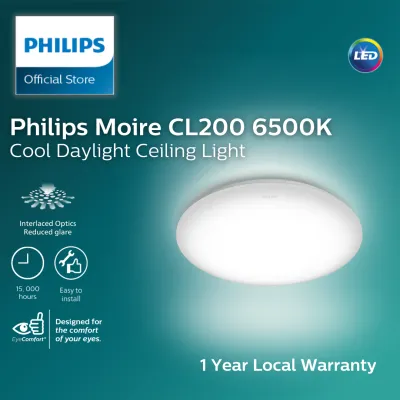
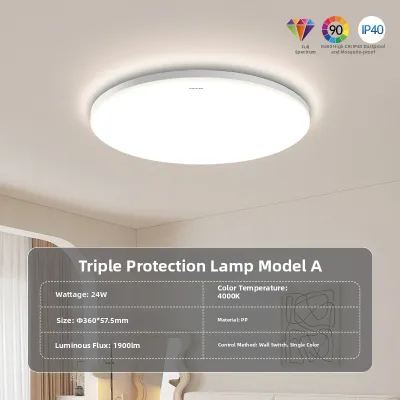
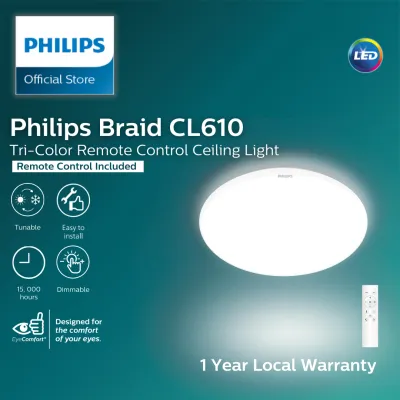
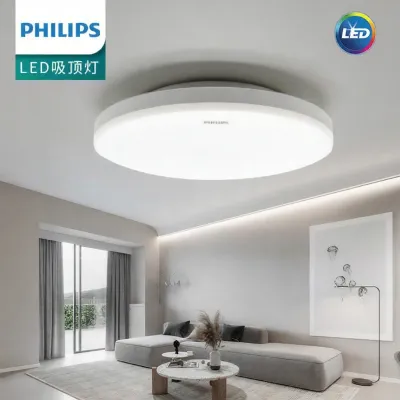
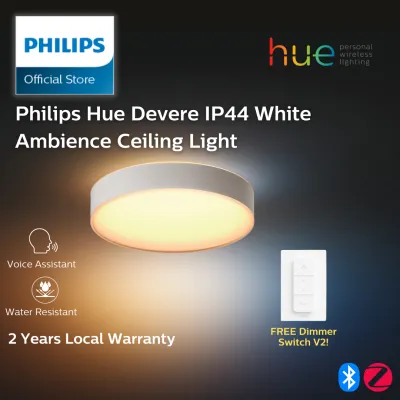
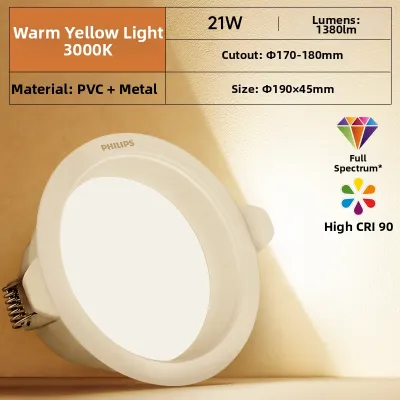
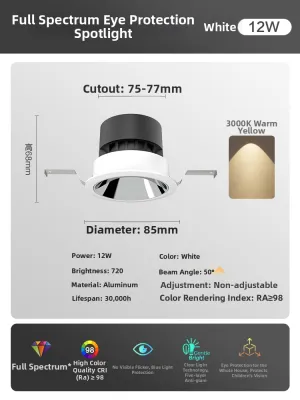
Prices are valid at publication and may change. Please refer to the product page for the latest price.
To maintain safety and comfort, homeowners should adhere to the standard clearance rule for low ceilings. This guideline dictates that there should be at least 2.1 to 2.2 metres of unobstructed headroom between the floor and the lowest point of any ceiling-mounted light fixture. In a 2.6-metre HDB flat, this leaves a maximum allowable fixture drop of 40 to 50 centimetres. However, utilizing the absolute maximum drop can still create visual obstruction, especially in high-traffic zones or areas where residents frequently move around, such as corridors and entryways.
Bulky or low-hanging lights do more than just physically restrict movement; they disrupt the visual flow of a room. A fixture that hangs too low breaks the continuous sightlines across the ceiling, chopping the space into smaller, disjointed segments. Furthermore, deep-profile fixtures tend to cast harsh shadows on the upper walls and the ceiling itself, creating a “cave effect” where the top half of the room remains dark while the bottom is starkly lit. This uneven light distribution reinforces the feeling of a low, heavy ceiling.
The core objective when planning your layout is to select fixtures that deliver high lumen output and wide light distribution while maintaining a highly streamlined visual profile. Philips LED ceiling lights are engineered with these exact constraints in mind. By utilizing slim profiles, advanced lens technologies, and integrated LED modules, these fixtures provide the necessary brightness to illuminate standard HDB rooms without encroaching on your physical or visual living space.
Flush Mount vs. Semi-Flush Mount: Choosing the Right Philips Profile
When browsing the Philips LED catalogue, you will primarily choose between flush mount and semi-flush mount configurations. Each profile offers distinct functional and aesthetic advantages, and understanding how they interact with a 2.6-metre ceiling is key to making the right purchase.

Flush Mount Designs for Maximum Headroom
Flush mount fixtures are designed to sit directly against the ceiling surface, leaving little to no gap between the light housing and the plasterboard or concrete. This ultra-low-profile design is the ultimate space-saving solution for HDB flats, as it maximizes vertical clearance and keeps the ceiling plane clean and unobstructed. By hugging the ceiling, flush mounts virtually disappear into the background when turned off, allowing other design elements in the room to take center stage.
These designs are highly recommended for specific zones within an HDB flat where space is at a premium or ceiling clearance is critical. Corridors, low-ceiling bedrooms, utility yards, and kitchens benefit immensely from flush mounts. In the kitchen, for instance, a flush mount ensures that cabinet doors can swing open freely without striking the fixture. For bathrooms, choosing an IP-rated (Ingress Protection) Philips flush mount ensures safety against moisture while keeping the small space feeling as open as possible.
Modern Philips LED flush mounts are engineered with advanced optical technologies, such as edge-lit panels or full-surface frosted diffusers. Instead of projecting a narrow beam downward, these diffusers spread light horizontally and vertically across a wide angle. This wide-angle distribution ensures that the entire room receives even, soft illumination, eliminating harsh glare and minimizing the dark, circular shadows that often plague older, traditional ceiling lights.
Semi-Flush Designs for Ambient Depth
Semi-flush mount fixtures feature a small stem or bracket that suspends the main light body slightly below the ceiling, typically creating a gap of 10 to 30 centimetres. While they do drop lower than flush mounts, they still respect the 2.1-metre safety clearance rule in a 2.6-metre HDB room. For example, a semi-flush light with a 20-centimetre drop leaves a comfortable 2.4 metres of headroom, which is more than sufficient for daily activities and standard furniture arrangements.
These fixtures are ideal for HDB living rooms and dining areas, where homeowners often want a touch of decorative flair without the impracticality of a full-scale chandelier. A semi-flush light acts as a subtle focal point, adding texture and depth to the ceiling plane. It bridges the gap between purely functional architectural lighting and decorative statement pieces, offering a more sophisticated look for communal gathering spaces.
One of the greatest advantages of semi-flush designs is their ability to provide ambient ceiling bounce. Because the light source sits slightly below the ceiling, some models are designed to cast a portion of their light upward or outward from the sides. This light washes the ceiling surface, softening the transition between the fixture and the surrounding space. This upward glow creates an optical illusion of height, making the ceiling appear higher than its actual 2.6 metres by eliminating dark overhead patches.
Sizing and Brightness Guidelines for HDB Rooms
Selecting the right style of Philips LED ceiling light is only half the battle; you must also ensure the fixture is correctly proportioned and sufficiently bright for the specific room it will occupy.
- Proportion and Diameter: Matching the physical size of the light fixture to the square footage of your room is essential for maintaining visual balance. For standard HDB bedrooms, studies, or enclosed kitchens (typically ranging from 9 to 12 square metres), a compact ceiling light with a diameter of 40 to 50 centimetres is ideal. A fixture of this size provides ample light without dominating the ceiling. In contrast, larger open-plan living and dining areas (which can span 20 to 30 square metres in 4-room or 5-room flats) require a more substantial presence. For these spaces, wider flush mounts with a diameter of 60 to 80 centimetres work beautifully, distributing light across a larger footprint without looking undersized or lost on the ceiling.
- Brightness (Lumens) over Wattage: In the era of energy-efficient LED technology, relying on wattage to estimate brightness is an outdated practice. Instead, you must look at the lumen (lm) rating, which measures the actual light output of the fixture. To avoid cluttering your 2.6-metre ceiling with multiple small fixtures or low-hanging pendants, select a single, high-output Philips LED light that matches the room's functional requirements. For high-activity zones like the living room or kitchen, aim for a total output of 3,000 to 4,000 lumens to ensure crisp, clear visibility. For bedrooms or study rooms where a softer atmosphere is preferred, an output of 1,500 to 2,500 lumens is generally sufficient.
- Beam Angle and Diffusers: The physics of lighting a low-ceiling room require a wide beam angle to prevent the "spotlight effect." Look for Philips fixtures that offer a beam angle of 110 degrees or wider. When combined with high-quality frosted or textured diffusers—such as those featured in Philips EyeComfort products—the light is gently scattered rather than focused in a harsh, downward cone. This wide, diffused throw minimizes dark corners and reduces shadows on the walls, making the entire volume of the room feel larger and more evenly illuminated.
Technical Specs and Installation Safety Checks
Before purchasing and installing any Philips LED ceiling light, you must verify several critical technical specifications and safety standards to ensure compatibility with Singaporean homes.
- Electrical Compatibility: Singapore’s domestic electrical grid operates at a standard voltage of 230V AC at a frequency of 50Hz. Always verify that the Philips LED light you purchase is rated for this voltage range. Additionally, look for the local SAFETY Mark certification on the product packaging, the fixture body, or the LED driver. The SAFETY Mark indicates that the electrical appliance has been tested and certified by designated authorities to meet Singapore's stringent safety standards, protecting your home from electrical faults, short circuits, or fire hazards.
- Color Temperature (CCT): The Correlated Color Temperature of your lighting dictates the mood and functionality of the space. Warm White (approx. 3000K) is excellent for creating a cozy, relaxing ambiance in bedrooms and dining areas. Cool White (approx. 4000K) provides a balanced, neutral light that is perfect for kitchens, study rooms, and general living spaces. Daylight (approx. 6500K) offers a bright, bluish-white light ideal for task-oriented areas like bathrooms or vanity setups. To maximize the utility of your HDB rooms, consider Philips models equipped with SceneSwitch technology, which allows you to toggle between different color temperatures using your existing wall switch, or smart Philips Hue or WiZ models that offer seamless dimming and color tuning.
- Installation Boundaries and Weight Limits: When installing or replacing any ceiling fixture, safety must be your top priority. Always isolate the electrical power at the main distribution board (DB box) before commencing any work. Check the condition of the existing HDB ceiling junction box; concrete ceilings in HDB flats offer excellent structural support, but the plastic or metal junction boxes can degrade over time. Ensure the mounting screws and wall plugs are rated to support the weight of the new fixture. For complex installations, new wiring runs, heavy decorative semi-flush mounts, or if you are unsure about the state of your electrical wiring, always hire a licensed electrical worker (LEW) or a qualified professional electrician to complete the work safely.
Common Lighting Mistakes in Low-Ceiling HDB Flats
Even with high-quality fixtures, poor planning can lead to unsatisfactory lighting outcomes. Avoid these common mistakes when designing the lighting layout for your 2.6-metre HDB ceiling.
- Mistake 1: Ignoring the Clearance Rule: The temptation to install a dramatic, multi-tiered chandelier or a series of low-hanging industrial pendants in the living room is common. However, in a 2.6-metre space, these fixtures violate the 2.1-metre headroom clearance. Not only do they create a physical hazard for taller family members and guests, but they also visually dominate the room, making the ceiling feel incredibly low and oppressive. Save the dramatic drops for dining tables where the fixture sits safely above a seated area, and stick to low-profile designs for open walkways.
- Mistake 2: Relying on a Single Central Light: Relying solely on one central ceiling fixture to illuminate an entire rectangular or L-shaped HDB room is a recipe for dark corners and harsh shadows. Because the light source is concentrated in the center, it cannot reach the edges of the room effectively, especially with a low ceiling height that limits the natural spread of the light. To resolve this, combine your main Philips LED ceiling light with supplementary, layered lighting. Consider adding slim track lights, wall sconces, or portable floor lamps to fill in the shadows and create a balanced, multi-dimensional lighting scheme.
- Mistake 3: Overlooking Ceiling Finish: The type of paint on your ceiling plays a significant role in how light is reflected throughout the room. Glossy or semi-gloss paints can create distracting glare points and highlight every minor imperfection, plaster joint, or unevenness in your HDB concrete ceiling when illuminated by a close-proximity LED light. For the best results with low-profile flush and semi-flush mounts, opt for a high-quality matte or flat white ceiling paint. This finish diffuses the reflected light softly, hiding surface imperfections and contributing to a brighter, more uniform distribution of light across the entire room.

Community discussion
Share your experience or ask a question. Comments are reviewed before publication.