
When selecting the best photo frame for wall displays in Singapore, your choice depends on whether you prioritize budget-friendly modular grids, bespoke custom craftsmanship, or premium design aesthetics. Mass-market brands like IKEA and MUJI offer highly accessible, lightweight options, while local custom framing studios provide preservation-grade materials tailored to Singapore’s humid climate. For high-end design, specialty home decor brands offer solid wood and metal finishes that elevate any interior.
To build a lasting gallery wall, you must balance aesthetic preferences with local structural realities. Singaporean homes—ranging from high-density HDB flats to modern condominiums—present specific environmental and structural challenges, from solid concrete walls to persistent tropical humidity. Choosing the right frame material, weight, and mounting hardware ensures your display remains secure, pristine, and visually striking for years to come.
What to Look for in Wall-Mounted Photo Frames
Selecting a photo frame for wall mounting in Singapore requires careful consideration of the local climate. The country’s high relative humidity, which regularly exceeds 80 percent, can quickly damage poorly constructed frames. Untreated wood and low-grade medium-density fiberboard (MDF) absorb moisture from the air, leading to warping, bowing, and mold growth behind the glass. To ensure longevity, look for frames made from moisture-resistant materials such as anodized aluminum, high-quality acrylic, or solid hardwoods like oak and teak that have been properly sealed with protective lacquers.
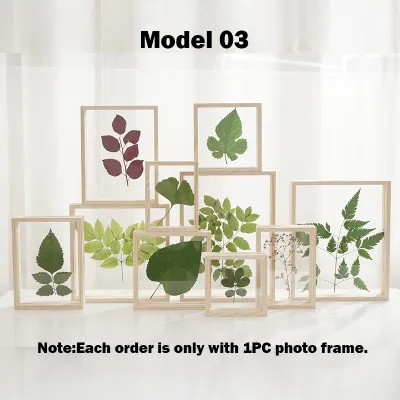
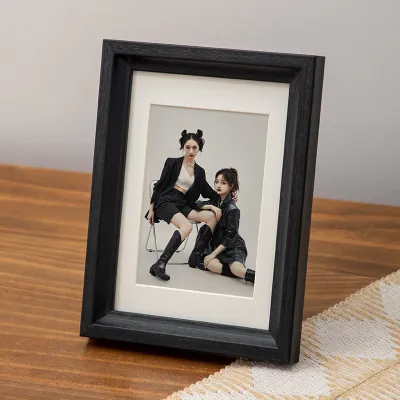
Products mentioned in this guide
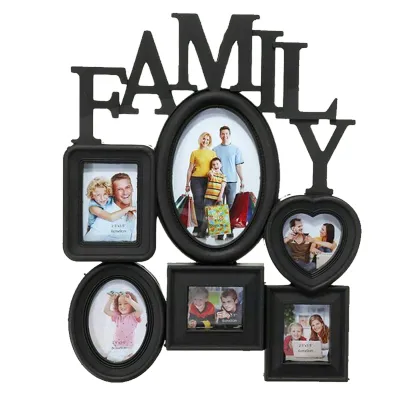
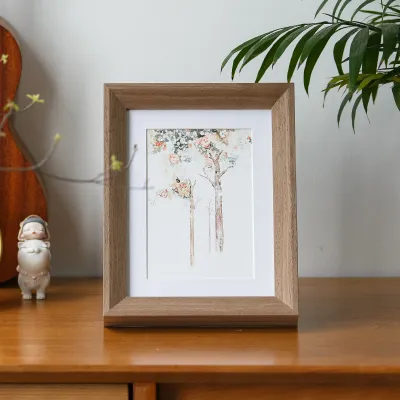
![[SG Stock] Wooden Picture Frame Wooden Photo Frame- Wall Art Poster Painting Hanging Stand Table Decor A3 A4 4R 5R](https://img.lazcdn.com/g/p/dbe873a1b973510e498244e54cebad2f.jpg_400x400q80.jpg_.webp)
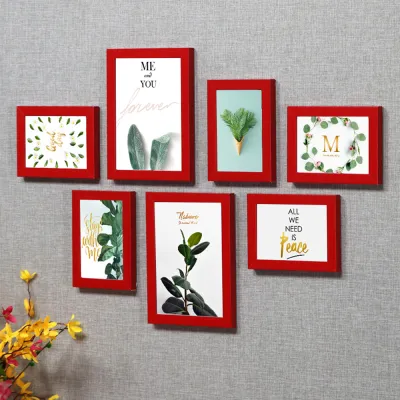
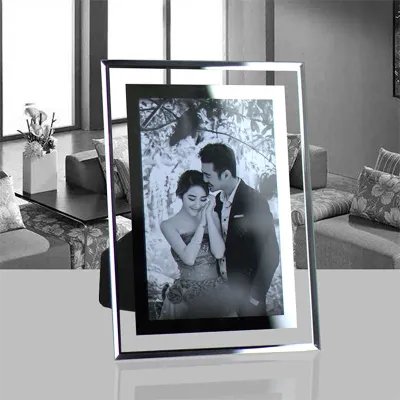

Prices are valid at publication and may change. Please refer to the product page for the latest price.
The depth and profile of a frame also play a critical role in the overall aesthetics of your home. Thinner, minimalist profiles with a depth of 1.5 to 2 centimeters are ideal for modern, compact HDB interiors, as they sit flush against the wall and do not crowd narrow corridors. Conversely, deeper profiles or shadow-box frames create a dramatic three-dimensional effect but project further into the room. These deeper frames are heavier and shift the center of gravity away from the wall, requiring more robust mounting solutions to prevent sagging over time.
Before purchasing any frame, you must inspect the pre-installed mounting hardware on the back. Many off-the-shelf frames come with basic sawtooth hangers, which are only suitable for lightweight, small-format frames on drywall. For larger formats or displays on concrete walls, look for frames equipped with heavy-duty D-rings or steel hanging wire. These systems distribute the frame’s weight more evenly and allow for micro-adjustments during the alignment process, reducing the risk of a crooked display.
Finally, pay close attention to the glazing material used in the frame. Standard float glass is heavy and highly reflective, which can catch the glare of indoor lighting or natural sunlight from large windows. Acrylic glazing (often called plexiglass) is a lightweight, shatterproof alternative that significantly reduces the load on your wall anchors. If you are framing valuable artwork, original prints, or cherished family photographs, consider upgrading to UV-filtering acrylic or museum-grade glass to prevent yellowing and fading.
Recommended Photo Frame Brand Categories for Wall Display
Mass-Market Home Furnishing Brands
Mass-market retailers like IKEA and MUJI are highly popular in Singapore for their affordability, accessibility, and lightweight designs. IKEA’s iconic frame series, such as the RIBBA, LOMVIKEN, and YLLEVAD lines, are staple choices for creating large gallery walls on a budget. These frames often utilize lightweight fiberboard or aluminum paired with polystyrene plastic fronts instead of heavy glass, making them exceptionally easy to hang. MUJI’s minimalist acrylic photo frames offer a sleek, floating aesthetic that complements clean, contemporary spaces.

While mass-market frames are excellent for standard print sizes (such as A4, 30×40 cm, or 50×70 cm), they do have distinct limitations. The backing boards are often made of basic cardboard or unsealed MDF, which can warp in humid environments if placed in poorly ventilated rooms. Additionally, the included hardware is rudimentary, and finding frames for non-standard or panoramic prints is virtually impossible without custom matting.
Local Custom Framing Studios
For high-value artwork, family heirlooms, or non-standard print dimensions, local custom framing studios across Singapore offer unmatched quality and expertise. Renowned framing shops, such as those found in Bras Basah Complex or independent framing ateliers in Queenstown, provide bespoke services tailored to your exact specifications. These professionals use conservation-grade materials, including acid-free matboards, lignin-free backing, and specialized UV-blocking glass, which protect your prints from chemical degradation and environmental damage.
Custom framing allows you to select the exact wood species, frame profile, and matboard width to match your interior decor perfectly. The main trade-offs of this route are cost and time. Custom framing is a premium service, with prices reflecting the skilled manual labor and high-quality materials involved. Production can also take anywhere from several days to a few weeks, making it less suitable for quick, spontaneous decor updates.
Specialty Decor and Art Brands
If you want a premium look without the high cost of custom framing, specialty home decor and art brands offer an excellent middle ground. Brands like Crate & Barrel, Castlery, and various independent design boutiques in Singapore carry curated collections of high-end, ready-made frames. These products often feature premium materials such as solid oak, walnut, polished brass, and dual-mat configurations that instantly elevate the visual weight of your photographs.
Because these frames prioritize premium aesthetics, they are often significantly heavier than mass-market alternatives. A solid oak frame with thick float glass requires careful handling and robust wall anchors. When purchasing from specialty decor brands, always verify the weight specifications of the frame and ensure your walls and mounting hardware can safely support the load.
| Brand Category | Typical Price Range | Customization Level | Frame Weight | Best Wall Type Suitability |
|---|---|---|---|---|
| Mass-Market Brands (e.g., IKEA, MUJI) | Budget-friendly (S$5 – S$40) | Low (Standard sizes only) | Very Lightweight to Light | Drywall, Partition Walls, and Brick |
| Local Custom Framing (Bespoke Studios) | Premium (S$100 – S$500+) | Extremely High (Fully bespoke) | Moderate to Heavy (Varies by material) | Reinforced Concrete, Solid Brick |
| Specialty Decor Brands (Premium Retailers) | Mid-to-High (S$50 – S$150) | Medium (Select curated sizes) | Moderate to Heavy | Concrete, Stud-backed Drywall |
How to Safely Mount Frames on HDB and Condo Walls
HDB Concrete and Brick Walls
Most structural walls in Singaporean HDB flats and condominiums are constructed from reinforced concrete or solid brick. While these walls are exceptionally strong and can support heavy, oversized gallery frames, they require mechanical fastening for secure mounting. You cannot drive a standard nail into a concrete wall; doing so will only bend the nail and damage your plaster.
To mount a frame securely on concrete, you must use a rotary hammer drill equipped with a masonry drill bit. Drill a hole to the depth of your wall plug, clear out the concrete dust, tap the plastic wall plug flush with the wall surface, and insert a heavy-duty screw. This mechanical anchor provides a rock-solid foundation that can easily support large solid-wood frames, heavy glass glazing, and multi-piece layouts without any risk of falling.
Drywall and Partition Walls
Drywall and plasterboard partition walls are commonly used to divide bedrooms, studies, or walk-in wardrobes in newer Singaporean apartments. These walls are hollow and lack the structural strength of concrete, meaning standard screws will easily pull out under load. Never hang a heavy frame directly onto unsupported drywall.
To mount frames safely on drywall, you must use specialized drywall anchors, such as threaded easy-anchors or heavy-duty toggle bolts. Toggle bolts expand behind the drywall sheet, distributing the weight across a larger surface area. For lightweight frames, such as thin aluminum or acrylic photo frames, standard self-drilling plastic anchors are sufficient. For heavier frames, try to locate the wooden or metal studs behind the drywall using a stud finder and screw directly into them.
Renter-Friendly and Non-Damaging Options
If you are renting your home or prefer not to drill holes, adhesive hanging strips (such as 3M Command strips) are a popular alternative. However, Singapore’s tropical climate introduces specific risks for adhesive products. High humidity and temperature fluctuations can weaken the adhesive bond over time, potentially causing frames to fall unexpectedly.
If you choose to use adhesive strips, you must follow the application instructions meticulously. Clean the wall surface thoroughly with isopropyl rubbing alcohol to remove any oils, press the strips firmly for at least 30 seconds, and wait a full hour for the bond to cure before hanging the frame. Strictly adhere to the manufacturer’s weight limits, and never use adhesive strips for heavy wooden frames, valuable artwork, or frames positioned directly above beds or seating areas.
Designing a Cohesive Photo Wall Gallery
Creating a visually balanced photo wall gallery requires careful planning before you make any permanent marks on your wall. Begin by measuring the available wall space and identifying the primary focal point of the room. In a living room, this is typically the space centered directly above a sofa or a console table. For hallways or staircases, the focal point should align with average eye level, which is approximately 145 centimeters from the floor to the center of the display.
Consistency is the secret to a professional-looking gallery wall. Establish a uniform spacing guideline between your frames to maintain visual cohesion; a gap of 5 to 8 centimeters is generally recommended. If the frames are placed too far apart, the collection will look disconnected; if they are too close, the display will feel cluttered and overwhelming. Keep this spacing consistent across both horizontal and vertical gaps.
To avoid turning your wall into a testing ground for drill holes, use the paper template method. Trace the outline of each photo frame onto sheets of kraft paper or newspaper, and cut them out. Label each paper template with the corresponding photo and mark the exact position of the hanging bracket. Use painter’s tape to arrange and rearrange these paper templates on your wall until you achieve a balanced, pleasing layout. Once satisfied, you can drill or mount directly through the marked hanging points on the paper.
When designing your layout, do not hesitate to mix different frame sizes and orientations. A combination of portrait and landscape frames adds dynamic visual interest to your home. To prevent the layout from looking chaotic, anchor the design along a central horizontal axis or align the outer edges of the frames to form a clean, structured boundary. Mixing materials—such as combining thin black metal frames with natural oak frames—can also work beautifully if you maintain a consistent matboard color to tie the elements together.
Frequently Asked Questions (FAQ)
How do I protect framed photos from fading in direct sunlight?
To protect your framed photographs from fading under Singapore’s intense tropical sunlight, you should avoid hanging your gallery wall directly opposite large, unshaded windows that receive harsh afternoon sun. Additionally, choose frames equipped with UV-filtering acrylic or conservation-grade glass, which blocks up to 99 percent of harmful ultraviolet rays. If you are using standard glass frames, consider applying a UV-protective film to your windows or printing your photos on archival-quality papers using pigment-based inks, which are significantly more resistant to fading than standard dye-based prints.
Are adhesive hanging strips safe for heavy wooden frames on painted walls?
No, adhesive hanging strips are not safe for heavy wooden frames on painted walls, especially in Singapore’s humid climate. Heavy frames exert constant downward shear stress that can exceed the holding power of the adhesive, leading to sudden failure that can damage both your frame and your wall plaster. Furthermore, high humidity can cause the paint layer to separate from the underlying concrete or drywall, causing the frame to fall along with a patch of peeled paint. For any frame weighing more than a few kilograms, you should always use mechanical fasteners, such as wall plugs and screws, to ensure absolute safety and stability.
Community discussion
Share your experience or ask a question. Comments are reviewed before publication.