
To find the best quality frames for pictures for wall displays in Singapore, you must match your specific display goals with the right class of brand. For standard minimalist layouts, retailers like IKEA and MUJI offer lightweight, functional frames. For decorative accent pieces, lifestyle brands such as H&M Home and Typo provide distinct textures and styles. For high-value artwork, delicate photographs, or non-standard sizes, local professional custom framing studios deliver the highest level of archival preservation and structural integrity.
Wall displays in Singapore require careful planning due to local architectural realities, such as concrete walls, and climate factors like high humidity. Choosing the right frame involves evaluating material weight, glazing specifications, and mounting hardware to ensure your memories or artwork remain safely secured and preserved over time. By understanding these technical and material differences, you can make an informed choice that balances cost, aesthetics, and long-term durability.
Key Features to Look for in Wall-Mounted Photo Frames
Frame Material and Weight
Different materials impact structural choices and determine how a frame behaves on your wall. Solid wood offers classic durability and aesthetic warmth but is significantly heavier, requiring more robust wall anchors to stay secure. Metal frames, particularly those made of extruded aluminum, provide excellent structural rigidity with minimal weight, making them ideal for larger displays or minimalist designs. Medium-density fiberboard (MDF) and engineered wood composites are highly accessible and offer uniform dimensions, though they can be heavy and are susceptible to swelling if exposed to extreme moisture.
Products mentioned in this guide
![SG Stock [Super Offer] Wooden Photo Frame Picture Frame 4R 5R 6R 8R A4 Frame Table Wall Display Photo Frame for Home Office Art Display Christmas Gift Teachers Day Gift](https://img.lazcdn.com/g/p/bb9e605bbbce2ca17e8b17e2edb1a478.jpg_400x400q80.jpg_.webp)
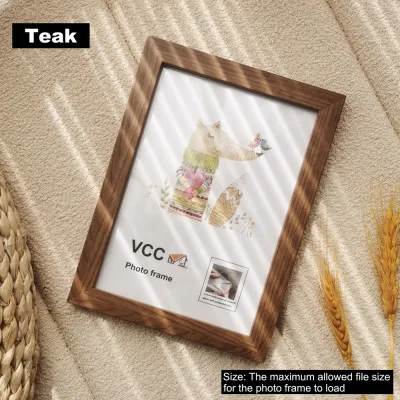
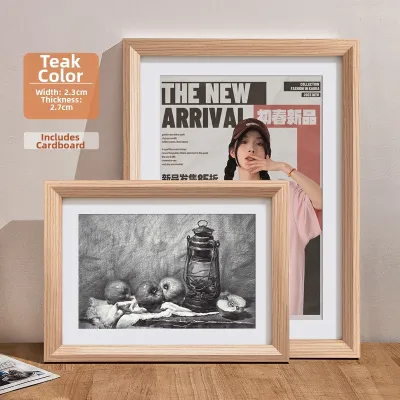

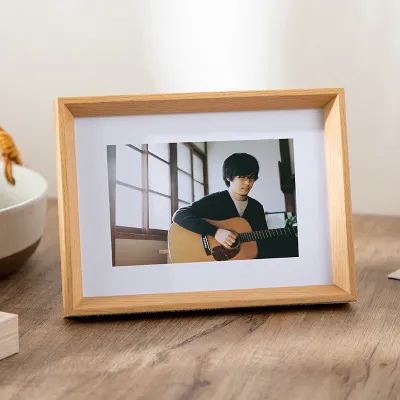
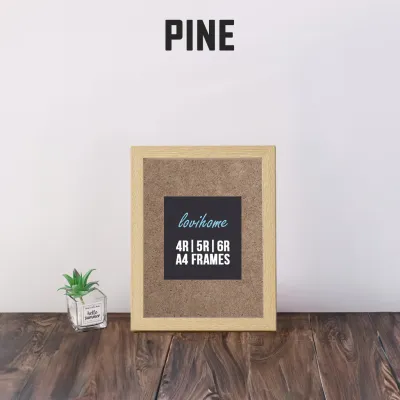
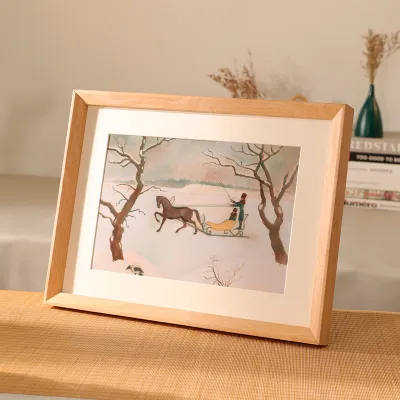

Prices are valid at publication and may change. Please refer to the product page for the latest price.
Before purchasing any frame for wall mounting, always check the manufacturer’s specified weight. A heavier frame exerts constant downward shear force on your wall hanging hardware. Knowing the exact weight allows you to select the appropriate wall plugs, hooks, or adhesive strips, preventing catastrophic falls that could damage both the frame and your wall surface.
Glazing Options
Glazing protects the enclosed print from dust, physical contact, and environmental pollutants. Standard float glass is a classic, scratch-resistant choice that offers excellent clarity, but it is heavy and fragile, posing a safety risk if a frame falls. Shatter-resistant acrylic (often referred to as plexiglass) is much lighter and safer for high-traffic areas or children’s rooms, though it scratches more easily and can static-attract dust.
Do not assume a glazing material provides specialized protection simply based on its category. If you are displaying valuable prints, check the product specifications or labels explicitly for UV-blocking capabilities. Standard glass and basic acrylic allow ultraviolet light to pass through, which gradually degrades pigments and yellows paper. For bright spaces, look for anti-reflective or anti-glare coatings that minimize distracting reflections without compromising image sharpness.
Backing and Hardware
The backing board keeps your artwork flat and pressed firmly against the glazing. High-quality frames utilize dense MDF or rigid plastic backing boards that resist warping over time. In contrast, cheap corrugated cardboard backings can bow, absorb moisture from the air, and transfer acidic compounds to your photographs, causing premature deterioration.
Examine the pre-installed hanging hardware on the back of the frame. Small, flexible tabs or basic sawtooth hangers are acceptable for lightweight, small-format frames. For larger or heavier frames, look for robust D-rings or heavy-duty hanging wire securely screwed into the frame’s sides. These mechanisms distribute the frame’s weight more evenly across the hanging points and allow for precise leveling on the wall.
Reliable Photo Frame Brands and Retailers to Consider in Singapore
Finding the ideal frames for pictures in Singapore involves navigating a variety of retail options, from global lifestyle chains to specialized local workshops. Because product collections, seasonal stock, and specific dimensions change over time, it is highly recommended to verify current availability, exact measurements, and included hardware via official brand websites or by visiting physical showrooms across Singapore.

To help you navigate these choices, we have categorized the leading options into three distinct types: minimalist and functional brands, lifestyle and decor-focused retailers, and professional custom framing studios. Each category serves a specific aesthetic preference, budget, and preservation requirement.
Minimalist and Functional Brands
For clean lines, predictable sizing, and highly functional designs, global retailers like MUJI and IKEA are the primary options in Singapore. MUJI is highly regarded for its ultra-minimalist aesthetic, featuring clean acrylic stand frames and simple aluminum or wood borders that let the photograph remain the absolute focal point. IKEA offers an extensive range of highly standardized frames, such as their popular Ribba or Lomviken series, which utilize lightweight materials like aluminum, plastic, and fiberboard to keep prices accessible and installation straightforward.
These functional brands are exceptional for creating large gallery walls where you need multiple matching frames in uniform sizes. Because these frames are engineered to be lightweight, they are particularly well-suited for rented apartments in Singapore, where drilling deep holes into concrete walls may be restricted or discouraged. Their standardized dimensions also make it incredibly easy to swap out standard snapshot prints or standard poster sizes without needing custom-cut mats.
While these frames offer excellent value, their included mounting hardware is often basic. The backing boards are frequently made of thin composite wood or cardboard, and the included hanging tabs may require upgrading for long-term security. Always inspect the backing board quality before mounting, and ensure that the wall plugs or hooks you use are rated for the frame’s weight and compatible with your specific wall material, rather than relying solely on the basic hardware included in the retail packaging.
Lifestyle and Decor-Focused Brands
If your goal is to make a bold design statement, lifestyle and home decor retailers like H&M Home and Typo offer a diverse array of stylized frames. These brands focus heavily on trendy textures, metallic finishes, and unique materials. You will find frames crafted with ornate molded resin, polished brass-toned metals, colored natural woods, and even inlaid bone or glass details that serve as decorative art pieces in their own right.
These decorative frames excel as standalone accent pieces on console tables, styled shelving units, or as focal points on smaller accent walls. They are perfect for displaying cherished family portraits, travel mementos, or artistic postcards where the frame itself contributes directly to the room’s overall interior design theme. They also make excellent, visually appealing gifts due to their distinct styling.
It is important to note that lifestyle retailers often prioritize visual appeal over archival-grade preservation. The materials used in these frames may not be acid-free, and the glazing rarely features certified UV protection. Additionally, ornate designs—especially those featuring heavy resin or metal casting—can be deceptively heavy. Always check the total weight of the frame and ensure you use robust wall anchors rather than relying on temporary adhesive solutions.
Custom and Professional Framing Studios
When dealing with valuable artwork, original paintings, delicate historical photographs, or non-standard dimensions, local custom framing studios in Singapore provide the ultimate solution. These specialized workshops offer tailored consulting, allowing you to select from hundreds of premium wood or metal mouldings, acid-free mats, and specialized conservation glazing. Experienced local framers understand how to assemble a frame package that fully seals and protects your investment.
Custom framing is highly recommended for valuable or irreplaceable items, such as original artwork, graduation certificates, heirloom photographs, or fabric pieces like silks and jerseys. If your item has non-standard dimensions that do not fit into standard retail frames, a professional studio can construct a frame to the exact millimeter, ensuring a flawless presentation and preventing damage from forced fitting.
The primary trade-offs of custom framing are higher costs and longer production lead times. Because each frame is handmade to order, you should expect to invest more compared to mass-produced retail alternatives. When visiting a studio, consult the framer directly about conservation-grade materials, such as acid-free backing boards and UV-filtering museum glass, to ensure your piece is fully protected against fading and environmental degradation.
Safe Installation and Maintenance for Wall Displays
Matching Hardware to Wall Types
Properly mounting your frames is critical to preventing damage to your walls and your framed items. In Singapore, many residential walls—especially in HDB flats and condominiums—are constructed of solid concrete or structural masonry. Mounting frames on these hard surfaces requires a hammer drill, masonry drill bits, and appropriate plastic wall plugs (anchors) paired with matching screws. Attempting to drive standard nails or cheap plastic hooks directly into concrete will result in cracked plaster and loose, unsafe mounts.
If you are mounting frames on drywall partitions, which are common in newer office spaces or renovated home interiors, you must use specialized drywall anchors (such as toggle bolts or self-drilling threaded anchors) that expand behind the plasterboard. Never hang a heavy frame directly on drywall without securing it to a wall stud or using a rated drywall anchor. If you are unsure about the load-bearing capacity of your walls, or if you are uncomfortable drilling, always consult a qualified professional installer or your building management office to ensure structural safety.
Renter-Friendly Alternatives
For renters or those who prefer not to drill holes, high-quality adhesive hanging strips can be an effective alternative for lightweight frames. However, successful installation depends entirely on strict adherence to the manufacturer’s instructions. You must thoroughly clean the wall surface with isopropyl rubbing alcohol to remove dust and oils, and allow it to dry completely before applying the adhesive.
Always check the weight limit specified by the adhesive manufacturer and ensure your frame falls well within those boundaries. Do not use adhesive strips on heavily textured walls, delicate wallpaper, or frames with fabric or uneven backings. To prevent unexpected falls, avoid using adhesive solutions for heavy, valuable, or fragile frames, as temperature and humidity fluctuations can weaken the adhesive bond over time.
Climate and Environmental Care
Singapore’s tropical climate features consistently high humidity and intense sunlight, both of which pose significant risks to framed wall displays. High humidity can trap moisture inside the frame, leading to mold growth, paper warping, and the sticking of photographs directly to the glazing. To mitigate this, ensure your rooms are well-ventilated, and avoid hanging frames in damp areas or directly in the path of air conditioning vents where condensation can form.
Direct, harsh sunlight will rapidly fade printed images and yellow paper mats. Position your wall displays away from windows that receive direct afternoon sun. When cleaning your frames, follow the specific care instructions provided on the product label. Generally, use a dry or slightly damp microfiber cloth to dust the frames, and avoid spraying liquid cleaners directly onto the glass or acrylic, as liquid can seep under the edges and ruin the enclosed artwork.
Frequently Asked Questions (FAQ)
How do I prevent my photo frames from fading in Singapore's climate?
To protect your framed photographs from fading, keep them out of direct sunlight and highly bright areas of your home. When purchasing frames, check the manufacturer’s specifications for UV-filtering glazing, which blocks a significant portion of harmful ultraviolet rays. Additionally, ensure the frame backing is tightly sealed to minimize moisture ingress, and consider using archival-grade, acid-free mats to create a protective air gap between the photo and the glass.
What is the best way to hang heavy frames on concrete walls?
Hanging heavy frames on concrete walls requires robust masonry wall plugs and steel screws. First, weigh your fully assembled frame to determine the load requirements. Use a hammer drill with a masonry bit to drill a hole of the correct depth and diameter, insert the plastic wall plug until it is flush with the wall, and secure the screw, leaving a small portion protruding to catch the frame’s hanging wire or D-rings. For exceptionally heavy, large, or valuable pieces, consult a professional installation service to guarantee structural safety and prevent accidental falls.
Can I use adhesive command strips for all types of photo frames?
No, adhesive hanging strips are not suitable for all photo frames. They are designed strictly for lightweight frames with flat, smooth backing surfaces that allow for complete adhesive contact. You must strictly follow the strip manufacturer’s weight limits and surface preparation guidelines. Avoid using adhesive strips on heavy frames, frames with delicate or textured backings (like velvet or raw wood), or valuable artwork where a fall could cause irreversible damage.
Community discussion
Share your experience or ask a question. Comments are reviewed before publication.