
Selecting the right photo frame in Singapore involves balancing aesthetic appeal with structural durability and long-term preservation, especially given the challenges of a highly humid tropical climate. For a wall display to remain secure and visually striking over years of display, you must match the frame’s construction, glazing, and mounting hardware to both the value of the artwork and the specific wall type of your home. The best photo frame brands and sources in Singapore generally fall into three distinct categories: professional custom framers for high-value or non-standard pieces, premium home decor brands for curated gallery walls, and accessible minimalist retailers for everyday, lightweight displays.
By understanding the structural and material differences between these options, you can make an informed decision that protects your photographs, prints, or heirlooms while ensuring a safe, long-lasting installation. Whether you are decorating a newly renovated HDB flat, a contemporary condominium, or a landed property, choosing the correct framing solution requires evaluating key material specifications and installation requirements.
Key Criteria for Choosing High-Quality Wall Photo Frames
Before exploring specific brands and retail channels in Singapore, it is essential to understand the technical components of a high-quality photo frame. The materials used in glazing, matting, backing, and frame construction directly impact both the visual presentation of your display and the long-term preservation of your prints.
Products mentioned in this guide
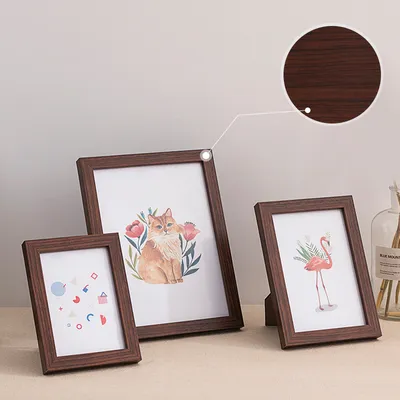
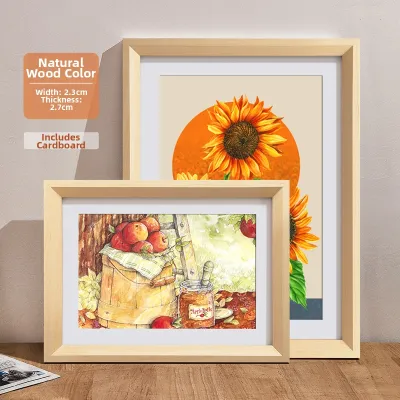
![[SG Stock] Wooden Picture Frame Wooden Photo Frame- Wall Art Poster Painting Hanging Stand Table Decor A3 A4 4R 5R](https://img.lazcdn.com/g/p/7e82d3ea8ef383b11bfd2b9f17d6a169.jpg_400x400q80.jpg_.webp)
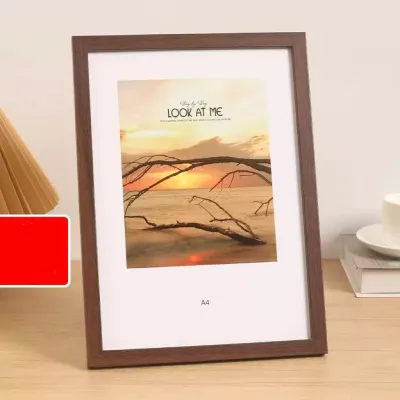
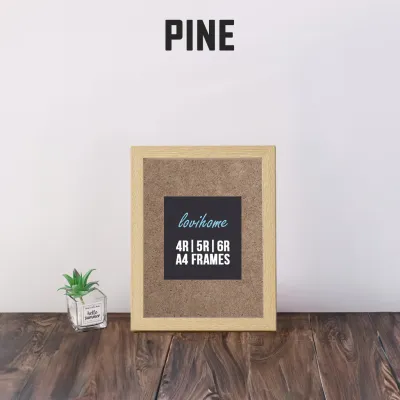
![[SG Stock]4R/5R/6R/A4 Wooden Photo Frame Picture Frame Wood White Black Simple Picture Frame Birthday Gift present Christmas gift](https://img.lazcdn.com/g/p/18a672b2ee155101dfd5e3af7b150d07.jpg_400x400q80.jpg_.webp)
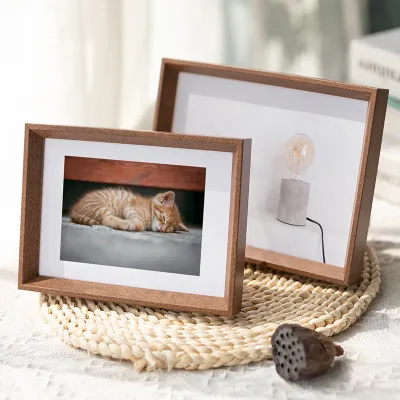
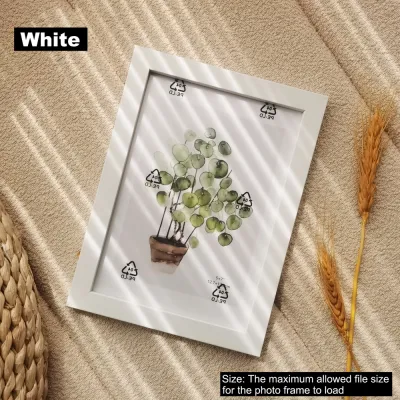
Prices are valid at publication and may change. Please refer to the product page for the latest price.
Glazing Options: Glass vs. Acrylic
Glazing serves as the protective barrier between your image and the environment. Traditional glass is highly scratch-resistant and provides excellent clarity, but it is heavy and brittle. For large-scale wall displays, the weight of glass frames requires robust wall anchors and presents a safety hazard if dropped. Acrylic (often referred to as plexiglass) is a lightweight, shatter-resistant alternative that is highly recommended for large frames, high-traffic areas, or children’s rooms. When selecting acrylic, look for options with UV-filtering properties. UV radiation from natural sunlight and indoor lighting can cause colors to fade and paper to degrade; UV-protective glazing blocks a significant portion of these harmful rays, preserving the vibrancy of your prints.
Matting and Backing in Humid Climates
Singapore’s high relative humidity poses a constant threat to framed paper items. Standard paper mats and cardboard backings contain acid and lignin, which react with moisture to cause “foxing” (brown spots) and yellowing on your photographs. To protect your prints, ensure the frame uses acid-free and lignin-free mat boards and backing materials. A proper mat board also creates a crucial air gap between the print and the glazing. If a photograph directly touches the glass or acrylic in a humid environment, condensation can cause the emulsion to stick to the glazing, permanently ruining the image.
Frame Construction and Joinery
The frame itself must have the structural integrity to support its own weight and the glazing without warping. Solid wood frames (such as oak, ash, or walnut) and metal frames (such as aluminum) offer the highest durability and structural rigidity. Medium-density fiberboard (MDF) and polystyrene (plastic) composites are common in budget-friendly options; while lightweight, they are more susceptible to bowing under heavy loads or warping in humid conditions. Examine the corners of the frame closely: high-quality joinery features seamless, glued, and reinforced corners (often with v-nails or splines), whereas lower-end frames may rely solely on visible staples or thin plastic corner brackets that can separate over time.
Hanging Hardware and Weight Ratings
The method by which a photo frame attaches to the wall is critical for safety. Look for frames equipped with secure hanging hardware, such as D-rings or heavy-duty sawtooth hangers screwed directly into the frame’s style. Wire hanging systems are common and allow for easy leveling, but they must be rated for the total weight of the frame and glazing. Avoid relying on weak, press-fit metal tabs or adhesive strips for heavy or glass-fronted frames, as these can fail under tension, leading to damaged walls and shattered glass. Always check the manufacturer’s packaging for weight limits and structural recommendations before hanging.
Professional Custom Framers for Art and Heirlooms
For items of significant sentimental or financial value, standard ready-made frames often fall short. Professional custom framing services in Singapore provide the specialized expertise and conservation-grade materials required to preserve delicate, valuable, or uniquely shaped pieces.

Target Audience and Conservation Use Cases
Bespoke framing is the ideal choice for fine art prints, original paintings, historical documents, certificates, vintage photographs, and three-dimensional memorabilia (such as sports jerseys or medals). If your item has non-standard dimensions, a custom framer can construct a frame to the exact millimeter, eliminating the need to force the artwork into an ill-fitting pre-made size. More importantly, custom framers utilize museum-grade conservation techniques, including reversible mounting methods, acid-free barrier papers, and museum-quality glass that minimizes reflections while filtering out up to 99% of UV light.
Established Local Custom Framing Ateliers
Singapore hosts several highly regarded custom framing workshops where experienced artisans guide you through the design and material selection process. Ateliers such as The Frame Story and Art of Framing are excellent examples of local establishments that cater to collectors, artists, and homeowners seeking high-end finishes. These workshops maintain a vast inventory of wood and metal mouldings, ranging from classic gilded designs to ultra-minimalist raw wood profiles, allowing you to customize every detail to match your interior decor.
The Custom Consultation Process
When visiting a professional framer, you will undergo a detailed consultation. The framer will assess the condition of your artwork, recommend appropriate mounting techniques (such as hinge mounting or dry mounting), and help you select mat colors and frame profiles that complement the piece. You will have access to specialized glazing options, such as anti-reflective water-white glass or conservation-grade acrylic, which drastically reduce glare and improve visual clarity. The resulting product is a fully sealed, structurally sound, and archival-safe display designed to last for generations.
Limitations and Practical Considerations
While custom framing offers unparalleled quality and customization, it comes with specific trade-offs. The highly personalized labor and archival-grade materials result in a significantly higher price point compared to ready-made frames. Additionally, custom framing requires longer lead times—often ranging from one to several weeks—and typically necessitates a physical visit to the studio with your artwork to ensure precise measurements and material matching. Consequently, this route is not suitable for quick, budget-conscious projects or bulk framing of standard-sized prints.
Premium Home Decor Brands for Curated Gallery Walls
If you want to create a stylish, cohesive gallery wall using standard-sized art prints or photography, premium home decor and lifestyle brands offer an excellent middle ground. These retailers provide high-quality, ready-made frames that prioritize contemporary design and elevated aesthetics.
Target Audience and Design-Forward Scenarios
Premium home decor frames are designed for homeowners who want to achieve a curated, professional look without the expense or timeline of custom framing. They are ideal for displaying standard-sized art prints, travel photography, and modern illustrations. These brands curate their collections to align with popular interior design styles, such as mid-century modern, Scandinavian minimalist, industrial, or classic contemporary, making it easy to find frames that seamlessly integrate with your existing furniture and decor.
Prominent Retailers and Design Collections
In Singapore, premium lifestyle retailers like Crate & Barrel and West Elm, along with high-end local home decor boutiques, offer sophisticated framing collections. These brands frequently update their inventories to reflect current design trends, offering frames with elegant finishes such as brushed brass, matte black, polished chrome, natural white oak, and textured wood veneers. Many of these collections are designed as coordinated families, allowing you to mix different sizes and finishes while maintaining a unified aesthetic across your gallery wall.
Build Quality and Presentation Features
Frames from premium decor brands generally feature superior construction compared to mass-market alternatives. They often utilize solid wood or high-grade metals, clean mitered corners, and thick, bevel-cut mat boards that give prints an elegant, recessed appearance. The backing boards are typically sturdy and secured with durable turn-buttons or metal clips, allowing you to easily swap out prints whenever you wish to update your display.
Limitations and Sizing Constraints
The primary limitation of premium home decor brands is their reliance on standard dimensions (such as 4×6, 5×7, 8×10, A4, or A3). If your artwork does not fit these standard sizes, you may need to have a custom mat board cut to bridge the gap. Furthermore, while the materials are of good quality, they are rarely certified as archival or conservation-grade. If you are framing highly valuable or irreplaceable items, the lack of UV-protective glazing and acid-free backing in these ready-made options may lead to gradual deterioration over time.
Accessible Minimalist Brands for Everyday Displays
For large-scale wall arrangements, casual family photos, rental properties, or budget-conscious decorating projects, accessible minimalist retail chains offer practical and highly affordable framing solutions.
Target Audience and Budget-Friendly Uses
This category is highly suited for displaying casual snapshots, children’s artwork, temporary event posters, or styling rental homes where permanent wall modifications are restricted. If you plan to create a large grid of matching frames, purchasing from mass-market minimalist brands allows you to achieve a clean, uniform look without a substantial financial investment.
Accessible Minimalist Retailers in Singapore
Well-known international retail chains operating in Singapore, such as IKEA, MUJI, and Nitori, are excellent sources for affordable, minimalist frames. IKEA is famous for its vast range of series (such as the Ribba or Yllevad lines), which offer diverse sizes and depths. MUJI specializes in ultra-clean acrylic block frames and simple aluminum or natural wood borders that emphasize simplicity and functionality. Nitori offers practical, lightweight Japanese-designed frames that fit modern, compact living spaces perfectly.
Material Characteristics and Lightweight Design
To keep costs low and frames lightweight, these brands frequently utilize engineered wood composites (like MDF wrapped in foil), plastics, and lightweight acrylic glazing instead of heavy glass. This lightweight construction is a major advantage for wall mounting, as it reduces the load on your wall anchors and makes the frames easier to handle. The minimalist designs focus on thin profiles and neutral colors (white, black, and light wood tones) that draw focus to the image rather than the frame itself.
Trade-offs in Durability and Usability
The affordability of mass-market frames comes with clear trade-offs. The hanging hardware is often basic, sometimes consisting of simple stamped metal tabs or small sawtooth hangers that require precise alignment. The backing mechanisms frequently utilize flexible metal tabs that you must bend back to insert your photo; these tabs can snap off after repeated use, limiting the frame’s lifespan. Additionally, the mat boards included with these frames are rarely acid-free, meaning they can cause yellowing on original photographs over extended periods. For long-term preservation, consider replacing the stock mat with an aftermarket acid-free mat board.
Planning and Safely Installing Your Wall Display
A beautiful photo frame is only as good as its installation. Properly planning your layout and understanding the structural characteristics of your walls are essential steps to ensure your display is visually balanced and securely mounted.
Layout Planning and Visual Alignment
Before drilling any holes, plan your gallery layout on the floor or using digital design tools. You can choose a structured grid layout for a formal, symmetrical look, or an organic, asymmetrical arrangement for a more relaxed, modern feel. Maintain a consistent spacing of 5 to 10 centimeters between frames to keep the display cohesive. To avoid unnecessary wall damage, cut out paper templates matching the dimensions of each frame, tape them to the wall using painter’s tape, and adjust their positions until you are satisfied with the arrangement. Mark the exact hook placement on the paper templates before drilling or hammering.
Identifying Your Wall Type in Singapore
Singaporean homes feature distinct wall construction types that dictate the installation hardware you must use. Most structural walls in Housing & Development Board (HDB) flats and many condominiums are made of solid, reinforced concrete. These walls are incredibly strong but require a rotary hammer drill with a masonry drill bit to create holes for plastic wall plugs (anchors) and screws. Conversely, internal partition walls in newer HDB flats, condominiums, or office spaces are often constructed of plasterboard (drywall) over metal studs. Drywall has a much lower weight-bearing capacity and will crumble if you attempt to use standard nails or concrete plugs.
Selecting the Right Hardware
Match your mounting hardware to both the wall type and the weight of the framed item:
- For Concrete Walls: Use plastic wall plugs paired with matching screws. Drill a hole of the correct diameter and depth, insert the plug flush with the wall surface, and drive the screw in, leaving a small portion protruding to catch the frame's hanging hardware.
- For Drywall Partitions: Never hang heavy items directly on drywall without proper anchors. For lightweight frames, specialized drywall hooks or self-drilling plasterboard anchors are sufficient. For heavier frames, use hollow-wall toggle bolts or spring toggles that expand behind the plasterboard to distribute the load across a wider surface area. Whenever possible, locate the metal studs behind the drywall using a stud finder and drive your screws directly into the studs for maximum security.
Safety Boundaries and Professional Assistance
Safety must always be your top priority when working at heights or handling heavy, fragile materials. For exceptionally heavy frames, oversized glass displays, or complex multi-frame installations, do not guess the load capacity of your walls. If you are uncertain about the structural integrity of a partition wall, or if you are uncomfortable operating power tools, stop and consult a qualified handyman or your building management office. Always inspect the weight ratings on your hardware packaging and err on the side of caution by using anchors rated for higher capacities than the actual weight of your frames.
Frequently Asked Questions (FAQ)
How do I prevent my photos from fading in Singapore's climate?
To protect your photographs and art prints from fading in Singapore’s bright, humid environment, always opt for glazing with high UV-filtering properties, such as conservation-grade acrylic or glass. Position your wall displays away from direct sunlight, avoiding walls opposite large, unshaded windows. Keep framed items out of high-humidity zones like bathrooms, kitchens, or areas directly beneath air conditioning units where condensation can form. Ensure the frame’s backing is tightly sealed with framing tape to prevent moisture and airborne pollutants from entering, and always use certified acid-free, lignin-free mat boards to prevent chemical degradation of the paper fibers.
Can I hang heavy glass frames on HDB drywall partitions?
Hanging heavy glass-fronted frames on HDB drywall partition walls requires extreme caution, as plasterboard has a significantly lower weight-bearing capacity than solid concrete. For large-scale wall displays on partition walls, the safest approach is to replace heavy glass glazing with lightweight, shatter-resistant acrylic. If you must hang a frame with glass glazing, you must avoid standard nails or plastic wall plugs. Instead, use specialized hollow-wall anchors, such as metal toggle bolts or heavy-duty drywall anchors rated specifically for the weight of your frame. For very heavy or oversized pieces, it is highly recommended to hire a professional handyman or structural installer to locate the internal metal studs or safely reinforce the mounting points.
Community discussion
Share your experience or ask a question. Comments are reviewed before publication.