
Selecting the perfect picture frame is more than an afterthought; it is the bridge that connects your artwork to your home’s architectural narrative. In Singapore, where interior styles like sleek Modernism, airy Scandinavian, and rugged Industrial dominate contemporary apartments, the frame you choose acts as a crucial design anchor. A mismatched frame can disrupt the visual harmony of a carefully curated room, while the right choice elevates both the art and the surrounding decor.
To find the ideal match, you must evaluate how a frame’s material, profile width, finish, and matting interact with your specific interior aesthetic. Modern spaces require clean, high-contrast lines; Scandinavian rooms demand warm, organic textures; and Industrial lofts call for robust, utilitarian materials. Understanding these design relationships ensures your wall decor feels intentional, cohesive, and structurally secure.
Core Criteria for Matching Picture Frames to Interior Themes
Before selecting a frame, it is essential to understand the core design principles that dictate how a picture frame interacts with a room. The first concept is “visual weight,” which refers to how much attention an object commands within a space. Thick, ornate frames possess high visual weight, drawing the eye inward and acting as a strong focal point, which can sometimes overshadow delicate artwork. Conversely, thin, minimalist profiles have low visual weight, allowing the artwork to take center stage while providing a subtle boundary that defines the piece.
Products mentioned in this guide
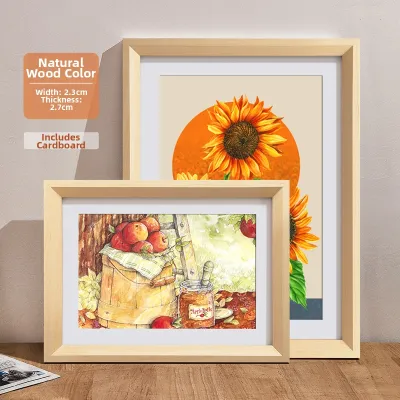

![[SG Stock] Wooden Picture Frame Wooden Photo Frame- Wall Art Poster Painting Hanging Stand Table Decor A3 A4 4R 5R](https://img.lazcdn.com/g/p/7e82d3ea8ef383b11bfd2b9f17d6a169.jpg_400x400q80.jpg_.webp)
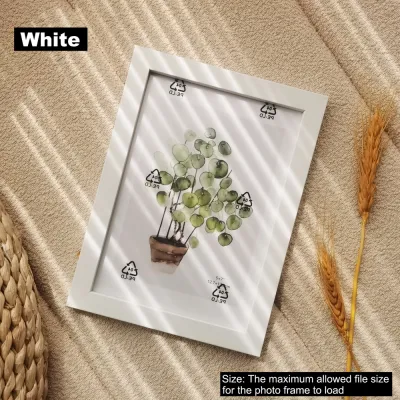
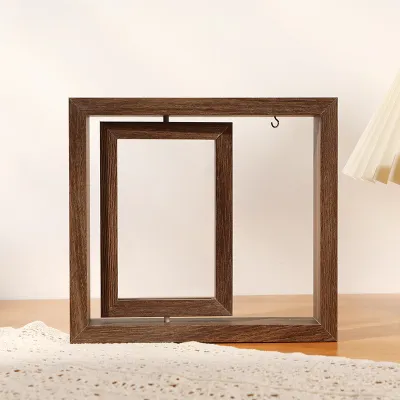

Prices are valid at publication and may change. Please refer to the product page for the latest price.
Another critical element is the mat board, also known as the passe-partout. Matting serves a dual purpose: it creates visual breathing room around the art, preventing it from feeling cramped within the frame, and it physically separates the artwork from the glass. This physical gap is vital for preservation, as it prevents condensation from damaging the paper or paint over time. A wide mat board instantly elevates the perceived quality of a print, lending it a high-end, gallery-like appearance.
Frame finishes also play a significant role in setting the room’s ambiance by dictating how light is reflected. Matte finishes absorb light, offering a soft, understated look that works well in brightly lit rooms with minimal glare. Glossy finishes, such as polished metals or lacquered woods, reflect light and add a sense of luxury and dynamism, though they require strategic placement to avoid distracting reflections. Textured or raw finishes, such as distressed timber, add tactile depth and a rustic charm that grounds a room.
Lastly, balancing the frame color with both the wall and the artwork is key to a successful installation. As a general rule, high-contrast pairings—such as a black frame on a white wall—create a bold, graphic statement that draws immediate attention. Low-contrast pairings, like a light wood frame on a cream wall, offer a serene, blended look that promotes relaxation. When coordinating with the artwork, the frame should complement the secondary or undertone colors in the piece rather than matching the dominant color exactly, which can make the presentation look flat.
Recommended Picture Frame Styles for Modern Interiors
Modern interior design is characterized by crisp lines, geometric order, and a deliberate lack of unnecessary ornamentation. In these spaces, picture frames should reinforce the sense of structure and simplicity rather than introducing visual clutter. The goal is to create a sleek, sophisticated presentation where the frame serves as a precise border rather than a decorative distraction.

Thin Metal and Minimalist Wood Profiles
For a quintessential Modern look, thin aluminum or steel frames with a profile width of less than one centimeter are highly recommended. These ultra-slim profiles, finished in matte black, brushed silver, or crisp white, provide a sharp, clean boundary that works exceptionally well with high-contrast graphic art, architectural photography, and minimalist line drawings. The metallic sheen or flat matte color emphasizes the geometric purity of the space, aligning perfectly with modern furniture and recessed lighting.
If you prefer to introduce organic warmth without sacrificing the minimalist aesthetic, sleek wood profiles in dark tones like walnut or espresso are an excellent alternative. The key is to select profiles with sharp, square edges and flat faces, avoiding any bevels, curves, or traditional carvings. These dark wood frames provide a subtle, sophisticated contrast against light-colored walls, adding depth to the room while maintaining a clean, uncluttered profile.
When shopping for Modern frames, it is best to avoid ornate details, heavy gold leaf, or high-gloss lacquered finishes. These elements introduce a classical or traditional weight that clashes with the streamlined, functional ethos of Modern design. Stick to flat, non-reflective surfaces and uniform colors to keep the focus entirely on the artwork and the clean lines of the room.
Floating Acrylic and Frameless Mounts
For an ultra-contemporary, high-end gallery aesthetic, floating acrylic frames offer an exceptional alternative to traditional wood or metal. These frames consist of two clear acrylic panels that sandwich the artwork, secured by minimal metal standoff hardware at the corners. Because there is no outer border, the artwork appears to float effortlessly on the wall, allowing the wall color and texture to show through around the edges of the print.
This frameless approach is particularly effective for oversized posters, edge-to-edge photography, and modern abstract prints where a traditional border might feel too restrictive. Another frameless option is the metal dibond mount, where the print is bonded directly to a rigid aluminum sheet, or a frameless canvas wrap with clean, painted edges. These methods eliminate the frame entirely, prioritizing a clean, architectural presentation.
However, floating acrylic and frameless mounts do come with specific practical limitations. Acrylic is highly susceptible to scratching and static electricity, which attracts dust; it must be cleaned carefully with specialized microfiber cloths and anti-static cleaners rather than standard glass sprays. Additionally, installing standoff hardware requires precise measurement and drilling, as even a minor misalignment will prevent the panels from sitting flat against the wall.
Ideal Picture Frame Choices for Scandinavian Spaces
Scandinavian design centers on creating bright, airy, and cozy environments that celebrate natural light and organic materials. This aesthetic, often associated with the concept of “hygge,” prioritizes comfort, simplicity, and a connection to nature. Picture frames in a Scandinavian home should enhance this soft, welcoming atmosphere by utilizing light-toned woods and gentle, non-reflective finishes.
Light Natural Woods and Warm Tones
To achieve an authentic Scandinavian feel, opt for frames made from light-toned natural woods such as oak, ash, birch, and pine. It is crucial that these frames showcase the visible grain of the timber, as these natural imperfections add texture and warmth to the space. Look for matte, oil-rubbed, or raw finishes rather than high-gloss lacquers, which can look artificial and disrupt the organic flow of the design.
These natural wood textures are the perfect complement to the artwork typically found in Scandinavian interiors, such as botanical prints, minimalist line art, and soft watercolor paintings. The warm, pale tones of the wood bridge the gap between the organic subjects of the art and the physical structure of the room, creating a seamless visual transition.
To maintain the bright and airy atmosphere characteristic of Scandi homes, pair these light wood frames with off-white, cream, or soft beige walls. This low-contrast combination allows the frames to blend gently into the background, preventing the walls from feeling heavy or closed-in. The result is a calm, harmonious space that maximizes the perception of natural light.
Matte White and Soft Textured Finishes
Another staple of Scandinavian framing is the use of matte white wooden frames paired with wide, clean mat boards. This combination is highly effective for creating a soft, uncluttered gallery wall. The white frame mimics the surrounding wall color, while the wide mat provides a generous buffer of white space around the art, ensuring that even a dense collection of frames feels light and organized rather than overwhelming.
For added depth, consider subtly textured frames, such as lightly limed wood or matte composite frames with a soft, chalky finish. These finishes introduce a tactile quality that catches the light softly, adding visual interest without the need for harsh contrasts or bold colors. They work beautifully in bedrooms and living areas where a serene, restful environment is desired.
Avoid using stark, high-gloss white frames or heavy, thick black frames in a Scandinavian space. High-gloss finishes reflect too much light, creating harsh glare that detracts from the cozy, soft atmosphere, while thick black frames introduce a rigid, heavy contrast that can disrupt the gentle, flowing aesthetic of the room.
Top Picture Frame Picks for Industrial Lofts and Homes
Industrial interior design embraces raw, unfinished elements, celebrating the beauty of structural materials like exposed brick, concrete, steel, and weathered timber. This style is bold, utilitarian, and full of character. Picture frames in an Industrial-themed home should echo these rugged aesthetics, utilizing robust materials and distressed finishes that look as though they have a history.
Reclaimed Wood and Distressed Timber
Reclaimed wood frames are an outstanding choice for Industrial spaces, as they bring organic texture and a sense of history into the room. Look for frames crafted from salvaged timber that features visible knots, nail holes, deep grain patterns, and weathered patinas. These natural imperfections complement the rough textures of exposed brick and concrete walls, adding warmth to what can sometimes be a cold, sterile environment.
For Industrial spaces, thick, chunky frame profiles are highly effective. These substantial frames provide a structural, heavy look that mirrors the bold architectural elements of a loft, such as support beams and columns. They are particularly well-suited for framing large-scale vintage maps, black-and-white architectural blueprints, or moody, high-contrast photography.
It is important to note, however, that reclaimed wood frames carry significant visual weight. Because of their thick profiles and heavy textures, they should be used selectively. Overloading a small room with multiple chunky, distressed frames can make the space feel cluttered and dark; instead, use one or two large statement pieces to anchor the room, and keep smaller frames more subdued.
Matte Black Metal and Raw Iron Profiles
To lean further into the utilitarian side of Industrial design, matte black iron, dark bronze, or oxidized metal frames are excellent choices. Look for frame designs that incorporate functional-looking hardware, such as visible corner brackets, rivets, or pipe-inspired joints. These metallic finishes directly echo the exposed ductwork, steel window frames, and metal light fixtures common in Industrial lofts.
These frames look exceptionally sharp when paired with high-contrast black-and-white photography, industrial sketches, or bold graphic prints. The dark, clean lines of the metal frame provide a strong, masculine border that grounds the artwork against textured walls, ensuring the art does not get lost against busy brickwork or mottled concrete.
Before purchasing solid metal frames, always check their weight. Heavy iron or steel frames require robust mounting solutions to ensure they remain safely secured to the wall. Standard adhesive strips are rarely sufficient for these substantial pieces; instead, you must use appropriate wall anchors and heavy-duty hooks designed to support the specific weight of the frame.
Quick Comparison: Frame Profiles by Design Theme
To help you quickly identify the best frame style for your space, the table below summarizes the key characteristics and recommended pairings for each major design theme.
| Interior Theme | Ideal Materials | Color Palette | Profile Thickness | Best Art Pairing |
|---|---|---|---|---|
| Modern | Aluminum, steel, flat-faced hardwoods | Matte black, brushed silver, crisp white, walnut | Ultra-thin (under 1 cm) to medium (2 cm) | Graphic prints, minimalist line drawings, high-contrast photography |
| Scandinavian | Oak, ash, birch, pine, matte composite | Light natural wood tones, matte white, cream | Medium (2 to 3 cm) with wide matting | Botanical illustrations, soft watercolors, pastel abstract art |
| Industrial | Reclaimed timber, raw iron, oxidized steel | Weathered brown, matte black, dark bronze, rust | Thick and chunky (4 cm and above) | Vintage maps, architectural blueprints, moody photography |
Buying and Installation Checklist for Singapore Homes
When purchasing and hanging picture frames in Singapore, local housing structures and climate conditions require careful planning. Follow this checklist to ensure a safe, durable, and beautiful installation.
- Wall Assessment: Most residential properties in Singapore feature a mix of reinforced concrete structural walls and drywall partition walls. Before buying hanging hardware, tap the wall to identify its composition. A hollow sound indicates drywall, which requires specialized plasterboard toggles or hollow-wall anchors to distribute the weight safely. A solid sound indicates concrete or brick, which requires a masonry drill bit, plastic wall plugs, and screws to hold heavy frames securely.
- Safety Boundaries: Before drilling into any wall, check for concealed electrical wiring or water pipes. In Singapore, utility lines often run vertically or horizontally from power outlets, light switches, and plumbing fixtures. Use a reliable digital wall scanner to detect live wires and pipes. If you are drilling near light switches or water pipes, or if you are hanging an exceptionally heavy, oversized, or suspended frame, stop immediately and consult a qualified professional handyman. Always isolate the power at the main distribution board if drilling near electrical conduits.
- Climate Considerations: Singapore's tropical, high-humidity climate poses unique challenges for preserving framed artwork. High humidity can cause paper prints to warp, ripple, or develop mold and foxing. To protect your art, always use acid-free mat boards and backing boards, which prevent harmful chemicals from leaching into the paper. Ensure the back of the frame is sealed with professional framing tape to keep moisture out. Avoid hanging valuable paper-based art in high-moisture zones like bathrooms, directly above kitchen stoves, or in areas prone to direct air conditioner drafts. Using small rubber bumper pads on the bottom corners of the frame creates a small gap between the frame and the wall, promoting airflow and preventing moisture buildup.
- Space Planning: To avoid making unnecessary holes in your walls, plan your arrangement carefully beforehand. Measure your wall space and lay the frames out on the floor first. You can also cut out paper templates matching the size of each frame and tape them to the wall using low-tack painter's tape. This allows you to visualize the final layout, adjust the spacing, and mark the exact drilling points accurately before picking up a tool.
Frequently Asked Questions (FAQ)
Can I mix different frame styles on a single gallery wall?
Yes, mixing frame styles is an excellent way to create an eclectic, curated look that feels personal rather than catalog-bought. To prevent the arrangement from looking chaotic, incorporate at least one unifying element. For example, you can use different frame materials (wood, metal, acrylic) but keep all the mat boards the exact same color and width. Alternatively, you can use frames of varying thicknesses and textures but stick to a single color palette, such as all matte black or all natural wood. Consistent spacing between the frames (typically 5 to 8 centimeters) also helps tie the collection together.
How do I protect framed art from humidity and sunlight?
To safeguard your artwork from Singapore’s intense sunlight, which can cause colors to fade rapidly, opt for UV-filtering glass or acrylic glazing. Standard glass does not block harmful ultraviolet rays, whereas conservation-grade glazing can block up to 99% of UV light. To combat humidity, ensure there is adequate airflow behind the frame by sticking small adhesive rubber bumpers to the bottom corners of the backing board. This prevents the frame from resting flat against a cool concrete wall, which can trap condensation. Additionally, avoid hanging valuable art on exterior-facing walls, as these walls experience greater temperature and moisture fluctuations throughout the day.
Community discussion
Share your experience or ask a question. Comments are reviewed before publication.