
A reliable rechargeable led light is an essential safety addition to any Singapore household. While power grid failures are rare in Singapore, localized electrical disruptions caused by tripped circuit breakers or scheduled estate maintenance can plunge a home into sudden darkness. Navigating a dark home carries minor safety risks, especially in households with elderly family members or young children.
Selecting the right emergency lighting for a Housing & Development Board (HDB) flat requires understanding how typical layouts, space constraints, and local electrical standards interact. The ideal backup light must balance brightness, battery endurance, and physical size to remain practical when the power goes out. By evaluating your flat’s specific layout and matching it to the correct lighting type, you can ensure your household remains safe and functional during any power disruption.
Choosing the right emergency lighting involves analyzing your home’s floor plan, identifying potential hazards, and selecting devices that meet local safety guidelines. This guide details how to evaluate these factors to find the most practical, reliable, and compliant rechargeable LED lights for your HDB flat.
Products mentioned in this guide
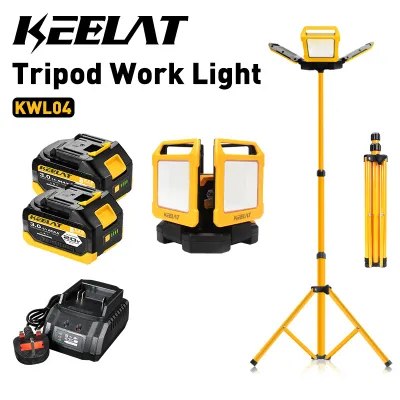
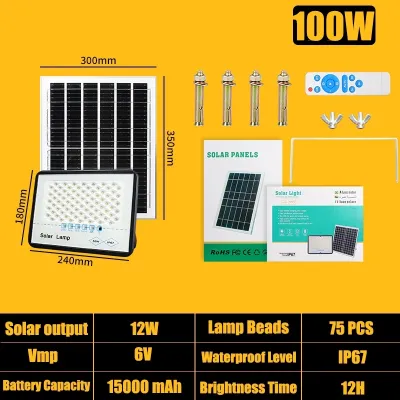
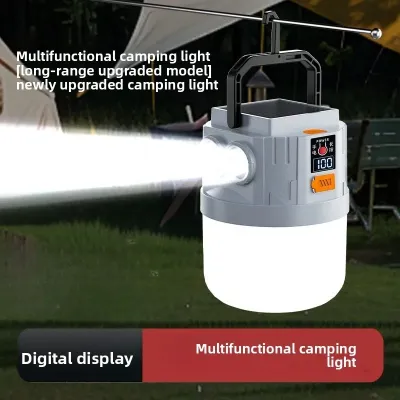
Prices are valid at publication and may change. Please refer to the product page for the latest price.
Why HDB Layouts Require Specific Emergency Lighting
HDB flats feature unique architectural characteristics that directly influence how light travels during a blackout. Modern 3-room, 4-room, and 5-room configurations often include deep corridors, windowless household shelters, and compact kitchens. When the main power fails, these architectural features block external ambient light from streetlamps or corridor lighting, resulting in complete darkness in key areas of the home.
The household shelter, commonly used for storage, is constructed with thick reinforced concrete walls and a heavy steel blast door. This design completely isolates the room from natural light, making a dedicated, easily accessible light source inside or just outside the shelter essential. Without a localized light, finding items or navigating out of the shelter during a sudden power failure becomes highly challenging.
Narrow corridors connecting the living room to bedrooms are another critical area. These hallways rarely have direct window access, meaning they rely entirely on artificial lighting. A sudden blackout turns these high-traffic paths into immediate trip hazards, particularly if toys, laundry baskets, or small furniture items are left along the walls.
Kitchen layouts also present specific lighting challenges. Overhead cabinets and refrigerators cast deep shadows even during normal operation. If a power failure occurs while you are preparing food or handling hot utensils, the sudden loss of visibility can lead to accidents. Having a reliable, hands-free backup light in the kitchen ensures you can safely set down kitchen tools and pause your activities.
It is also important to distinguish between an estate-wide blackout and a tripped internal circuit breaker in your distribution board (DB) box. If a single appliance causes a short circuit, your flat’s residual current circuit breaker (RCCB) will trip, cutting power to your home while the external corridor lights remain active. In this scenario, you need an emergency light placed near your DB box so you can safely inspect and reset the tripped switch without fumbling in the dark.
Key Features to Evaluate Before Buying
Before purchasing a rechargeable LED light, you must assess several technical specifications to ensure the device performs reliably when needed. Not all rechargeable lights are built for long-term standby use, and selecting the wrong specifications can result in inadequate brightness or premature battery failure.

Battery Capacity and Runtime
The battery capacity, measured in milliampere-hours (mAh), determines how long the light can operate on a single charge. For HDB emergency use, look for lights with a runtime of at least three to four hours on medium brightness. Lithium-ion batteries are standard in modern rechargeable lights because they hold their charge well during long periods of inactivity. Ensure the product specifications clearly state the expected runtime on both maximum and energy-saving modes.
Brightness and Glare Control
Brightness is measured in lumens. While a high lumen output sounds beneficial, excessively bright, unshielded LED lights can cause severe glare in compact HDB rooms with low ceilings. For general navigation in corridors or bedrooms, a light output of 50 to 150 lumens is sufficient. For larger communal areas like the living room, look for units offering 200 to 500 lumens, preferably equipped with a frosted diffuser to soften the light and prevent eye strain.
Physical Footprint and Mounting Options
Space is highly valued in HDB flats, so bulky emergency lights are rarely practical. Compact, low-profile designs that blend with your interior decor are preferable. Consider how the light will be mounted. Magnetic backings are ideal for sticking to metal surfaces like the household shelter door or the side of a refrigerator. Damage-free adhesive mounts are excellent for rental flats or painted walls, while freestanding models offer the flexibility to be moved from room to room.
Charging Mechanisms
Rechargeable lights generally charge via USB ports (such as USB-C or micro-USB) or by plugging directly into a standard 230V wall socket. USB-C models offer excellent versatility, as they can be recharged using standard phone chargers, computer ports, or portable power banks during extended outages. Direct plug-in models remain plugged into a wall socket constantly, keeping their internal batteries topped up and ready to activate the moment they detect a loss of mains voltage.
Electrical Safety Standards
In Singapore, safety is a primary consideration for any electrical appliance. Any emergency light that plugs directly into the 230V, 50Hz mains power, or uses a dedicated AC power adapter, must carry the SAFETY Mark issued by Enterprise Singapore. This mark certifies that the device has been tested and meets local electrical safety requirements, reducing the risk of short circuits or electrical fires. Avoid purchasing unbranded, non-certified charging adapters from unregulated online marketplaces.
Best Rechargeable LED Light Types for HDB Rooms
Different areas of an HDB flat require different lighting strategies. Matching the specific type of rechargeable LED light to the functional needs of each room ensures efficient energy use and optimal safety.
Plug-in Rechargeable Wall Lights for Corridors and Kitchens
Plug-in emergency wall lights are designed to remain plugged into a standard 230V wall socket. Under normal conditions, they draw a tiny amount of standby power to keep their internal battery fully charged. The moment the mains power fails, the light’s internal circuitry detects the loss of incoming voltage and automatically switches the LEDs on, providing instant illumination.
These lights are highly recommended for high-traffic transition zones and task-oriented spaces. Placing one in the kitchen ensures immediate visibility if a power cut happens while cooking, allowing you to handle hot pots or knives safely. Another ideal location is in the hallway near the DB box, giving you instant light to locate and inspect your circuit breakers.
However, these units have a few limitations. They require an available wall socket, which can be scarce in older HDB flats. Bulky plug-in designs may block adjacent sockets, preventing you from plugging in other household appliances. Additionally, because they rely on continuous mains connection, they will slowly consume a small amount of standby electricity over their lifespan.
Portable LED Lanterns for Living and Dining Areas
Portable LED lanterns are versatile, freestanding light sources designed to illuminate larger communal spaces where family members gather. Unlike fixed wall lights, lanterns can be picked up, carried by a handle, or hung from hooks, making them highly adaptable during a prolonged blackout.
When choosing a lantern for an HDB living room, prioritize models with adjustable brightness settings or stepless dimming. This allows you to dial down the brightness to conserve battery life or increase it when reading or playing board games with family members. A frosted or dome-shaped diffuser is essential to scatter the light evenly across the room, preventing harsh, direct glare that can cause headaches in enclosed spaces.
Many modern portable lanterns also feature dual-purpose designs, making them useful for balcony dining, household shelter organization, or outdoor camping trips. Look for models with robust build quality and a stable base so they do not easily tip over when placed on dining tables or coffee tables.
Motion-Sensor Rechargeable Night Lights for Bedrooms and Bathrooms
Motion-sensor rechargeable lights are low-lumen, compact fixtures designed to guide your steps without disturbing others. They remain off in the dark until their passive infrared (PIR) sensor detects movement within a specific range, at which point they illuminate for a brief period (usually 15 to 30 seconds).
These lights are perfect for bedrooms and bathrooms, where high-intensity light is undesirable. Installing a motion-sensor light near the floor along bedroom skirting boards or near the bathroom door allows family members to navigate safely during a night-time power cut without needing to search for a switch.
For these areas, select lights with a warm color temperature, typically between 2700K and 3000K. Warm light is gentler on the eyes in total darkness and helps preserve your night vision, making it easier to fall back asleep after the disruption is resolved. Look for models with magnetic adhesive mounts, which allow you to easily detach the light bar from the wall when it needs to be recharged via a USB cable.
Quick Comparison: Matching Light Types to HDB Spaces
To help you decide which lighting types best suit your household configuration, the table below summarizes the key differences, ideal placements, and charging methods for each category.
| Light Type | Best HDB Placement | Key Advantage | Main Limitation | Charging Method |
|---|---|---|---|---|
| Plug-in Wall Light | Kitchen, Hallway near DB Box | Automatically turns on during blackouts; always fully charged | Occupies a wall socket; may block adjacent plugs | Direct 230V wall socket connection |
| Portable LED Lantern | Living Room, Dining Table | High brightness; adjustable output; easy to carry | Requires manual activation; larger physical footprint | USB-C or micro-USB cable |
| Motion-Sensor Light | Bedrooms, Bathrooms, Stairwells | Hands-free activation; gentle on eyes; easy to mount | Low brightness; not suitable for illuminating large rooms | USB recharging (detachable magnetic mount) |
| Handheld Flashlight | Inside Household Shelter | Highly directional beam; long storage shelf life | Must be manually located in the dark; narrow light beam | USB charging or replaceable batteries |
Battery Care and Electrical Safety in HDB Flats
To ensure your rechargeable LED emergency lights remain operational when a blackout occurs, proper battery maintenance and electrical safety practices are essential. Neglecting these devices can lead to degraded battery capacity, meaning they may only last a fraction of their rated runtime when you actually need them.
Battery Maintenance Practices
Most modern emergency lights use lithium-ion or nickel-metal hydride (NiMH) batteries. These batteries naturally self-discharge over time, even when not in use. For portable lanterns and motion-sensor lights that are not permanently plugged into the wall, make a habit of checking their charge levels every three to six months.
Avoid leaving rechargeable batteries completely depleted for extended periods, as deep discharge can permanently damage the battery cells and reduce their overall capacity. Conduct a manual discharge test twice a year by turning the lights on and letting them run until the battery drains, then recharging them fully. This helps calibrate the battery and ensures the internal cells remain active.
Safe Charging Guidelines
When charging your devices, always place them on flat, hard, and non-flammable surfaces, such as a tiled kitchen countertop or a study desk. Avoid charging electronic devices on beds, sofas, or near curtains, as heat buildup during charging can pose a fire hazard.
Never daisy-chain multiple extension cords or plug adaptors into a single wall socket to charge multiple lights simultaneously. Overloading electrical outlets can cause overheating and trip your home’s circuit breakers. Use only the charging cables supplied by the manufacturer, and pair them with USB wall adapters that carry the Singapore SAFETY Mark.
Professional Boundaries and Fixed Wiring
While portable and plug-in rechargeable lights are safe, low-risk consumer products that anyone can install, any modification to your HDB flat’s permanent electrical wiring is subject to strict regulations. If you plan to install hardwired emergency exit signs, ceiling-mounted backup lights, or dedicated emergency circuits connected directly to your distribution board, do not attempt to do this yourself.
Always isolate the electrical power at the main switch of your DB box before conducting any basic maintenance near electrical fixtures. For any permanent wiring installations, modifications, or complex troubleshooting of your home’s electrical system, you must hire a Licensed Electrical Worker (LEW) certified by the Energy Market Authority (EMA). This ensures all work complies with local electrical standards and maintains the safety of your household.
Frequently Asked Questions (FAQ)
How long should a rechargeable emergency light last during a blackout?
A high-quality rechargeable emergency light should provide continuous illumination for at least three to four hours on its standard brightness setting. Many energy-efficient LED models can last up to eight hours or more when switched to a lower lumen or eco-friendly mode.
There is always a direct trade-off between brightness and battery life. Running a portable lantern at its maximum brightness setting of 500 lumens will drain the battery much faster than running it at a comfortable 100 lumens. Always check the manufacturer’s product label to verify the estimated runtime for each brightness level before making a purchase.
Can I use a power bank to power my LED emergency light?
Yes, you can use a standard portable power bank to power or recharge LED emergency lights that feature a USB-C or micro-USB charging port. This is an excellent way to extend the runtime of portable lanterns and motion-sensor lights during prolonged power outages.
However, this method does not work for direct plug-in emergency lights that rely on mains detection. These plug-in lights must be connected directly to a standard 230V wall socket to detect when a power failure occurs. For these units, a power bank can only be used to recharge them after they have been unplugged from the wall.
Do rechargeable emergency lights need a SAFETY Mark in Singapore?
In Singapore, any emergency light or battery charger that plugs directly into a 230V wall socket must carry the SAFETY Mark. This certification ensures the device’s electrical components have been tested and approved for safe use with Singapore’s domestic power grid.
For emergency lights that operate solely on low-voltage internal batteries and are recharged via a standard USB port, the light itself does not require a SAFETY Mark. However, the USB wall adapter you use to charge the light must carry the SAFETY Mark to ensure safe charging. Always purchase electrical products from reputable local retailers to ensure compliance with local safety guidelines.
Community discussion
Share your experience or ask a question. Comments are reviewed before publication.