
Finding the best rechargeable wall lamp for your corridor in Singapore depends on balancing your home’s aesthetic, your desire for smart automation, and local safety standards. Established electrical brands like Philips deliver exceptional manufacturing safety and reliable warranties, making them ideal for long-term utility. Smart tech ecosystem brands like Yeelight offer advanced motion-sensor customisation and seamless integration with smart home routines. Meanwhile, specialised decor brands like Gingko Design focus on premium, minimalist aesthetics and magnetic modularity, transforming functional lighting into an elegant design statement.
Singapore’s residential landscape presents unique challenges for home lighting. Most HDB flats, executive condominiums, and private apartments are constructed with dense concrete walls or precast panels, which make retrofitting traditional hardwired wall sconces an expensive, dusty, and invasive process. A rechargeable wall lamp offers a modern, cordless alternative that bypasses the need for structural hacking, concealed wiring, or professional electrical installation. By understanding the distinct brand categories and essential technical specifications, you can select a lighting solution that enhances both the safety and style of your home’s transitional spaces.
Why Rechargeable Wall Lamps Are Ideal for Singapore Corridors
Traditional wall lighting requires dedicated electrical wiring, which must be planned during the early stages of a home renovation. For homeowners who realize they need extra illumination in a dark hallway after the renovation is complete, installing a hardwired fixture is highly impractical. It involves cutting channels into concrete walls, running conduits, patching plaster, and repainting the entire area. Rechargeable wall lamps completely eliminate this friction, allowing you to add light to any wall in a matter of minutes.
Products mentioned in this guide
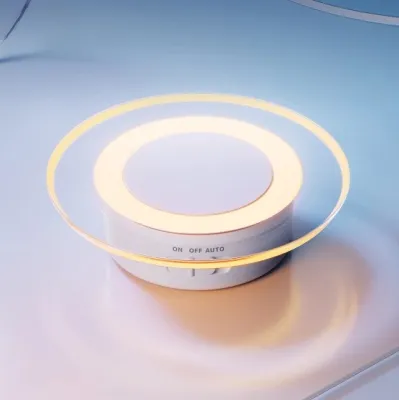
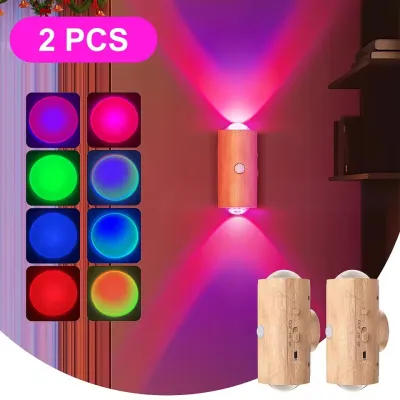
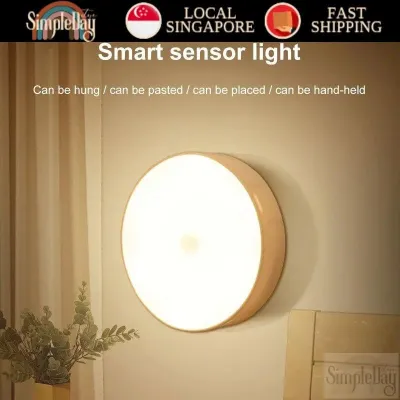
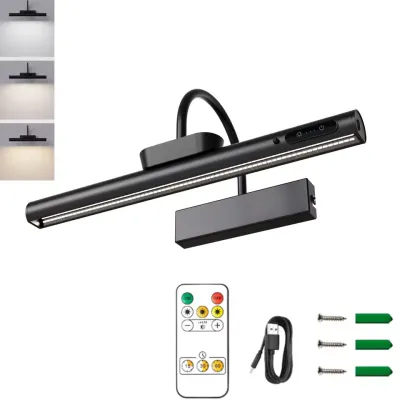
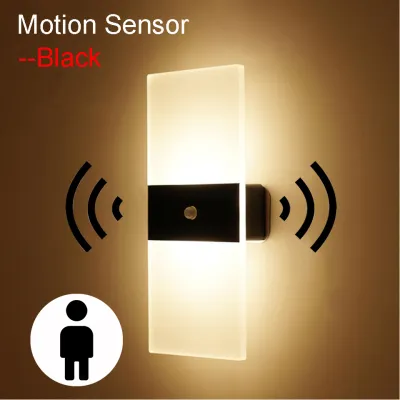
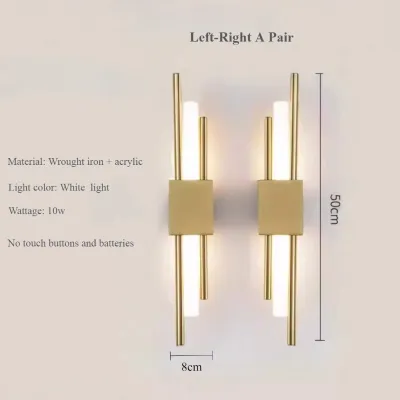
![[SG Ready Stocks] LED Reading Wall Lamp – Wireless Rechargeable (1800mAh) with Remote/Touch Control 3 Color Modes Dimmable Timer Off Rotatable Body Type-C Charging & Drill-Free No-Wiring Setup](https://img.lazcdn.com/g/p/0a56c47c89a5f09958cd7c98d7db5cf8.jpg_400x400q80.jpg_.webp)
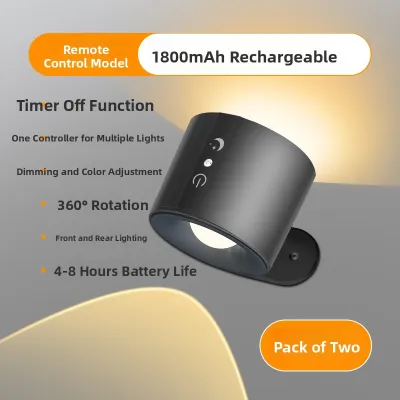
Prices are valid at publication and may change. Please refer to the product page for the latest price.
This flexibility is particularly valuable for tenants renting properties in Singapore. Standard tenancy agreements strictly prohibit permanent structural changes, including drilling holes into walls or altering the electrical layout. Because rechargeable wall lamps can be mounted using high-strength, removable adhesive strips, renters can enjoy a well-lit home without risking the forfeiture of their security deposits. When it is time to move out, the fixtures can be taken down cleanly, leaving the walls in their original condition.
It is important to define the scope of corridor lighting when planning your installation. In this context, corridor lighting refers strictly to private internal hallways, entryways, foyer areas, and transitional zones within your apartment or landed property. These are the areas where family members navigate during the night or where guests are welcomed into the home. This guide focuses on these private interior spaces, rather than public common corridors, which are subject to different regulatory frameworks.
Essential Features for Corridor Rechargeable Lamps
Selecting the perfect rechargeable wall lamp requires looking beyond visual appeal to evaluate how the device performs in high-traffic transitional zones. Because these lamps rely on internal batteries, your choice should balance energy efficiency with adequate light output. A lamp that is too dim will fail to provide safe passage, while a lamp that requires recharging every few days will quickly become a maintenance burden.

Automated features are essential for corridor applications because they eliminate the friction of manual operation. In a busy household, family members are unlikely to manually switch a hallway light on and off every time they walk through. By choosing fixtures with smart sensors, you ensure the light is only active when needed, preserving battery life and providing hands-free convenience.
Battery Capacity and Charging Convenience
The battery capacity of a rechargeable wall lamp, measured in milliampere-hours (mAh), directly dictates how often you will need to recharge the device. For high-traffic corridors, look for lamps with a capacity of at least 2,000mAh to 4,000mAh. When paired with an efficient motion sensor, a battery of this size can easily last several months on a single charge, assuming standard daily usage of 10 to 15 short triggers.
Charging convenience is another critical factor, especially if the lamps are mounted high on the wall. Standard built-in USB-C ports require you to either run a long charging cable to the fixture or take the entire lamp down from the wall. To avoid damaging your wall paint through repeated removal, look for brands that feature magnetic mounting systems. These designs allow you to easily detach the light body from its magnetic base, charge it at a convenient tabletop outlet, and snap it back into place in seconds.
Illumination Needs: Lumens, Color Temperature, and Beam Angle
When evaluating light output, corridors require a delicate balance to ensure safe navigation without causing visual discomfort. A brightness range of 100 to 200 lumens is generally ideal for narrow hallways. This level of illumination is bright enough to reveal obstacles on the floor, such as shoes or toys, without creating harsh glare that can shock your eyes when walking out of a dark bedroom.
Color temperature plays a significant role in setting the mood and protecting your sleep quality. Warm white light, ranging from 2700K to 3000K, is highly recommended for residential corridors. This soft, golden glow creates a relaxing atmosphere and minimizes blue light exposure, which is crucial for maintaining healthy circadian rhythms during late-night trips. Neutral white light (4000K) is better suited for entryways or corridors that double as galleries for displaying family photos, as it renders colors more accurately.
The physical design of the lens and the beam angle also affect how light is distributed. A wide beam angle of 120 degrees or more ensures an even wash of light across the floor, reducing dark spots. Alternatively, lamps with downward-focused beam angles or built-in diffusers are excellent for directing light exactly where it is needed—on the walking path—while keeping the light source shielded from direct line of sight.
Smart Features: Motion Sensors and Dusk-to-Dawn
To maximize battery efficiency, look for lamps equipped with high-quality motion sensors. Passive Infrared (PIR) sensors are the industry standard for residential lighting. They work by detecting changes in infrared radiation, which is naturally emitted by human bodies. PIR sensors are highly reliable, have a typical detection range of 3 to 5 meters, and are less prone to false triggers from moving curtains or drafts.
In contrast, radar sensors use high-frequency radio waves to detect movement. While they are incredibly sensitive and can detect motion through thin doors or around corners, they may be too sensitive for compact Singapore apartments, triggering the light unnecessarily when someone moves in an adjacent bedroom. For most corridor layouts, a PIR sensor with a wide 120-degree detection arc is the superior choice.
Additionally, a dusk-to-dawn sensor (also known as a photocell) is an indispensable companion to the motion sensor. This feature measures the ambient light levels in the corridor. If the hallway is already illuminated by natural daylight from a nearby window, the dusk-to-dawn sensor prevents the lamp from turning on, ensuring that precious battery power is conserved strictly for nighttime use.
Evaluating Rechargeable Wall Lamp Brands for Hallways
The market for rechargeable wall lamps in Singapore has expanded rapidly, offering a wide array of choices. To make an informed decision, it is helpful to categorize these brands into three distinct tiers based on their manufacturing heritage, technological capabilities, and design philosophies. Each category offers a unique set of advantages and trade-offs that cater to different household priorities.
When evaluating any brand, look closely at their claims regarding battery safety and sensor accuracy. High-quality brands will clearly state the type of battery cells used, offer built-in protection against overcharging and short circuits, and provide realistic estimates for battery runtime. Avoid generic, unbranded options that promise exceptionally high brightness and battery life at suspiciously low prices, as these often compromise on safety and durability.
Established Lighting and Electrical Brands
Established lighting giants, such as Philips and other traditional electrical manufacturers, focus heavily on safety, engineering standards, and consistent performance. These brands design their rechargeable products with robust circuitry that prevents thermal runaway, ensuring the lithium-ion batteries remain stable even during prolonged use. Their products typically come with comprehensive manufacturer warranties and are backed by reliable local customer support in Singapore.
The trade-off with established brands is often found in their aesthetic design and smart features. Their fixtures tend to lean towards highly utilitarian, functional, and traditional styles that may not appeal to homeowners seeking an ultra-modern or minimalist look. Additionally, they may offer fewer options for advanced smart-home integration, focusing instead on reliable, standalone sensor operation.
Smart Home and Tech Ecosystem Brands
Tech-focused brands, such as Yeelight (a prominent player in the smart home ecosystem) and Aqara, bring advanced connectivity and customization to corridor lighting. These brands allow you to integrate your rechargeable wall lamps with broader smart home networks via Bluetooth, Zigbee, or Wi-Fi. Through their dedicated mobile applications, you can customize sensor sensitivity, adjust the duration of the light-on timer, and sync the lamps with other smart devices.
While these tech-focused features offer unparalleled convenience, they do come with specific limitations. Setting up and maintaining these lamps requires a stable home network and a basic comfort level with mobile apps. They also require occasional firmware updates to ensure security and performance. Furthermore, because of the integrated smart chips, these lamps generally carry a higher price point and may exhibit slightly higher standby battery drain compared to non-connected models.
Specialized Decor and Portable Lighting Brands
For homeowners who view lighting as an essential element of interior design, specialized decor brands like Gingko Design offer highly aesthetic, modular solutions. These brands prioritize premium materials—such as solid walnut, ash wood, frosted glass, and brushed brass—ensuring the lamp looks like a piece of high-end decor even when turned off. They often feature innovative, minimalist shapes that blend seamlessly with Scandinavian, Japandi, or modern luxury interior styles.
A key feature of these design-centric brands is their emphasis on modularity. Many models utilize a highly secure magnetic connection that allows the light bar or pod to be easily detached from the wooden wall mount. This allows the fixture to double as a portable task light, a bedside reading lamp, or an emergency torch during power outages. The main trade-off is that these compact, elegant designs often have smaller battery cavities, resulting in lower overall battery capacities and shorter runtimes between charges.
Brand Category Comparison Matrix
To help you quickly identify which brand category aligns with your home’s needs, the following matrix compares the three primary options across key purchasing dimensions.
| Brand Category | Core Strengths | Potential Limitations | Best Suited For | Typical Price Tier |
|---|---|---|---|---|
| Established Lighting | High electrical safety, reliable warranties, consistent light output | Utilitarian designs, limited smart features | Homeowners prioritizing safety, longevity, and simple utility | Mid-range |
| Smart Tech Ecosystem | App-based customization, smart home integration, precise sensor tuning | Higher standby battery drain, requires app setup and updates | Tech-savvy users wanting automated, interconnected homes | Mid-range to Premium |
| Specialized Decor | Premium materials, elegant aesthetics, highly versatile modular designs | Smaller battery capacities, lower maximum brightness | Design-conscious homeowners, renters seeking stylish accents | Premium |
Safety, Installation, and Compliance in Singapore
When installing any battery-powered fixture in your Singapore home, safety and regulatory compliance must be your top priorities. Because rechargeable wall lamps contain lithium-ion batteries, improper placement or the use of substandard charging equipment can lead to safety hazards. Understanding local guidelines ensures your home remains safe and compliant.
Private vs. Common Areas
It is critical to distinguish between the interior hallways of your home and the external common corridors of HDB estates or condominium developments. The Singapore Civil Defence Force (SCDF) enforces strict fire safety regulations regarding public common areas. Common corridors are designated emergency escape routes and must be kept free of obstructions. Installing personal, battery-powered lighting fixtures on external common walls is strictly prohibited. Uncertified lithium-ion batteries exposed to Singapore’s high ambient temperatures in common areas can pose a thermal runaway risk, creating a severe fire hazard. Keep all rechargeable lamps strictly inside your private residential unit.
Mounting Safety
Singapore’s high relative humidity, which frequently exceeds 80%, can severely impact the performance of mounting adhesives. HDB and condo walls are typically finished with emulsion paint over concrete. If you mount a heavy rechargeable lamp using cheap, generic double-sided tape, the moisture in the air can degrade the adhesive bond over time. This can cause the fixture to fall, potentially cracking the housing, damaging the internal lithium-ion battery, or causing injury.
To prevent falling hazards, always verify the weight of the lamp and select high-quality, humidity-resistant adhesive strips (such as 3M Command strips) rated for that specific weight. Clean the wall surface thoroughly with rubbing alcohol to remove dust and oils before applying the adhesive, and press firmly for at least 30 seconds. For heavier, premium fixtures made of solid wood or metal, screw-mounting into plastic wall plugs is the safest and most reliable installation method.
Battery and Charger Compliance
While the rechargeable wall lamp itself operates on safe, low-voltage direct current (DC), the wall adapter used to charge it connects directly to Singapore’s 230V/50Hz mains power. To prevent electrical fires, ensure that any USB charger or power adapter you use carries the Enterprise Singapore Safety Mark. Cheap, uncertified chargers imported from online marketplaces often lack critical safety features, such as overcurrent protection and flame-retardant housings, making them a major liability in your home.
Maintenance and Battery Longevity
Taking proper care of your rechargeable wall lamps ensures they remain reliable and safe for years to come. Because these devices rely on lithium-ion technology, simple maintenance habits can significantly extend their operational lifespan and prevent premature battery degradation.
To maintain optimal battery health, avoid deep discharges. Try to recharge the lamp when the battery level drops to around 20%, rather than waiting for the light to die completely. Keeping the battery charge level between 20% and 80% reduces stress on the battery cells. Additionally, avoid mounting the lamps in areas exposed to direct, intense sunlight or near heat sources like kitchen stoves, as high temperatures accelerate chemical degradation inside the battery.
Regular cleaning is also essential for maintaining sensor accuracy. In a typical hallway, dust, lint, and airborne particles can settle on the motion sensor’s plastic lens. This accumulation blocks infrared signals, leading to delayed triggers or a complete failure to detect movement. Wipe the sensor lens gently with a dry, lint-free microfiber cloth every few weeks. Avoid using harsh chemical cleaners or abrasive materials, which can scratch the sensitive lens.
Finally, make it a habit to periodically inspect the physical mounting of your lamps. If you have used adhesive strips, check for any signs of peeling, lifting, or wobbling, especially during the more humid months in Singapore. Replacing a degraded adhesive strip early costs very little and prevents the far more expensive consequence of a dropped and broken light fixture.
Frequently Asked Questions (FAQ)
Can I use rechargeable wall lamps in HDB common corridors?
No, installing personal battery-powered fixtures in HDB common corridors is strictly prohibited by SCDF and HDB regulations. These areas are designated escape routes, and unauthorized fixtures pose obstruction and fire hazards, particularly due to the risks associated with lithium-ion batteries in public spaces.
How long do rechargeable wall lamp batteries typically last?
On a single charge, a motion-sensor lamp typically lasts between 2 to 6 months, depending on how frequently the corridor is used. The overall lifespan of the internal lithium-ion battery is generally around 300 to 500 charge-discharge cycles before its capacity degrades to 80% of its original rating.
Are motion-sensor rechargeable lamps bright enough for main hallways?
They are highly effective for ambient, accent, or path-finding illumination, providing safe navigation during the night. However, they generally do not produce the high lumen output (typically 800 lumens or more) required to serve as the primary, sole light source for detailed tasks in large corridors.
Community discussion
Share your experience or ask a question. Comments are reviewed before publication.