
To keep your bathroom smelling clean in Singapore’s humid climate, the most effective room sprays are those formulated with active odour-neutralising technologies rather than standard masking fragrances. Brands like Febreze, Aesop, HYSSES, and Bio-Home are highly effective options widely available in Singapore. These brands use molecular trapping, botanical essential oils, or bio-enzymes to break down odour compounds instead of simply covering them up.
Singapore’s tropical climate presents a unique challenge for home scenting. With relative humidity levels frequently exceeding 80%, moisture-laden air traps volatile organic compounds, making bathroom odours more persistent. Furthermore, the compact and often windowless layouts of modern HDB flats and condominiums mean that poor ventilation can cause bad smells to linger. Understanding how to select and apply the right bathroom fragrance is key to maintaining a fresh, hygienic home environment.
Understanding Odour Neutralisers vs. Masking Fragrances
Many household sprays rely on masking fragrances to manage bad smells. These products use high concentrations of heavy, synthetic perfumes to overpower your olfactory receptors. In a small, damp bathroom, this approach often backfires. The volatile perfume oils mix with airborne moisture and bathroom odours, creating a heavy, cloying scent combination that can feel more suffocating than the original smell.
Products mentioned in this guide
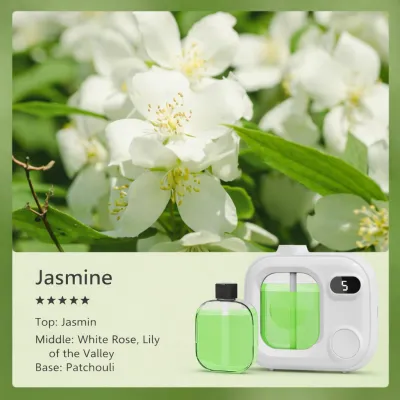
![[SG Ready Stock] Automatic Air Freshener Dispenser Battery Operated Quiet for Home/Hotel/Bathroom](https://img.lazcdn.com/g/p/13901ae7198c29ca6b84dfb29719ce7a.jpg_400x400q80.jpg_.webp)
![[KIRONA SCENT] Posh Blue Reed Diffuser 120ml | Aromatherapy for Home Office & Bathroom Fragrance Decor Gifts](https://img.lazcdn.com/g/p/0653daa3ed16805b18d599f2d75b0f34.png_400x400q80.png_.webp)
![[KIRONA SCENT] (BUY 1 FREE 1) Spa Black Reed Diffuser 110ml | Aromatherapy Home Fragrance & Decor](https://img.lazcdn.com/g/p/c3b7e5f8d66d8f0652a7f3d6208fa0cf.png_400x400q80.png_.webp)
![[KIRONA SCENT] Luxe Blue Reed Diffuser 110ml | Scents for Home Toilet Office Bedroom Living Room | Aromatherapy Fragrance Decor Gifts](https://img.lazcdn.com/g/p/ff371e49bde2fbaf113b2d3379ad27b4.png_400x400q80.png_.webp)
Prices are valid at publication and may change. Please refer to the product page for the latest price.
Active odour-neutralising technologies work through chemical and physical reactions to eliminate smell molecules entirely. Instead of competing with the malodour, these formulations target the specific compounds responsible for the scent, such as hydrogen sulphide or ammonia, and alter their molecular structure so they no longer register as unpleasant.
Several distinct mechanisms are commonly used in effective neutralising room sprays:
- Zinc Ricinoleate: A zinc salt derived from castor oil, this compound acts as a chemical absorber. It binds directly to nitrogen and sulphur-based odour molecules, trapping them in a non-volatile state.
- Cyclodextrin: These donut-shaped starch molecules feature a hydrophobic interior cavity. They physically encapsulate volatile organic compounds in the air, locking them away so they cannot bind to your nasal receptors.
- Bio-Enzymes: These active proteins accelerate the natural breakdown of organic matter, such as urine or mildew. Rather than just trapping the molecules, enzymes digest them into odourless byproducts like water and carbon dioxide.
Using a true neutraliser is essential in humid environments. Because Singapore’s damp air keeps odour molecules suspended for longer periods, physically removing or altering these compounds is the only way to achieve lasting freshness.
Key Features to Look for in a Bathroom Room Spray
Selecting a room spray for a Singapore bathroom requires looking beyond the scent on the label. The unique environmental conditions of a tropical bathroom demand specific product characteristics to ensure safety, efficacy, and longevity.

Humidity Resistance
Standard water-based room sprays often struggle in high humidity. When the air is already saturated with moisture, water droplets from a heavy spray cannot evaporate quickly. Instead, they fall to the floor, leaving damp, slippery tiles and a fleeting scent. Look for sprays with ultra-fine mist pumps or alcohol-based carriers. Alcohol evaporates rapidly even in humid conditions, dispersing the active neutralising ingredients throughout the room without leaving a wet residue.
Safety and Air Quality
Many bathrooms in Singapore flats rely on mechanical ventilation ducts rather than external windows. In these enclosed spaces, aerosol sprays that use chemical propellants like butane or propane can quickly degrade indoor air quality, potentially causing respiratory irritation. Opting for non-aerosol, pump-action sprays with low volatile organic compound (VOC) levels is a safer choice for small, unventilated spaces.
Surface Compatibility
Bathrooms feature a variety of sensitive surfaces, including glossy ceramic tiles, glass shower screens, chrome fixtures, and engineered stone vanities. Some room sprays contain heavy synthetic oils or solvents that do not fully disperse in the air. Over time, these oils can settle on surfaces, leaving a sticky film that attracts dust and grime. Check product labels to ensure the formula is safe for multi-surface contact, or ensure you spray high into the center of the room away from fixtures.
Scent Profile Selection
When selecting a bathroom fragrance, avoid heavy, sweet, or gourmand scents like vanilla, warm amber, or dense florals. Under humid conditions, these profiles can smell rancid or cloying. Instead, opt for clean, botanical, or citrus notes. Eucalyptus, lemongrass, tea tree, bergamot, and fresh linen profiles complement the natural clean state of a bathroom and provide a refreshing lift that aligns with the deodorising action of the active ingredients.
Recommended Room Spray Brands for Bathroom Odour Elimination
Several reputable brands available in Singapore offer dedicated odour-eliminating sprays or botanical formulations that perform exceptionally well in humid bathroom environments.
Febreze Air
Febreze is a highly accessible household brand widely available in Singapore supermarkets and online marketplaces. It is specifically engineered for rapid odour elimination rather than simple fragrancing.
- Active Technology: Utilises cyclodextrin technology to trap airborne odour molecules, paired with pH adjusters that neutralise acidic and basic odour compounds.
- Ideal Scenario: Best used for immediate, high-efficiency deodorising right after bathroom use or just before guests arrive.
- Scent Options: Light, clean profiles such as Linen & Sky, Clean Citrus, and Downy Fresh.
- Limitations: Primarily packaged in aerosol cans, which may require extra caution in windowless bathrooms. The scent profiles lean synthetic, which may not appeal to those preferring natural botanical aromas.
Aesop Aromatique Room Sprays
Aesop offers a premium, design-forward approach to home fragrance. Available at signature boutiques and high-end retail venues across Singapore, these sprays are formulated with high-quality botanical ingredients.
- Active Technology: Relies on concentrated essential oil blends that naturally bind to and neutralise sulphide compounds while leaving a sophisticated scent trail.
- Ideal Scenario: Ideal for post-flush application (using their dedicated Post-Poo Drops) or for creating a relaxing, spa-like atmosphere after a deep cleaning session.
- Scent Options: Olous (citrus, cedar, cardamom), Istros (pink pepper, lavender, tobacco), and Cythera (geranium, incense, patchouli).
- Limitations: Sits in a premium price band. The Post-Poo Drops must be dispensed directly into the toilet bowl rather than sprayed in the air, requiring a specific user habit.
HYSSES Room Sprays
HYSSES is a well-known homegrown Singaporean brand specialising in aromatherapy. Their products are easily accessible at local shopping malls and official online stores.
- Active Technology: Formulated with 100% pure essential oils. Ingredients like lemongrass (high in citral) and eucalyptus (high in eucalyptol) provide natural antibacterial and powerful deodorising properties.
- Ideal Scenario: Excellent for daily bathroom maintenance, suppressing musty damp smells, and refreshing the air in high-humidity zones.
- Scent Options: Lemongrass, Eucalyptus, Peppermint, and Bergamot.
- Limitations: Mid-to-high price point. Because they contain real essential oils, overspraying can leave a microscopic oily residue on glossy floor tiles, potentially making them slippery.
Bio-Home Room Spray
Bio-Home is an eco-friendly brand available in local supermarkets, offering biodegradable household solutions tailored for environmentally conscious consumers.
- Active Technology: Employs plant-based, biodegradable active ingredients and natural enzymes that target and break down organic odour sources at the molecular level.
- Ideal Scenario: Best for deep neutralisation of persistent organic odours around floor traps, laundry baskets, and toilet bases.
- Scent Options: Lemongrass & Green Tea, Lavender & Bergamot.
- Limitations: Scent throw is gentler and more subtle, meaning it may take slightly longer to fully neutralise sudden, intense odours compared to heavy chemical sprays.
Comparing Top Bathroom Odour-Eliminating Sprays
The table below provides a quick reference to compare the active technologies, best use cases, and dispensing methods of these recommended brands.
| Brand/Product Name | Neutralising Technology | Best Use Case | Primary Scent Profile | Dispenser Type |
|---|---|---|---|---|
| Febreze Air | Cyclodextrin & pH Adjusters | Immediate post-use deodorising | Clean linen, light citrus | Aerosol spray |
| Aesop Aromatique / Post-Poo | Botanical essential oils | Post-flush barrier & spa ambience | Woody, herbal, citrus | Pump spray / Pipette dropper |
| HYSSES Room Spray | Pure essential oils (Citral/Eucalyptol) | Daily maintenance & dampness control | Lemongrass, eucalyptus | Fine mist pump |
| Bio-Home Room Spray | Plant-based enzymes | Targeting persistent organic odours | Lemongrass & green tea | Trigger spray |
Maximising Room Spray Effectiveness in Humid Bathrooms
To ensure your chosen room spray performs optimally in Singapore’s tropical climate, proper application techniques and storage habits are essential.
Application Timing
Timing your spray correctly enhances its efficacy. For instant post-use odours, spray immediately after flushing. If you are dealing with general dampness, spray immediately after your weekly deep clean. If your bathroom has an exhaust fan, turn it on first to draw out the bulk of the humid steam, then spray near the doorway or the air intake so the fan circulates the neutralising molecules through the room before they are slowly drawn out.
Ventilation Synergy
Do not spray directly toward an open window, as the breeze will instantly carry the product outside. Instead, spray toward the center of the room or near stagnant corners. Let the spray sit for a few minutes with the door closed to allow the neutralising agents to bind with the odour molecules, then open the windows or turn on the exhaust fan to sweep away the trapped compounds.
Storage and Care
High humidity and temperature fluctuations can degrade room sprays. Metal aerosol cans can rust, and natural essential oils can break down if exposed to direct sunlight or constant steam. Store your sprays in a cool, dry place, such as a closed vanity cabinet, a mirrored cabinet, or on a shelf just outside the bathroom door. Always wipe the nozzle after use to prevent dried residue from clogging the spray mechanism.
When to Switch
While room sprays are excellent for managing day-to-day odours, they are not a permanent fix for structural issues. If your bathroom suffers from a persistent sewage smell, a constant musty mould odour, or a damp stench that never goes away, the root cause may be a dried-out floor trap seal, a leaking pipe, or hidden mould growth behind wall panels. In these cases, consult a professional plumber or mould remediation specialist, and consider using continuous solutions like reed diffusers or automatic dispensers alongside your targeted room sprays.
Frequently Asked Questions (FAQ)
Can I use regular perfume or body mist as a bathroom spray?
Regular perfumes and body mists are generally ineffective for bathroom odour control. They are formulated with high concentrations of alcohol and complex fragrance oils designed to cling to skin, lacking any active odour-neutralising agents. When sprayed into a damp bathroom, these heavy oils do not break down odour molecules; instead, they mix with them, creating a heavy, cloying scent that can make the space feel more stuffy and unpleasant.
Are aerosol bathroom sprays safe to use in small, windowless bathrooms?
In small, windowless bathrooms common in many Singapore apartments, aerosol sprays should be used with caution. Aerosols release fine particulates and chemical propellants that can remain suspended in the air, potentially causing respiratory discomfort in poorly ventilated spaces. For these environments, non-aerosol pump-action mists or plant-based, low-VOC sprays are a safer alternative, as they disperse larger droplets that settle quickly without releasing harmful propellants.
How often should I spray my bathroom to keep it smelling fresh?
There is no need to spray constantly if you are using an active odour neutraliser. Sprays should be used as-needed—typically right after bathroom use or immediately after cleaning. To maintain continuous freshness without over-spraying, focus on addressing the root causes of odours by keeping surfaces dry, ensuring proper ventilation, cleaning floor traps regularly, and pairing your room spray with a passive scent solution like a reed diffuser.
Community discussion
Share your experience or ask a question. Comments are reviewed before publication.